The best walks and hikes around Bad Fischau-Brunn
4.6
(351)
1,661
hikers
92
hikes
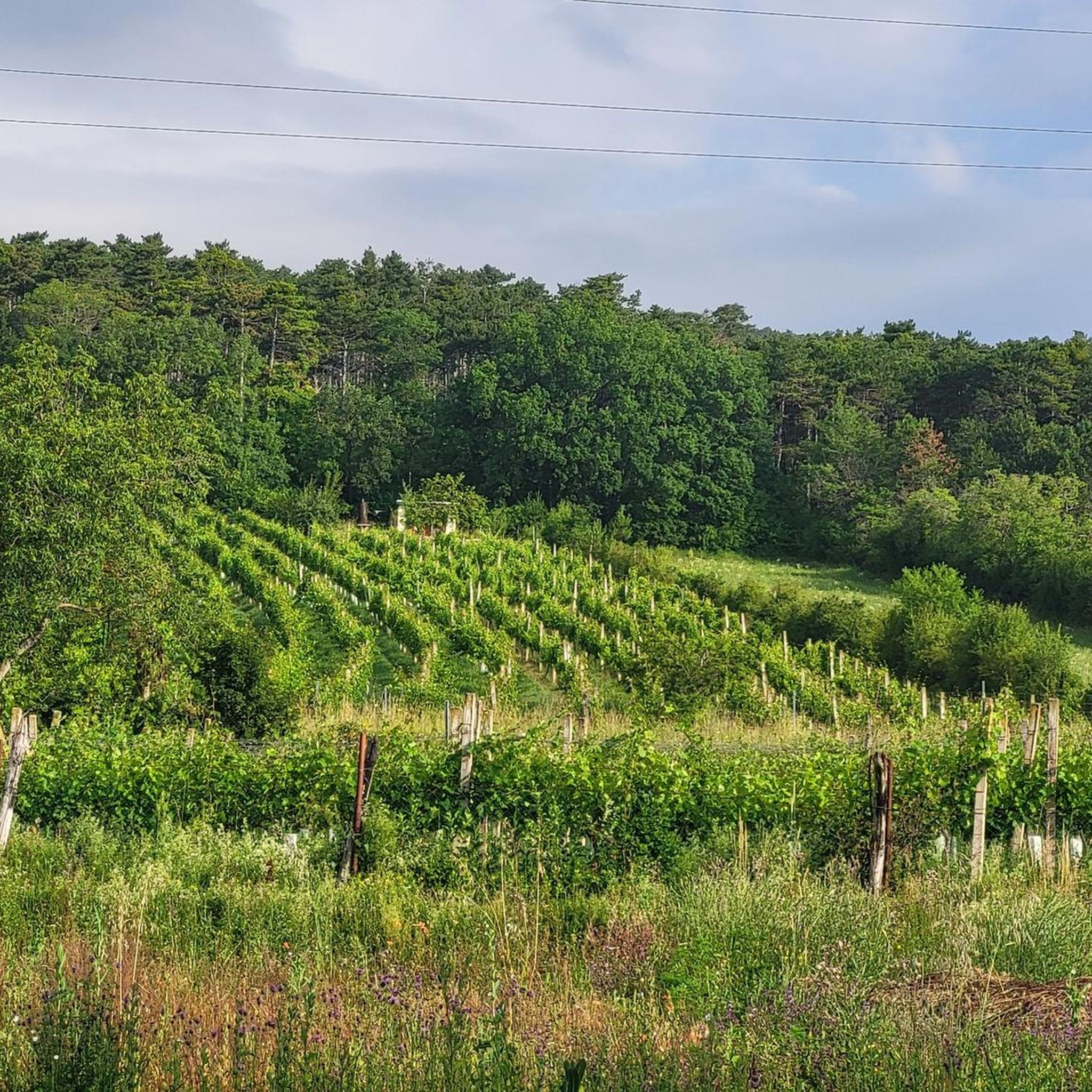
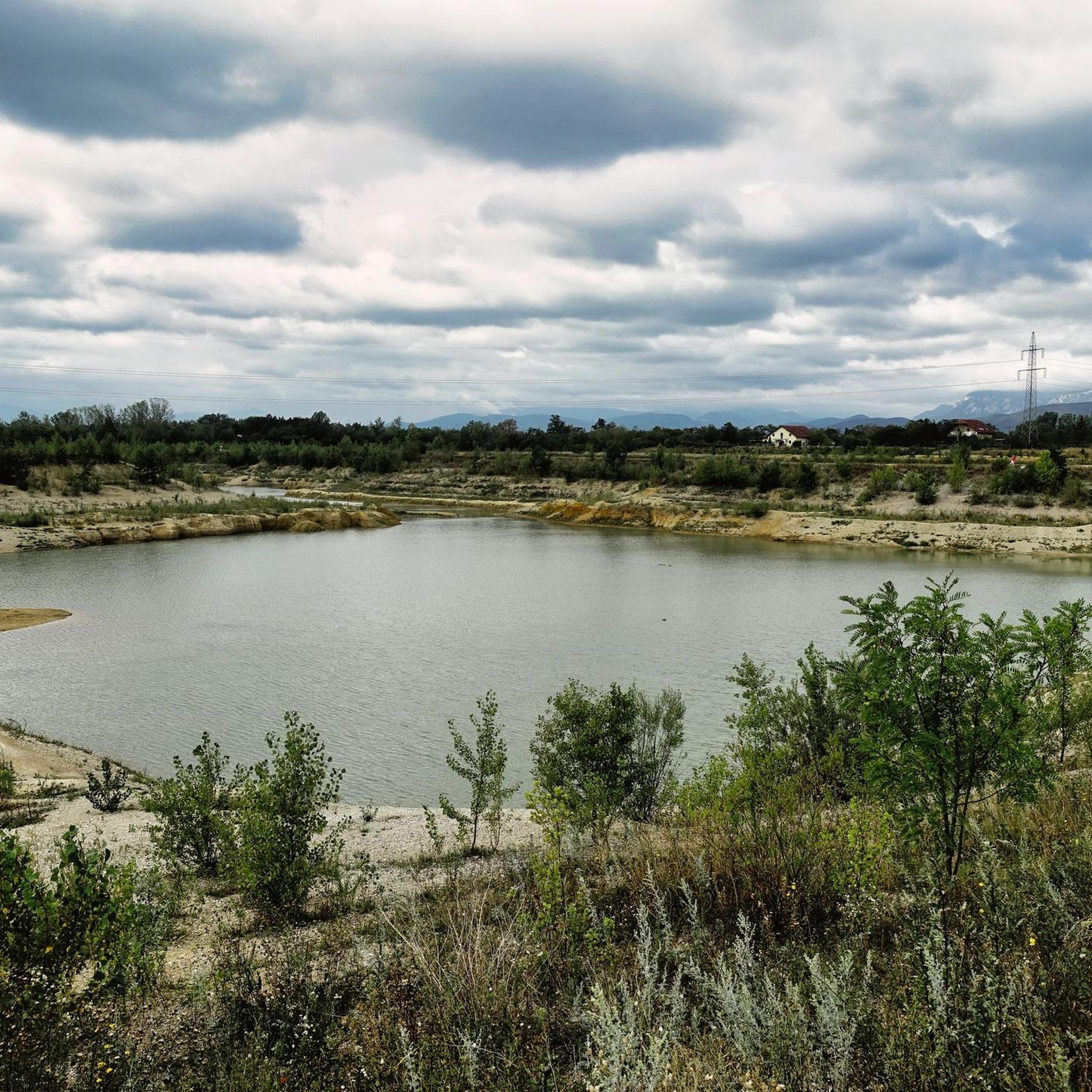
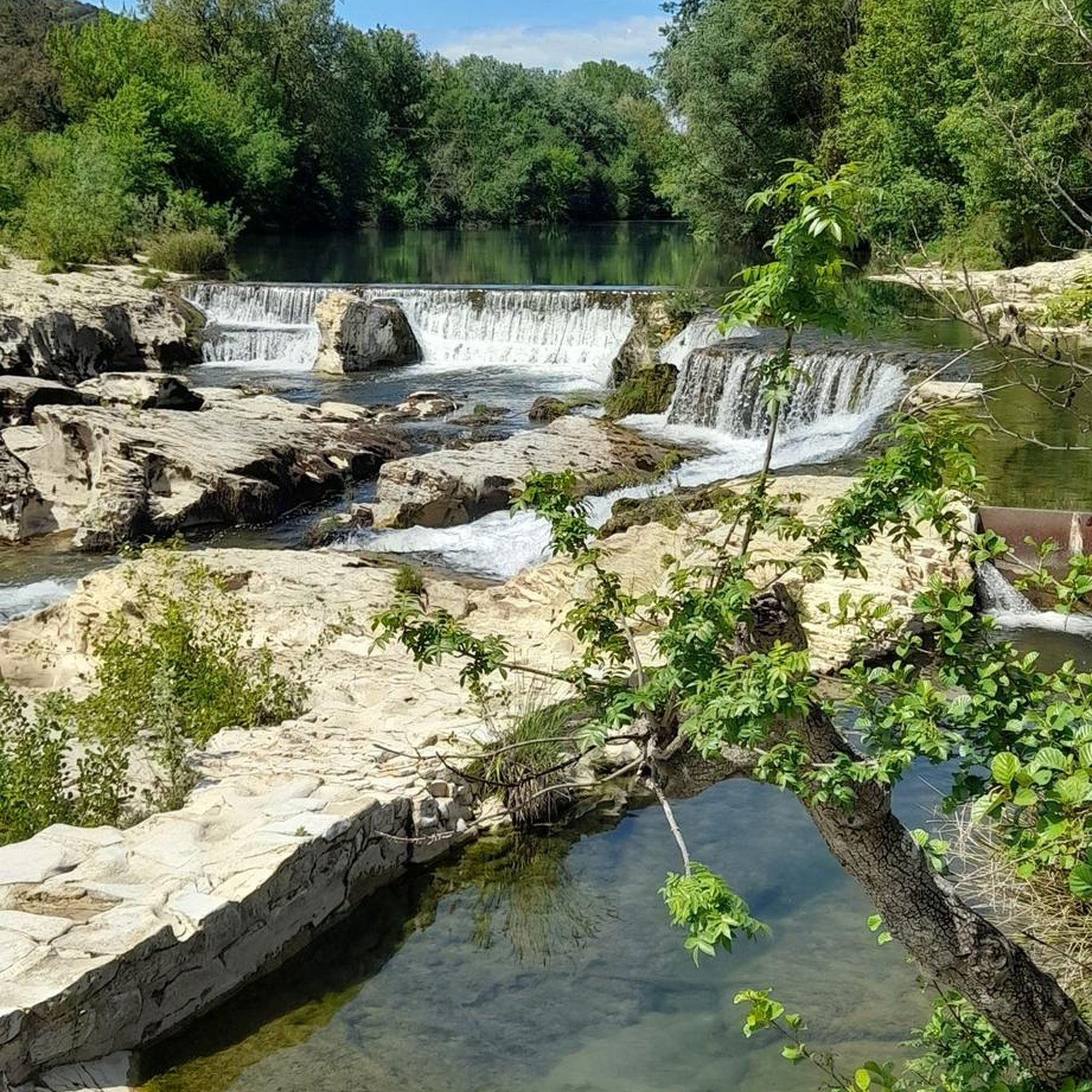
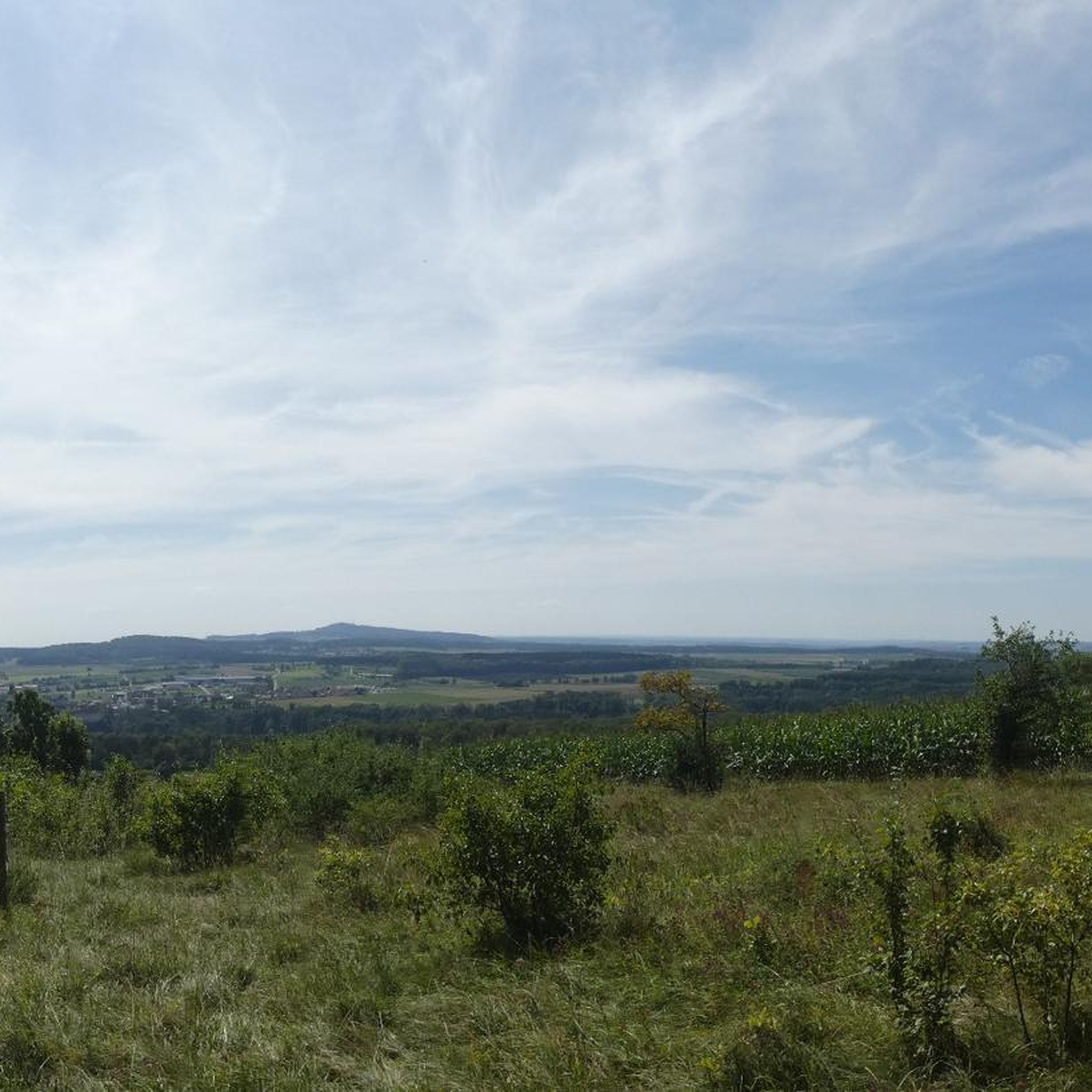
Hiking around Bad Fischau-Brunn offers a diverse landscape where the foothills of the Alps meet the Vienna Basin. The region features varied natural elements, including the deep Johannesbachklamm gorge and the mountainous Hohe Wand area. Extensive agricultural lands, wet meadows, and species-rich dry grasslands characterize the Steinfeld area, while rocky slopes are covered with downy oak and black pine forests. This combination provides a range of hiking experiences across different terrains.
Best hiking trails around Bad Fischau-Brunn
- The most popular…
Last updated: November 19, 2026
4.7
(50)
206
hikers
12.0km
03:38
370m
370m
Moderate hike. Good fitness required. Mostly walkable paths. Sure-footedness required.
4.5
(34)
119
hikers
Moderate hike. Good fitness required. Mostly walkable paths. Sure-footedness required.

4.5
(43)
88
hikers
6.10km
01:45
150m
150m
Easy hike. Easily walkable paths.
4.6
(15)
76
hikers
11.4km
03:24
310m
310m
Moderate hike. Good fitness required. Mostly walkable paths. Sure-footedness required.
4.8
(10)
43
hikers
Moderate hike. Good fitness required. Easily walkable paths.
Get access to more routes and recommendations from other explorers.
Already have an account?
Our route recommendations are based on thousands of hikes, rides, and runs completed by other people on komoot.
Start today with a free account
Your next adventure awaits.
Tips from the Community

Beautiful hiking trails, well signposted
0
0

Schloss Brunn - The striking, three-winged, two-story complex with a characteristic round tower looks back on a centuries-old history that began as a medieval fortress. The most important milestones in its history: • Origin as a moated castle (14th century): The complex was built in the 14th century as a fortified moated castle. It was originally owned by the Teuffenbach family and passed as a fief to the Dukes of Styria in the 15th century. • Frequent changes of ownership (16th to 18th century): Over the following centuries, the noble owners changed regularly. Among others, the castle belonged to the Rappach family (16th and 17th century), later to the Counts of Palm, and the Eissner von und zu Eisenstein family. • The devastating fire and Baroque reconstruction (1708–1711): At the beginning of the 18th century, the complex was largely destroyed by a severe fire. Prince Paul I Esterházy acquired the property and had the castle completely rebuilt in the Baroque style between 1708 and 1711. During this process, the former moat was filled in and replaced by a garden with a representative horse chestnut avenue, remnants of which still exist today. • Destruction in the Second World War (1945): Towards the end of the Second World War, the castle was severely damaged by heavy fighting and subsequent looting. A devastating fire in 1945 completely destroyed the entire historical interior as well as the valuable castle archive. Current status: Today, the estate, which is enclosed by a high garden wall, is privately owned and serves as a private residence as well as the center of an agricultural estate. An interior tour or entering the castle grounds is therefore not possible. However, a view of the historical facade, the Baroque gate, and the round tower can be easily caught from the outside.
0
0

The path to the two caves is not clearly visible and is adventurous due to the logging work.
0
0

In front of the hut there is a table with benches and it is suitable for a short break.
0
0

The Counterfeiter's Cave is a historically significant and legendary place in the Fischau foothills. According to local traditions, it owes its name to the legend that counterfeiters once plied their trade there. Today, this natural rock formation is primarily a popular destination for hikers and nature enthusiasts exploring the surrounding regions.
1
0
The so-called "Celtic Sacrificial Stone" is located in the Malleiten forest area near Bad Fischau-Brunn in the Wiener Neustadt district. The striking rock block features artificial-looking depressions ("bowls"), which is why it is popularly and esoterically attributed with significance as a Celtic cult and sacrificial site. Although ritual use is not unequivocally proven archaeologically, the Malleiten area is demonstrably one of the most important prehistoric and early historical settlement areas in the region.
2
0
The Waldandacht in the Wiener Neustadt district is a popular place of worship and a favorite excursion destination in the Föhrenwald near Bad Fischau-Brunn. Originally erected in 1908 by the eye-diseased stonemason Ludwig Peham as a place of thanks in a rock grotto, it houses a statue of Mary, a stone cross, and numerous saint images. Today, the quietly located grotto serves as a spiritual resting place for hikers and as a venue for regular outdoor masses, such as the annual mountain mass.
2
0
The historic Fischau Thermal Baths in Bad Fischau-Brunn are characterized by their two green-bordered, protected stone pools, which are fed by natural thermal water with a temperature of around 19 °C. Its origins date back to Roman times, and the facility was expanded in the 19th century into an elegant summer resort for Viennese celebrities. Today, in addition to the nostalgic swimming experience in summer, the baths also offer year-round sauna and bathing fun in the heart of the thermal region.
2
0
Frequently Asked Questions
What kind of terrain can I expect on hikes around Bad Fischau-Brunn?
The region offers a highly diverse landscape where the foothills of the Alps meet the Vienna Basin. You'll find deep gorges like the Johannesbachklamm, mountainous areas such as Hohe Wand, extensive forests of downy oak and black pine, and open grasslands and wet meadows in the Steinfeld area. This variety provides a range of hiking experiences across different terrains.
Are there any easy or family-friendly hiking options in Bad Fischau-Brunn?
Yes, Bad Fischau-Brunn is well-suited for all fitness levels, including families. There are over 40 easy routes available. A good example is the Steinerner Stadl – Celtic Sacrificial Stone loop from Bad Fischau-Brunn, which is 3.8 miles (6.1 km) and typically takes less than two hours to complete.
What natural attractions can I see while hiking in the area?
Hikers can explore several notable natural features. The Johannesbach Gorge is a highlight with its wooden walkways and unique geological formations. You can also visit the Eisenstein Cave, a natural monument known for its sinter and crystal formations. The mountainous Hohe Wand area offers impressive landscapes and panoramic views from spots like the Große Kanzel summit cross.
Are there any circular hiking routes available?
Yes, many routes in Bad Fischau-Brunn are circular, allowing you to start and end at the same point. For instance, the Forest Shrine, Bad Fischau – Größenberg Summit loop from Bad Fischau is a popular moderate option, and the Eisenstein Cave – Größenberg Summit loop from Brunn an der Schneebergbahn also offers a circular experience.
What do other hikers say about the trails in Bad Fischau-Brunn?
The hiking trails in Bad Fischau-Brunn are highly rated by the komoot community, with an average score of 4.6 stars from over 270 reviews. Hikers often praise the varied terrain, the well-maintained paths, and the beautiful natural features like the gorges and forests.
Can I find places to rest or eat along the trails?
In the Hohe Wand area, you can find the rustic Hubertushaus mountain hut, which offers a place to rest and enjoy regional specialties. Many routes also pass through or near the towns, providing opportunities for refreshments.
Are there any unique natural features to look out for?
Beyond the gorges and caves, the region is known for its thermal springs, which give Bad Fischau-Brunn its 'Bad' (spa) designation. The Größenberg Summit – Fischauer Thermal Spa loop from Bad Fischau allows you to pass by the historic Fischauer Thermalbad, a natural thermal pool with continuously flowing spring water.
What is the best time of year to go hiking in Bad Fischau-Brunn?
The diverse landscape of Bad Fischau-Brunn makes it suitable for hiking across multiple seasons. The Johannesbachklamm, for example, provides a refreshingly cool environment even on hot days, making it ideal for summer. The extensive forests offer pleasant shade, while the open areas are beautiful in spring and autumn. The region generally offers enjoyable conditions for outdoor activities throughout the year.
Are there any wildlife viewing opportunities?
Yes, for animal lovers, the Red Deer Enclosure Hohe Wand allows visitors to observe and even feed mouflons, ibexes, and a large herd of deer, providing a unique experience alongside your hike.
How many hiking routes are there in total around Bad Fischau-Brunn?
There are over 90 hiking routes available around Bad Fischau-Brunn, catering to various preferences and fitness levels. This includes a good mix of easy, moderate, and a few more challenging options.
What are the main types of forests I'll encounter?
The rocky slopes around Bad Fischau-Brunn are covered with picturesque downy oak and black pine forests. These offer numerous marked trails and are known for providing healthy pine forest air, making for a pleasant hiking environment.
Most popular routes around Bad Fischau-Brunn
Most popular attractions around Bad Fischau-Brunn

Get inspired with the komoot mobile app


Explore more
Browse the best Hikes in other regions.
