Attractions and Places To See around Les Ventes - Top 14
Best attractions and places to see around Les Ventes, a commune in the Eure department of Normandy, France, offers several notable attractions. The area is known for its historical and archaeological interest, featuring ancient megalithic sites and significant historical landmarks. Visitors can explore a mix of historical monuments and natural routes.
Best attractions and places to see around Les Ventes
- The most popular attractions is Conches-en-Ouche Keep, a castle that is the last vestige of the fortress of Conches-en-Ouche.…
Last updated: July 2, 2026
Pierre Courcoulée Dolmen
Highlight • Other
Translated by Google •
Tip by

Conches-en-Ouche Keep
Highlight • Castle
Translated by Google •
Tip by

Sign up now to discover places like this
Get recommendations on the best single tracks, peaks, & plenty of other exciting outdoor places.
Sign up for free
Évreux Cathedral
Highlight • Religious Site
Translated by Google •
Tip by

Greenway from Évreux to Le Neubourg
Highlight (Segment) • Cycleway
Translated by Google •
Tip by

Ruins of Saint Médard Church
Highlight • Historical Site
The ruins have been …
Translated by Google •
Tip by
Sign up for free to discover even more attractions around Les Ventes.
Sign up for free
Already have an account?
Start today with a free account
Your next adventure awaits.
Login or Signup


Tips from the Community

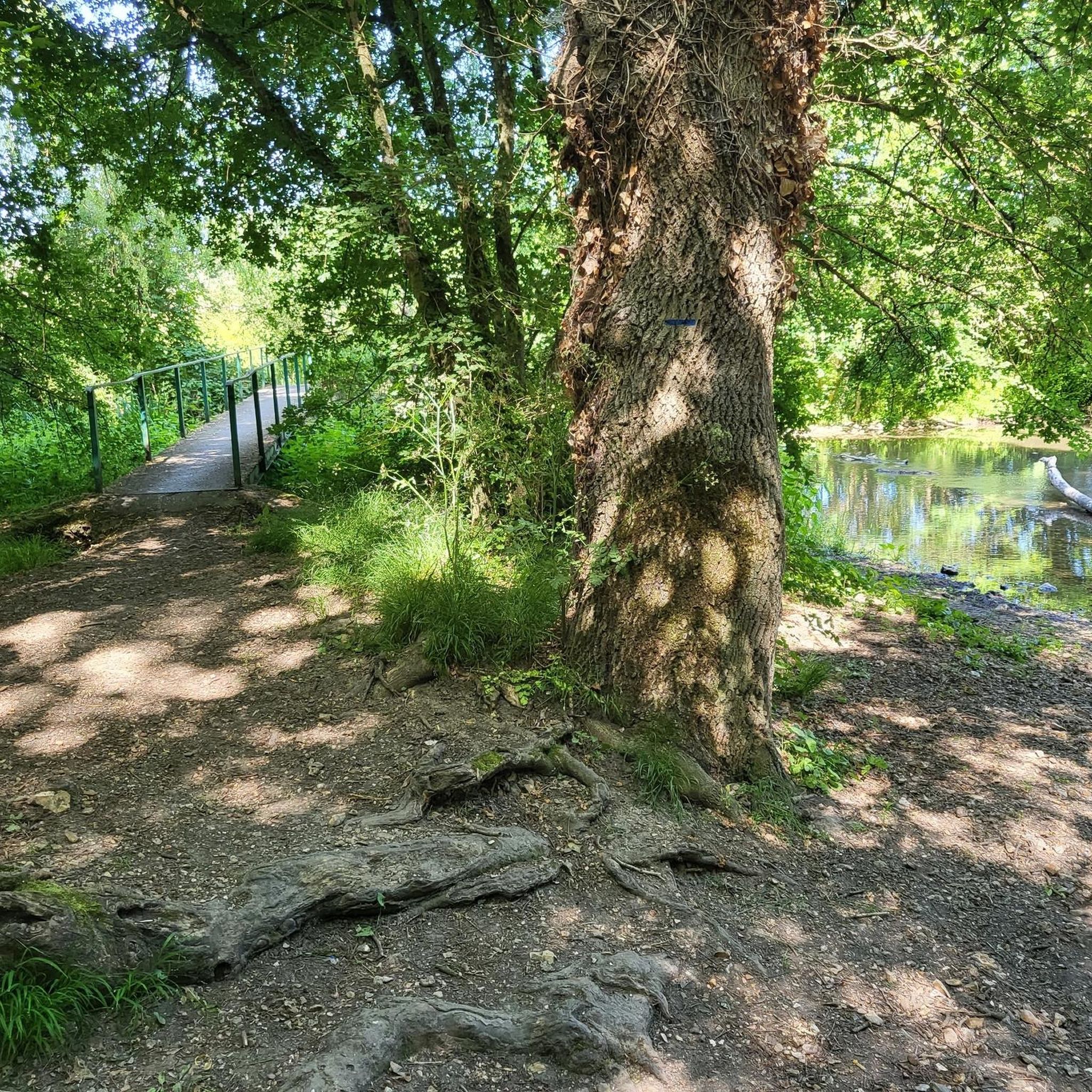
45km of calm and safety on a path on a false flat uphill not too demanding the first 10 km. The ground surface is of good quality on the majority of the route even if at the end it looks more like gravel with dead leaves and branches on the ground. Very beautiful portion to connect Paris to Deauville
0
0

Very beautiful long cycle path in the Eure. Well paved and very pleasant, far from any road traffic.
0
0

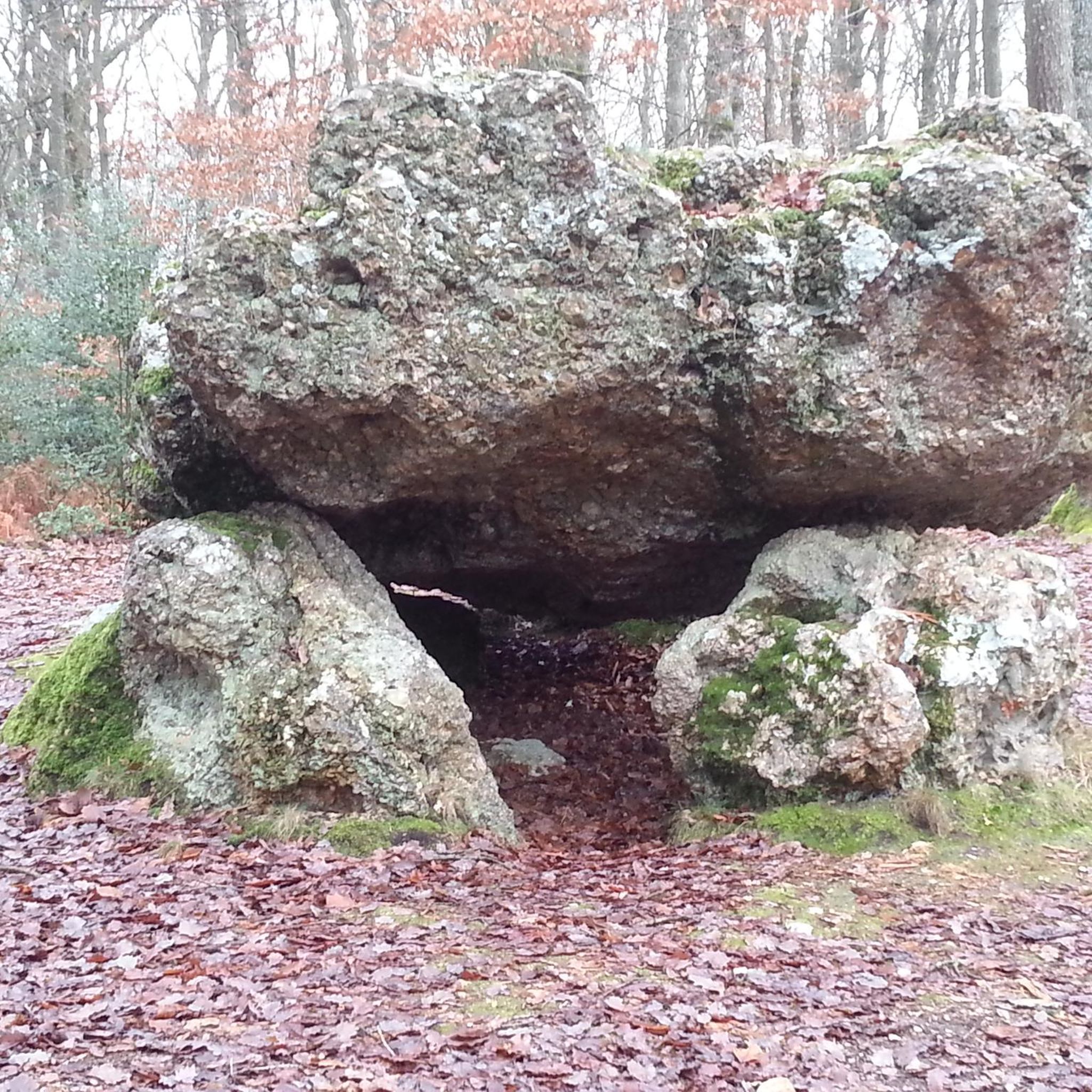
If you are interested in ancient history and megalithic monuments, you can visit the Dolmen de la Pierre Courcoulée, a stone tomb dating from the Neolithic period. You can admire the impressive puddingstone slab that covers the dolmen, measuring more than 4 meters long and weighing about 10 tons. The slab rests on four pillars of the same material, forming a chamber which was probably used for funerary rituals. The dolmen is one of the oldest and best preserved in Normandy, it has been listed as a historical monument since 1889. The Pierre Courcoulée Dolmen is a privileged place to get some fresh air and discover the local heritage.
2
0

The town of Goms is rather pretty, too bad it is populated by inbreds
0
1

Built between the 11th and 17th centuries, the Notre-Dame cathedral mixes many styles between its nave, its arcades, its transept, its choir, its windows and its chapels. A real must in Évreux.
1
0

The Notre-Dame d'Évreux cathedral is a Gothic-style cathedral, located in Évreux in the Eure, which is the seat of the diocese corresponding to this department.
0
0
Built at the end of the 11th century by Roger III de Tosny, Lord of Conches. The thickness of the walls is 2.60m. The walls and window embrasures were coated with a layer of mortar mixed with lime and fine sand in order to give a more noble appearance to this flint construction. On the ground floor: it was the food reserve, there were no windows. 1st floor: A central well was used to supply the Château with drinking water. It was emptied in 1849. A fireplace was in each room. It was around 1417, when Conches was in English hands, that the defensive power of the keep was increased under the orders of Captal de Buch. He built an additional tower with the particularity of starting on a square base. Main seats of the castle: 1093: War of the Beautiful Ladies (fight between the Lords of Tosny and the Lords of Breteuil, Beaumont and Evreux) 1199: Philippe Auguste is king of France and he makes the domain of Conches available to his cousin Robert de Courtenay in 1202. 1364: first English occupation. 1371: 100 years war, Bertrand Dugesclin, captain of King Charles V, seizes Conches. 1420: Conquest of Normandy by the English, Henry V, King of England seizes Conches. The castle was taken over in 1440 by Charles VII, King of France. 1441: New English occupation. 1449: The French under the command of Robert de Floques, bailiff of Evreux storm the town of Conches.
0
0
The Notre-Dame d'Évreux cathedral is a Gothic-style cathedral, located in Évreux in the Eure.
0
1
Frequently Asked Questions
What historical and archaeological sites can I explore around Les Ventes?
The region around Les Ventes is rich in history. You can visit the ancient megalithic site of Pierre Courcoulée Dolmen, a classified historical monument featuring an impressive 10-ton puddingstone slab. Another significant historical monument is the Dolmen de l'Hôtel-Dieu. For medieval history, explore the Conches-en-Ouche Keep, the last vestige of a fortress that saw many battles, including a siege by Du Guesclin. The Ruins of Saint Médard Church also offer a glimpse into the past, with its 14th-century origins. Additionally, the town honors Lt. Billie D. Harris with a memorial, commemorating his heroic sacrifice during WWII.
Are there any family-friendly attractions near Les Ventes?
Yes, several attractions are suitable for families. The Greenway from Évreux to Le Neubourg is a well-paved cycle path perfect for family bike rides or walks away from road traffic. The Évreux Cathedral, with its blend of architectural styles and adjoining park, can be an interesting visit for all ages. The Ruins of Saint Médard Church, set in a converted park, offers a unique historical spot where families can picnic.
What outdoor activities, like cycling or hiking, can I do near Les Ventes?
Les Ventes is a great base for outdoor activities. Cyclists can enjoy the Greenway from Évreux to Le Neubourg, a pleasant route away from traffic. For more extensive cycling, mountain biking, or running, you can explore various routes. For example, you'll find numerous cycling routes around Les Ventes, MTB trails, and running trails, including loops that pass by historical sites like the Pierre Courcoulée Dolmen.
Are there any specific trails for walking or hiking near Les Ventes?
Yes, the area offers various trails suitable for walking and hiking. Many of the running trails around Les Ventes are also excellent for walking, ranging from moderate difficulty. You can find circular walks that take you through the local landscape and past points of interest. The Pierre Courcoulée Dolmen, for instance, is easily accessible via hiking trails.
What is the best time of year to visit Les Ventes for outdoor activities?
The best time to visit Les Ventes for outdoor activities like cycling, hiking, and exploring historical sites is typically during the spring (April to June) and autumn (September to October). During these months, the weather is generally mild and pleasant, making it ideal for being outdoors. Summer can also be enjoyable, though it can be warmer.
Can I find any hidden gems or less-known spots around Les Ventes?
Beyond the main attractions, the region holds smaller, charming spots. The Ruins of Saint Médard Church, with its stabilized ruins and park setting, offers a peaceful and unique historical experience. Exploring the various local trails, particularly those for MTB or running, can also lead you to picturesque, less-traveled parts of the Norman countryside.
What kind of architecture can I see in the area?
The architecture around Les Ventes spans several centuries. The Conches-en-Ouche Keep showcases medieval military architecture from the 11th century. The Évreux Cathedral is a magnificent example of French Gothic architecture, built between the 11th and 17th centuries, incorporating radiant and flamboyant Gothic styles, as well as elements of the Second French Renaissance. You can also see older structures like the megalithic dolmens, representing prehistoric engineering.
Are there any long-distance cycle paths suitable for a full day out?
Yes, the Greenway from Évreux to Le Neubourg offers a substantial route for a full day of cycling. This well-paved path provides 45km of calm and safety, largely away from road traffic, making it an excellent option for a longer ride. It's part of a network that can connect to even longer routes, such as those linking Paris to Deauville.
What do visitors particularly enjoy about the attractions near Les Ventes?
Visitors appreciate the blend of historical depth and natural beauty. The ancient Pierre Courcoulée Dolmen is often highlighted for its impressive size and historical significance. The Conches-en-Ouche Keep is valued for its rich history and the insights it provides into medieval battles. The Greenway from Évreux to Le Neubourg is praised for being a very beautiful, well-paved, and safe route for cycling and walking, away from traffic.
Can I find places for a picnic or a break near the attractions?
Yes, some attractions offer pleasant spots for a break. The land surrounding the Ruins of Saint Médard Church has been converted into a park, providing an opportunity for a picnic. The Évreux Cathedral also has a small adjoining park that is a good place for a break. Additionally, many of the cycling and walking routes in the area will take you through scenic spots ideal for a rest.
Are there any specific historical events or figures associated with Les Ventes?
Les Ventes is notably associated with World War II history. It is the site where American pilot Lt. Billie D. Harris crashed in combat on July 17, 1944. The town remembers his heroism, as he deliberately avoided houses to prevent civilian casualties, and has named its main square after him. This story is deeply ingrained in the local history.
Most popular routes around Les Ventes

Get inspired with the komoot mobile app


Explore more
Still not found the Highlight you’re looking for? See guides of the top attractions in other regions:
