Attractions and Places To See around Porte-Joie - Top 20
Best attractions and places to see around Porte-Joie include historical landmarks and natural features along the Seine River. This commune in Normandy, France, offers insights into industrial heritage and serves as a base for exploring the wider Eure department. The area features archaeological sites indicating 8,000 years of occupation, alongside 17th-century manors. Visitors can explore a variety of sites, from ruined mills to castles.
Best attractions and places to see around Porte-Joie
- The most popular attractions is Filature Levavasseur,…
Last updated: May 11, 2026
Levavasseur Cotton Mill
Highlight • Other
Tip by

Filature Levavasseur
Highlight • Monument
Translated by Google •
Tip by

Sign up now to discover places like this
Get recommendations on the best single tracks, peaks, & plenty of other exciting outdoor places.
Sign up for free
Acquigny Castle
Highlight • Castle
Translated by Google •
Tip by

Bonnemare Castle
Highlight • Castle
Translated by Google •
Tip by
Saint-Mauxe Enclosure
Highlight • Other
Translated by Google •
Tip by

Sign up for free to discover even more attractions around Porte-Joie.
Sign up for free
Already have an account?
Start today with a free account
Your next adventure awaits.
Login or Signup
Tips from the Community

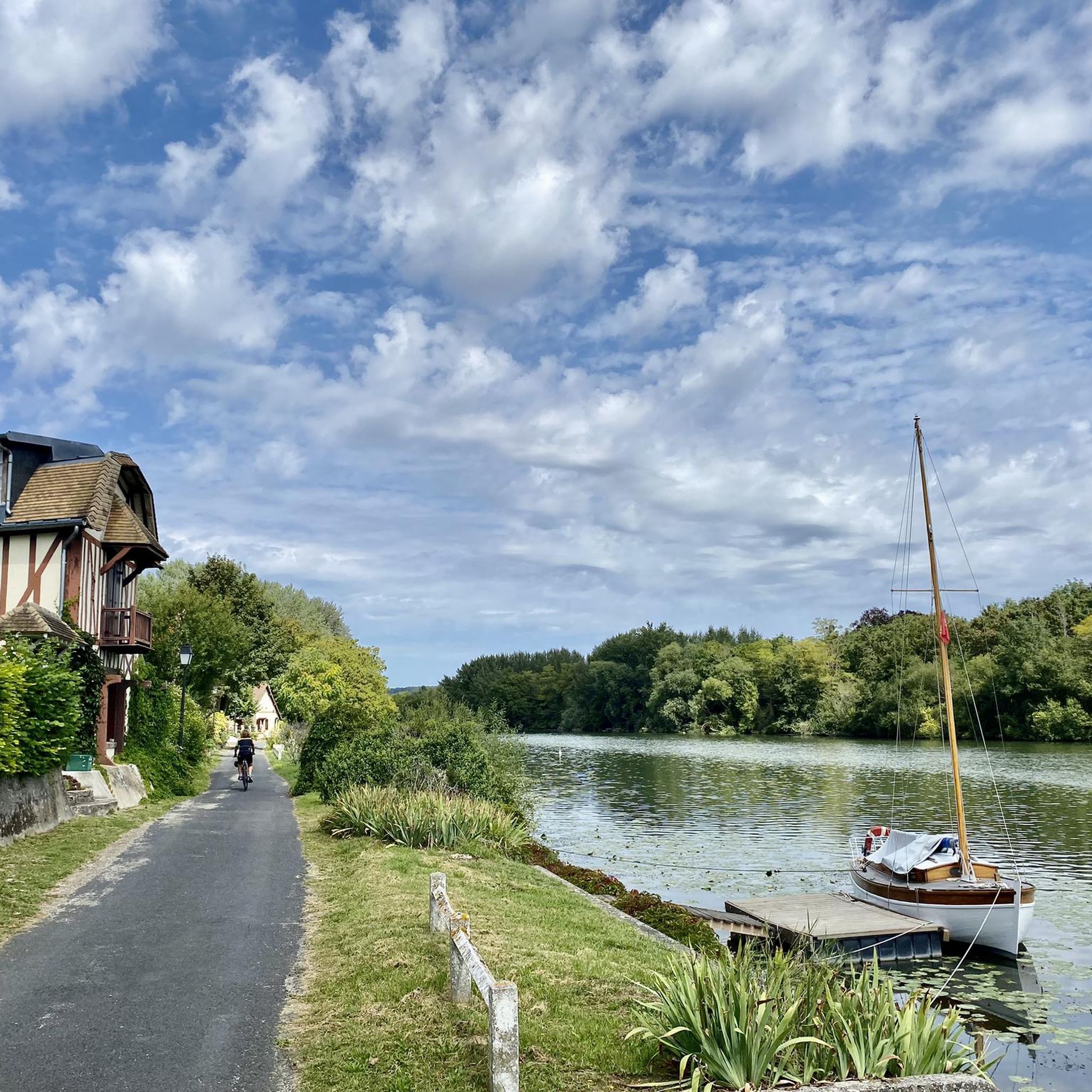
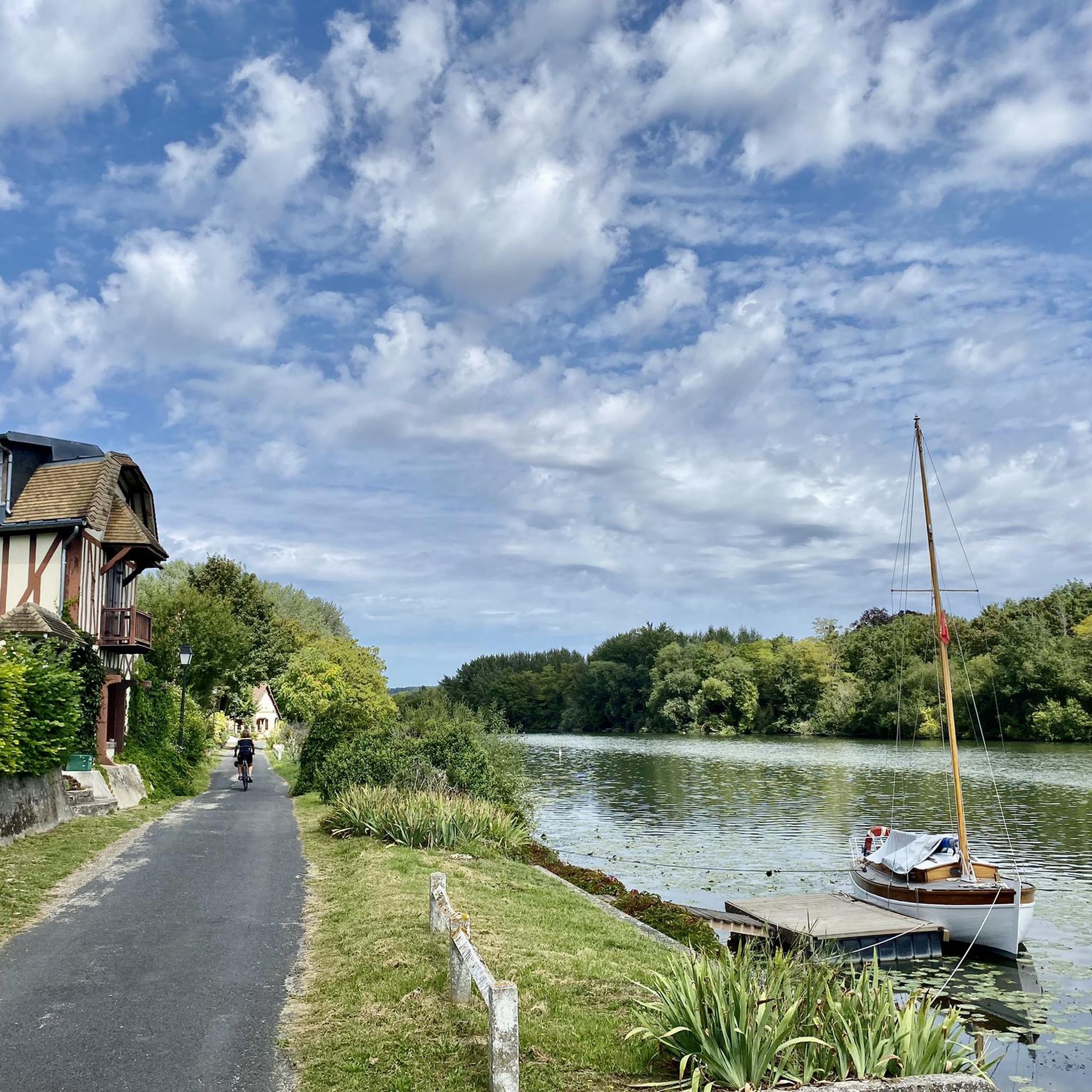
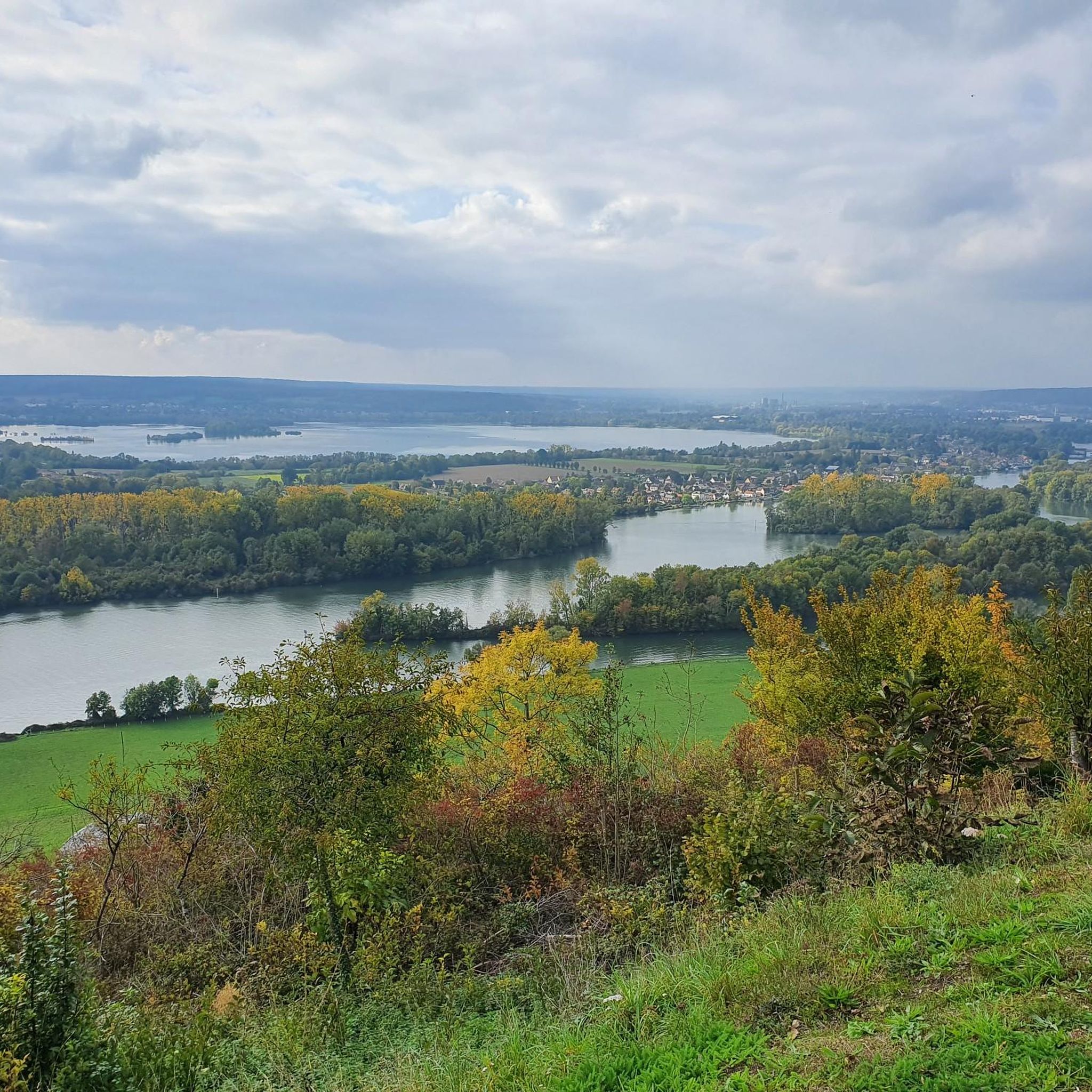
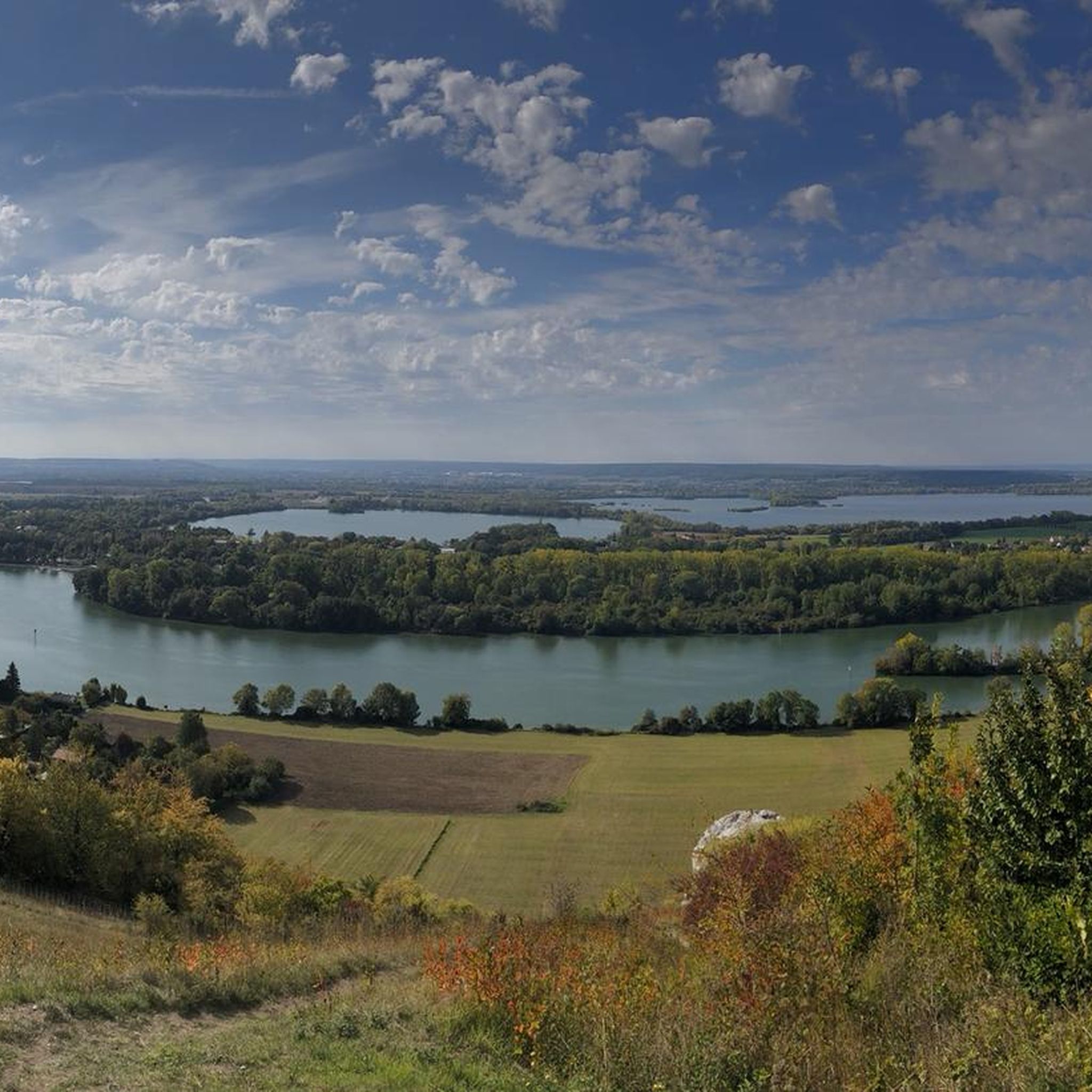
Magnificent view of the Château d'Acquigny (whose garden can be visited) and the Eure valley
0
0

Located along the banks of the Andelle River, the Levavasseur spinning mill, nicknamed the "industrial cathedral," is a 19th-century factory in the neo-Gothic style. It is the subject of a conservation project to reveal its unique history and offer the public a place for walking, contemplation, and interpretation.
0
0

The Château de Bonnemare is a 16th century castle which presents a rare and harmonious ensemble including a round chapel, a kitchen with a rotisserie designed by Leonardo da Vinci, a farm with a forge and a cider house. You can discover the 22 hectare park which surrounds the castle and admire the poplar avenue, the orchard and the pond. You can also stay in one of the guest rooms or gîtes which offer a charming and authentic experience of French heritage.
2
0

Located on the border of the communes of Heudreville-sur-Eure and Acquigny, “Le Clos Saint-Mauxe”, a small clearing, is a symbolic place of the Christian faith. In the first centuries of our era, Saint-Mauxe, bishop of Italy, persecuted for his faith in God, took refuge in Gaul, accompanied by his brother Vénérand, deacon, and two priests Marc and Etherius. Pursued by the proconsul Sabinus from whom they had escaped in Italy, they were joined by their enemies in this clearing. Sabinus had the heads of Saint Mauxus and Saint Vénérand cut off... as well as eight of his own soldiers who had just been converted by the words and miracles of the holy bishop. This site became a place of fervor and devotion where processions were regularly organized, particularly during difficult times, for example during the plague of 1517 or the droughts of 1556 and 1785. According to historical records, miracles were even cited and an altar with a stone column was erected
1
0
A jewel of industrial heritage and Gothic architecture, the Filature Levavasseur, a former cotton mill, is now a ruin. This impressive building was built in 1857 by Baron Charles Levavasseur, a wealthy industrialist and shipowner who imported his own cotton from America. The factory was designed in the neo-Gothic style, with four octagonal towers reaching 38 meters in height. It employed up to 300 workers and produced quality fabrics until 1874, when a fire destroyed it. The mill has never been rebuilt, but it remains a remarkable site in the Andelle valley. You can admire the mill from the outside or explore its interior with caution.
6
0

This castle is ideally placed at the confluence of the Eure and the Iton rivers. This stream was diverted from its bed to feed the moats of this beautiful building. It can be admired from the park gate.
1
0

The Château d'Acquigny was built at the request of Anne de Laval (cousin of the King of France Henri II and Dame-in-waiting to Queen Catherine de Medici), from 1557 with the criterion of inspiring the love that wore to her late husband, Louis de Silly. An original residence was then built: a plan combining the four initials of the couple (ALLS), for a facade of honor with decorative elements of great refinement, releasing all the love that the countess had for her husband. We then understand better why the park surrounding this elegant castle is also nicknamed “a love of garden”.
0
0
Frequently Asked Questions
What historical landmarks can I explore around Porte-Joie?
Porte-Joie and its surroundings are rich in history. You can visit the impressive ruins of the Filature Levavasseur, a neo-Gothic cotton mill from 1857. Further afield, explore the 16th-century Acquigny Castle, known for its unique design and beautiful park, or the harmonious Bonnemare Castle, also from the 16th century, featuring a round chapel and a large park.
Are there any natural features or scenic spots to visit near Porte-Joie?
Yes, Porte-Joie is situated along the scenic Seine River, offering picturesque views and opportunities for riverside strolls. The area's natural beauty is complemented by the parks surrounding castles like Acquigny and Bonnemare, which provide tranquil settings for relaxation and exploration.
What outdoor activities are available around Porte-Joie?
The region around Porte-Joie is excellent for outdoor enthusiasts. You can find numerous routes for hiking, gravel biking, and mountain biking. For hiking, consider trails like the 'Viewpoint with Stone Bench loop from Saint-Pierre-du-Vauvray' or the 'Two Lovers' Lake – Poses loop from Val de Reuil'. Explore more options on the Hiking around Porte-Joie guide. Cyclists can find routes such as the 'Manoir de Portejoie – Chalk cliffs loop from Val de Reuil' for gravel biking, detailed in the Gravel biking around Porte-Joie guide.
Are there family-friendly attractions in the Porte-Joie area?
Absolutely. Acquigny Castle is noted as a family-friendly historical site, with its beautiful park often referred to as 'a love of garden,' providing ample space for children to explore. The general area also offers various outdoor routes suitable for families, depending on their activity level.
What is the significance of the Levavasseur Cotton Mill?
The Filature Levavasseur is a significant industrial heritage site. Built in 1857 in a striking neo-Gothic English style, it was once a bustling cotton mill with four octagonal towers reaching 38 meters. Although largely ruined by fire in 1874, its remains are an impressive and unique landmark in the Andelle valley, offering a glimpse into 19th-century industrial architecture.
Can I visit a manor house in Porte-Joie?
Yes, within Porte-Joie itself, you can find Le Manoir de Portejoie. This 17th-century manor is located directly on the banks of the Seine River and retains its authentic Norman style with features like beams, bricks, and a dovecote. It is known for hosting events and offering accommodation.
What is the Saint-Mauxe Enclosure?
The Saint-Mauxe Enclosure is a symbolic and historical site located near Heudreville-sur-Eure and Acquigny. It's a small clearing with a deep connection to Christian faith, marking the place where Saint Mauxus and his companions were martyred. Historically, it has been a place of fervor and devotion, with records of miracles and regular processions.
What kind of archaeological history does Porte-Joie have?
Porte-Joie has a rich archaeological history, with studies revealing 8,000 years of occupation. Significant findings include evidence of various environmental phases and particularly notable collective burials from the Middle Neolithic period, indicating a long and complex human presence in the area.
What are some notable castles in the wider region accessible from Porte-Joie?
Beyond the immediate vicinity, Porte-Joie serves as a good base for exploring other significant castles in Normandy. A prominent example is Chateau Gaillard, a medieval fortress offering stunning views of the Seine valley, easily accessible for a day trip.
Are there any cultural highlights near Porte-Joie?
Yes, the broader Normandy region offers several cultural highlights. You can visit Giverny Gardens, the famous home and gardens of Claude Monet, which are within accessible distance. The historic city of Rouen, with its magnificent cathedral and medieval center, also makes for an enriching cultural excursion from Porte-Joie.
What kind of cycling opportunities are there around Porte-Joie?
The area provides diverse cycling experiences. For mountain biking, you can explore routes like the 'Remarkable trees loop from Val-de-Reuil' or the 'Acquigny Castle – Acquigny railway bridge loop from Le Vaudreuil'. More options are detailed in the MTB Trails around Porte-Joie guide, offering various difficulty levels for cyclists.
What do visitors appreciate most about the attractions around Porte-Joie?
Visitors particularly appreciate the unique blend of historical depth and natural beauty. The Filature Levavasseur is often praised for its 'unreal atmosphere' and impressive architecture, while the castles like Acquigny and Bonnemare are valued for their historical significance and beautiful surrounding parks. The overall appeal lies in discovering ancient ruins, well-preserved estates, and scenic riverside landscapes.
Most popular routes around Porte-Joie

Get inspired with the komoot mobile app


Explore more
Still not found the Highlight you’re looking for? See guides of the top attractions in other regions:
