Top 6 Castles around Morienval
Best castles around Morienval offer a journey through history in the Oise region of France. While Morienval itself is known for the historic Morienval Abbey, a significant Romanesque architectural site, the surrounding area features several notable landmarks. The landscape combines historical sites with natural features, providing diverse exploration opportunities. This region is characterized by its rich heritage and proximity to significant historical residences.
Best castles around Morienval
- The most popular castles is Pierrefonds Castle, a castle that was rebuilt…
Last updated: June 24, 2026
Pierrefonds Castle
Highlight • Castle
Translated by Google •
Tip by

Château de Compiègne
Highlight • Castle
Translated by Google •
Tip by

Sign up now to discover places like this
Get recommendations on the best single tracks, peaks, & plenty of other exciting outdoor places.
Sign up for free
Douye Castle
Highlight • Historical Site
Translated by Google •
Tip by

Compiègne Palace - Les Beaux Monts
Highlight (Segment) • Castle
Translated by Google •
Tip by

Château de Noue
Highlight • Castle
Translated by Google •
Tip by

Sign up for free to discover even more castles around Morienval.
Sign up for free
Already have an account?
Start today with a free account
Your next adventure awaits.
Login or Signup


Tips from the Community

Perfect for a picnic in the castle grounds!
0
0

This castle is simply magnificent and worth a visit too!!!!
1
0


In good weather, the garden is peaceful for relaxing or strolling. The cherry on the cake is inside the castle: beautiful reconstructions and conservations
0
0

The first known castle at a place called la Noue or la Noüe was built at the end of the 10th or at the very beginning of the 11th century in the town of Pisseleux, in the commune of Villers-Cotterêts. It was replaced by another castle built in the 13th century and then in the 15th and 16th centuries, the enclosure, the keep, the dovecote and the turret can still be seen on the facade of the main building. Source: Wikipedia
0
0

The oldest building within the grounds of the Château de la Douye is what appears to be part of the “Grand Hôtel” built by King John II the Good in 1344 and partially destroyed during the 100 Years' War. John II liked Bethisy which he called his “desert”. He made numerous stays there. The Château de la Douye is more recent. It is described as a composite manor, made up of two buildings at right angles: one very simple, is from the 17th century; the other contains the chapel whose window with flamboyant tracery retains stained glass. At the intersection a 15th century staircase turret. The history of the castle is little known. The first owners seem to have been the Anthonis, lords of Douye. Around 1475, Gilles Anthonis, Lord of Douye, Baron and Vémars, was Notary and Secretary to King Louis XI and hereditary Gruyer of Béthisy, in the forest of Cuise. Subsequently, for example, it was the turn of Berthelemy (1570), Le Doux (1655) and Beaurain (1762). More recently, La Douye welcomed the Missionary Sisters of the Holy Spirit. Numerous works have now completely transformed the interiors. The stained glass window is also more modern. Around 1820 the arms of Charles VI and VII were visible on the turret and in the chapel. Charles VI, the beloved or the madman, king of France from 1380 to 1422. Charles VII, the victorious, king of France from 1422 to 1461.
0
0

The Château de la Douye in Béthisy-Saint-Pierre is a composite manor, formed by two buildings at right angles: one very simple, from the 17th century; the other contains the chapel with flamboyant windows and stained glass. At the intersection there is a 15th century stair turret. The Château de la Douye is surrounded by a large park and faces the two turrets that remain from the medieval castle of King John II the Good, who built the "Grand Hôtel" in 1344 and partially destroyed it during the Hundred Years' War. You can also admire the old mill on the Automne river, which crosses the territory of the commune.
2
0

What a powerful facility! No wonder Napoleon III set up his private residence here. Violet le Duc expanded the medieval fortress into a magnificent castle and if you want to experience it on film, you can see it in "The Man with the Iron Mask" (Leonardo the Caprio). Very worthwhile, and of course surrounded by crowds of tourists.
2
0
Frequently Asked Questions
What historical sites are there to visit directly in Morienval?
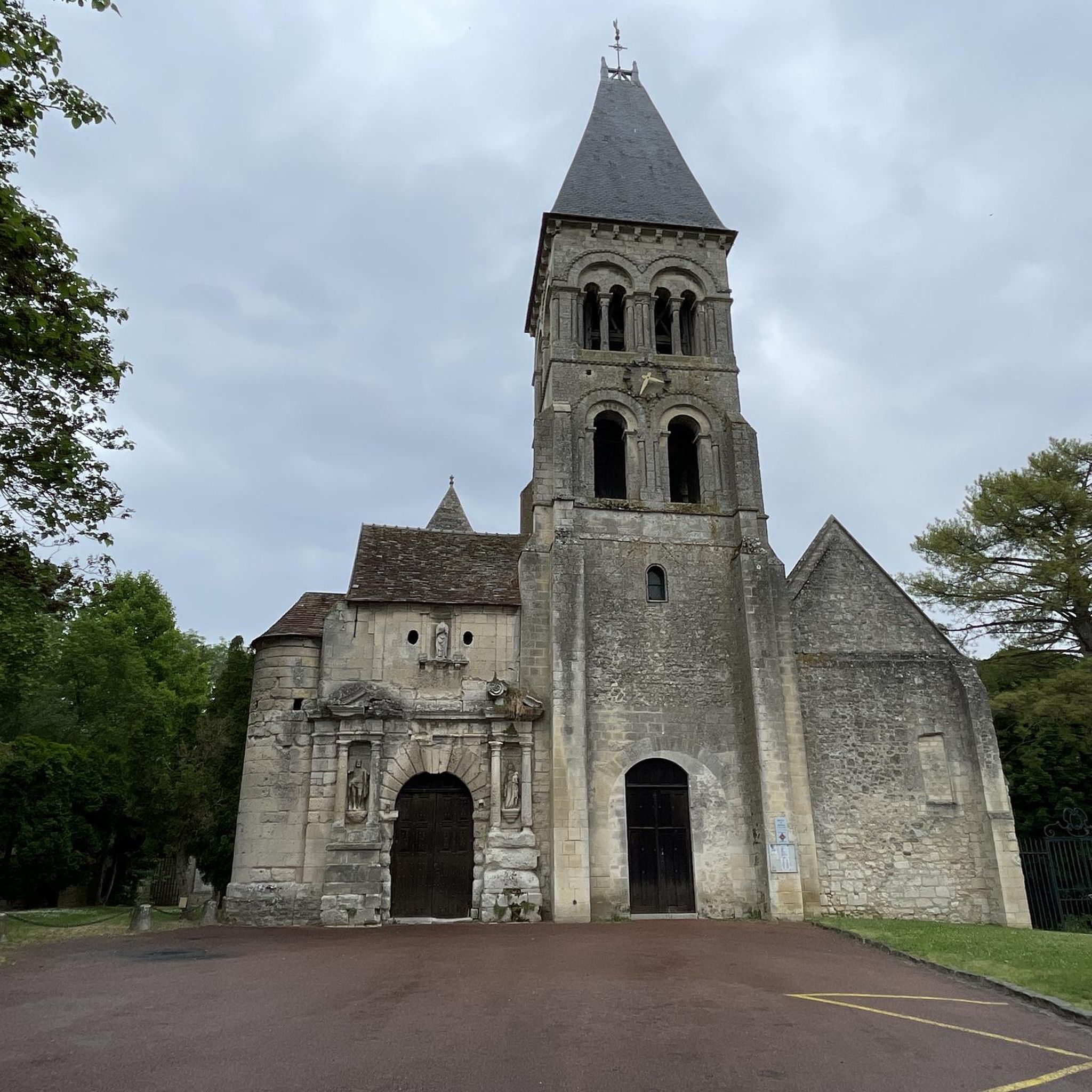
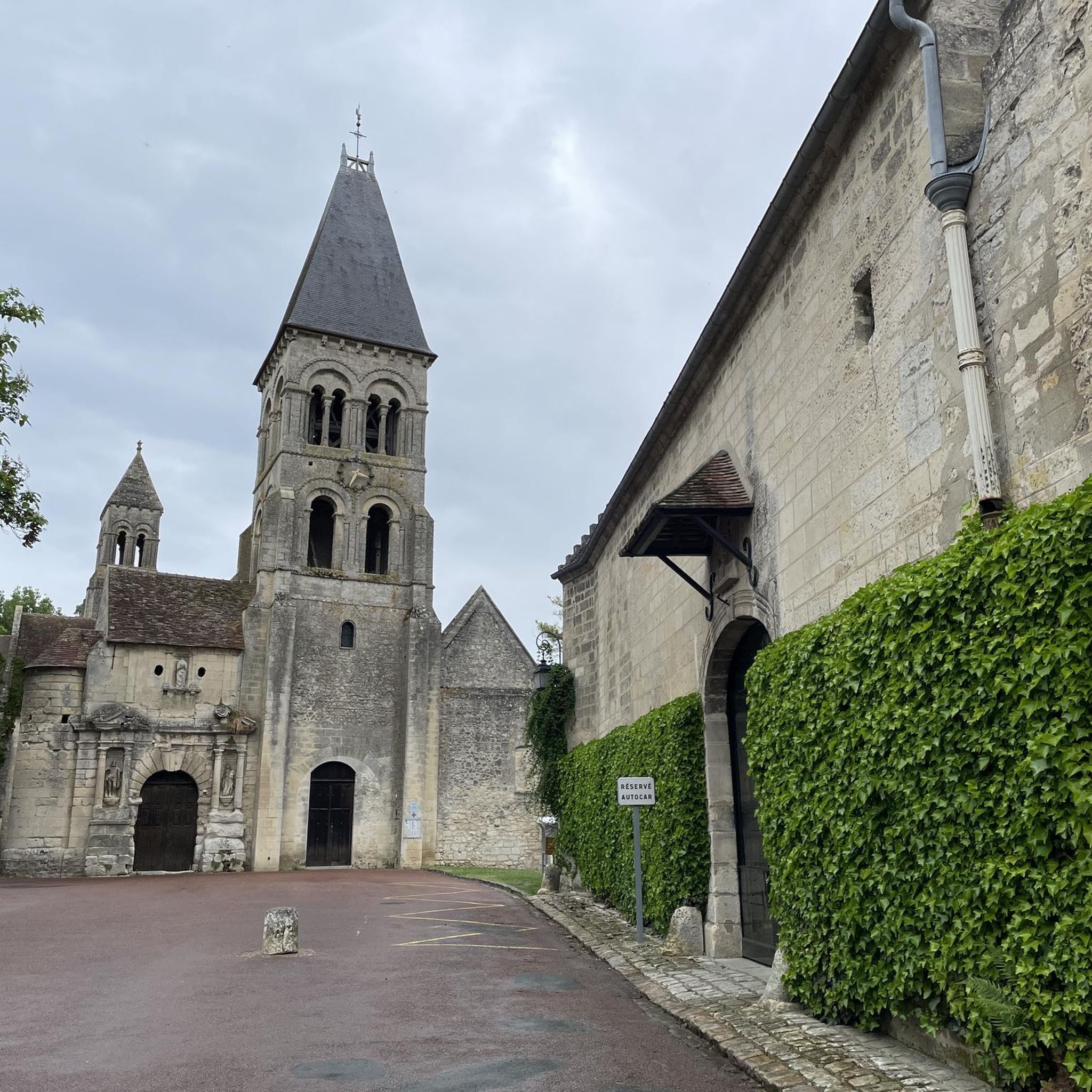
While Morienval does not have traditional castles, the most significant historical site in the village is the Morienval Abbey (Abbatiale de Morienval). This former Benedictine nunnery is a true jewel of Romanesque art, featuring unique architecture with early Gothic elements and three emblematic bell towers. It also boasts a beautiful rose garden.
Which castles near Morienval are particularly family-friendly?
Several castles near Morienval offer great experiences for families. Pierrefonds Castle, with its imposing medieval appearance, often serves as a film set and sparks imagination. The Château de Compiègne features three museums and a large park with free admission, perfect for children to explore. Douye Castle, with its historical remnants and old mill, also provides an interesting visit for all ages.
Are there any viewpoints near the castles around Morienval?
Yes, near the Château de Compiègne, you can find Compiègne Palace - Les Beaux Monts. This area offers a breathtaking view of Compiègne and its forest, which was historically created for Empress Marie-Louise to admire from her apartments.
What kind of outdoor activities can I do near these castles?
The region around Morienval offers various outdoor activities. You can find numerous hiking and cycling routes. For example, there are several hiking trails like the 'Saint-Jean Oak Trail' or 'Steeples in the Automne Valley Loop' near Morienval. Mountain biking enthusiasts can explore routes such as 'Pierrefonds Pond – View of Pierrefonds Castle loop'. For more details, you can explore the hiking guide or the MTB trails guide for Morienval.
What is unique about the architecture of the castles in this region?
The castles around Morienval showcase a diverse architectural history. Pierrefonds Castle is a remarkable example of a medieval fortress rebuilt in the 19th century with a defensive appearance. The Château de Compiègne represents a beautiful French neo-classical style, reflecting its royal and imperial past. Additionally, the Morienval Abbey, while not a castle, is significant for its unique Romanesque style with early Gothic ribbed vaults, considered among the oldest in France.
Can I visit the castles near Morienval during winter?
Specific opening hours for castles like Pierrefonds Castle and Château de Compiègne vary seasonally. It is advisable to check their official websites for current winter opening times. The park of Château de Compiègne, however, is generally open daily with free admission, even in winter.
Are there any lesser-known or 'hidden gem' castles to discover?
Beyond the more famous sites, Douye Castle is a composite manor with a 15th-century stair turret and a chapel with flamboyant windows, offering a glimpse into a less grand but equally rich history. The grounds also contain remnants of a medieval castle built by King John II the Good and an old mill on the Automne river, making it a charming discovery.
What are the parking options for visiting castles near Morienval?
For popular sites like Pierrefonds Castle and Château de Compiègne, dedicated parking facilities are usually available nearby, often for a fee. For smaller sites like Douye Castle or Château de Noue, parking might be more limited, often relying on street parking or small designated areas. It's best to check specific location details before your visit.
What do visitors particularly enjoy about the castles and historical sites in this area?
Visitors appreciate the rich historical narrative and architectural beauty. Many enjoy the impressive scale and medieval atmosphere of Pierrefonds Castle, often noting its picturesque setting by the lake. The grandeur and extensive park of the Château de Compiègne are also highly rated. The unique blend of Romanesque and early Gothic elements at Morienval Abbey is a highlight for those interested in architectural history.
Is it possible to reach these castles using public transport from Morienval?
While Morienval itself is a small village, public transport options to reach the larger castles like Pierrefonds Castle and Château de Compiègne are generally available from nearby larger towns such as Compiègne. These often involve bus services. It's recommended to check local bus schedules and routes for the most up-to-date information, as direct connections from Morienval might be infrequent.
What is the best time of year to visit the castles and Morienval Abbey?
The spring and summer months (May to September) are generally ideal. During this period, the weather is pleasant for exploring the castle grounds and parks, and the rose garden at Morienval Abbey is in full bloom. The Morienval Abbey church is also open for individual visits during these months. Autumn can also be beautiful with changing foliage, though some sites might have reduced hours.
Are there any castles that combine medieval and more modern architectural styles?
Yes, Douye Castle is a prime example of a composite manor, featuring a 15th-century stair turret alongside a 17th-century building and a chapel with flamboyant windows. Similarly, Château de Noue combines elements of a medieval castle with an 18th-century residence, showcasing an evolution of architectural styles over centuries.
Most popular routes around Morienval
Most popular attractions around Morienval

Get inspired with the komoot mobile app


Explore more
Looking for the best castles somewhere else? Discover other guides around Morienval:
