The best cycling routes around Ormoy-Le-Davien
4.5
(92)
439
riders
78
rides
Touring cycling around Ormoy-Le-Davien traverses a landscape characterized by gentle river valleys and agricultural plains, interspersed with areas of woodland. The region features a mix of historic sites and greenways, offering varied terrain for cyclists. Situated within the Oise-Pays de France Regional Natural Park, the area includes forests, rivers, and valleys. Elevation changes range from nearly flat sections to more undulating routes with moderate climbs.
Best touring cycling routes around Ormoy-Le-Davien
- The most popular touring cycling route is La Ferté-Milon…
Last updated: May 8, 2026
4.6
(14)
43
riders
80.8km
04:55
520m
520m
Hard bike ride. Very good fitness required. Mostly paved surfaces. Suitable for all skill levels.
5.0
(3)
17
riders
59.3km
04:02
340m
340m
Hard bike ride. Good fitness required. You may need to push your bike for some segments of this route.

Sign up for free
4.4
(7)
20
riders
49.4km
03:05
480m
480m
Hard bike ride. Very good fitness required. Mostly paved surfaces. Suitable for all skill levels.
10
riders
17.4km
01:03
80m
80m
Easy bike ride. Great for any fitness level. Mostly paved surfaces. Suitable for all skill levels.
5.0
(2)
7
riders
61.8km
03:50
480m
480m
Hard bike ride. Very good fitness required. Mostly paved surfaces. Suitable for all skill levels.
Get access to more routes and recommendations from other explorers.
Sign up for free
Already have an account?
Our route recommendations are based on thousands of hikes, rides, and runs completed by other people on komoot.
Start today with a free account
Your next adventure awaits.
Login or Signup
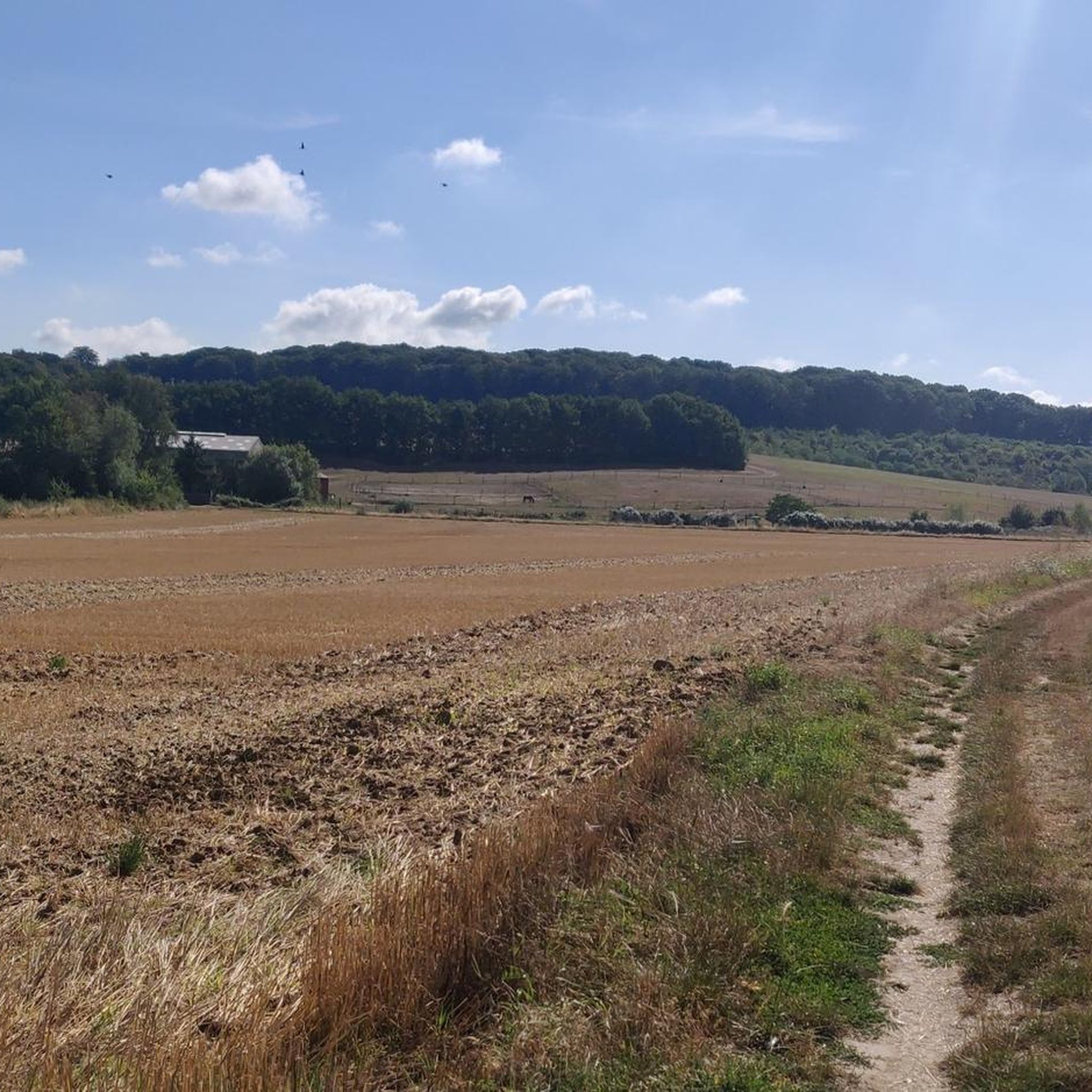

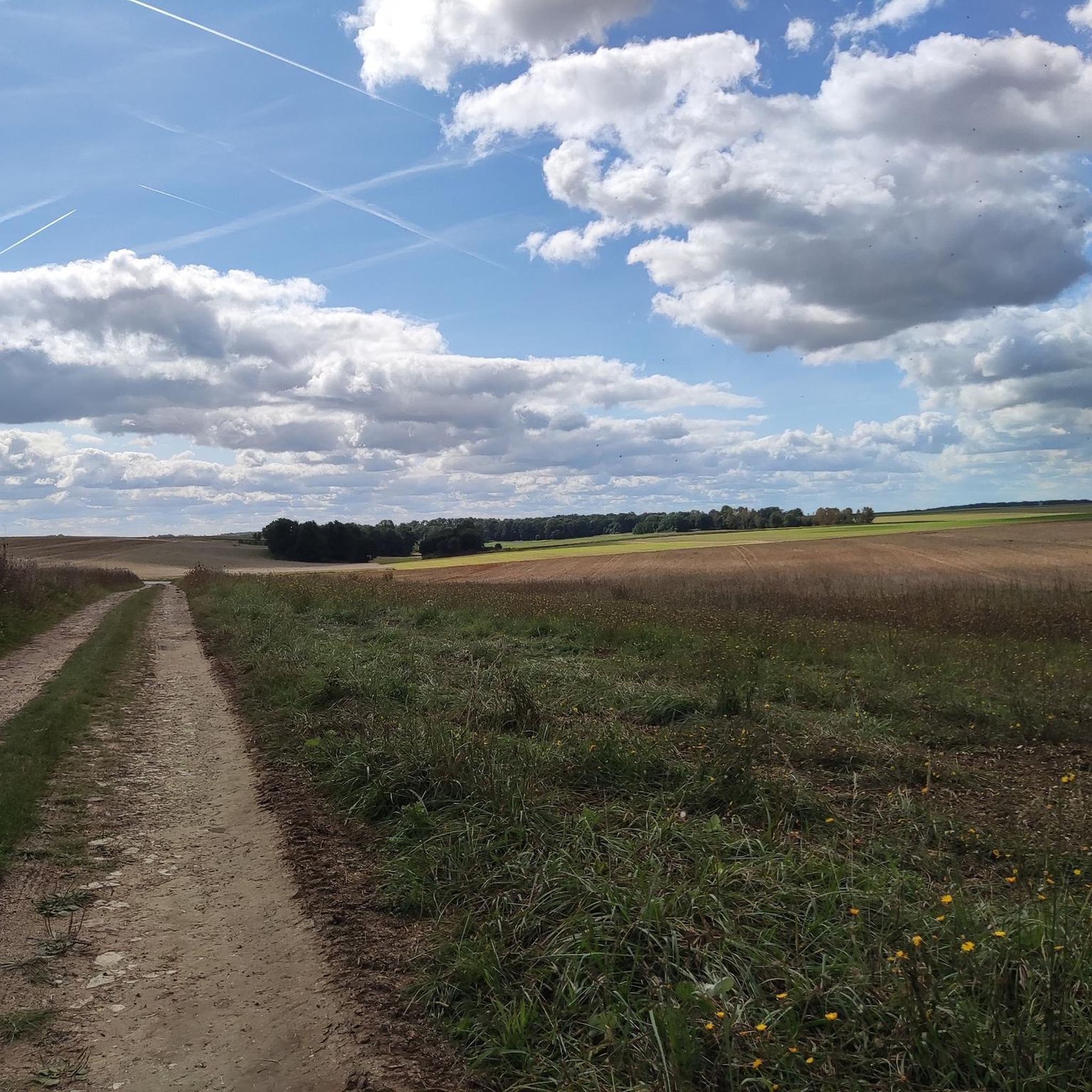

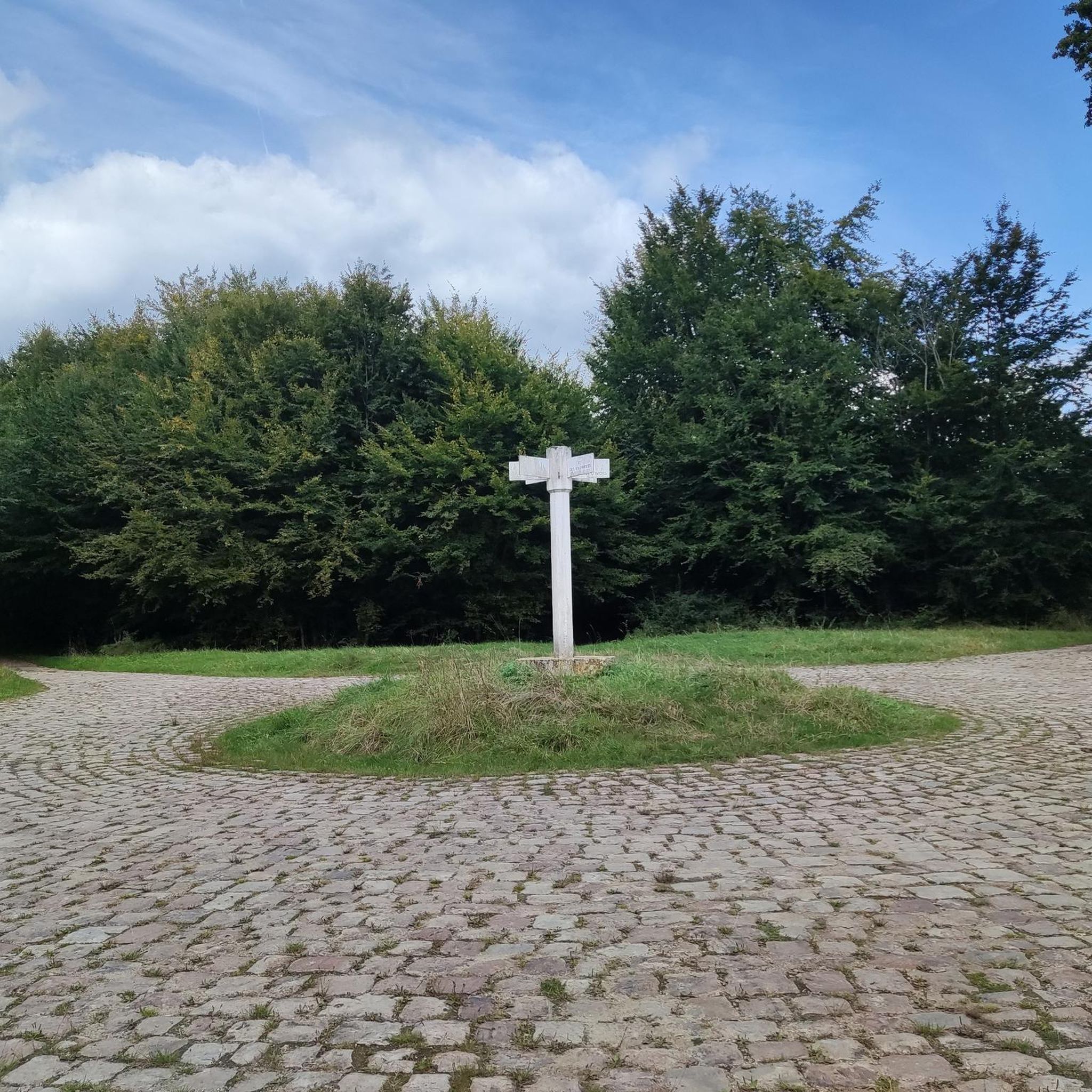
Tips from the Community

The Château de La Ferté-Milon is an unfinished castle in La Ferté-Milon, France. It was commissioned by Louis of Orléans at the end of the 14th century but was never completed due to his death. The castle is known for its long façade and the remains of a gateway, which are now a popular attraction. The castle is a reminder of the grandeur Louis of Orléans envisioned, but also of the ravages of time. It is a popular destination for tourists and history and architecture enthusiasts.
0
0

This asphalt track is great for beginners as well as those looking for speed, whether on foot, by bike, in a stroller or in a wheelchair.
0
0
Nestled on the banks of the Ourcq River, in the shadow of the ruins of the impressive fortress, lies the charming town of La Ferté-Milon. La Ferté-Milon Castle was founded at the end of the 14th century but was never completed due to the assassination of the Duke of Orléans in 1407. Nevertheless, you'll find interesting remains here, such as the impressive façade with its window openings, the machicolations, and the low reliefs, the most remarkable of which depicts the Coronation of the Virgin. Magnificent views over the Ourcq valley can be admired from the castle's forecourt... Other monuments you can visit in La Ferté-Milon include the Saint-Nicolas Church, with its 16th-century stained-glass windows depicting scenes from the life of Christ and a vision of the Apocalypse, and the Church of Our Lady, dating from the 12th to the 16th centuries, where the famous fable writer Jean de La Fontaine married Jean Racine's cousin. Literature enthusiasts should definitely visit the Jean Racine Museum, dedicated to the life and work of the famous playwright, which houses many memorabilia from his paternal grandmother's house, where the writer spent his childhood.
5
0

The towpath that crosses La Ferté Milon is a must. As the section is closed to bicycle traffic, it is a must-see hiking trail, rather than a must-see mountain bike trail; and given the terrain, it would even be more Gravel than mountain bike, if bicycles were allowed to circulate. The Ruins of the Castle is a good place to stop: for the history, the panoramic view and the restaurant.
0
0
While strolling along the Canal de l'Ourcq, you will pass by the Marolles lock with an interesting view of the canal, the lock, an island, the church and the castle. https://aufildelourcq.org/index.php https://fr.wikipedia.org/wiki/Marolles_(Oise)
0
0
On the banks of the Ourcq, the ruins of the castle of La Ferté Milon (this is the facade of the old castle) dominate the city. Started in 1399 on the orders of Louis d'Orléans, Duke of Valois and brother of King Charles VI, this castle should have been the great work of this patron and builder prince. The project was conceived as a response to his castle of Pierrefonds then under construction. But at Pierrefonds Louis d'Orléans had made do with what already existed; at La Ferté-Milon he made a clean sweep of the previous castle and began from scratch the construction of what should have become the most grandiose castle in Western Europe! Alas, in 1407, the assassination of Louis by the partisans of his uncle and sworn enemy John the Fearless, Duke of Burgundy, abruptly interrupted the work. Only one facade was completed. A facade that in itself already constitutes a marvel of 15th century architecture! Despite appearances, the old expression of "castle-fort" does not apply to this colossus intended to be much more of a palace than a defensive site. It is then designed and decorated in such a way as to affirm the wealth, power and faith of one of the greatest lords of his time. https://lafertemilon.fr/fr/rb/795966/le-chateau-ses-remparts
1
0

Along the towpath, the view opens up for a moment onto the church of Mareuil-sur-Ourcq which stands on the other side of the canal. This Gothic-style building was built in three stages starting in the 13th century.
1
0
Located in Coyolles, this former castle of the lords of Fossés was built during the 16th century. This building remains a fine example of a stately home with its enclosure and vegetable garden.
0
0
Frequently Asked Questions
How many touring cycling routes are available around Ormoy-Le-Davien?
There are over 75 touring cycling routes in the Ormoy-Le-Davien area, offering a wide range of options for different skill levels and preferences.
Are there easy touring cycling routes suitable for beginners or families?
Yes, Ormoy-Le-Davien offers several easy routes perfect for beginners or family outings. One excellent option is the Voie verte du Valois loop from Boissy-Lévignen, a 7.1-mile (11.4 km) trail that leads through pleasant green spaces.
What kind of terrain can I expect on touring cycling routes in this region?
The touring cycling routes around Ormoy-Le-Davien primarily traverse gentle river valleys and agricultural plains. You'll also find sections of woodland, with elevation changes ranging from nearly flat to moderately undulating routes with some climbs.
Are there any long-distance touring cycling routes in Ormoy-Le-Davien?
For those seeking longer distances, the region has several options. The Douye Castle – La Ferté-Milon loop from Gondreville is a challenging 50.4-mile (81.1 km) route with significant elevation gain, offering a substantial ride.
What are some challenging routes for experienced touring cyclists?
Experienced touring cyclists will find several difficult routes with notable climbs. Besides the Douye Castle loop, another challenging option is the Le Petit Pont Vert – La Ferté-Milon loop from Ivors, which covers 31.0 miles (49.9 km) and offers scenic views of the local countryside.
What is the best season for touring cycling in Ormoy-Le-Davien?
Given the region's climate, spring, summer, and early autumn generally offer the most pleasant conditions for touring cycling. During these seasons, you can enjoy milder temperatures and the full beauty of the river valleys and woodlands.
Are there circular touring cycling routes available?
Yes, many routes in the area are designed as loops, allowing you to start and finish at the same point. Examples include the Voie verte du Valois loop from Boissy-Lévignen and the longer Marolles lock – Le Petit Pont Vert loop from Vaumoise.
What interesting sights or landmarks can I see along the touring routes?
As you cycle, you can explore various points of interest. Notable attractions include the historic Pondron Church, the ancient Pierre au Coq, and the serene Former Lieu Abbey Restored. Many routes also offer scenic views, such as the View of Mareuil-sur-Ourcq church.
How do other touring cyclists rate the routes in Ormoy-Le-Davien?
The touring cycling routes in Ormoy-Le-Davien are highly regarded by the komoot community, with an average rating of 4.5 stars from over 100 reviews. Cyclists often praise the varied terrain and the well-maintained paths.
Are there any routes that start directly from Ormoy-le-Davien?
Yes, you can find routes that begin directly in the town. For instance, the challenging Marolles lock – Le Petit Pont Vert loop from Ormoy-le-Davien is an 81 km route that starts right from the village.
Are there any greenways or dedicated cycling paths in the area?
Yes, the region features green spaces and dedicated paths. The Pays de Valois Greenway is a notable example, offering a pleasant and often traffic-free cycling experience.
Most popular routes around Ormoy-Le-Davien
Most popular attractions around Ormoy-Le-Davien

Get inspired with the komoot mobile app


Explore more
Browse the best Cycling routes in other regions.
