Attractions and Places To See around Saint-Sulpice-Laurière - Top 20
Best attractions and places to see around Saint-Sulpice-Laurière, a commune in the Haute-Vienne department of Nouvelle-Aquitaine, France, offers a blend of historical sites and natural beauty. The area features charming architecture, serene landscapes, and cultural heritage. Visitors can explore various landmarks and natural features within and around the town. The region provides diverse attractions for those interested in local history and outdoor exploration.
Best attractions and places to see around Saint-Sulpice-Laurière
- The most popular attractions is Châtelus Bridge, a…
Last updated: July 7, 2026
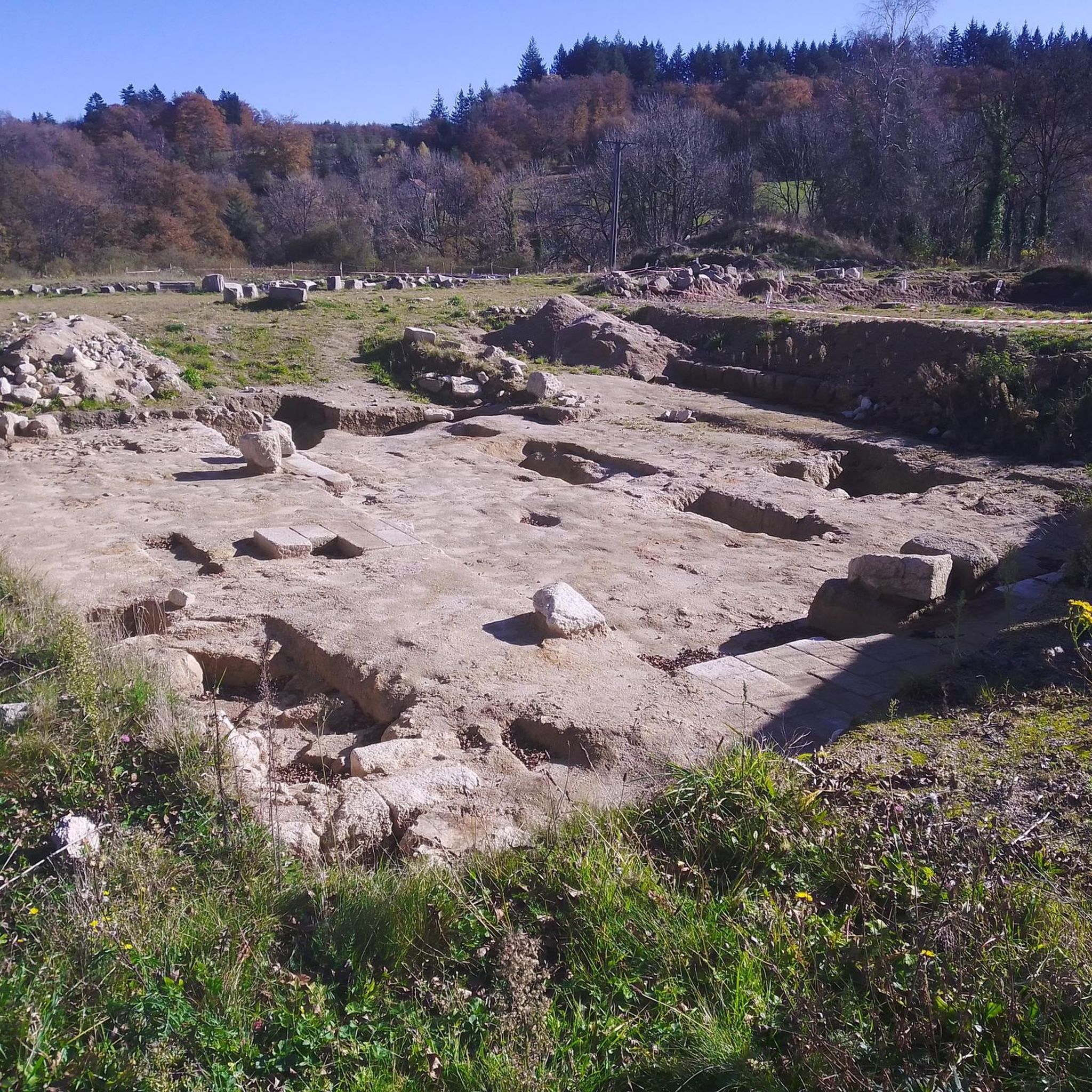
Chapel of Saint-Jean Baptiste de Grandmont
Highlight (Segment) • Other
Translated by Google •
Tip by

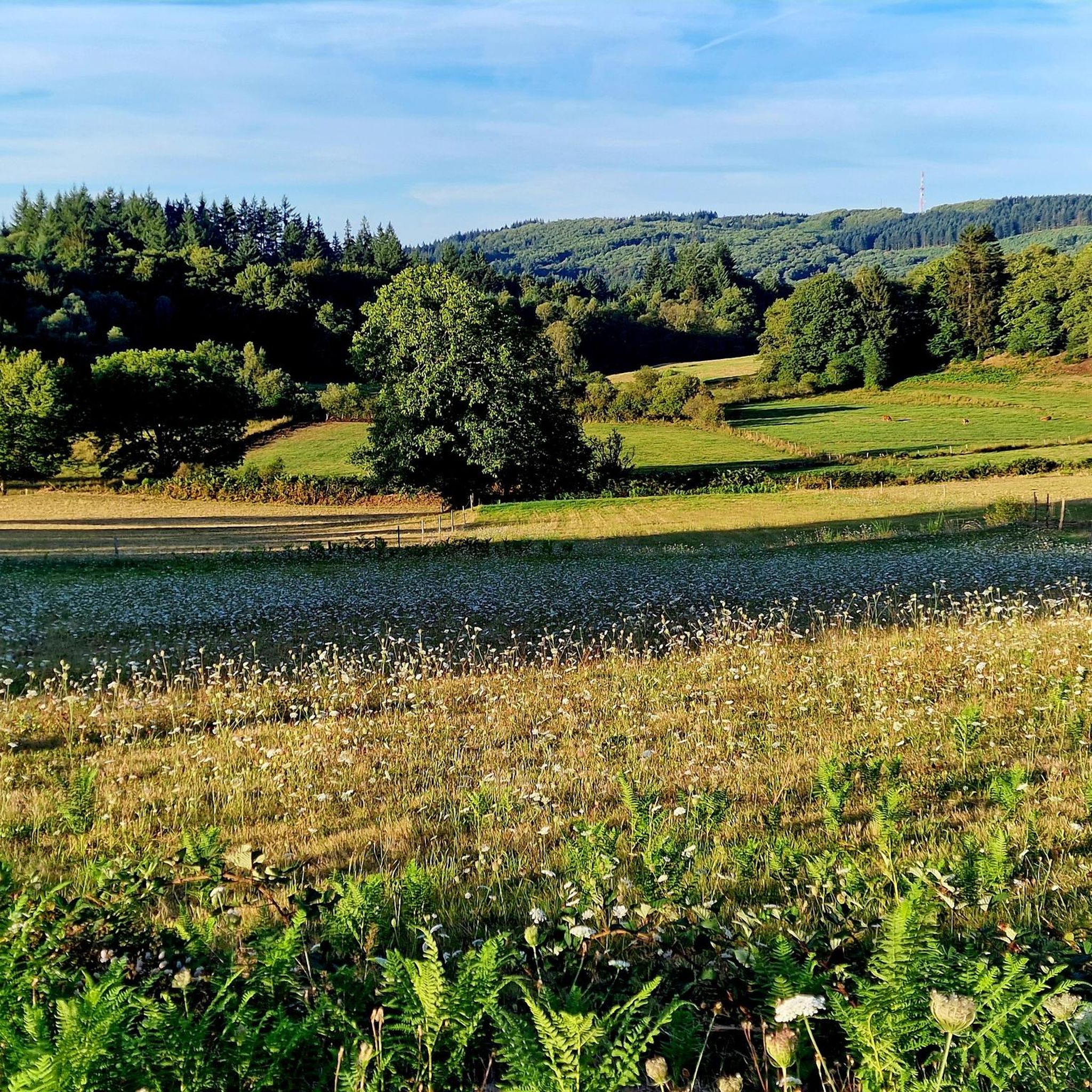
Les Sauvages: The Estate
Highlight (Segment) • Other
Translated by Google •
Tip by

Sign up now to discover places like this
Get recommendations on the best single tracks, peaks, & plenty of other exciting outdoor places.
Sign up for free
Châtelus Bridge
Highlight • Other
Translated by Google •
Tip by

Notre-Dame de Sauvagnac Chapel
Highlight • Religious Site
Translated by Google •
Tip by
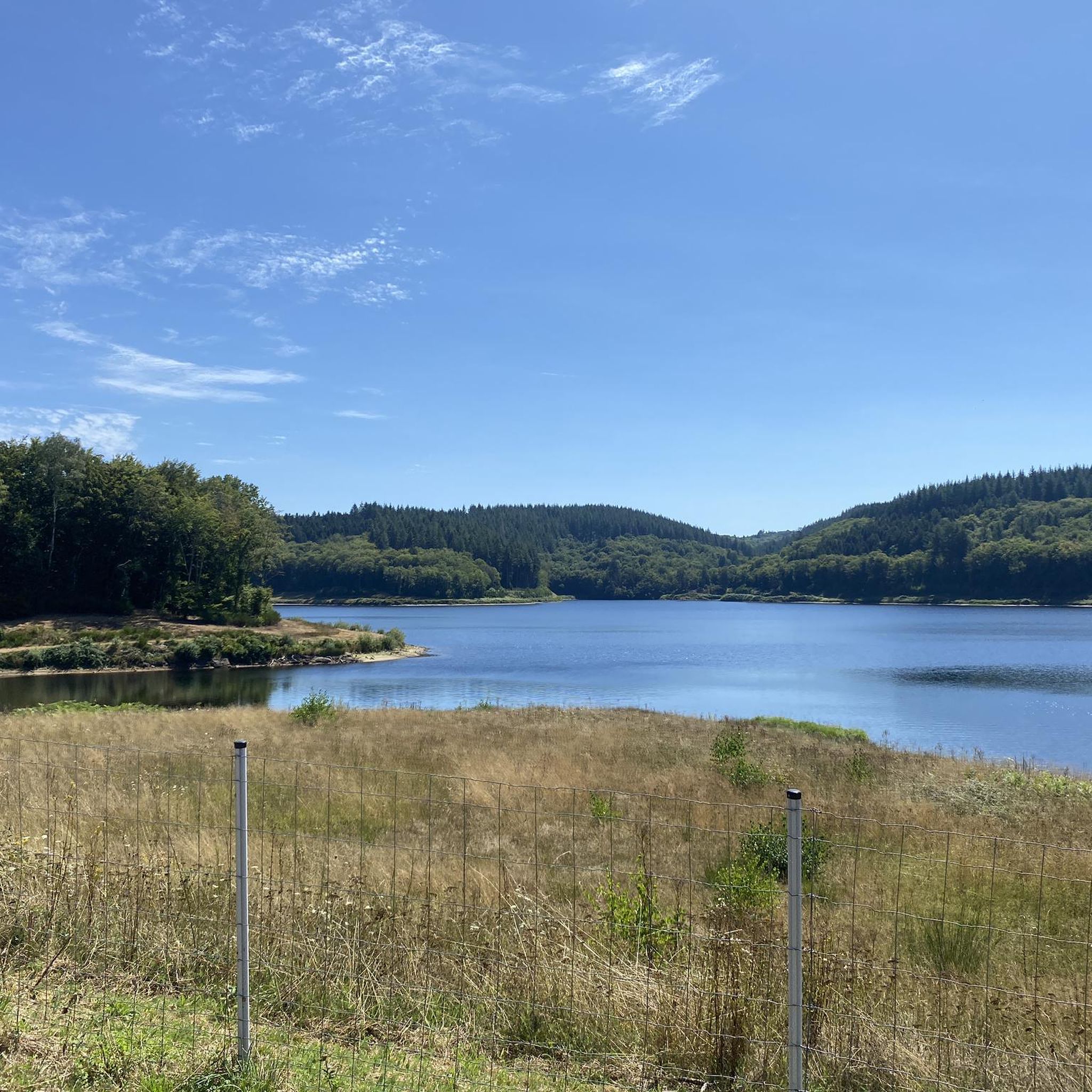
Châtelus-le-Marcheix Beach
Highlight • Beach
Translated by Google •
Tip by

Sign up for free to discover even more attractions around Saint-Sulpice-Laurière.
Sign up for free
Already have an account?
Start today with a free account
Your next adventure awaits.
Login or Signup

Tips from the Community

Pretty flowered bridge with geraniums crossing the Thaurion, a river with copper-brown water.
0
0
(Sandy) beach supervised in summer
0
0
(Sandy) beach supervised in summer.
0
0

This furnished space allows you to enjoy the water during sunny days. Swimming is supervised in July and August from Tuesday to Sunday afternoon. A refreshment bar and the possibility of renting boats, canoes, pedal boats, and paddle boats complete the offer on this leisure base.
1
0

An ideal place to rest, swim and cool off or simply relax on the sandy beach and enjoy the tranquility of the river that passes in front of you.
2
0
An ideal place to rest, swim and refresh or simply relax on the sandy beach and enjoy the tranquility of the river that passes in front of you.
2
0

Grandmont, emblematic village of Limousin. Every time I go there, always discover something, especially while talking. In particular on the excavations of the old Medieval church. The chapel imposes its visit, rarely seen so beautiful. Very simple, the frame is the first thing you notice. The altar, the relic and others do not demerit.
0
0

Saint John the Baptist (Saint Jean Baptiste), to whom this chapel is dedicated, is – like Saint Joseph – a man on the threshold between the Old and the New Testament. His parents are Zechariah and Elizabeth. After the proclamation of God's incarnation, the Mother of God visits her relative Elizabeth, who will give birth to a son in old age, John the Baptist. This is half a year older than Jesus and is considered his forerunner / pioneer. He lives in the desert, preaches the repentance of sins to the Jewish population and baptizes them in the Jordan, where Jesus also comes to be baptized, being filled with the Holy Spirit that descends on him from heaven. The memorial day of John the Baptist (Jean Baptiste) in the calendar of saints is on June 24th, exactly half a year before 'Christmas Eve'.
2
1
Frequently Asked Questions
What historical landmarks can I explore in Saint-Sulpice-Laurière?
The region is rich in history. You can visit the Église Saint-Sulpice, a 13th-century church and classified historical monument, known for its Limousin portal. Another significant site is the Chapel of Saint-Jean Baptiste de Grandmont, dedicated to Saint John the Baptist, where archaeological excavations have revealed old tombs. Don't miss the 11th-century Notre-Dame de Sauvagnac Chapel, showcasing Romanesque architecture.
Are there any natural attractions or scenic spots to visit?
Absolutely. The 80-hectare Les Sauvages: The Estate, classified as Natura 2000, offers picturesque views with an old mill, a dike, and swans on a pond. You can also find the tranquil Étang de la Papeterie sur le Rivalier, a scenic pond often included in local hiking circuits. For unique geological features, seek out La Pierre du Roi and La Pierre du Crapaud, both enormous granite formations steeped in local lore.
What activities are available for families with children?
Families will enjoy the Châtelus-le-Marcheix Beach, a sandy leisure base with supervised swimming during July and August. It also offers refreshment facilities and boat rentals, including canoes, pedal boats, and paddle boats. The nearby Lac de Saint-Pardoux, about 15 km away, is another large leisure lake with various recreational activities suitable for all ages.
Where can I find outdoor routes for cycling or mountain biking?
The area around Saint-Sulpice-Laurière is excellent for cycling. For mountain biking, explore routes like 'Route Number 5 loop from Saint-Léger-la-Montagne' or 'Route no. 1 – Rocking Stone loop'. Road cyclists can tackle longer routes such as 'Le Châtenet-en-Dognon – Saint-Léonard-de-Noblat loop'. For more relaxed touring, consider the 'Bénévent-l'Abbaye – Châtelus Bridge loop'. You can find detailed information and more routes on the MTB Trails, Road Cycling Routes, and Cycling around Saint-Sulpice-Laurière guide pages.
What is unique about the Châtelus Bridge?
The Châtelus Bridge is notable for spanning the Thaurion river and being built directly over an older bridge. This original structure is now submerged due to the Étroit dam, which raised the water level in the river, creating a unique historical and engineering curiosity.
Are there any religious sites besides the chapels?
Yes, in addition to the chapels, you can visit the Église Notre-Dame-de-la-Voie, a 20th-century church built near the Saint-Sulpice-Laurière train station. It houses a statue of the Virgin Mary, which was originally offered after a reported miracle in 1849.
What are some lesser-known points of interest in the area?
Beyond the main attractions, explore La Font-du-Loup, an old fountain-wash house that has been fully restored by local volunteers. The hamlets of Cressac, La Thière, and Le Combeau also preserve traditional agricultural structures like farmyards, stables, and old bread ovens, offering a glimpse into the region's rural heritage.
Can I find traces of ancient history in Saint-Sulpice-Laurière?
Yes, the region has a long history. Traces of Gallo-Roman and medieval occupation can be found near the Chatelard well, after the Col de la Roche, offering insights into the area's past.
What do visitors particularly enjoy about the attractions here?
Visitors appreciate the blend of historical sites and natural beauty. Many enjoy the tranquility and picturesque views at places like Les Sauvages: The Estate, with its swans and ponds. The unique history of the Châtelus Bridge and the serene atmosphere of the ancient chapels also receive positive feedback.
Is there anything interesting about the Saint-Sulpice-Laurière train station?
The Gare de Saint-Sulpice-Laurière is not just a transport hub but also a point of interest in itself. It is known for its distinctive ginkgo biloba tree plantation, adding a touch of natural beauty to the station area.
Are there any nearby towns worth visiting for a day trip?
Yes, several charming towns are within a short distance. Lac de Saint-Pardoux, about 15 km away, is a large leisure lake. La Souterraine, approximately 21 km from Saint-Sulpice-Laurière, is a traditional French town, and Saint-Léonard-de-Noblat, about 23 km away, is known for its medieval houses and collegiate church.
Most popular routes around Saint-Sulpice-Laurière
Most popular attractions around Saint-Sulpice-Laurière

Get inspired with the komoot mobile app


Explore more
Still not found the Highlight you’re looking for? See guides of the top attractions in other regions:
