Attractions and Places To See around La Chapelle-Saint-Quillain - Top 20
Best attractions and places to see around La Chapelle-Saint-Quillain include historical and cultural sites within the commune and a variety of points of interest in the surrounding Haute-Saône department. The area features historical architecture, religious buildings, and natural waterways like La Petite Morte Stream. While the immediate village offers local heritage, the wider region provides numerous options for tourism, including picturesque villages and significant historical complexes.
Best attractions and places to see around La Chapelle-Saint-Quillain
- The most popular attractions is…
Last updated: May 9, 2026
Savoyeux Tunnel
Highlight • Structure
Translated by Google •
Tip by

Ray-sur-Saône washhouse
Highlight • Monument
Tip by

Sign up now to discover places like this
Get recommendations on the best single tracks, peaks, & plenty of other exciting outdoor places.
Sign up for free
Channel tunnel
Highlight • Other
Translated by Google •
Tip by
Harbor
Highlight • Other
Translated by Google •
Tip by
Oiselay-et-Grachaux Village Highlights
Highlight • Settlement
Translated by Google •
Tip by
Sign up for free to discover even more attractions around La Chapelle-Saint-Quillain.
Sign up for free
Already have an account?
Start today with a free account
Your next adventure awaits.
Login or Signup



Tips from the Community

The washhouse with the oval washbasin was built in 1844.
0
0

Parish Church of the Beheading of Saint-Jean-Baptiste (rebuilt at the beginning of the eighteenth century on medieval foundations of the thirteenth century): Latin cross plan; three naves; cross vault; numerous paintings, sculptures.
10
4
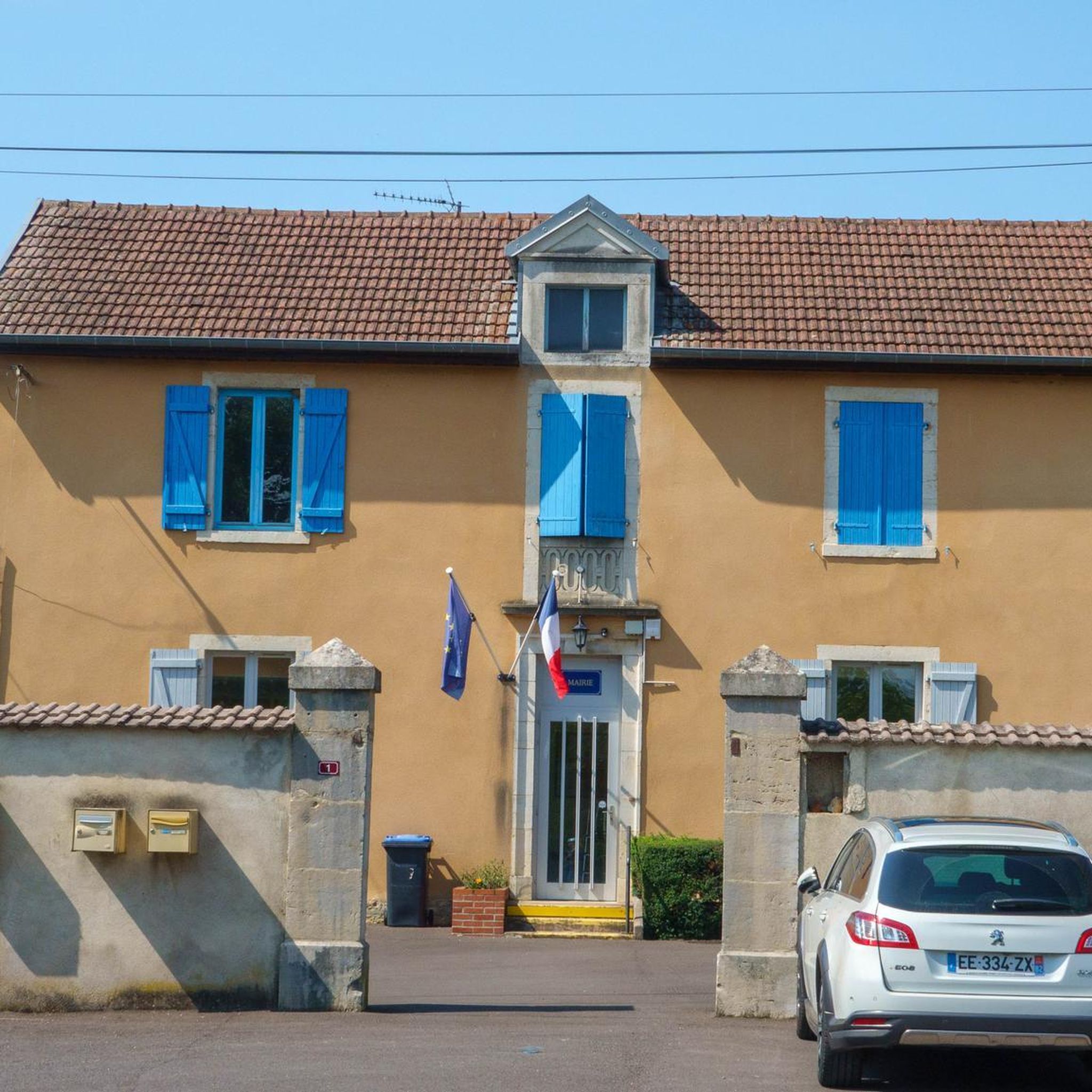
The site of Oiselay-et-Grachaux, the "bird hill", has been inhabited since prehistoric times, as evidenced by the discovery of a Neolithic station. In ancient times, Oiselay was located on the Roman road linking Besançon to Langres. Until the eighteenth century, the Lord of Oiselay ruled the area. Stephen II of Oiselay, head of the younger branch of the House of Burgundy, had a fortified castle built in 1227 AD. * Fontaine-lavoir (xixe siècle) : basin ; borne fontaine ; stone of the waist ; columns. * Chapelle du cimetière recouverte de lierre. * Numbers of old houses and farms. * Croix de chemin du 19th century. * Mairie-school, du 19th century. * Ruins du château-fort were renovated during the twentieth century, dating from the seventh century during the armies of Louis XI and dismantled during Louis
10
4
The Port de Savoyeux is a marina in Savoyeux, a commune in Haute-Saône, France. It is located on the Saône, a river that flows through Burgundy and Franche-Comté. It is a popular spot for water sports, fishing and boat trips. It is also the gateway to the Tunnel de Savoyeux, an underground canal that diverts the Saône between two of its meanders
10
4
The Tunnel de Savoyeux is an underground canal that diverts the Saône between two of its meanders at Savoyeux, in the Haute-Saône, in France. It was completed in 1843 and made it possible to sail the Little Saône to the Saône. It is 642.5 metres long and 6.55 metres wide. It has no path for towing the boats, so the boatmen had to pull the boats with chains attached to the walls of the tunnel. It also has a lock at the end of the tunnel
10
4
This highlight is located on the harbour side!
10
4
The highlight here is taken from the resting point above the exit. There is also a table here.
11
4

The Savoyeux tunnel was built during the July Monarchy, in 1837. It facilitates navigation on the Saône. The dimensions of the work are impressive: 642.5 meters long, and only 6.55 meters wide. It passes under the hill and makes it possible to cut a meander in the river, and to avoid a dam located a little higher up.
0
0
Frequently Asked Questions
What historical and cultural sites can I explore within La Chapelle-Saint-Quillain itself?
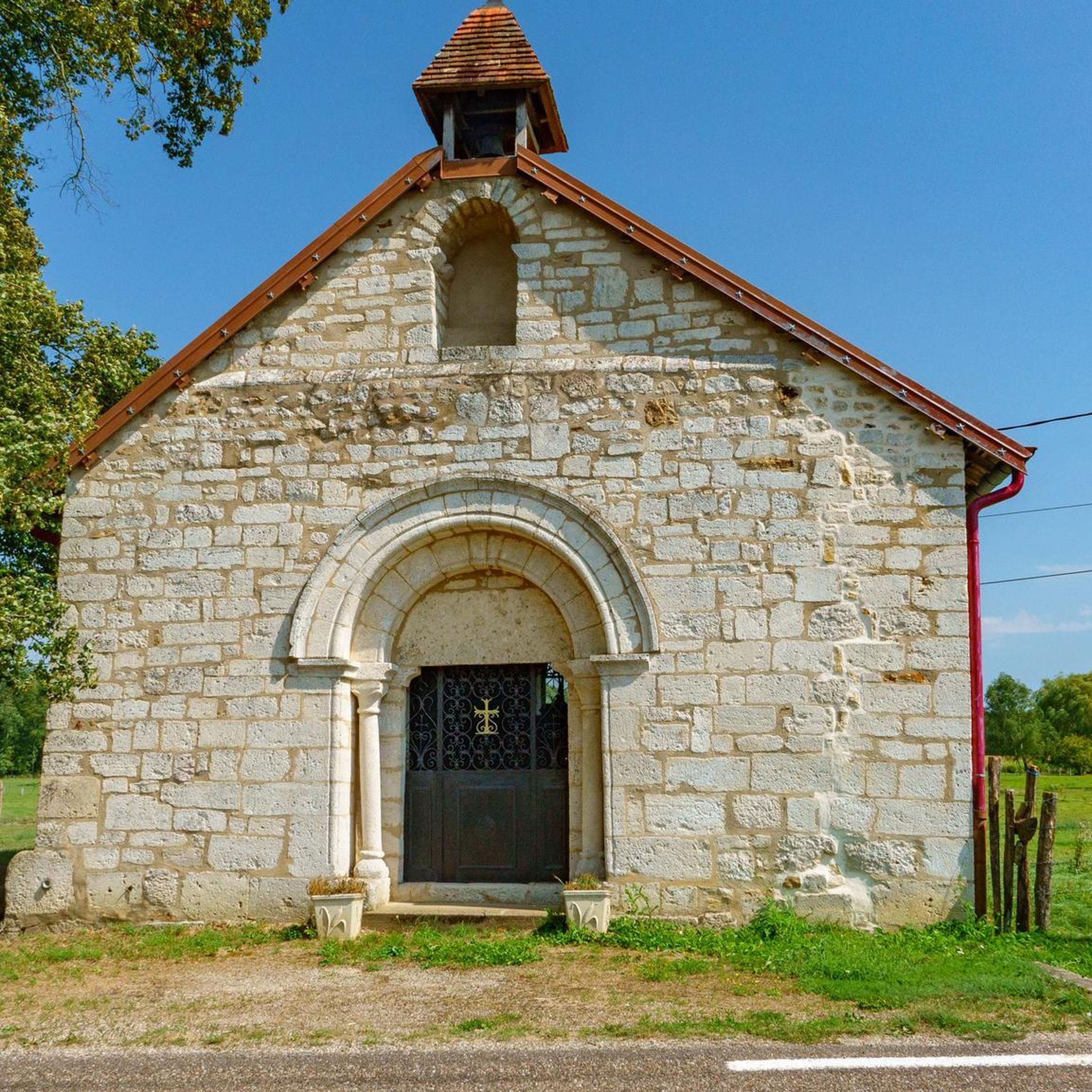
Within the commune, you can visit the Church of the Beheading of Saint John the Baptist, which features a marble and carved wood altar. There's also a Romanesque Chapel in the hamlet of La Madeleine, and a 19th-century Fontaine-Lavoir with stone columns. The area also has numerous old houses, farms, and roadside crosses reflecting its rich history.
Are there any unique man-made attractions in the immediate vicinity?
Yes, a notable man-made attraction is the Savoyeux Tunnel, an underground canal completed in 1843 that diverts the Saône river. It's 642.5 meters long and 6.55 meters wide, facilitating navigation by cutting a meander in the river. Another interesting site is the Ray-sur-Saône washhouse, a historical communal building from 1844 known for its unusual oval basin.
What kind of outdoor activities are available near La Chapelle-Saint-Quillain?
The region offers various outdoor activities. You can find numerous routes for hiking, cycling, and mountain biking. For example, there are moderate hiking trails like the 'Grasslands loop' or 'Gy Castle – Saint-Symphorien Church of Gy loop'. Cyclists can explore routes such as the 'Saint-Albin Canal Tunnel loop' or the 'Ray-sur-Saône washhouse – Saône loop'. Mountain bikers might enjoy the 'Gy Castle – Vincent Cheviet vineyard loop'. You can find more details and routes on the hiking guide, cycling guide, and MTB trails guide for the area.
Are there any family-friendly attractions or activities in the area?
Many of the historical sites, such as the Savoyeux Tunnel and the Ray-sur-Saône washhouse, are considered family-friendly. Exploring the old houses and farms within La Chapelle-Saint-Quillain can also be an engaging activity for families. Additionally, the nearby Harbor in Savoyeux is a popular spot for water sports and boat trips, which can be fun for all ages.
What are some picturesque villages or towns to visit near La Chapelle-Saint-Quillain?
Approximately 29 km away, Pesmes is recognized as one of France's 'Most Beautiful Villages' and is worth a visit for its picturesque charm. The village of Ray-sur-Saône, home to the Ray-sur-Saône washhouse, also offers a taste of Franche-Comté with its medieval castle and charming architecture.
Where can I find scenic viewpoints or natural features?
The Savoyeux Tunnel offers a resting point above its exit that provides a scenic view. Within La Chapelle-Saint-Quillain, the commune is traversed by the stream of La Petite Morte, offering a natural feature to explore. For broader natural beauty, the surrounding region of Haute-Saône provides many opportunities for scenic walks and views along its waterways and countryside.
What are some significant historical landmarks a bit further afield?
About 29 km away, Besançon boasts a citadel with Vauban fortifications, an astronomical clock, and a cathedral. The Royal Saltworks at Arc-et-Senans, a UNESCO World Heritage site, is around 49 km from the commune and offers a fascinating glimpse into industrial history. Further out, Langres (about 56 km) is known for its impressive 3 kilometers of ramparts.
Are there any castles or grand estates to visit nearby?
The village of Ray-sur-Saône is dominated by a medieval castle, which was once the largest fortress in Franche-Comté. While the castle itself can only be visited via guided tours with prior reservation, its presence adds to the historical ambiance of the village. Further afield, Château de Cléron, located about 47 km away, features beautiful gardens next to the Loue river.
What do visitors enjoy most about the attractions around La Chapelle-Saint-Quillain?
Visitors appreciate the blend of historical architecture and natural features. The ingenuity of sites like the Savoyeux Tunnel and the unique design of the Ray-sur-Saône washhouse are often highlighted. The peaceful atmosphere of the local villages and the opportunities for outdoor activities along the Saône river are also popular among the komoot community.
Are there any notable gardens or parks in the surrounding area?
Yes, for those interested in gardens, Parc de l'Etang is a remarkable garden situated about 14 km away. Another notable garden is the Jardin du château du Talmay, approximately 31 km from La Chapelle-Saint-Quillain. Additionally, the Château de Cléron, mentioned earlier, features gardens next to the Loue river.
What is the best time of year to visit La Chapelle-Saint-Quillain and its surrounding attractions?
The spring and summer months (May to September) are generally ideal for visiting La Chapelle-Saint-Quillain. During this period, the weather is pleasant for exploring historical sites, enjoying outdoor activities like hiking and cycling, and visiting gardens. The waterways are also more active for boat trips and water sports.
Most popular routes around La Chapelle-Saint-Quillain

Get inspired with the komoot mobile app


Explore more
Still not found the Highlight you’re looking for? See guides of the top attractions in other regions:
