Attractions and Places To See around Nécy - Top 15
Attractions and places to see around Nécy offer a range of historical landmarks and natural features within the Normandy region. Nécy, a commune in the Orne department, serves as a starting point for exploring nearby towns and landscapes. The area is characterized by its historical significance, including sites related to William the Conqueror, and natural areas like rocky escarpments and forests. Visitors can explore cultural sites and natural viewpoints, providing diverse experiences.
Best attractions and places to see around Nécy
…Last updated: July 7, 2026
William the Conqueror's Castle
Highlight • Castle
Translated by Google •
Tip by

Camp Celtique de Bierre
Highlight • Historical Site
Translated by Google •
Tip by

Sign up now to discover places like this
Get recommendations on the best single tracks, peaks, & plenty of other exciting outdoor places.
Sign up for free
Porte des Cordeliers
Highlight • Monument
Translated by Google •
Tip by
Saint-Roch Chapel
Highlight • Religious Site
Translated by Google •
Tip by

Château de La Fresnaye
Highlight • Castle
Translated by Google •
Tip by
Sign up for free to discover even more attractions around Nécy.
Sign up for free
Already have an account?
Start today with a free account
Your next adventure awaits.
Login or Signup

Tips from the Community

Ancient fortifications which protected the town of Falaise, mainly known as the birthplace of William the Conqueror. Very beautiful and impressive building!
0
0
Castle at Falaise, which is best known for being the birthplace of William the Conqueror
0
0

The Porte des Cordeliers is a medieval gate and one of the remains of the fortified enclosure which surrounded the town of Falaise, birthplace of William the Conqueror. The gate was built in the 13th century and was guarded by Franciscan monks, also known as Cordeliers. You can admire the architecture of the gate and its neighboring tower, as well as the view of the countryside and the Château de Falaise.
2
0

At this point, the hiking trail leads back seven or eight millennia into the history of the European continent and its settlement. The people of that era were able to build amazing buildings using only the work of their hands - and with (from today's perspective) seemingly primitive tools. So this ring wall - partly brick, partly made of stones - that protectively surrounded the "Camp Celtique de Bierre".
3
0
Saint Roch (Saint-ROCH), to whom this chapel is dedicated as patron, was born in Montpellier, France, in the middle of the 14th century. He is popularly considered – along with Saint Sebastian – to be the “plague saint”. What is characteristic of the depiction of Rochus in paintings and as statues is that he usually points to a plague boil on his leg; A dog can often be seen at his feet, because according to legend, when he was caring for plague patients, he himself fell ill with it and retreated into solitude, providing him with bread every day. Saint-ROCH's memorial day in the calendar of saints is August 16th.
0
0
The house was built around 1750. At that time, a beautiful English park with gardens was created. It no longer exists today, but the green space that one crosses to access the house is still a peaceful part of nature to enjoy.
2
0
This fortified site was built in the Middle Neolithic (5300-4400 BC), when agricultural practices were beginning to take hold. The camp is one of the largest in western France.
4
0

City walls and city gates from the 13th century can be seen here
0
0
Frequently Asked Questions
What historical sites can I visit near Nécy?
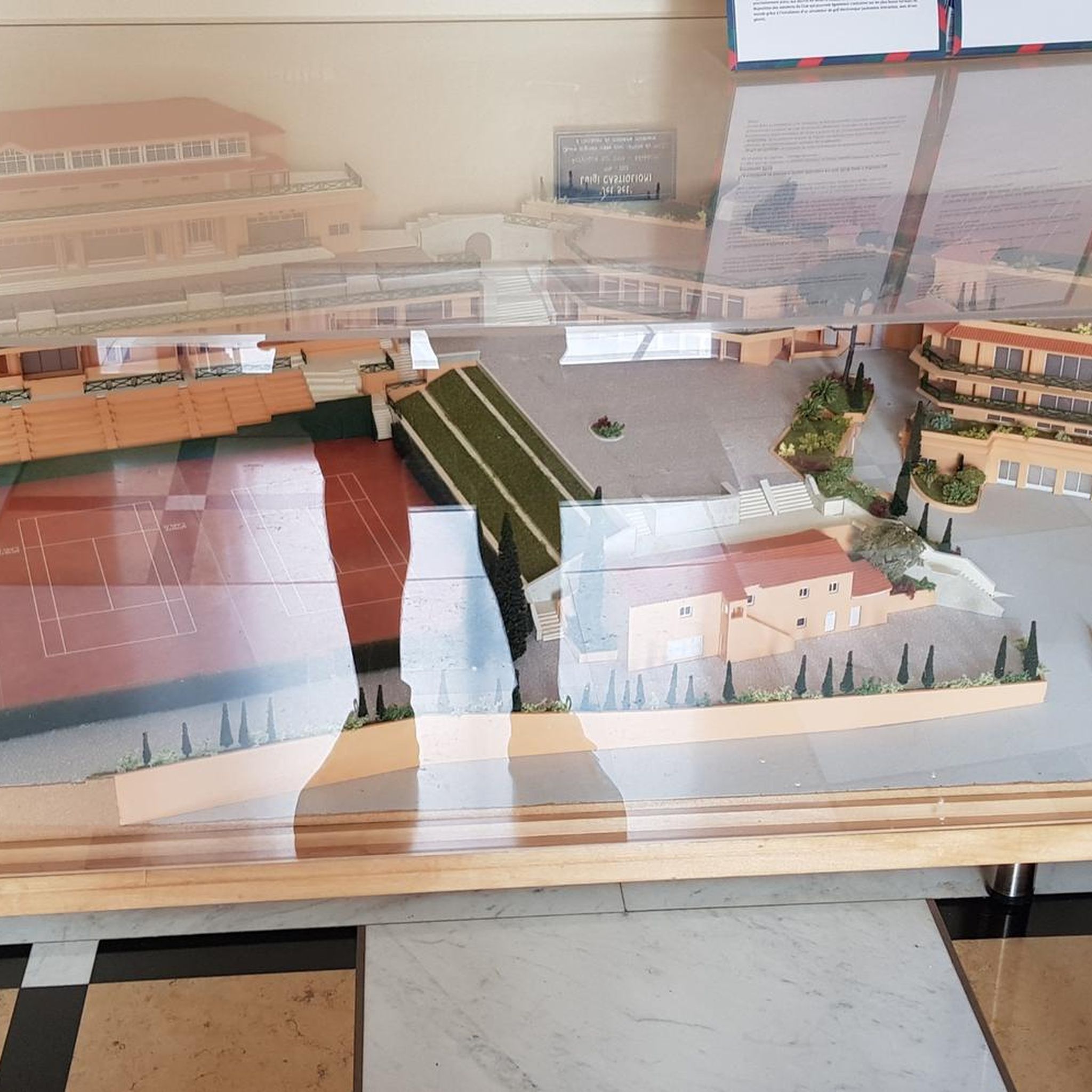
The area around Nécy is rich in history. You can explore the impressive William the Conqueror's Castle in Falaise, which offers 3D impressions of its former interior. Also in Falaise is the Porte des Cordeliers, a 13th-century medieval gate. Further afield, consider the Château de La Fresnaye, a castle built around 1750, or the ancient Camp Celtique de Bierre, a fortified site dating back to the Middle Neolithic period.
Are there any significant medieval landmarks in the area?
Yes, Falaise, located about 9 km northwest of Nécy, is home to significant medieval landmarks. The most prominent is William the Conqueror's Castle, the birthplace of William the Conqueror. You can also see the Porte des Cordeliers, a well-preserved 13th-century gate that was part of Falaise's fortified enclosure.
Where can I learn about ancient history near Nécy?
For a glimpse into ancient history, visit the Camp Celtique de Bierre. This fortified site, one of the largest in western France, dates back to the Middle Neolithic period (5300-4400 BC) and offers insights into early agricultural practices and settlement structures.
What natural viewpoints or landscapes can I explore near Nécy?
You can discover several natural landscapes. The Rochers des Parcs, about 27 km away, offer rocky escarpments with views over the Rouvre gorges. Another emblematic site is La Roche d'Oëtre, a natural belvedere overlooking the Rouvre gorges in Suisse Normande, where you can also learn about local flora and fauna.
Are there forests suitable for outdoor activities?
Yes, the Forêt d'Écouves, located about 35 km from Nécy, is a significant natural site offering opportunities for various outdoor activities. You can also find the Signal d'Écouves within this area.
What hiking opportunities are available around Nécy?
There are several hiking opportunities near Nécy. You can find routes like the easy "Sentier du camp celtique de Bierre" or moderate loops such as "Camp Celtique de Bierre loop from Guêprei" and "Le Vivier loop from Rônai." For more options, explore the Hiking around Nécy guide.
Can I find cycling routes near Nécy?
Yes, the region offers various cycling routes. You can find moderate road cycling tours like the "Cuy Castle – Marguerite Tower loop from Rônai" or the "Saint-Vigor Chapel – Cordeliers Gate loop from La Hoguette." For a comprehensive list of routes, check the Road Cycling Routes around Nécy guide.
Are there family-friendly attractions around Nécy?
Absolutely. William the Conqueror's Castle and the Porte des Cordeliers in Falaise are both considered family-friendly historical sites. Additionally, the Gardens of the Château de Vendeuvre, about 17 km away, offer a pleasant outing for families.
What do visitors particularly enjoy about the attractions near Nécy?
Visitors highly recommend William the Conqueror's Castle for its well-done reconstruction and 3D impressions that provide a good sense of its historical interior. The Porte des Cordeliers is appreciated for its impressive architecture and historical significance as part of Falaise's ancient fortifications.
Are there any unique gardens to visit in the area?
Yes, you can explore the remarkable Gardens of the Château de Vendeuvre, located approximately 17 km from Nécy. Another option is Les Jardins du Pays d'Auge, about 38 km away, which offers a beautiful arboreal setting with several houses.
What cultural experiences related to horses are available?
About 22 km east-southeast of Nécy, you'll find the Haras du Pin, France's oldest national stud farm. Often called the 'Versailles for horses,' it offers a unique cultural experience centered around equestrian heritage.
Are there notable religious buildings to see?
Yes, you can visit the Saint-Roch Chapel, dedicated to Saint Roch, who is popularly considered the 'plague saint.' Further afield, Sées, roughly 33 km southeast of Nécy, is known for its celebrated cathedral.
What is the best time of year to visit Nécy for outdoor activities?
The best time to visit Nécy for outdoor activities is generally during the spring (April to June) and early autumn (September to October). During these periods, the weather is typically mild and pleasant, ideal for hiking, cycling, and exploring the natural landscapes and historical sites without the peak summer crowds or colder winter conditions.
Most popular attractions around Nécy

Get inspired with the komoot mobile app


Explore more
Still not found the Highlight you’re looking for? See guides of the top attractions in other regions:
