Attractions and Places To See around Saint-Julien-Les-Villas - Top 20
Best attractions and places to see around Saint-Julien-Les-Villas include a blend of historical sites, cultural attractions, and natural areas within the Aube department of France. The town is characterized by its green spaces, parks, and proximity to the medieval city of Troyes. Visitors can explore significant historical monuments and enjoy various paths for walking and cycling. The region offers a diverse range of points of interest for those interested in history, culture, and outdoor activities.
Best attractions and places to…
Last updated: July 15, 2026
Cathedral of Saint Peter and Saint Paul in Troyes
Highlight • Other
Translated by Google •
Tip by

Cats' Alley
Highlight • Settlement
Translated by Google •
Tip by
Sign up now to discover places like this
Get recommendations on the best single tracks, peaks, & plenty of other exciting outdoor places.
Sign up for free
Saint-Jean-au-Marché Church
Highlight • Other
Translated by Google •
Tip by

Church of Saint Mary Magdalene, Troyes
Highlight • Religious Site
Translated by Google •
Tip by
Troyes Town Hall
Highlight • Other
Translated by Google •
Tip by
Sign up for free to discover even more attractions around Saint-Julien-Les-Villas.
Sign up for free
Already have an account?
Start today with a free account
Your next adventure awaits.
Login or Signup
Popular around Saint-Julien-Les-Villas

Seine River Trail — A cycling adventure from Dijon to Le Havre
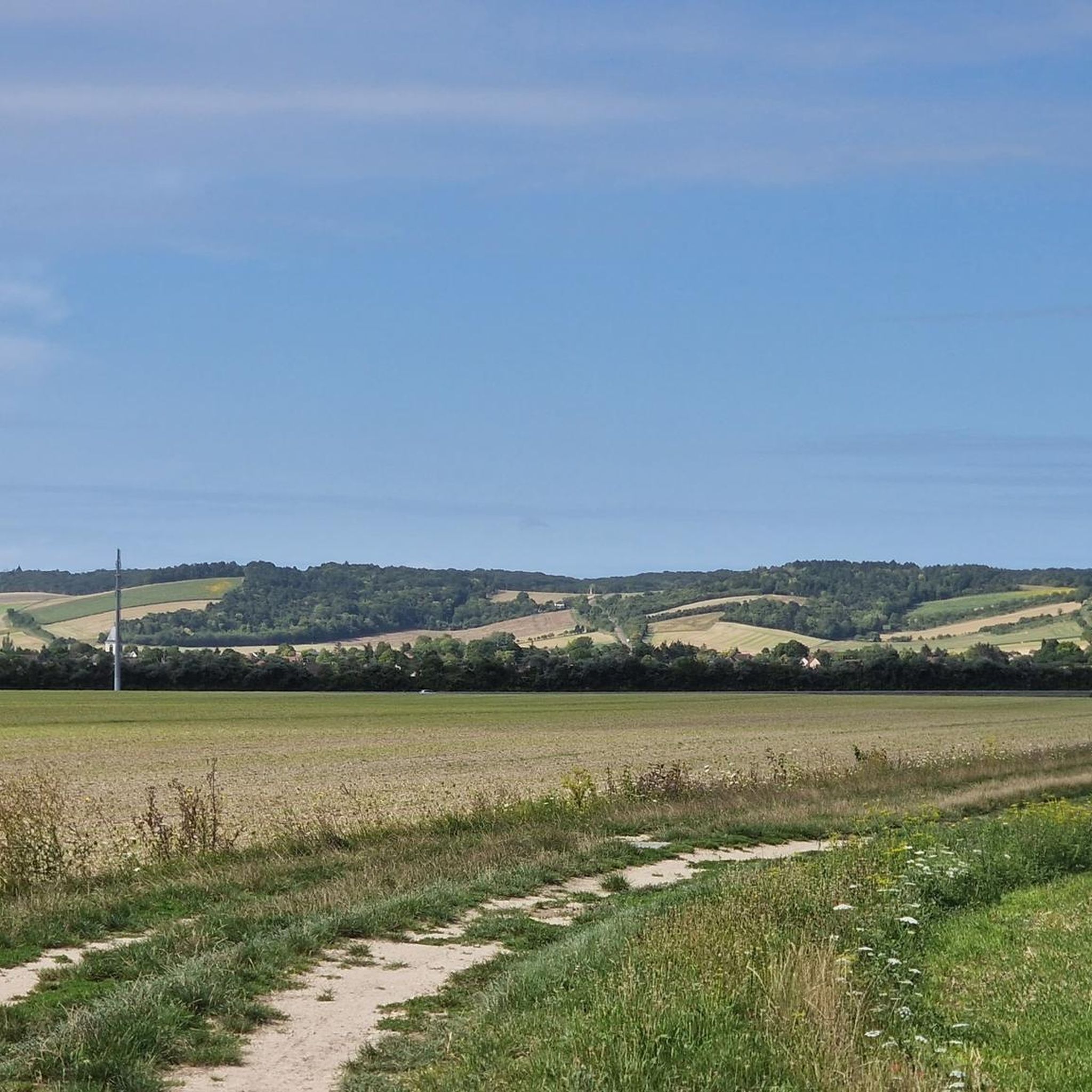
MTB Trails around Saint-Julien-Les-Villas

Gravel biking around Saint-Julien-Les-Villas
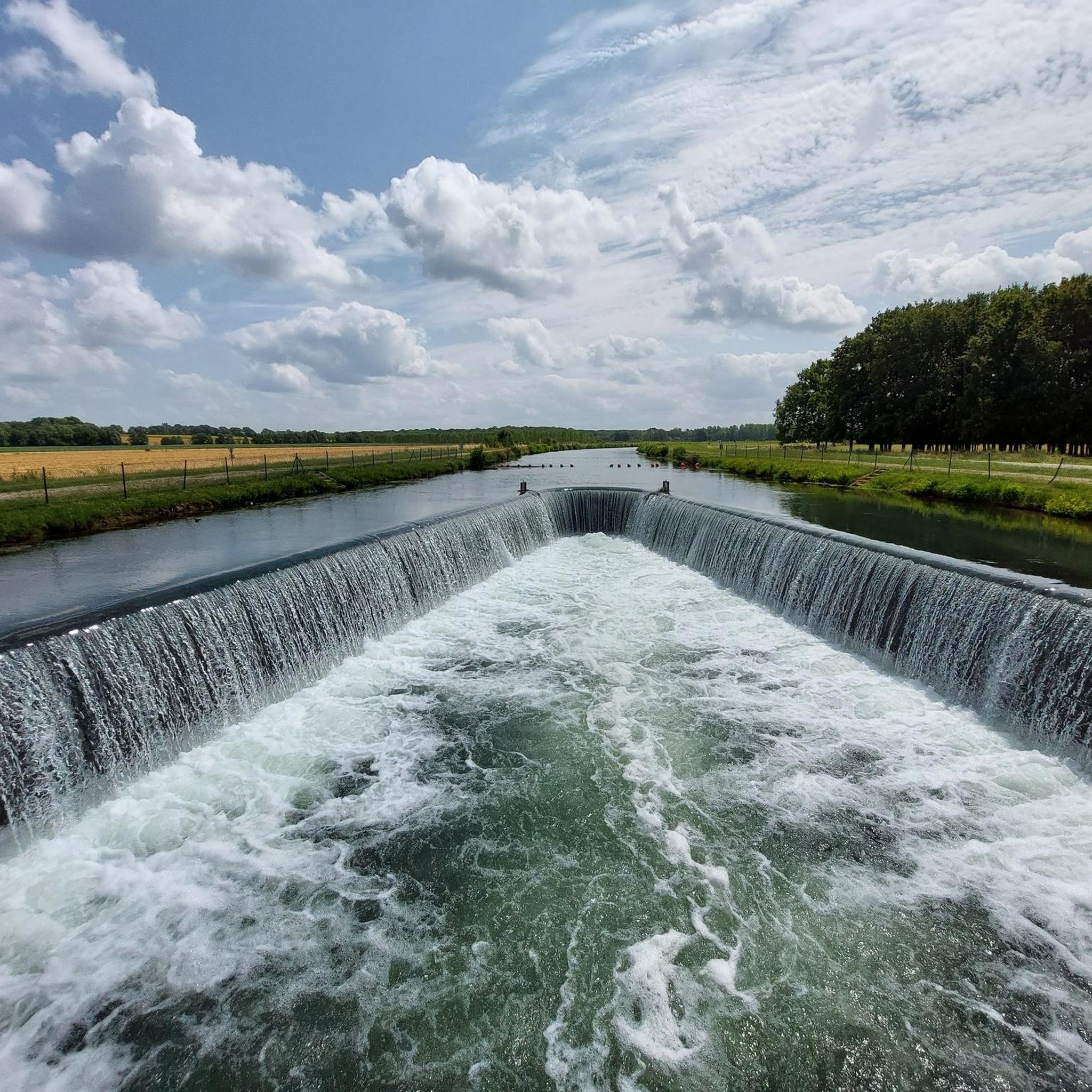
Cycling around Saint-Julien-Les-Villas
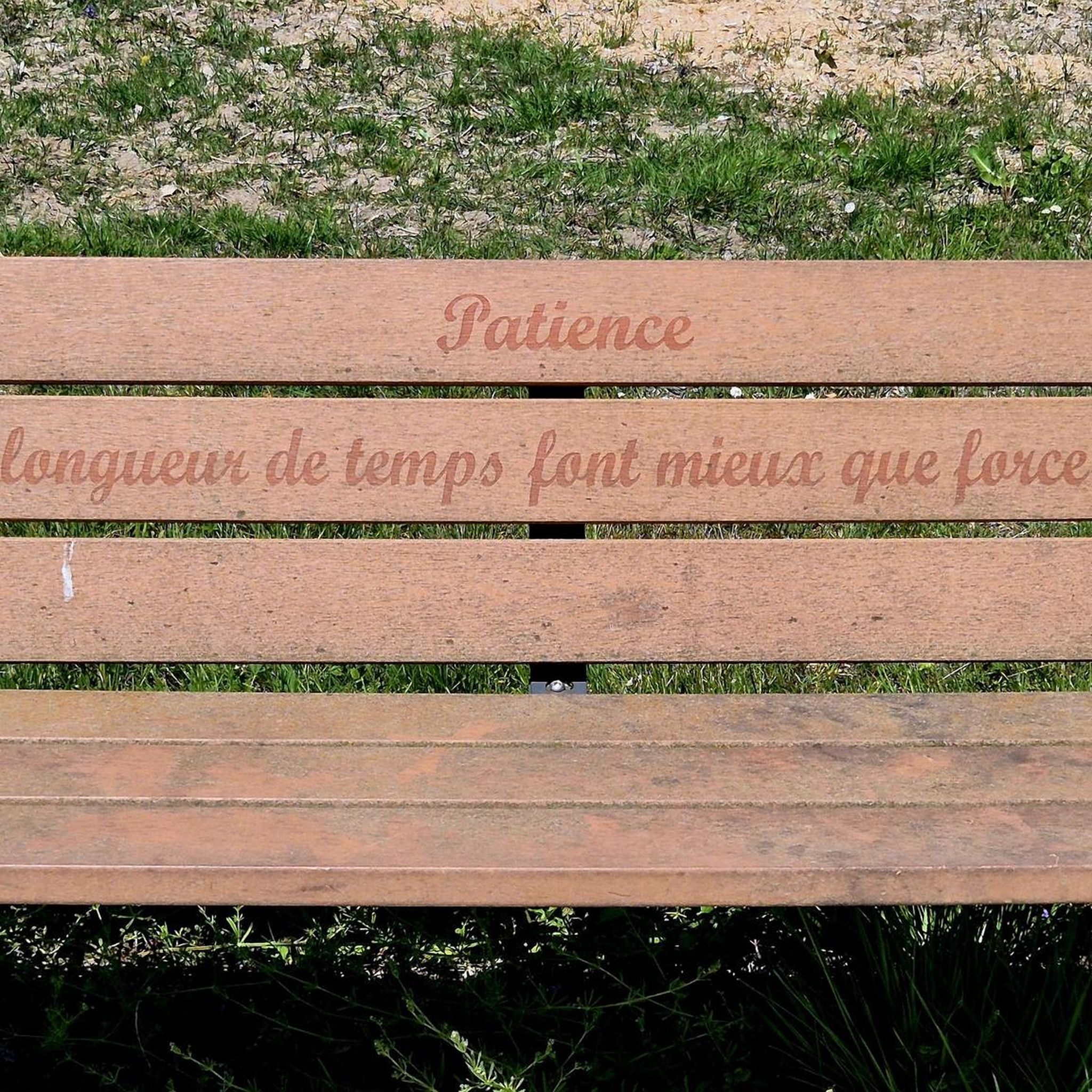
Hiking around Saint-Julien-Les-Villas
Running Trails around Saint-Julien-Les-Villas
Road Cycling Routes around Saint-Julien-Les-Villas
Other adventures around Saint-Julien-Les-Villas

Tips from the Community

Fun facts & legends • In 1789, the police wanted to put up fences because the alley was notorious as a meeting place for lovers. • A local legend tells of a pregnant woman who was miraculously saved when a wall “moved aside” in front of her belly. • The street is also said to have played a role during epidemics: the many cats helped keep rat populations under control. Why visit? • Very photogenic: One of the most photographed places in Troyes – often featured on postcards. • Historic and romantic: Perfect for those who love medieval towns and hidden gems. • Nearby: You’ll also find cozy cafés and a cat café (“Troyes Petits Chats”), plus a pretty courtyard called Cour du Mortier d’Or and the Jardin Juvénal-des-Ursins.
3
0
The Ruelle des Chats, or Cat Alley, is one of the most charming and famous streets in the old town of Troyes, located in the Champagne region of France. ⸻ 🏛️ History & Architecture • Medieval origins: The alley dates back to the 15th century and was rebuilt after a major fire in 1524. • Why the name “Cat Alley”?: The houses are built so that their upper floors almost lean against each other. It is said that a cat could jump from one roof to the other — hence the name. • Typical half-timbering: The street is paved with a gutter in the middle for rainwater, and the houses are half-timbered with wooden beams that stabilize the whole. ⸻ 🌆 Atmosphere & charm • Romantic appearance: The narrow passage and leaning facades create a mysterious, almost fairytale-like atmosphere. • Reconstruction: In 2014, several half-timbered houses were rebuilt based on old prints and photos. • Preserved thanks to heritage protection: In the 1960s, the street was saved from demolition by the efforts of heritage organisations and Minister André Malraux.
3
0
The 12th century Hôtel de Ville is located in the heart of the historic district of Troyes and was built by Pierre Cottard. The building is built in the style of Louis XIII and the façade with the statue of a "helmeted Minerva" has been listed as a monument historique since 1932.
3
0
In 1482, King Louis XII agreed to entrust the management of the city of Troyes to a mayor, assisted by aldermen. These functions were carried out by magistrates or merchants, usually on a voluntary basis. The first mayor of Troyes was Edmond Le Boucherat. Before him, an advisory council sat occasionally in various places in the heart of the city, such as the chapter of Saint-Pierre or the former convent of Cordeliers. In 1479, the council moved out of this aristocratic district to live permanently in the "corps du bouchon" and rented a house near the church of Saint-Urbain, then known as the Chambre de l'Échevinage, which was equipped with a bell to call meetings. In 1494, the city council bought the Hôtel de Mesgrigny, a large building from the 15th century, and in the 17th century decided to build a new city hall. Louis XIII gave permission to use a small part of the income from the tax on wine and salt. The building was therefore built gradually and was not finished until around 1672. In 1933 and 1937, two wings were added to the back by the architect F. Balley. The central facade, with its blue Tournai marble columns, has a niche with a helmeted Minerva, replacing a statue of Louis XIV that was destroyed during the French Revolution. On the monumental mantelpiece in the council chamber, there is still a large wooden medallion with the effigy of this king, sculpted in 1687 by the Trojan François Girardon (1628-1715). Another memorable trace of the Revolution on the facade is the revolutionary motto that was displayed on all French town halls at the time: "Unité, Indivisibilité de la République, Liberté, Égalité, Fraternité ou la Mort" ("Unity, Indivisibility of the Republic, Liberty, Equality, Fraternity or Death").
3
0
Opening hours: High season (1 April–31 Oct): Mon–Sat 09:30–12:30 & 14:00–18:00, Sun 14:00–18:00. Low season (1 Nov–31 Mar): Mon–Sat 09:30–12:30 & 14:00–17:00, Sun 14:00–17:00 troyeslachampagne.com . Free admission. Audio guides available in several languages (€2) .
3
0
The Église Sainte-Madeleine in Troyes is one of the oldest and most remarkable churches in the city. The Église Sainte-Madeleine combines centuries-old Gothic architecture with magnificent 16th-century stained glass windows and a monumental jubé that is one of the few remaining stone rood screens. Perfect for lovers of art history and medieval splendor – a hidden gem in the heart of Troyes.
3
0
This Gothic church was built in the 13th century and rebuilt in the 16th century. It is 77 m long, with a 17.3 m wide nave and a 9 m high aisle. The choir is 24.7 meters wide and 21 meters high. It has three naves and eight bays, the first three dating from the 16th century and the next five from the 13th century. It is the site of an important historical event, as it was in this church that King Henry V of England married Catherine of Valois, daughter of King Charles VI of France and Isabeau of Bavaria. It was partially destroyed, the south and west, by the fire of 1524 and rebuilt after this event. The clock on the eponymous tower dates from 1789. It lost the top of its tower during the night of August 23-24, 1911, when it collapsed onto the buildings on Rue Mignard. The Guillemette bell had been cast in 1524, and the other dated from 1902. The church was weakened and had to be supported by wooden and plaster props on the pillar legs. The building was listed as a historic monument in 1840.[1]
3
0
Troyes Cathedral (in French: Cathédrale Saint-Pierre-et-Saint-Paul de Troyes) is the main religious building in the French city of Troyes. The cathedral is dedicated to the holy apostles Peter and Paul. Construction of the cathedral began in 1208 and was not completed until the 17th century, in the Gothic style. The church is the seat of the bishopric of Troyes in the Roman Catholic Church. In 1420, the cathedral was the solemn meeting place for the signing of the Treaty of Troyes. Nine years later, Joan of Arc visited the cathedral when she accompanied King Charles VII to Reims. The building was protected as immovable heritage and was given the status of a French classified monument historique in 1862.
3
0
Frequently Asked Questions
What historical sites can I visit in Saint-Julien-Les-Villas and nearby Troyes?
In Saint-Julien-Les-Villas, you can visit the Saint-Julien-de-Brioude Church, a significant historical monument rebuilt in the Neo-Gothic style, and the local Maison du Patrimoine, which focuses on heritage research. Just 4 km away in Troyes, explore the impressive Cathedral of Saint Peter and Saint Paul, the historic Cats' Alley, and the Saint-Jean-au-Marché Church, known for its Gothic architecture and historical significance.
Are there any notable churches to visit in the area?
Yes, the region boasts several significant churches. In Saint-Julien-Les-Villas, the Saint-Julien-de-Brioude Church is a central feature, housing beautiful religious art. In nearby Troyes, don't miss the mighty Cathedral of Saint Peter and Saint Paul, the Gothic Saint-Jean-au-Marché Church, and the Church of Saint Mary Magdalene, which is one of the oldest in the city and features a monumental jubé.
What natural attractions and green spaces are there in Saint-Julien-Les-Villas?
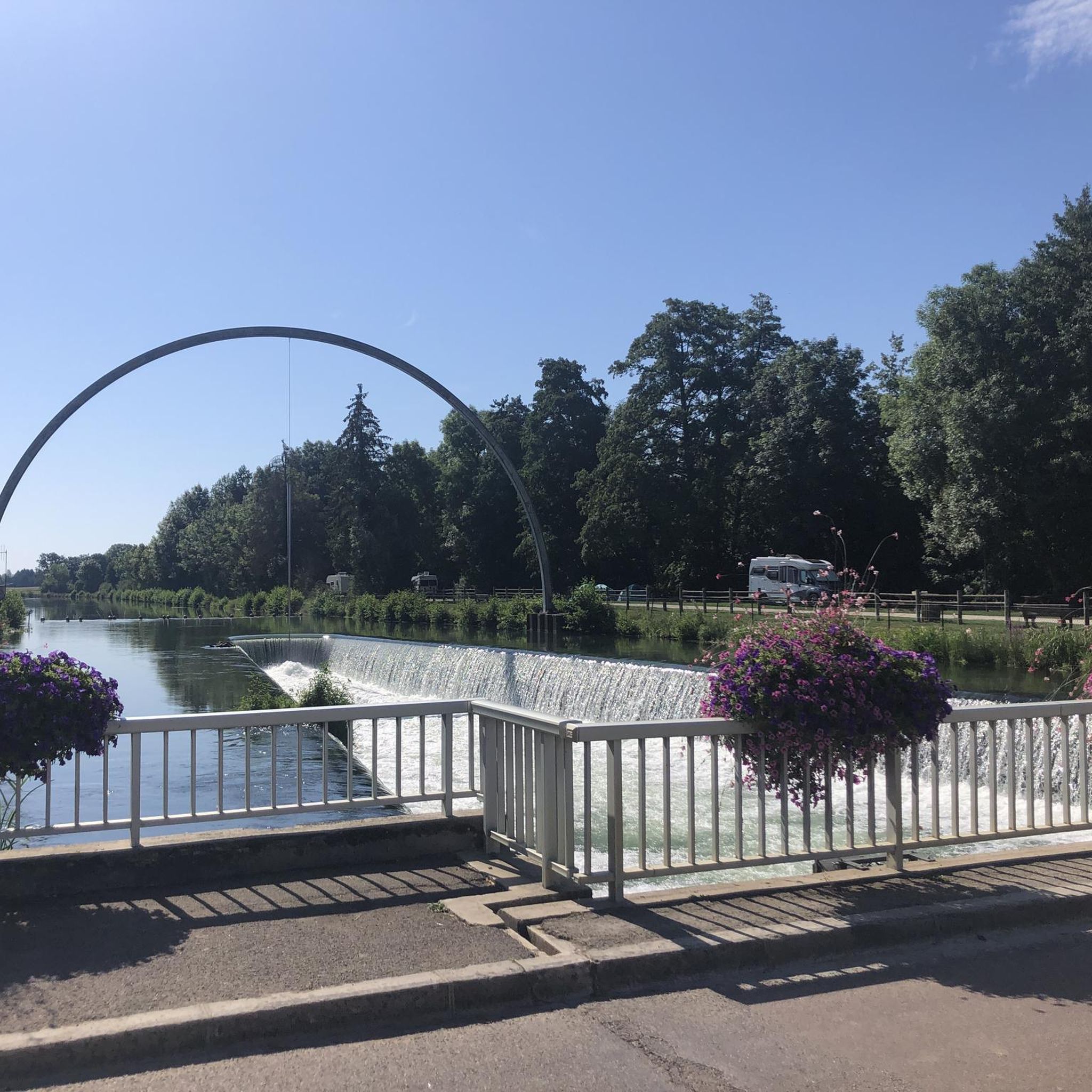
Saint-Julien-Les-Villas is known for its green spaces. You can enjoy the one-hectare Parc de la Moline, which features a wild pond and access to the Foicy dike, perfect for picnics. Along the Seine, the Déversoir de Saint-Julien-les-Villas offers the sound of gushing water. The town also has numerous paths for walking and cycling, parks, and watercourses, contributing to a pleasant natural environment.
Can I find opportunities for walking or cycling near Saint-Julien-Les-Villas?
Absolutely. Saint-Julien-Les-Villas offers numerous paths for walking and cycling. For hiking, you can explore routes like the easy "Patience Bench loop" or the moderate "Digue de Foicy loop." Cyclists can enjoy routes such as the "Lusigny-sur-Barse Spillway – Inlet canal bridge loop" for road cycling or the "Rond-Point du Vouldy – Troyes loop" for gravel biking. You can find more details on these and other routes in the hiking, gravel biking, and road cycling guides for the area.
Are there any family-friendly attractions in the area?
While specific family-focused attractions are not extensively listed, the Church of Saint Mary Magdalene in Troyes is noted as family-friendly. The numerous parks and cycling paths in Saint-Julien-Les-Villas, such as Parc de la Moline, also offer pleasant outdoor spaces for families to enjoy. The nearby Lakes of the Forêt d'Orient provide opportunities for relaxation and holidays, which can be suitable for families.
What are some unique or 'hidden gem' places to explore?
Beyond the main highlights, consider exploring the Cats' Alley in Troyes, a charming and famous street known for its medieval origins and half-timbered houses whose upper floors almost lean against each other. It's a very photogenic spot with a unique atmosphere. The Maison du Patrimoine in Saint-Julien-Les-Villas also offers a deeper dive into the region's history and culture for those interested in local heritage.
What kind of shopping opportunities are available near Saint-Julien-Les-Villas?
Saint-Julien-Les-Villas is home to Marques Avenue, one of Europe's largest factory outlets. This attracts millions of visitors annually, offering a significant commercial draw for those looking for shopping opportunities.
What is the significance of Cats' Alley in Troyes?
The Cats' Alley (Ruelle des Chats) is one of the most charming and famous streets in old Troyes. It's named for its medieval origins and half-timbered houses whose upper floors almost lean against each other, making it seem as though a cat could jump from one roof to another. It's a highly photogenic and historic spot, rebuilt after a major fire in 1524, and preserved thanks to heritage protection efforts.
What is the Maison du Patrimoine?
The Maison du Patrimoine in Saint-Julien-Les-Villas is a local heritage center. Its primary role is to promote university research into heritage, making it a point of interest for anyone keen to delve deeper into the history and culture of the region.
What are the Lakes of the Forêt d'Orient?
The Lakes of the Forêt d'Orient are located nearby Saint-Julien-Les-Villas, within the Natural Park of the Orient Forest. These natural areas are ideal for relaxation and tranquility, offering excellent opportunities for holidays and enjoying nature.
What historical events are associated with Saint-Jean-au-Marché Church?
The Saint-Jean-au-Marché Church in Troyes is notable as the site where King Henry V of England married Catherine of Valois, daughter of King Charles VI of France and Isabeau of Bavaria. This Gothic church, built in the 13th century and rebuilt in the 16th, has a rich history, including partial destruction by fire in 1524 and subsequent reconstruction.
What makes the Cathedral of Saint Peter and Saint Paul in Troyes noteworthy?
The Cathedral of Saint Peter and Saint Paul in Troyes is a mighty main cathedral with a clock tower, begun in the 12th century and finished in the 17th. Despite construction delays due to wars, fire, and storm damage, it stands as an extraordinarily impressive Gothic building. Its five-aisled interior with huge pillars creates a profound sense of scale, and it was the solemn meeting place for the signing of the Treaty of Troyes in 1420.
Most popular routes around Saint-Julien-Les-Villas

Get inspired with the komoot mobile app


Explore more
Still not found the Highlight you’re looking for? See guides of the top attractions in other regions:
