The best cycling routes around Feuges
4.4
(71)
525
riders
33
rides
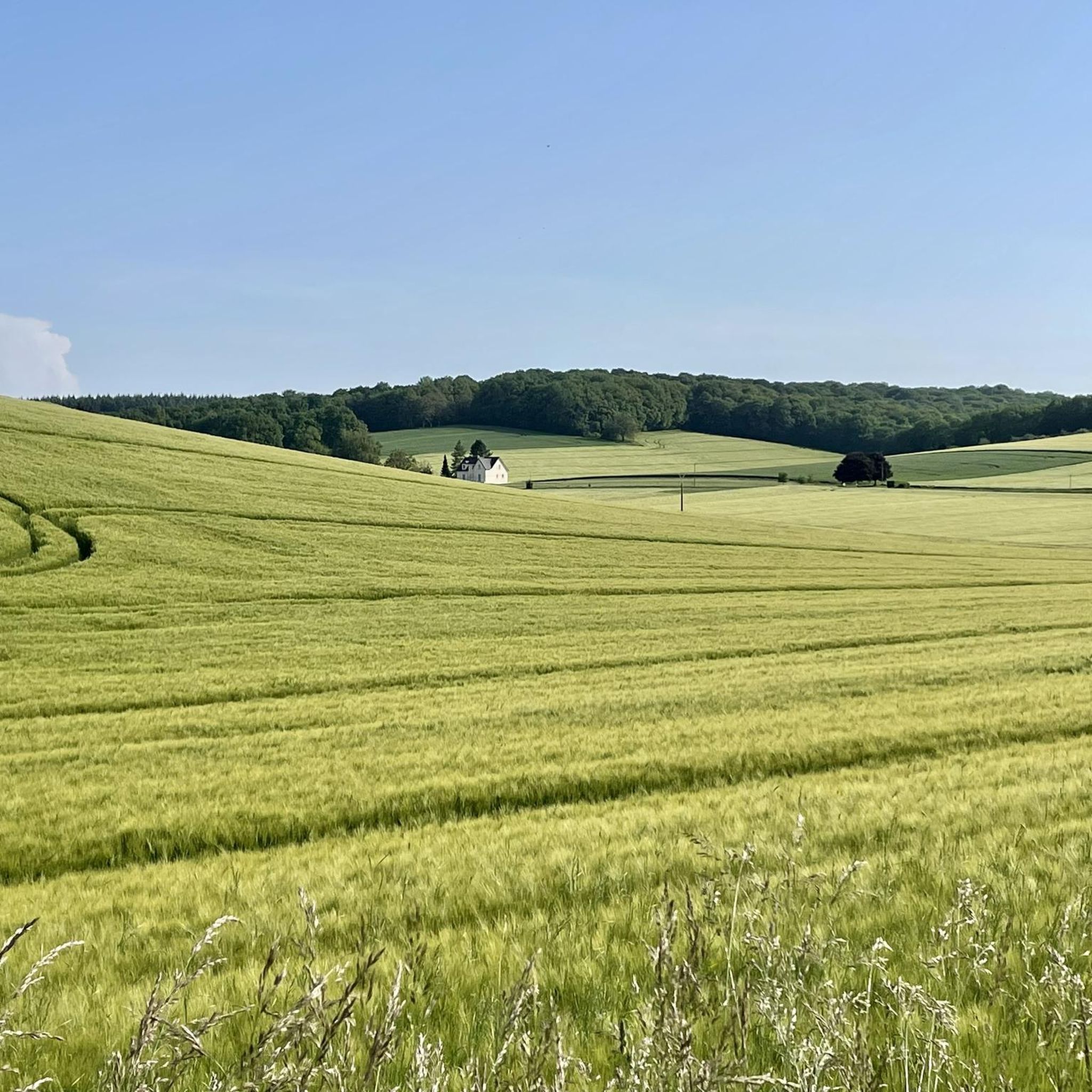
Touring cycling routes around Feuges are characterized by gentle terrain and proximity to the historic city of Troyes. The area features a network of paths, often following waterways or quiet country roads, with minimal elevation changes. This makes the region suitable for relaxed cycling experiences, connecting small towns and natural areas. The landscape primarily consists of open fields, scattered woodlands, and riverine environments.
Best touring cycling routes around Feuges
- The most popular touring cycling route is Historic Center of Troyes…
Last updated: July 5, 2026
4.4
(7)
31
riders
Easy bike ride. Great for any fitness level. Mostly paved surfaces. Suitable for all skill levels.
5.0
(3)
30
riders
Easy bike ride. Great for any fitness level. Mostly paved surfaces. Suitable for all skill levels.

Sign up for free
3.0
(1)
15
riders
5.29km
00:18
10m
10m
Easy bike ride. Great for any fitness level. Mostly paved surfaces. Suitable for all skill levels.
5.0
(1)
15
riders
18.9km
01:06
20m
20m
Easy bike ride. Great for any fitness level. Mostly paved surfaces. Suitable for all skill levels.
5.0
(1)
10
riders
Easy bike ride. Great for any fitness level. Mostly paved surfaces. Suitable for all skill levels.
Get access to more routes and recommendations from other explorers.
Sign up for free
Already have an account?
Our route recommendations are based on thousands of hikes, rides, and runs completed by other people on komoot.
Start today with a free account
Your next adventure awaits.
Login or Signup
Tips from the Community

Sculpture by the Hungarian sculptor Andreas Lapis (2012).
1
0

This Gothic church was built in the 13th century and rebuilt in the 16th century. It is 77 m long, with a 17.3 m wide nave and a 9 m high aisle. The choir is 24.7 meters wide and 21 meters high. It has three naves and eight bays, the first three dating from the 16th century and the next five from the 13th century. It is the site of an important historical event, as it was in this church that King Henry V of England married Catherine of Valois, daughter of King Charles VI of France and Isabeau of Bavaria. It was partially destroyed, the south and west, by the fire of 1524 and rebuilt after this event. The clock on the eponymous tower dates from 1789. It lost the top of its tower during the night of August 23-24, 1911, when it collapsed onto the buildings on Rue Mignard. The Guillemette bell had been cast in 1524, and the other dated from 1902. The church was weakened and had to be supported by wooden and plaster props on the pillar legs. The building was listed as a historic monument in 1840.[1]
3
0
Troyes Cathedral (in French: Cathédrale Saint-Pierre-et-Saint-Paul de Troyes) is the main religious building in the French city of Troyes. The cathedral is dedicated to the holy apostles Peter and Paul. Construction of the cathedral began in 1208 and was not completed until the 17th century, in the Gothic style. The church is the seat of the bishopric of Troyes in the Roman Catholic Church. In 1420, the cathedral was the solemn meeting place for the signing of the Treaty of Troyes. Nine years later, Joan of Arc visited the cathedral when she accompanied King Charles VII to Reims. The building was protected as immovable heritage and was given the status of a French classified monument historique in 1862.
3
0

The impressive Troyes Cathedral was begun in the 12th century and completed in the 17th century. The structure is truly impressive. Don't miss a visit to the interior.
1
0

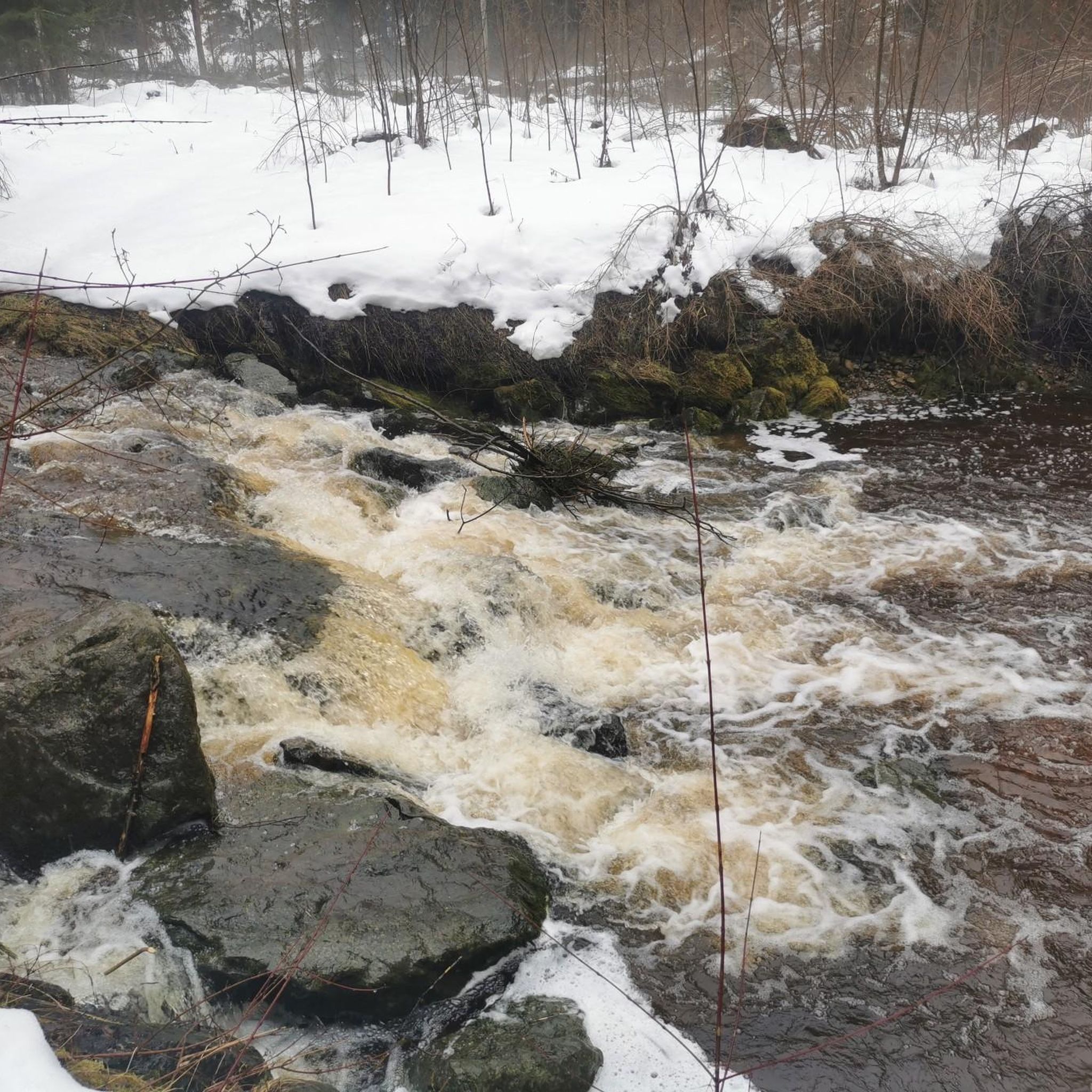
A "chemin de halage", in German "treidelpfad", which runs alongside the waterway right next to the bed of the river or canal, was an indispensable part of the transport infrastructure in earlier times. Before ships could move using motor power, horses ran along the bank and pulled the ship against the current. This was called "treideln", and this is how the "treidelpfads" got their name, which has been passed down to this day. Where these paths directly on the bank have been preserved, they are often used by hikers and cyclists.
0
0
The cathedral in Troyes was dedicated to Saints Peter and Paul (SAINTS PIERRE et PAUL), also known as the "Prince of the Apostles." Their common feast day in the calendar of saints is June 29th. * Simon, nicknamed Peter (Rock), was a fisherman on the Sea of Galilee when he, along with his brother Andrew, was called by Jesus Christ to be a "fisher of men." According to Catholic understanding, he is the highest apostle, and the two-millennia-long line of popes—currently Francis—follows his succession. In statues and paintings, Peter is almost always depicted with two keys in his hand; this attribute refers to the biblical passage in Matthew: "I will give you the keys of the kingdom of heaven; whatever you bind on earth will be bound in heaven, and whatever you loose on earth will be loosed in heaven." (Chapter 16, Verse 19). * Paul was initially an opponent of the Christian movement and, unlike the other apostles, was not called to the apostleship by Jesus Christ during his lifetime. Instead, he was converted later with the famous "Damascus Experience." His attribute is the sword with which he was executed. According to Roman law at the time, such a sentence was a "privilege" (a quick death, not a long, painful death struggle like other forms of execution) reserved for the citizens of Rome.
3
1

Troyer is famous for its half-timbered houses. Some of these houses are incredibly crooked. You have to see them! A feast for the eyes!
1
0
The quarter-hour chime is very, very unusual. This is due to the very old bells that strike it. Where are you from? - I'm from Troyes. What do people do there? - They ring the bells there: This saying was true throughout France for six centuries! Source: https://www.jschweitzer.fr/la-religion/les-cloches/
1
1
Frequently Asked Questions
How many touring cycling routes are available around Feuges?
There are over 35 touring cycling routes around Feuges. The majority, about 25, are classified as easy, making them accessible for many cyclists. Additionally, there are 10 moderate routes and one more challenging option for experienced riders.
What kind of terrain can I expect on touring cycling routes near Feuges?
The touring cycling routes around Feuges are generally characterized by gentle terrain and minimal elevation changes. You'll primarily cycle on quiet country roads, canal paths, and routes that connect to the historic city of Troyes. The landscape features open fields, scattered woodlands, and riverine environments, offering a relaxed and scenic experience.
Are there family-friendly touring cycling routes around Feuges?
Yes, Feuges offers many family-friendly options due to its gentle terrain and minimal elevation. Routes like the Beautiful half-timbered houses – Historic Center of Troyes loop from Pont-Sainte-Marie, which is 6.8 miles (10.9 km) long, are ideal for families looking for a relaxed ride through scenic areas with historic architecture.
What can I see along the touring cycling routes around Feuges?
Many routes will lead you towards the historic city of Troyes, where you can explore significant landmarks. Notable attractions include the impressive Cathedral of Saint Peter and Saint Paul in Troyes, the charming Cats' Alley, and the historic Church of Saint Mary Magdalene. These offer a blend of natural beauty and cultural exploration.
Are there any circular touring cycling routes in the Feuges area?
Yes, many of the touring cycling routes around Feuges are designed as loops, allowing you to start and end in the same location. An example is the Historic Center of Troyes – Old half-timbered houses loop from Barberey-Saint-Sulpice, an easy 12.3-mile (19.8 km) route that provides a convenient circular journey.
What do other touring cyclists enjoy most about cycling in Feuges?
The touring cycling routes in Feuges are highly rated by the komoot community, with an average score of 4.5 stars. Cyclists often praise the quiet country roads, the picturesque views of historic architecture, and the gentle, accessible terrain that makes for a relaxing ride. Over 390 touring cyclists have already explored the area using komoot.
Is it possible to find cafes or restaurants along the cycling routes near Feuges?
While specific cafes are not listed for every route, many paths connect to or pass through small towns and the city of Troyes. For instance, the Café de l'Écluse No. 8 – Historic Center of Troyes loop from Saint-Lyé suggests that amenities like cafes are available, especially in more populated areas or near canal locks.
What is the best time of year to go touring cycling around Feuges?
Given the region's characteristics of open fields and riverine environments, spring and autumn are generally ideal for touring cycling. The weather is typically mild, and the natural scenery is vibrant. Summer can also be pleasant, but it's advisable to start earlier in the day to avoid the midday heat.
Are there any routes that offer a bit more challenge for experienced touring cyclists?
While most routes are easy to moderate, there are options for those seeking a longer ride. The Bois de Belley loop from Pont-Sainte-Marie, for example, is an easy 20.6-mile (33.2 km) route with a bit more distance, offering a good workout while still enjoying the gentle landscape.
Are there any specific permits required for cycling on the trails around Feuges?
No, there are no specific permits required for touring cycling on the public roads, canal paths, or designated cycling routes around Feuges. You are free to explore the area's network of paths at your leisure.
Can I access the cycling routes around Feuges using public transport?
While specific public transport connections directly to Feuges for cyclists are not detailed, the region's proximity to Troyes suggests that public transport options to Troyes might be available. From Troyes, you can often connect to the various cycling routes that radiate from the city or its surrounding towns.
Where can I park my car if I want to cycle around Feuges?
Many of the touring cycling routes around Feuges are loops that start from towns like Barberey-Saint-Sulpice, Saint-Lyé, or Pont-Sainte-Marie. These towns typically offer public parking facilities where you can leave your car before embarking on your ride. It's always a good idea to check local signage for specific parking regulations.
Most popular attractions around Feuges

Get inspired with the komoot mobile app


Explore more
Browse the best Cycling routes in other regions.
