The 6 Most Amazing Peaks around Mollégès
Best mountain peaks around Mollégès are found within the nearby Alpilles mountain range, situated at the northern edge of this picturesque region in southern France. Mollégès itself is a village with low elevation, but it serves as a gateway to the craggy, rocky Alpilles. This range features a distinct limestone landscape and Mediterranean flora, offering panoramic views. The Alpilles are part of a Regional Natural Park, preserving its natural beauty.
Best mountain peaks around Mollégès
- The most popular mountain peaks…
Last updated: May 1, 2026
Les Opies
Highlight • Summit
Translated by Google •
Tip by

Mount Gaussier
Highlight • Summit
Translated by Google •
Tip by
Sign up now to discover places like this
Get recommendations on the best single tracks, peaks, & plenty of other exciting outdoor places.
Sign up for free
Panoramic view from the watchtower at Les Baux
Highlight • Viewpoint
Translated by Google •
Tip by

View of the Vineyard and Pas de Suisse
Highlight • Viewpoint
Translated by Google •
Tip by

Baux Watchtower
Highlight • Monument
Translated by Google •
Tip by

Sign up for free to discover even more peaks around Mollégès.
Sign up for free
Already have an account?
Start today with a free account
Your next adventure awaits.
Login or Signup
Tips from the Community

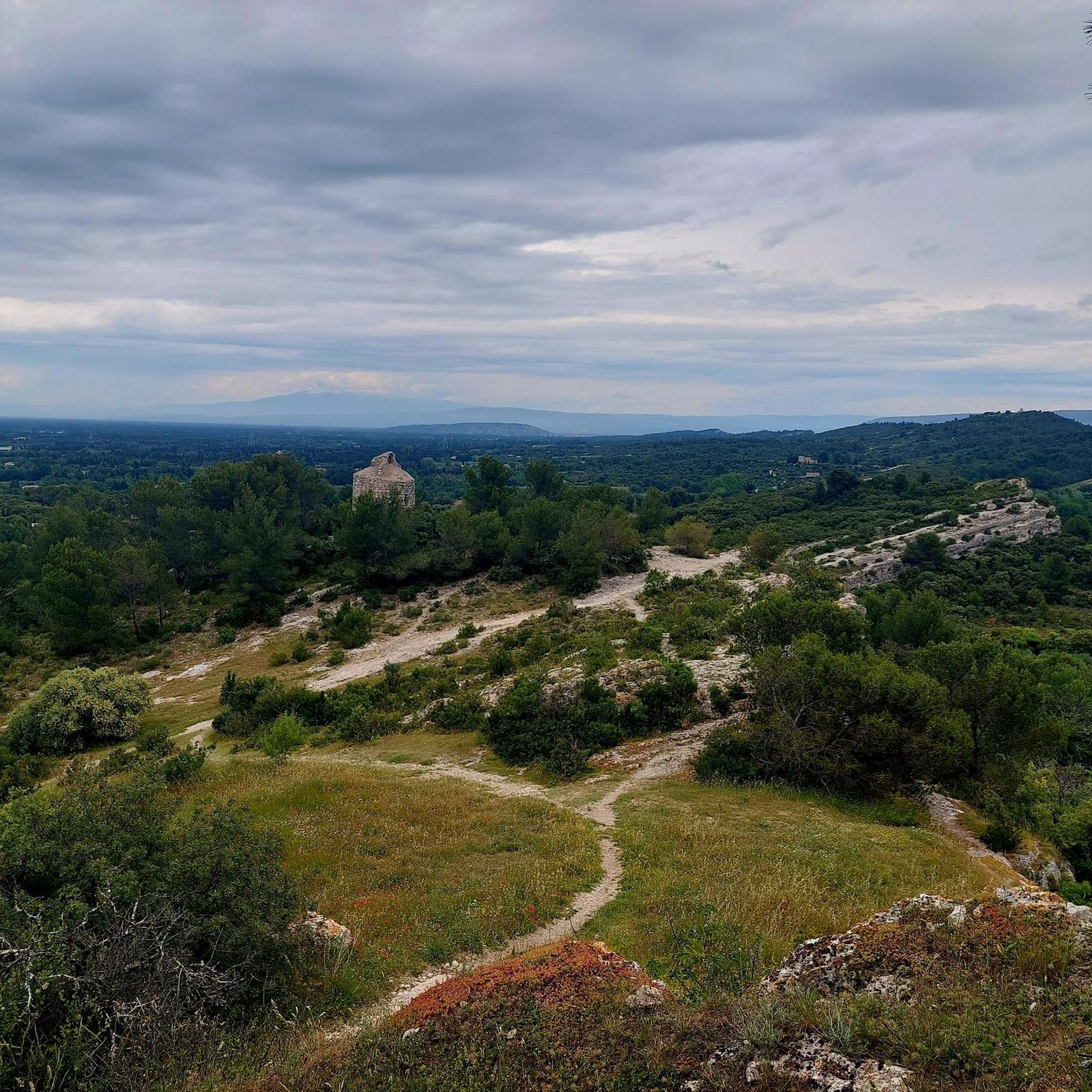
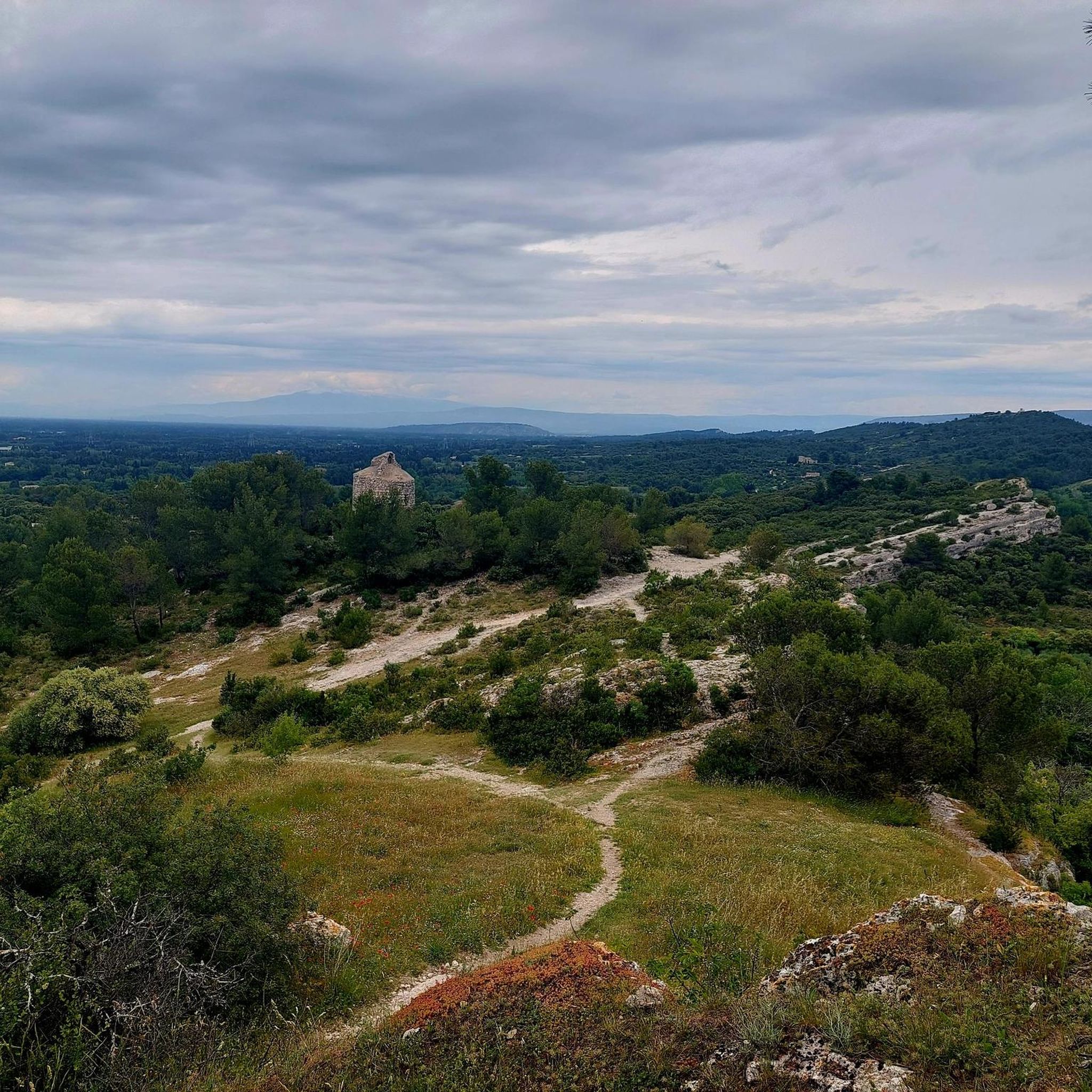
A breathtaking view of the Alpilles
0
0


Absolutely impressive rock peak with a small cave, a deep shaft and great views
0
1

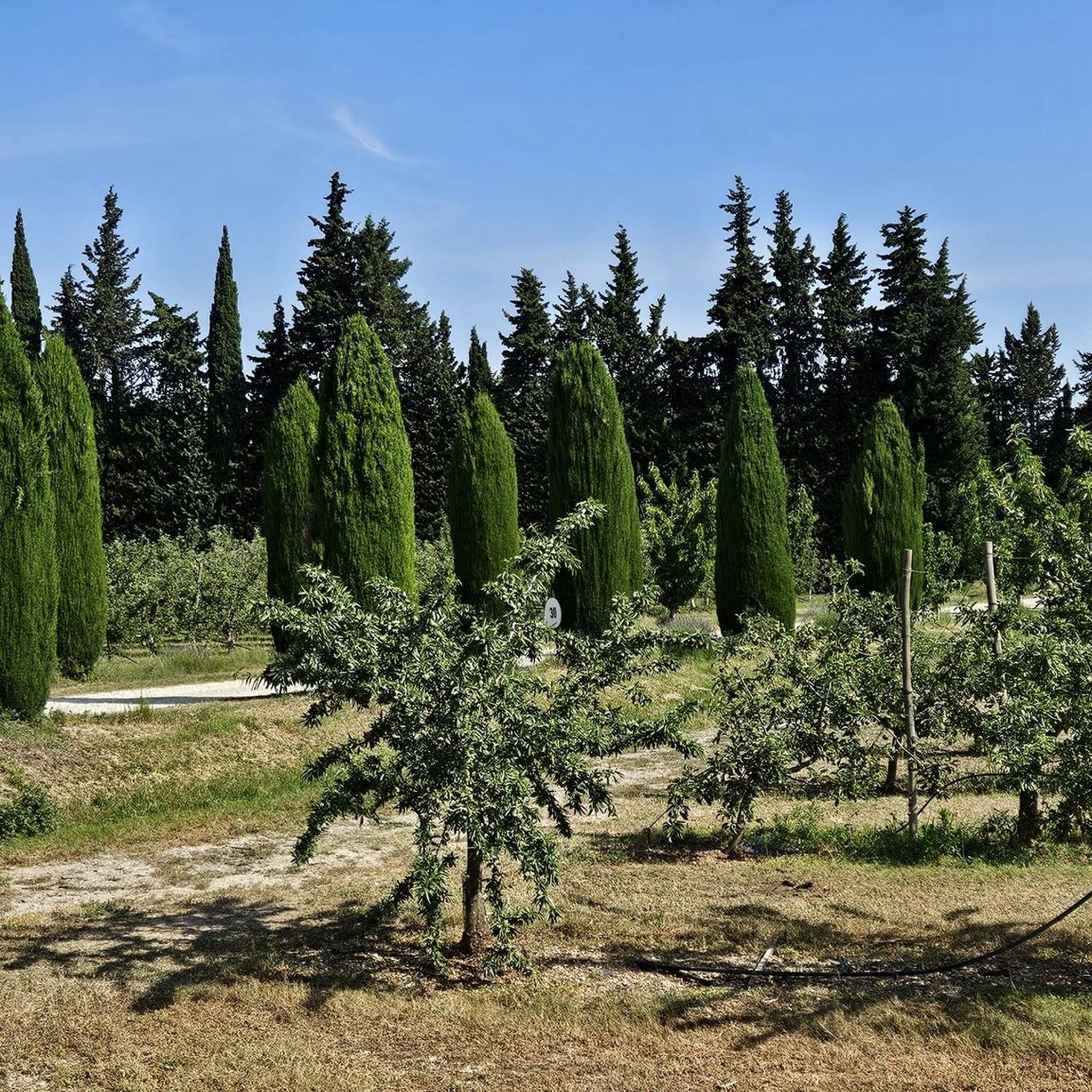
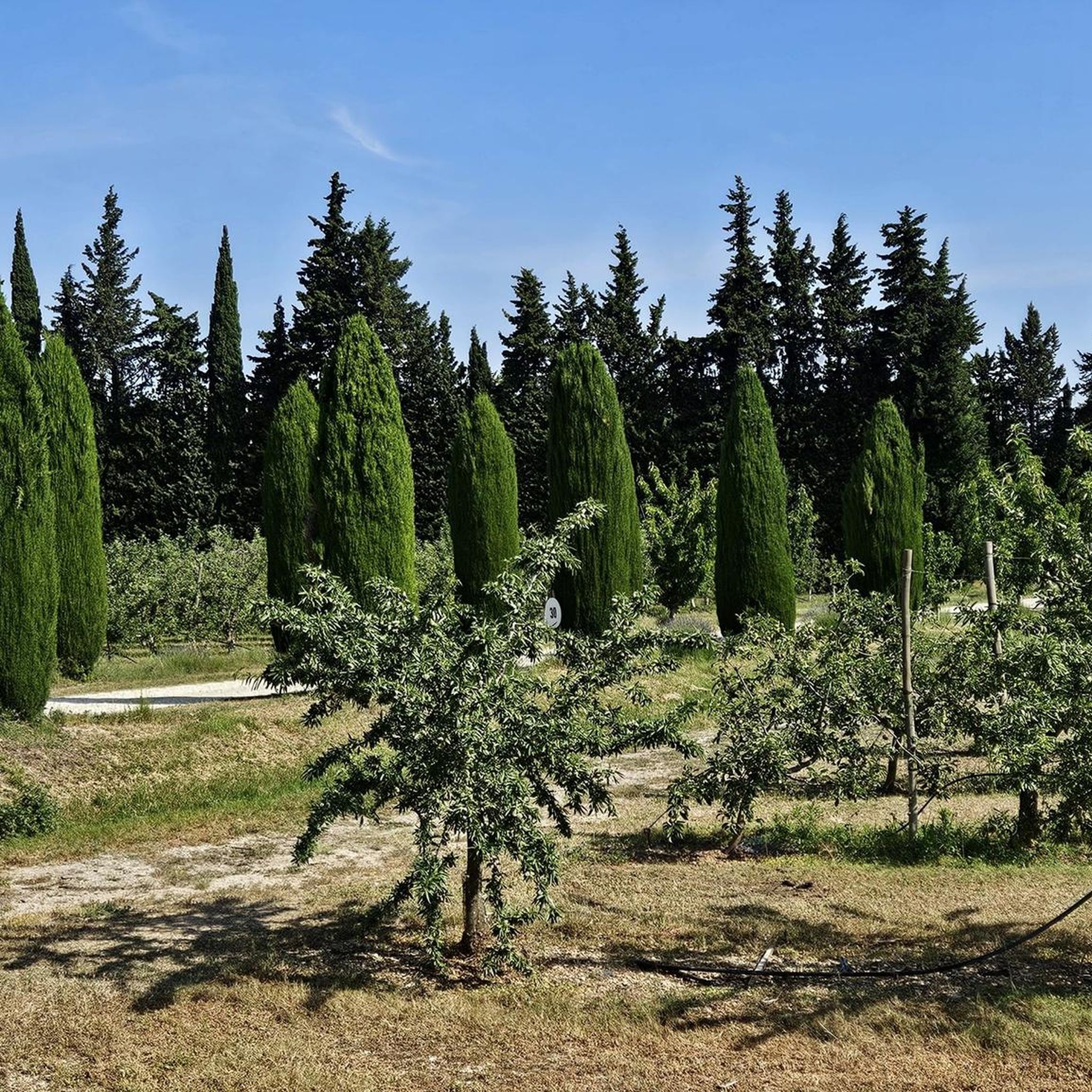
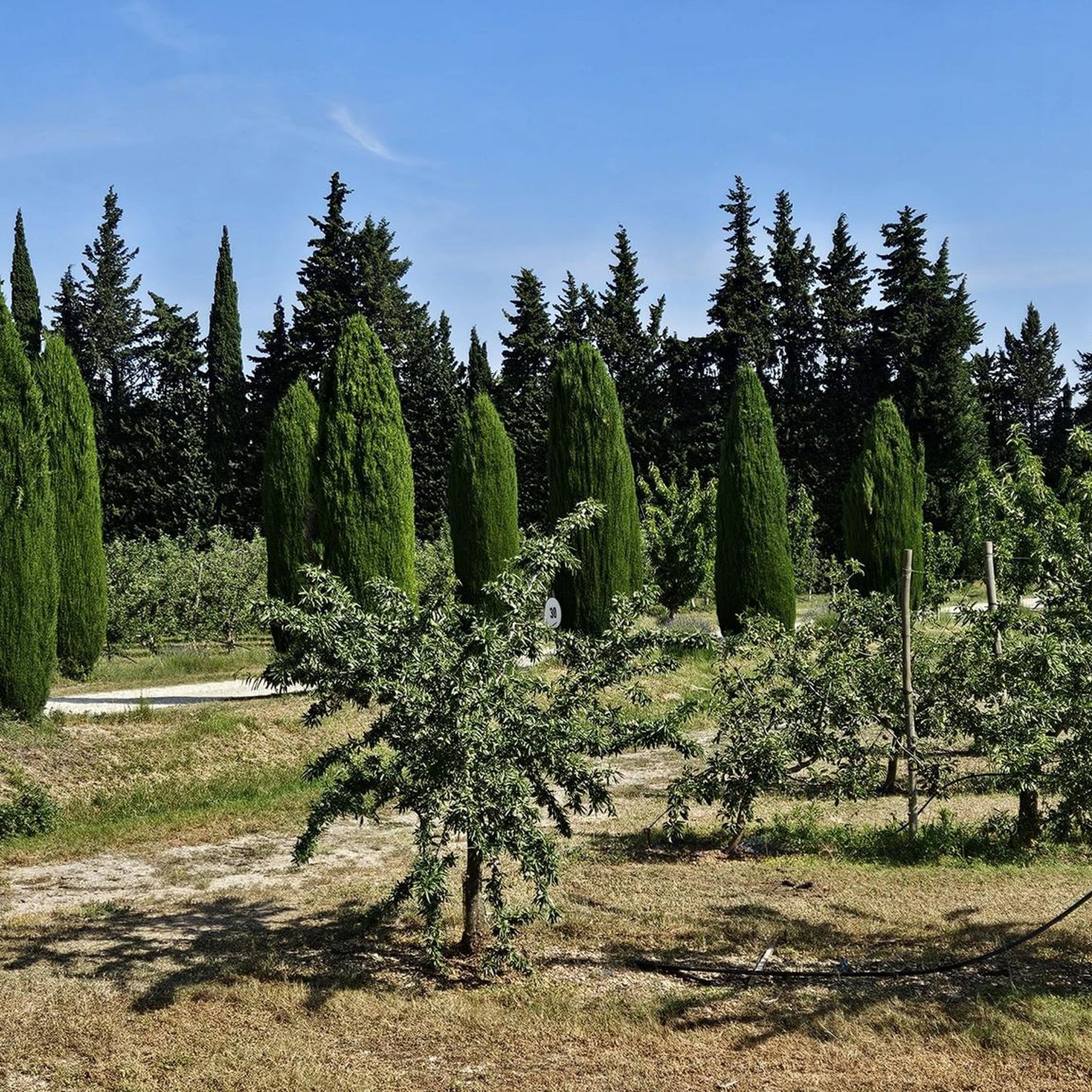
From here, you can enjoy a breathtaking view of the perfectly aligned rows of vines, surrounded by limestone hills typical of the region. The Pas de Suisse, with its cliffs and steep ridges, stands out majestically on the horizon, adding a dramatic touch to the landscape.
0
0

Be careful of the loose gravel track which is very tricky going downhill. Raise your foot!
1
1

Very beautiful panorama!
1
0
You can't see the castle but the 360° view, particularly of the Ventoux, is unmissable!
1
0
Frequently Asked Questions
What are the highest mountain peaks in the Alpilles near Mollégès?
The highest point in the Alpilles massif is Les Opies, standing at 496 meters. It offers an exceptional 360-degree panoramic view from its summit, often referred to as the "roof of the Alpilles".
Which mountain peaks offer the best panoramic views around Mollégès?
For breathtaking panoramic views, consider Les Opies, which provides a 360-degree vista across the Durance plain, Rhône, Comtat Venaissin, Camargue, and Crau plain. Another excellent spot is the Panoramic view from the watchtower at Les Baux, offering extensive views over the Crau plain, Camargue, and Arles. The La Caume Plateau also provides wide-ranging views over the Alpilles, Crau, Camargue, and the Rhône and Durance valleys.
Are there historical sites or unique natural features to explore on these peaks?
Yes, several peaks offer historical and unique natural features. On Les Opies, you can find remnants of a Gallo-Roman villa. Near Mount Gaussier, the ancient Salyan city of Glanum was built on its slopes. The Val d'Enfer (Valley of Hell) near Les Baux-de-Provence is famous for its tortured rock formations, providing unique geological scenery.
What kind of hiking trails can I expect on peaks like Les Opies and Mont Gaussier?
The terrain on peaks like Les Opies can be technical in parts, requiring good footwear for the strenuous climb. Mount Gaussier also features rocky and technical trails, including a notable "ladders trail" to its summit. These trails offer dramatic perspectives of the region and are appreciated by the komoot community for their beauty.
Are there any family-friendly options for exploring the mountain peaks near Mollégès?
While some peaks involve technical terrain, there are areas within the Alpilles that offer more accessible experiences. The View of the Vineyard and Pas de Suisse is categorized as family-friendly, offering beautiful views of vineyards and limestone hills. Many villages like Eygalières and Les Baux-de-Provence have trails with varying difficulties, some of which are suitable for families.
What outdoor activities are available near the mountain peaks around Mollégès?
The Alpilles region offers a variety of outdoor activities. You can find numerous hiking trails, including those around Mount Gaussier, with options ranging from easy to difficult. For more detailed hiking routes, explore the Hiking around Mollégès guide. There are also guides for Mountain Hikes and Running Trails, indicating popular routes for different sports. Cycling and horseback riding are also popular activities throughout the region.
When is the best time of year to visit the Alpilles mountain peaks?
The Alpilles are beautiful year-round, but spring and autumn are generally ideal for hiking, with pleasant temperatures and vibrant flora. Summer can be very hot, and some areas, like the La Caume Plateau, might be closed to the public during July and August to prevent bushfires. Winter offers cooler temperatures and unique scenery, though some trails might be more challenging.
Are there any specific regulations or closures to be aware of when visiting the Alpilles Regional Natural Park?
Yes, as part of a Regional Natural Park, the Alpilles have regulations to protect their natural beauty. During periods of high fire risk, particularly in summer (July and August), access to certain areas, including some summits like the La Caume Plateau, may be restricted or closed to the public. It's advisable to check local conditions before planning your visit.
What makes the landscape of the Alpilles mountain range unique?
The Alpilles are characterized by a distinct limestone landscape with craggy, arid peaks and scrubland. The lower slopes are cultivated with olive and almond trees, alongside Kermes oaks and pines. The fragrant garrigue, scented with thyme and rosemary, and the constant presence of olive groves and vineyards, contribute to the region's unique Provençal charm. The natural topography and regular Mistral wind also make it ideal for growing grapes and olives.
What wildlife might I encounter in the Alpilles mountains?
The Alpilles Regional Natural Park is home to diverse wildlife, including rare species. Keep an eye out for birds of prey such as Bonelli's eagles and eagle owls. The Mediterranean scrubland also supports various smaller mammals, reptiles, and a rich insect life.
How can I reach the hiking trails for these mountain peaks from Mollégès?
Mollégès is ideally situated at the northern edge of the Alpilles, making it a convenient base. While specific public transport options directly to trailheads might be limited, many popular starting points for hikes, such as those near Saint-Rémy-de-Provence or Eygalières, are a short drive away. Parking is generally available near trail access points in these villages.
Are there any specific viewpoints that are particularly popular with visitors?
Visitors frequently praise the 360-degree panoramic view from the watchtower at Les Opies, often describing it as superb. The views from Mount Gaussier are also highly regarded, offering spectacular vistas of the Alpilles, Luberon, and Mont Ventoux. The Panoramic view from the watchtower at Les Baux is another favorite, providing extensive views over the surrounding plains.
Most popular routes around Mollégès
Most popular attractions around Mollégès

Get inspired with the komoot mobile app


Explore more
See even more amazing summits around Mollégès with these guides:
