The best road cycling routes around Bad Wilsnack
4.6
(83)
1,085
riders
19
rides
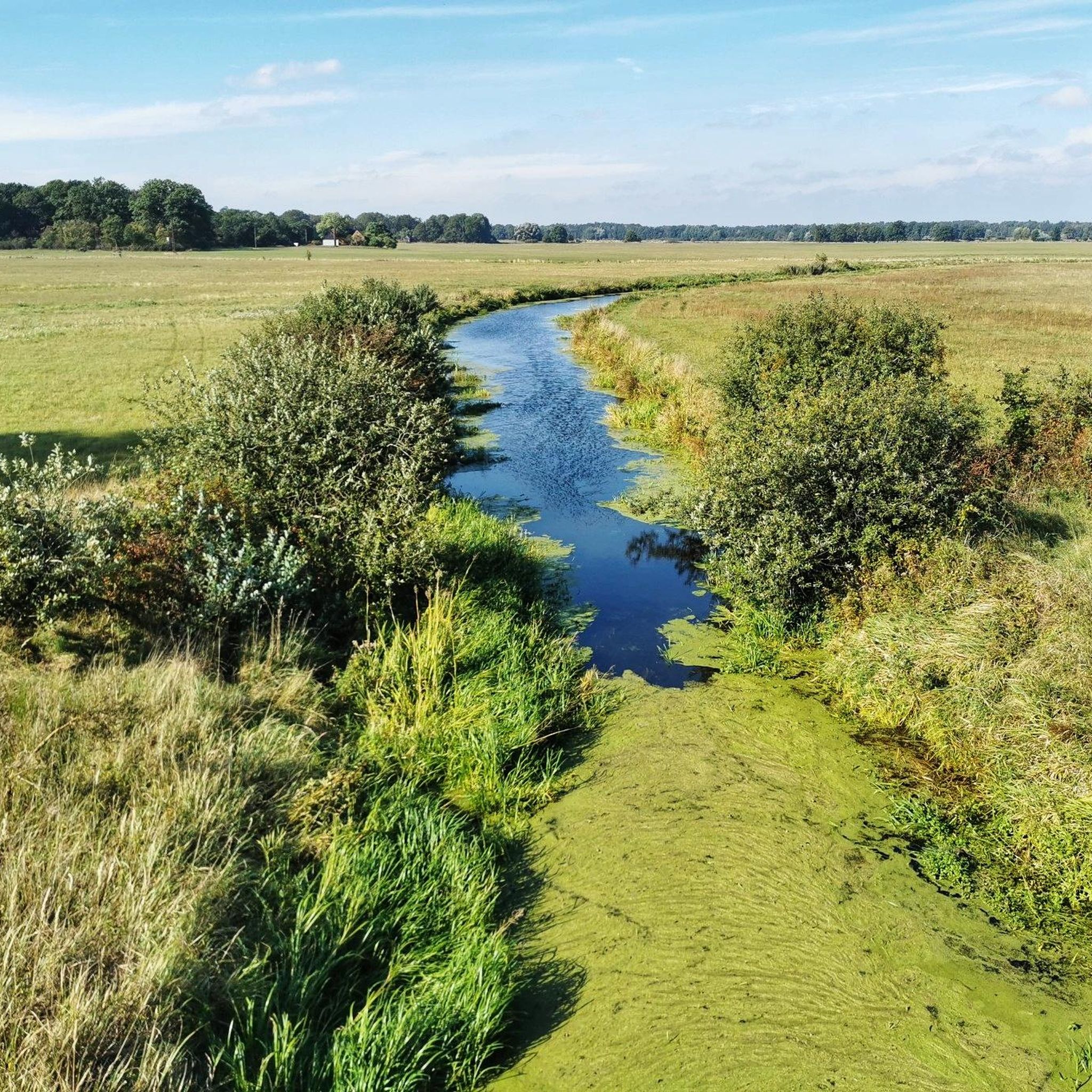
Road cycling routes around Bad Wilsnack are characterized by the flat to gently rolling terrain of the Prignitz region, bordering the UNESCO Elbtalaue Biosphere Reserve. The landscape features expansive riverine areas, lush meadows, and dense forests, with many routes utilizing paved surfaces. Notable natural features include the Elbe and Havel rivers, as well as the Gnevsdorfer Vorfluter, an artificial canal offering scenic cycling. This environment provides varied conditions suitable for road cyclists.
Best road cycling routes around Bad Wilsnack
- The most popular road cycling route is Groß Lüben Village Church – Sights of Hinzdorf loop from Bad Wilsnack, a 29.0 miles (46.6 km) trail that takes 1 hour 58 minutes to complete. This moderate route connects historical sights within the rural landscape.
- Another top favourite among local road cyclists is Elbe Cycle Route: Gnevsdorf – Bälow – Stepenitz Bridge loop from Bad Wilsnack, a moderate 28.2 miles (45.4 km) path. This route follows sections of the Elbe Cycle Route, offering views of the riverine landscape.
- Local road cyclists also love the Groß Lüben Village Church – Stepenitz Bridge loop from Bad Wilsnack, a 22.2 miles (35.7 km) trail leading through agricultural and forested areas, often completed in about 1 hour 25 minutes.
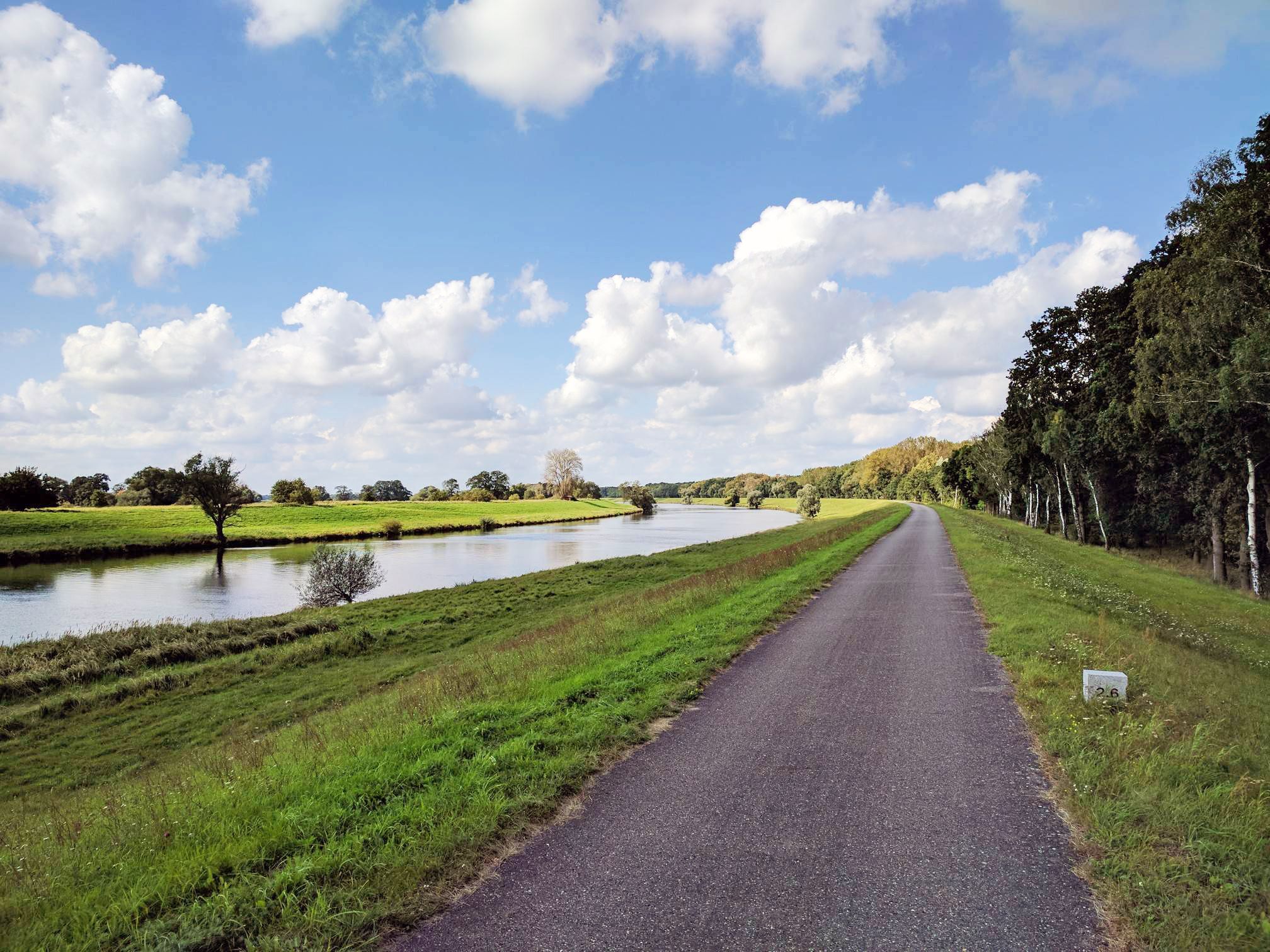
- Road cycling around Bad Wilsnack is defined by riverine landscapes, open meadows, and quiet forest paths, often running along dikes. The network offers options for both easy and moderate ability levels.
- The routes in Bad Wilsnack are highly rated by the komoot community with an average score of 4.7 stars from over 40 reviews. More than 600 road cyclists have used komoot to explore Bad Wilsnack's varied terrain.
Last updated: July 11, 2026
4.5
(4)
37
riders
Moderate road ride. Good fitness required. Some segments of this route may be unpaved and difficult to ride.
4.7
(3)
35
riders
Moderate road ride. Good fitness required. Some segments of this route may be unpaved and difficult to ride.

Sign up for free
5.0
(1)
19
riders
Moderate road ride. Great for any fitness level. Some segments of this route may be unpaved and difficult to ride.
5.0
(1)
14
riders
37.3km
01:45
50m
50m
Moderate road ride. Great for any fitness level. Some segments of this route may be unpaved and difficult to ride.
9
riders
Moderate road ride. Great for any fitness level. Some segments of this route may be unpaved and difficult to ride.
Get access to more routes and recommendations from other explorers.
Sign up for free
Already have an account?
Our route recommendations are based on thousands of hikes, rides, and runs completed by other people on komoot.
Start today with a free account
Your next adventure awaits.
Login or Signup



Tips from the Community

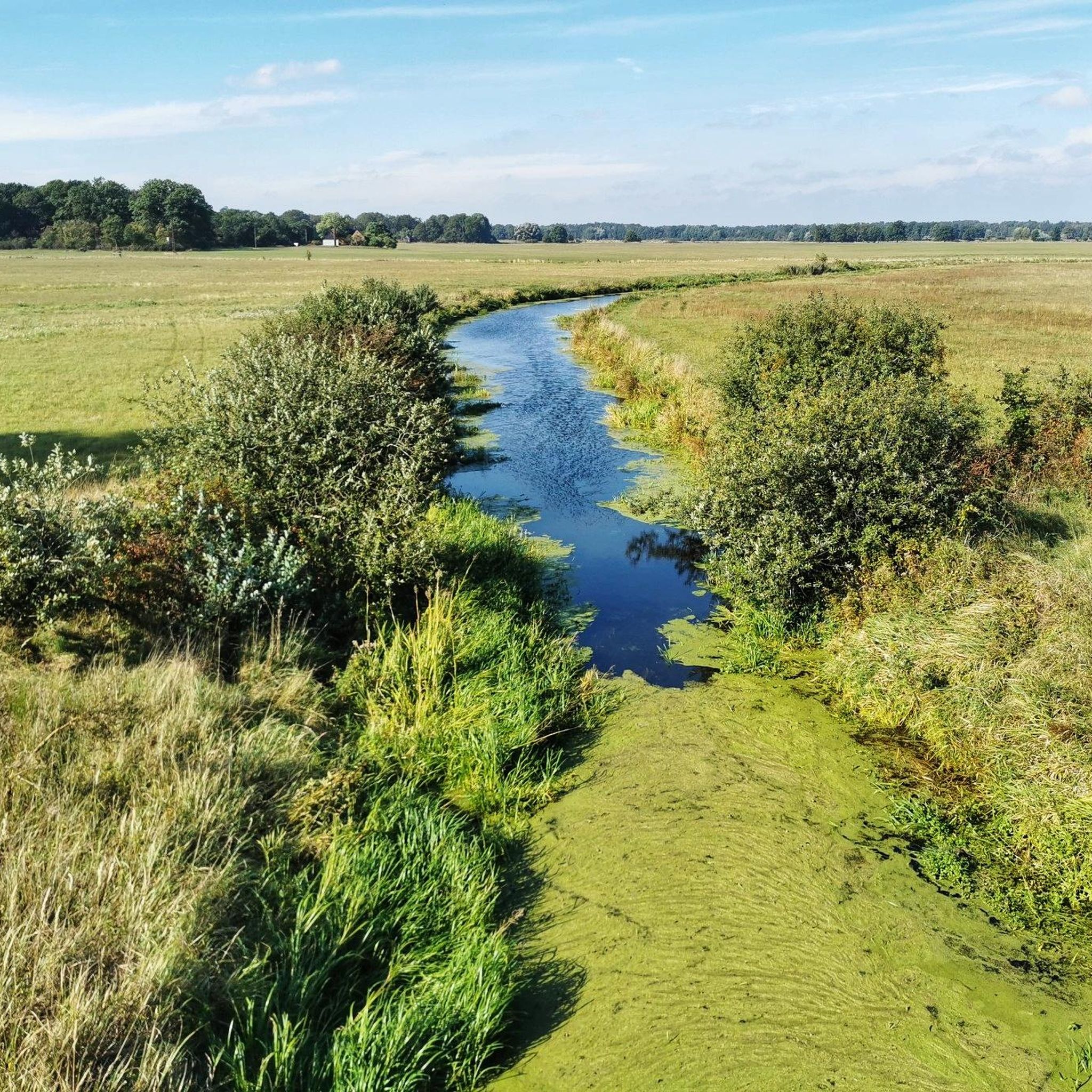
The different waterways with their water levels and different flood risks require some quite powerful weirs here in the region. This one too. Great technology!
0
0
A short section has to be ridden on a road. But it's not bad: no traffic, good surface and not very far.
0
0

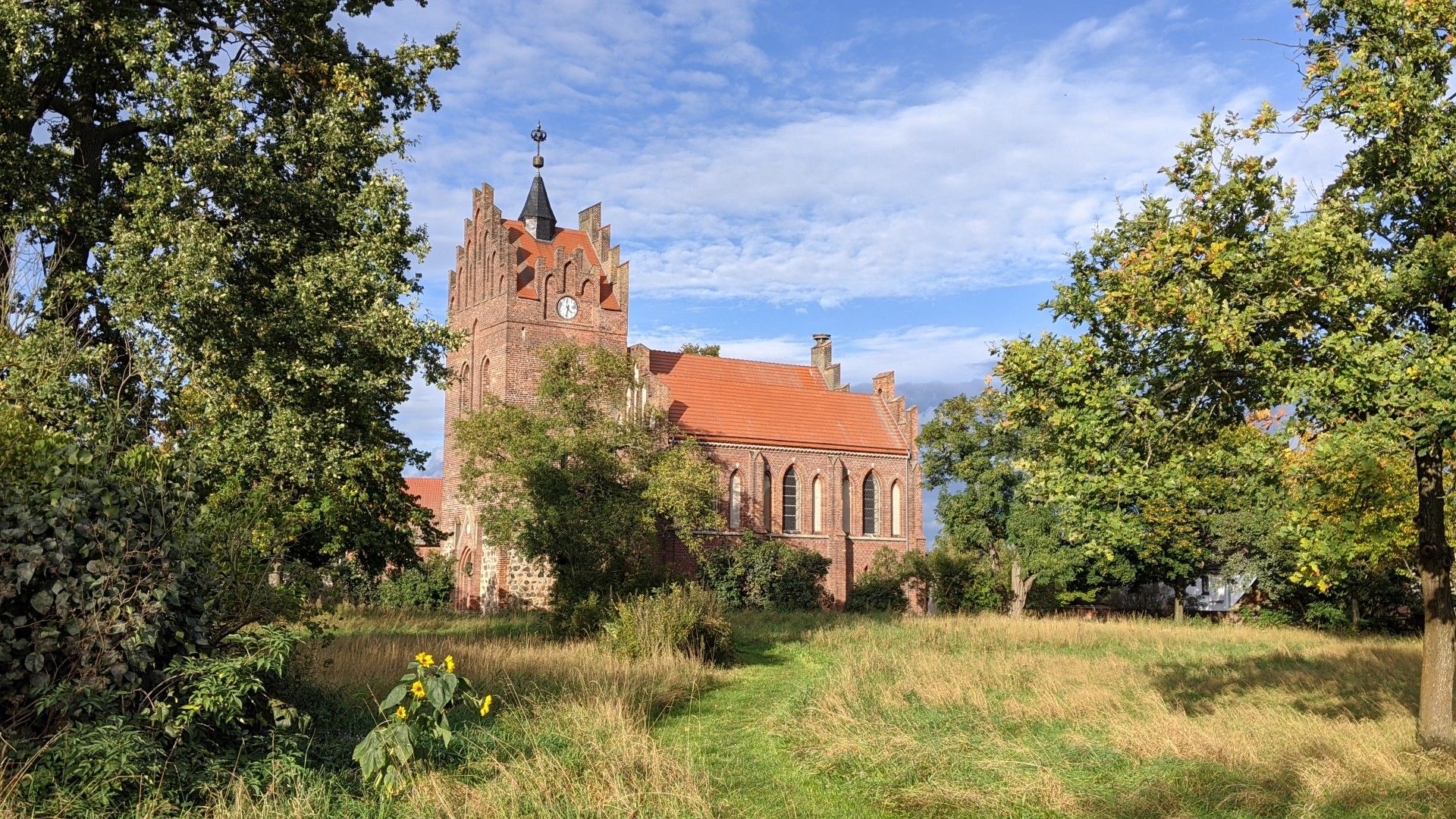
The village church of Rühstädt, also known as Quitzow Church, dates back to the 15th century. It was built under the influence of the noble von Quitzow family, who shaped the village for a long time. The original late Gothic brick building with a semicircular apse was remodeled in the Baroque style in the 18th century and a striking west tower was added. Important furnishings have been preserved inside, including a late Gothic carved altarpiece, several tombstones of the von Quitzow family, and a historic organ from 1738. A late Gothic mural of the Last Judgment in the apse is particularly noteworthy. Today, the church is a listed building and part of the Open Churches Initiative, meaning it is often open to visitors.
1
0
The bridge over the Stepenitz is an important crossing just before the river flows into the Elbe. It connects central urban areas with adjacent residential and recreational areas and is used by vehicular traffic, pedestrians, and cyclists. Its location in the river and floodplain landscape offers unobstructed views of the Stepenitz and the surrounding countryside. It is a defining element of Wittenberge's cityscape.
1
0

At the weir group near Quitzdöbel, the Elbe, Havel, and Gnevsdorder outflowing waters converge. From here, there is a good view of the Havel estuary.
2
0
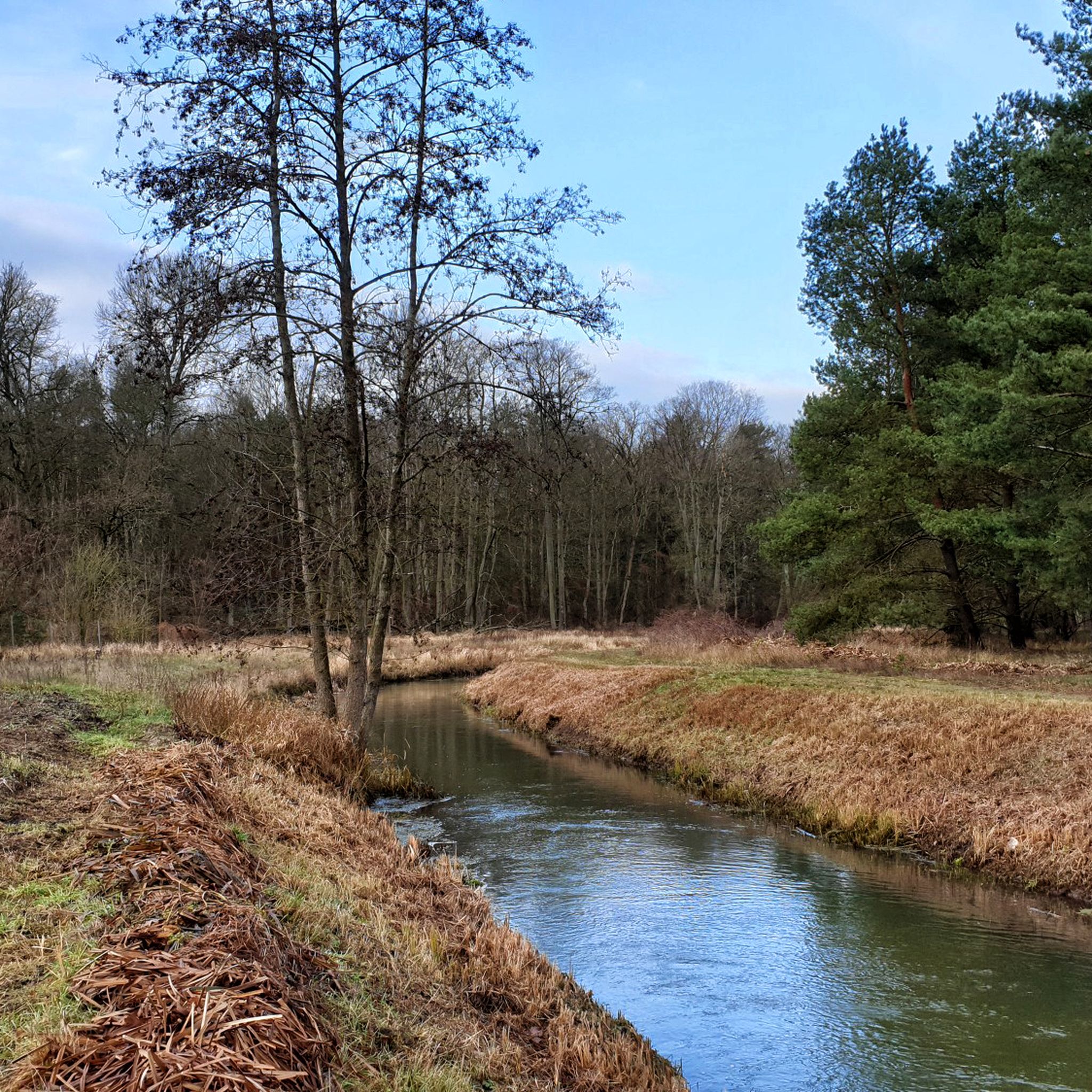
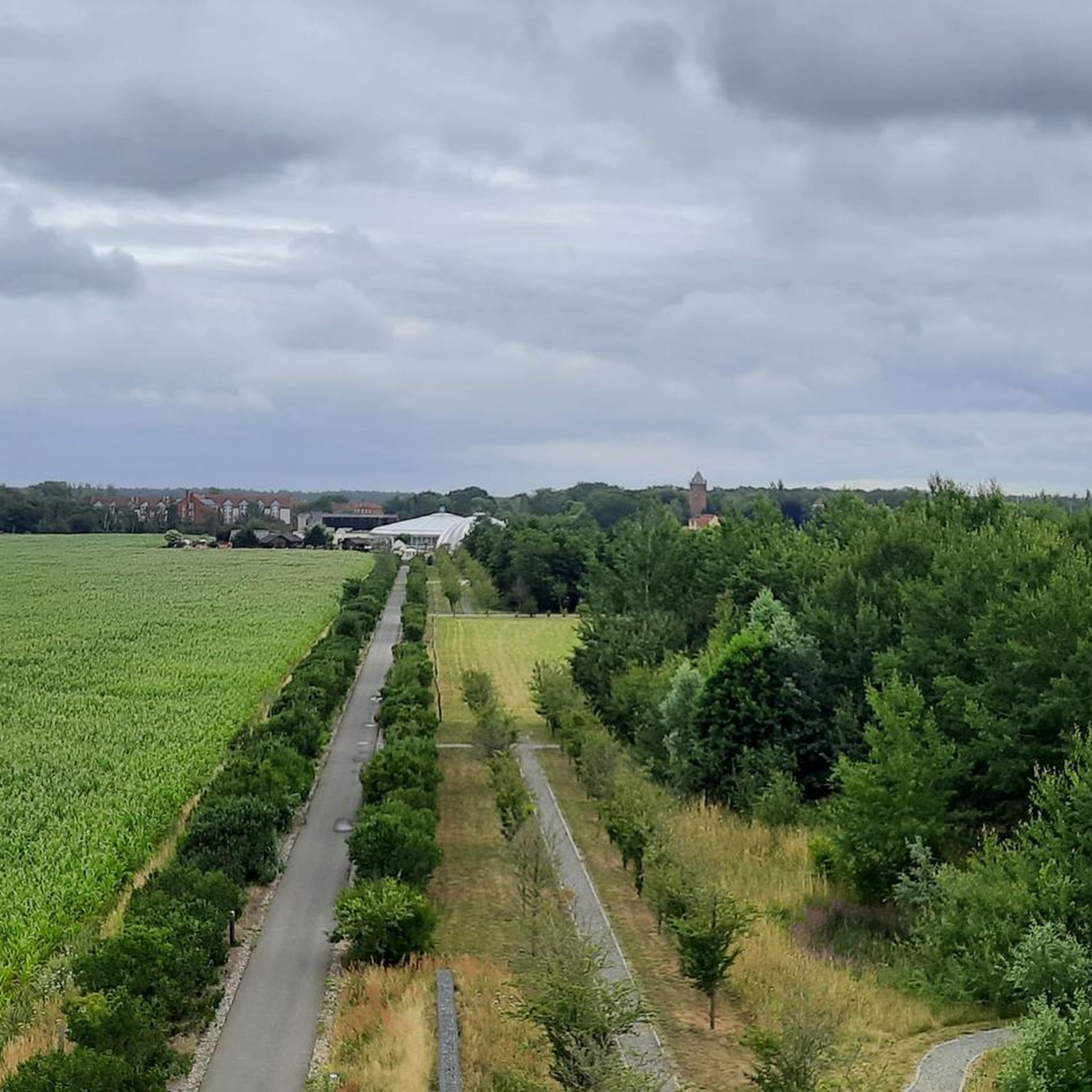
It's very shady in the summer, and has had top-quality asphalt for two years. The main road isn't an alternative. Unfortunately, it ends abruptly before Perleberg, or rather, it's a forest path.
2
0
Coming from the Elbe Cycle Path, the classic "entrance door" to Wittenberge.
2
0
Truly impressive as you approach Wittenberge. The bridge has a truly monumental quality, yet blends well into the landscape. It has recently been reopened to cyclists.
2
0
Frequently Asked Questions
How many road cycling routes are available around Bad Wilsnack?
There are over 15 road cycling routes around Bad Wilsnack, offering a variety of distances and experiences. The komoot community has explored 19 routes in total, with 18 rated as moderate and 1 as easy.
What kind of terrain can I expect on road cycling routes in Bad Wilsnack?
The terrain around Bad Wilsnack is generally flat to gently rolling, characteristic of the Prignitz region and the UNESCO Elbtalaue Biosphere Reserve. Routes often feature expansive riverine landscapes, lush meadows, and dense forests. Most surfaces are paved, with some moderate tours incorporating unpaved sections for variety.
Are there any long-distance cycle paths accessible from Bad Wilsnack?
Yes, Bad Wilsnack provides access to well-known long-distance cycle paths. Sections of the Elberadweg (Elbe Cycle Path) are easily reachable, offering scenic views along the river. The Prignitz-Rundweg and the Dosse-Elbe-Radweg also traverse the region.
What natural features can I see while cycling around Bad Wilsnack?
Cyclists can enjoy the confluence of the Havel and Elbe rivers, as well as the Gnevsdorfer Vorfluter, an artificial canal with beautiful scenery. The region is also known for its numerous smaller lakes and rivers. A notable highlight is the nearby village of Rühstädt, famous for its abundant white stork population, offering unique wildlife viewing opportunities. You can experience this on routes like the Stork Village Rühstädt – Neuwerben Weir loop from Bad Wilsnack.
Are there any historical or cultural landmarks along the road cycling routes?
Yes, the area offers several interesting landmarks. You can cycle past Old Oil Mill Wittenberge, a historical industrial site, or visit the Stork Village Rühstädt. Plattenburg Castle, one of Northern Germany's largest preserved moated castles, is also accessible by bike and offers a significant historical stop.
Is parking available for cyclists near the starting points of routes in Bad Wilsnack?
Yes, parking is generally available in Bad Wilsnack and near the starting points of many routes. As a popular outdoor destination, the town and surrounding villages are equipped to accommodate visitors, including those arriving by car with bikes.
When is the best time of year to go road cycling in Bad Wilsnack?
The best time for road cycling in Bad Wilsnack is typically from spring to autumn. During these seasons, the weather is pleasant, and the natural landscapes, including the riverine areas and meadows, are at their most vibrant. Summer offers longer daylight hours, while spring and autumn provide comfortable temperatures and beautiful scenery.
Are there family-friendly road cycling routes in Bad Wilsnack?
Given the generally flat to gently rolling terrain and mostly paved surfaces, many routes around Bad Wilsnack are suitable for families. The region's quiet paths and scenic views make for enjoyable rides for all ages. Routes that stick to dedicated cycle paths or quiet country roads are particularly good choices for families.
Can I bring my dog on road cycling routes in Bad Wilsnack?
While many paths are suitable for cycling with a dog on a leash or in a trailer, it's important to consider the specific route and local regulations. The region's open landscapes and quiet roads can be pleasant for dogs, but always ensure your dog is comfortable with the distance and conditions, and respect any wildlife protection areas, especially in the UNESCO Elbtalaue Biosphere Reserve.
What do other road cyclists enjoy the most about road cycling in Bad Wilsnack?
The road cycling routes in Bad Wilsnack are highly rated by the komoot community, with an average score of 4.7 stars from over 40 reviews. Cyclists often praise the peaceful riverine landscapes, the well-maintained paved surfaces, and the opportunity to explore charming villages and natural features like the Confluence of the Gnevsdorfer Vorfluter and the Elbe. The varied terrain, from open meadows to quiet forest paths, also receives positive feedback.
Are there any easy road cycling routes for beginners in Bad Wilsnack?
Yes, there is at least one easy road cycling route identified in the area, and many of the moderate routes have minimal elevation gain, making them accessible for beginners or those looking for a relaxed ride. The flat nature of the Prignitz region ensures that most routes are not overly challenging in terms of climbs.
What are some popular circular road cycling routes starting from Bad Wilsnack?
Many routes around Bad Wilsnack are designed as loops, allowing you to start and end in the same location. Popular options include the Groß Lüben Village Church – Sights of Hinzdorf loop from Bad Wilsnack and the Elbe Cycle Route: Gnevsdorf – Bälow – Stepenitz Bridge loop from Bad Wilsnack, both offering diverse scenery and points of interest.
Can I find cafes or pubs along the road cycling routes in Bad Wilsnack?
Yes, the routes often pass through charming villages where you can find cafes, pubs, or restaurants for a break. The Old Oil Mill Wittenberge, for example, now houses a hotel, restaurant, and brewery, making it an interesting stop. Planning your route with komoot allows you to identify such amenities along the way.
Most popular routes around Bad Wilsnack
Most popular attractions around Bad Wilsnack

Get inspired with the komoot mobile app


Explore more
Browse the best Road cycling routes in other regions.
