Attractions and Places To See around Saint-Amant-De-Boixe - Top 20
Best attractions and places to see around Saint-Amant-De-Boixe include a blend of historical, cultural, and natural sites. This village in the Charente department of southwestern France is situated between the Charente river and the Boixe forest. The area offers opportunities to explore Romanesque architecture, ancient forests, and prehistoric dolmens.
Best attractions and places to see around Saint-Amant-De-Boixe
- The most popular attractions is Lake Saint-Yrieix, a lake that offers a leisure base and pleasant walks on gravel paths. It connects to the greenway along the Charente.
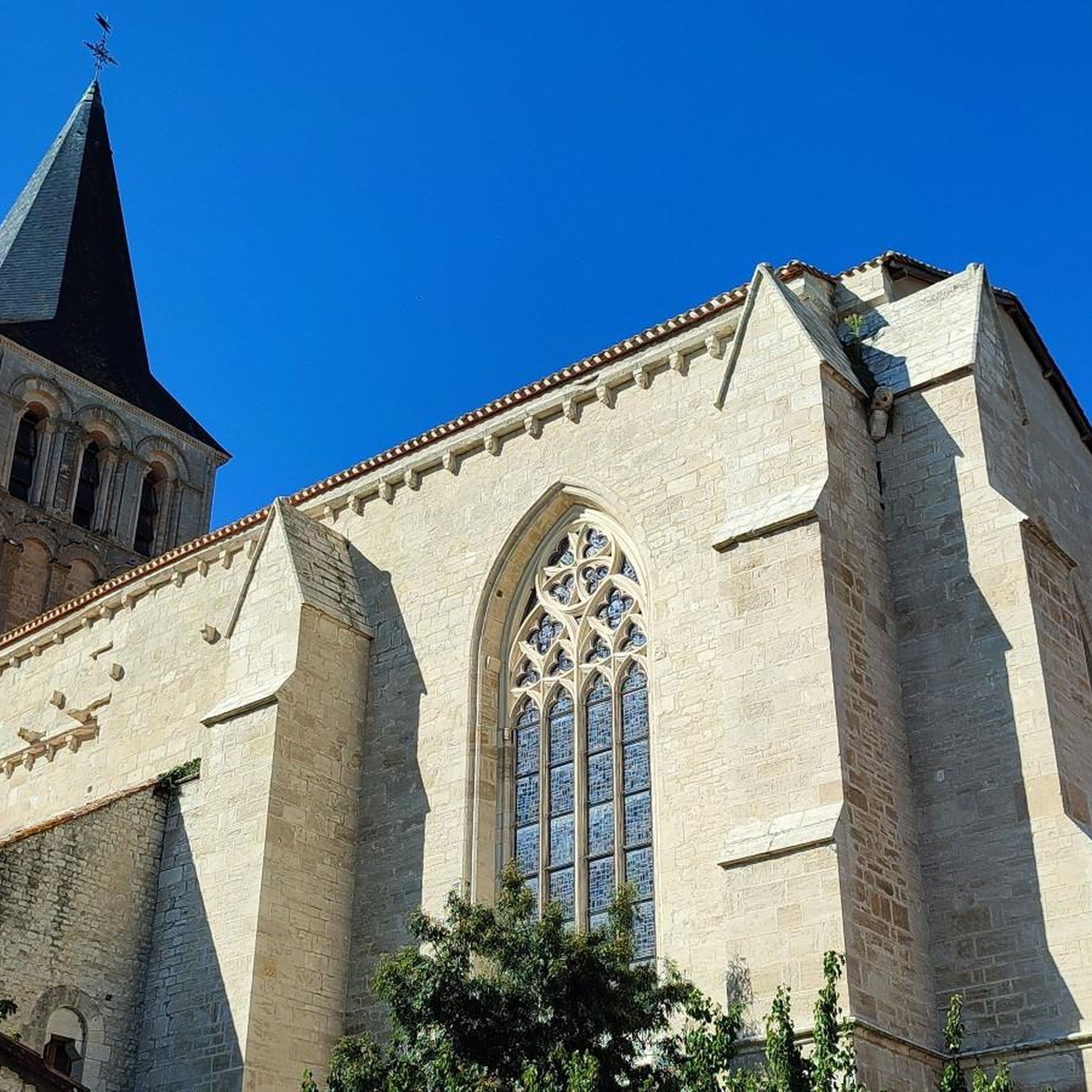
- Another must-see spot is Saint-Amant-de-Boixe Abbey, a Romanesque abbey church. This historical monument features Romanesque art, a Gothic choir, and 14th-century painted murals.
- Visitors also love Saint Christopher's Church in Vindelle, an former priory linked to Saint-Amand-de-Boixe, with traces of 11th-century architecture. The building retains elements from its original 11th-century design and underwent transformations during the Hundred Years' Wars.
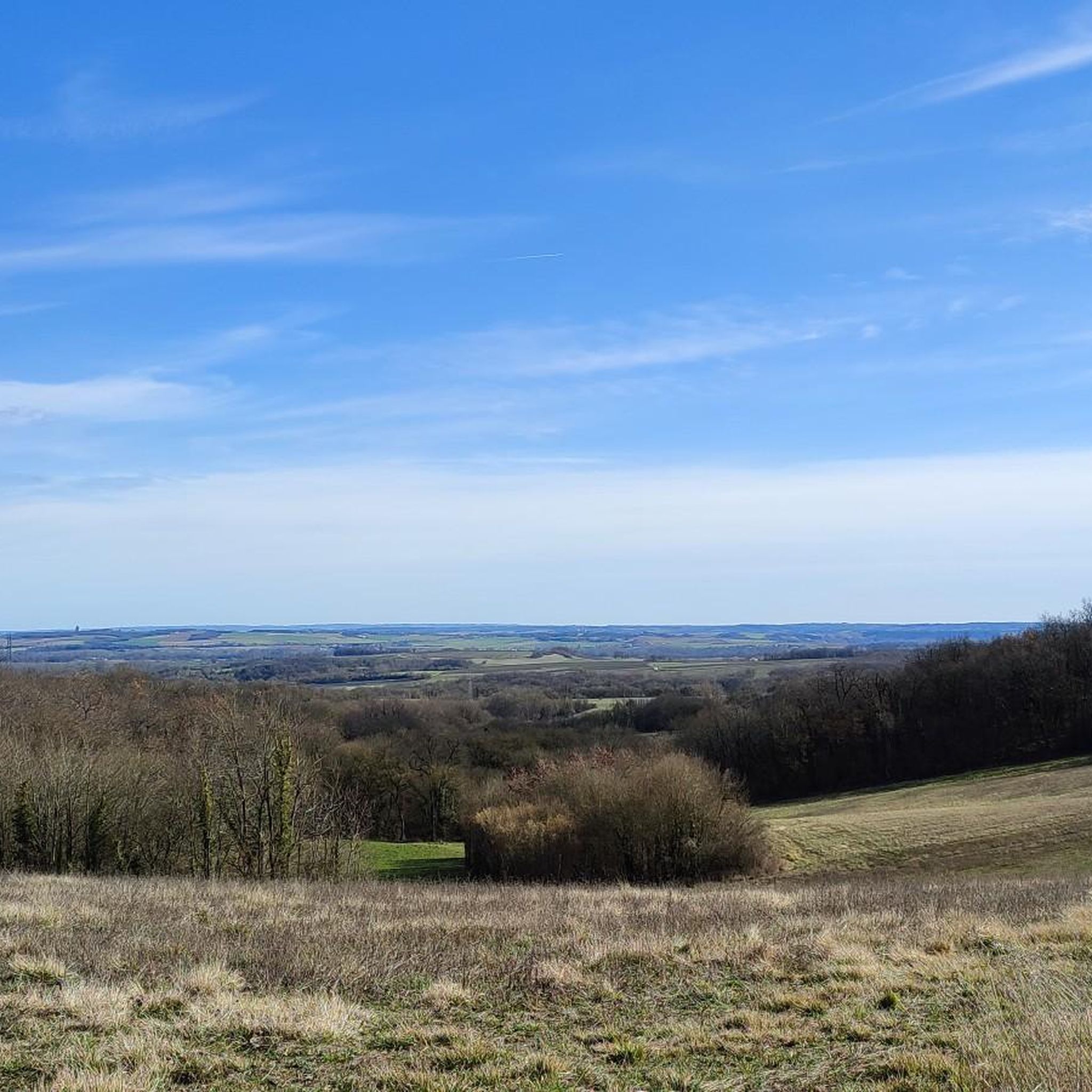
- Saint-Amant-De-Boixe is known for its historical landmarks, natural features like the Boixe forest, and cultural sites. The region offers a variety of attractions to see and explore, from ancient structures to serene landscapes.
- The attractions around Saint-Amant-De-Boixe are appreciated by the komoot community, with 39 upvotes and 19 photos shared by visitors.
Last updated: July 7, 2026
Saint-Amant-de-Boixe Abbey
Highlight • Other
Possibility of visits to the abbey.
A few shops nearby allow you to eat.
Translated by Google •
Tip by

Mansle
Highlight • Settlement
Translated by Google •
Tip by

Sign up now to discover places like this
Get recommendations on the best single tracks, peaks, & plenty of other exciting outdoor places.
Sign up for free
Saint Christopher's Church in Vindelle
Highlight • Other
Translated by Google •
Tip by

Saint-Denis Church, Vars
Highlight • Other
Probably in connection with the building of the castle to the north, the very sober facade of the church has been altered: one can still distinguish traces of the old bell tower with two arches, in the upper part. The bell tower built on the south arm of the transept is therefore posterior. The apse has the particularity of having been raised in order to fortify it and to fit various defensive elements (heated room, bay windows with cushions, access to gateways, etc.)
Translated by Google •
Tip by
Lake Saint-Yrieix
Highlight • Lake
Translated by Google •
Tip by

Sign up for free to discover even more attractions around Saint-Amant-De-Boixe.
Sign up for free
Already have an account?
Start today with a free account
Your next adventure awaits.
Login or Signup


Tips from the Community


The place is beautiful, but too crowded in the summer season. People on foot who take the entire width of the path, dogs not kept on a leash and so on...
2
0

Leisure center fitted out with nautical base.
2
0

The early 12th century church has all but disappeared, itself and the reconstructions have suffered from the military conflicts that have punctuated the centuries. You enter through an open portal in a facade which very well announces the architectural juxtapositions. These last give a particular charm to the building by their inconsistencies. They arouse curiosity and ultimately offer the visitor a certain degree of privacy. An organ with the original story has been installed. It is the ultimate work of Ivan Peychès (1906-1978), a genius scientific researcher but also a visual artist, musician and composer. Brilliant innovator in the field of applied sciences, he will build this instrument in his living room in ten years during his retirement.
1
0
Former priory linked to Saint-Amand-de-Boixe, given to the abbey by Guillaume IV, count of Angoulême, before 1030. A campaign of works is attested in the 17th century and restorations in the 19th. The building has retained traces of its original 11th century architecture: drop walls of the nave crisscrossed with arches, intended to receive a light structure. The nave is under frame after having received a ceiling. Around 1120, the building increased with a bay under a bell tower, vaulted with a dome on horns carried by pillars with a cruciform core, flanked by columns with ball capitals and an apse. A north transept arm and its oriented apse, correspond to a third campaign of work (late 12th century?). The church underwent some transformations at the time of the Hundred Years' Wars: raising of the nave above the cornice and use of the bell tower (murderer with viewfinder).
0
0
Nestled between the Charente river and the Boixe forest, the former abbey has watched over the north of Angoumois for over a thousand years. Mentioned in 888, the abbey church was rebuilt in the 11th and 12th centuries, thanks to the generosity of the Counts of Angoulême. This building constitutes an inescapable testimony of the Charente Romanesque art. In the 13th century, a large fire destroyed the site, forcing the reconstruction of the choir of the church, which was not completed until the 16th century. Listed as a historical monument in 1840 on the initiative of Mérimée, this vast monument has always impressed with its mass and its refinement: artists such as Eugène Delacroix and Maurice Utrillo are not mistaken. Each year, more than 13,000 visitors come to discover and appreciate this building with such a rich history. The abbey site has also given rise to several archaeological excavations, enriching the historical and cultural interest of this high heritage site.
0
0
The church of Saint-Denis in Vars, with the castle to the north, formed an episcopal complex of which the bishop was the lord. Although the church is not mentioned until 1110, the possession of this seigneury by the bishop is attested as early as the 1030s. Probably in connection with the building of the castle to the north, the very sober facade of the church has been altered: one can still distinguish traces of the old bell tower with two arches, in the upper part. The bell tower built on the south arm of the transept is therefore posterior. The apse has the particularity of having been raised in order to fortify it and to fit various defensive elements (heated room, bay windows with cushions, access to gateways, etc.)
2
1

Absolutely ! when I go to Angoulême, I always take the opportunity to take a walk along the Charente to this pretty lake! 😎
2
0
Frequently Asked Questions
What historical and cultural sites can I visit in Saint-Amant-de-Boixe?
The most prominent historical site is the magnificent Saint-Amant-de-Boixe Abbey, a 12th-century Romanesque church featuring a Gothic choir and 14th-century painted murals. Within the abbey's convent buildings, you can also explore the Espace d'Architecture Romane, an interactive museum dedicated to Romanesque architecture, and the Crypt of Saint-Amand with its restored mural paintings. Nearby, Saint Christopher's Church in Vindelle is an former priory with traces of 11th-century architecture.
Are there natural attractions or outdoor spaces to explore?
Yes, the region offers several natural highlights. Lake Saint-Yrieix is a popular spot with a leisure base and pleasant gravel paths, connecting to the greenway along the Charente river. The village is also surrounded by the Boixe Forest, which features numerous footpaths and ancient prehistoric dolmens, offering a glimpse into the region's ancient past.
What kind of outdoor activities can I do around Saint-Amant-de-Boixe?
The area is excellent for various outdoor activities. You can enjoy hiking, running, and cycling on numerous trails. For detailed routes, explore the guides for Hiking around Saint-Amant-De-Boixe, Running Trails around Saint-Amant-De-Boixe, and Cycling around Saint-Amant-De-Boixe. The Boixe Forest also provides many footpaths for walking enthusiasts.
Are there any family-friendly activities or attractions?
Families can enjoy the leisure base at Lake Saint-Yrieix, which offers pleasant walks on gravel paths. The Espace d'Architecture Romane within the abbey provides an interactive and playful way for all ages to learn about Romanesque architecture and the life of monks. Exploring the Boixe Forest and discovering its prehistoric dolmens can also be an engaging adventure for families.
What is the best time of year to visit Saint-Amant-de-Boixe?
The region is enjoyable throughout the year, but spring and autumn offer particularly pleasant weather for exploring the historical sites and engaging in outdoor activities like hiking and cycling in the Boixe Forest. Summer is ideal for enjoying activities around Lake Saint-Yrieix.
Where can I find information about the history and architecture of Saint-Amant-de-Boixe Abbey?
The Saint-Amant-de-Boixe Abbey is a prime example of Romanesque art, with its 12th-century structure, Gothic choir, and 14th-century murals. The Espace d'Architecture Romane, located within the abbey's convent buildings, offers an interactive experience to understand the abbey's history, construction techniques, and the life of Romanesque builders. You can also find more information on the Angoulême tourism website: angouleme-tourisme.com.
Are there any other notable churches or religious sites nearby?
Beyond the main abbey, you can visit Saint Christopher's Church in Vindelle, an former priory linked to Saint-Amand-de-Boixe, which retains elements from its original 11th-century design. Another significant site is Saint-Denis Church in Vars, which formed part of an episcopal complex and features an altered facade and a fortified apse.
What do visitors enjoy most about the attractions around Saint-Amant-de-Boixe?
Visitors particularly appreciate the rich history and imposing architecture of the Saint-Amant-de-Boixe Abbey, often noting its Romanesque style and the peaceful atmosphere. The pleasant walks and leisure opportunities at Lake Saint-Yrieix are also highly rated, especially its connection to the Charente greenway. The blend of historical landmarks and serene natural landscapes is a common highlight.
Are there any settlements or villages worth visiting near Saint-Amant-de-Boixe?
Yes, the nearby settlement of Mansle is worth a visit. It offers a canoe kayak base on the banks of the Vienne river and features a unique 12th-century church that has undergone various transformations over the centuries, housing an organ with an original story.
Can I find easy walking trails suitable for beginners or casual strolls?
Absolutely. The paths around Lake Saint-Yrieix are pleasant and on gravel, perfect for easy strolls. The Boixe Forest also offers numerous footpaths, and you can find easy hiking routes in the Hiking around Saint-Amant-De-Boixe guide, such as the Argence loop.
Are there any prehistoric sites in the area?
Yes, within the Boixe Forest, you can discover ancient stone structures known as dolmens. These prehistoric burial chambers, while their exact origins are mysterious, offer an interesting stop for those exploring the forest and provide a glimpse into the region's ancient past.
Most popular routes around Saint-Amant-De-Boixe

Get inspired with the komoot mobile app


Explore more
Still not found the Highlight you’re looking for? See guides of the top attractions in other regions:
