Attractions and Places To See around Gacé - Top 6
Attractions and places to see around Gacé, a town in Normandy, France, offer a blend of historical landmarks, cultural sites, and natural beauty. The area features ancient abbeys, castles, and museums, providing insights into its rich past. Surrounding landscapes include hillsides, meadows, and proximity to a regional nature park, offering diverse outdoor experiences. This region provides opportunities for exploring history and engaging with nature.
Best attractions and places to see around Gacé
- The most popular attractions is Abbaye de Saint-Evroult…
Last updated: April 25, 2026
Abbaye de Saint-Evroult
Highlight • Historical Site
Translated by Google •
Tip by

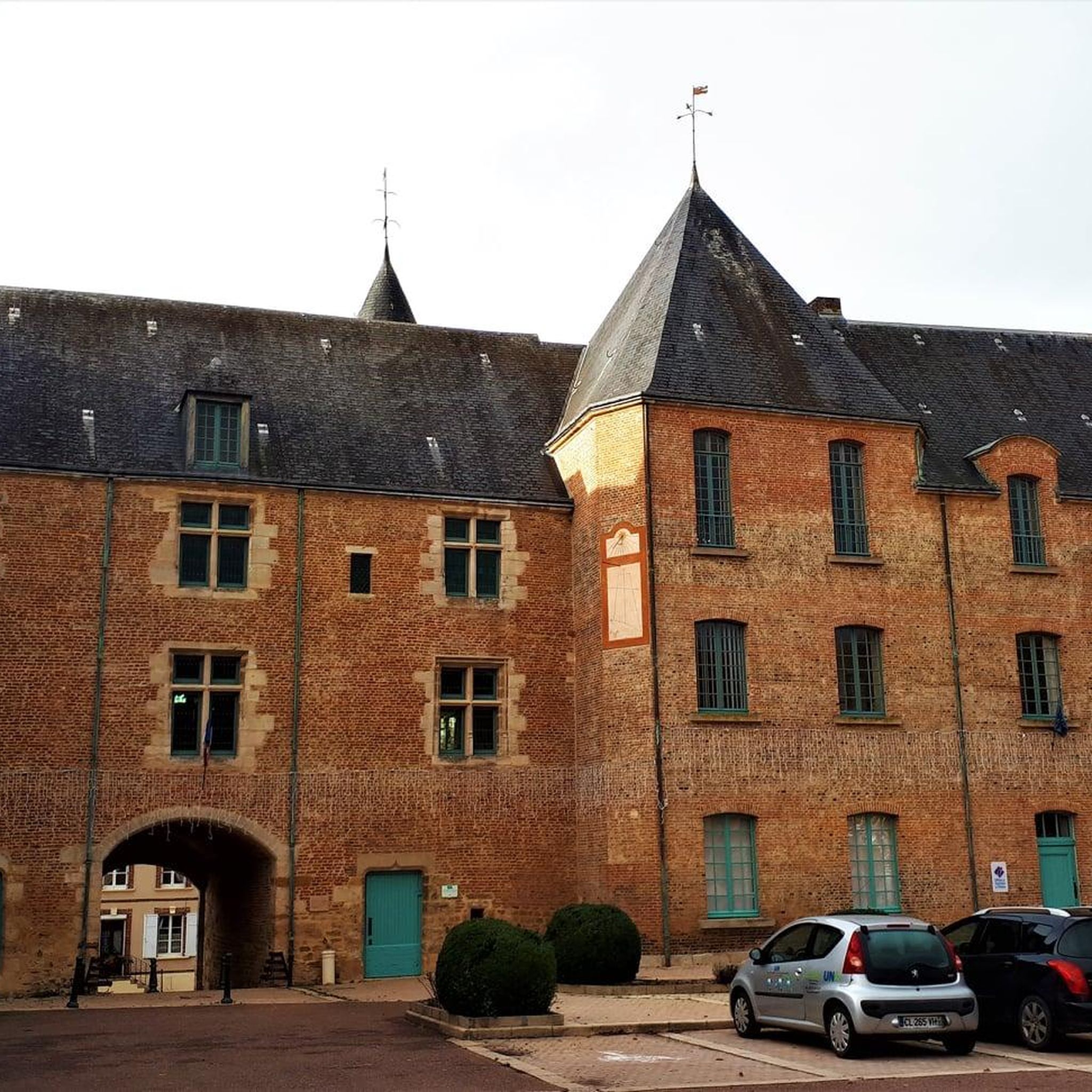
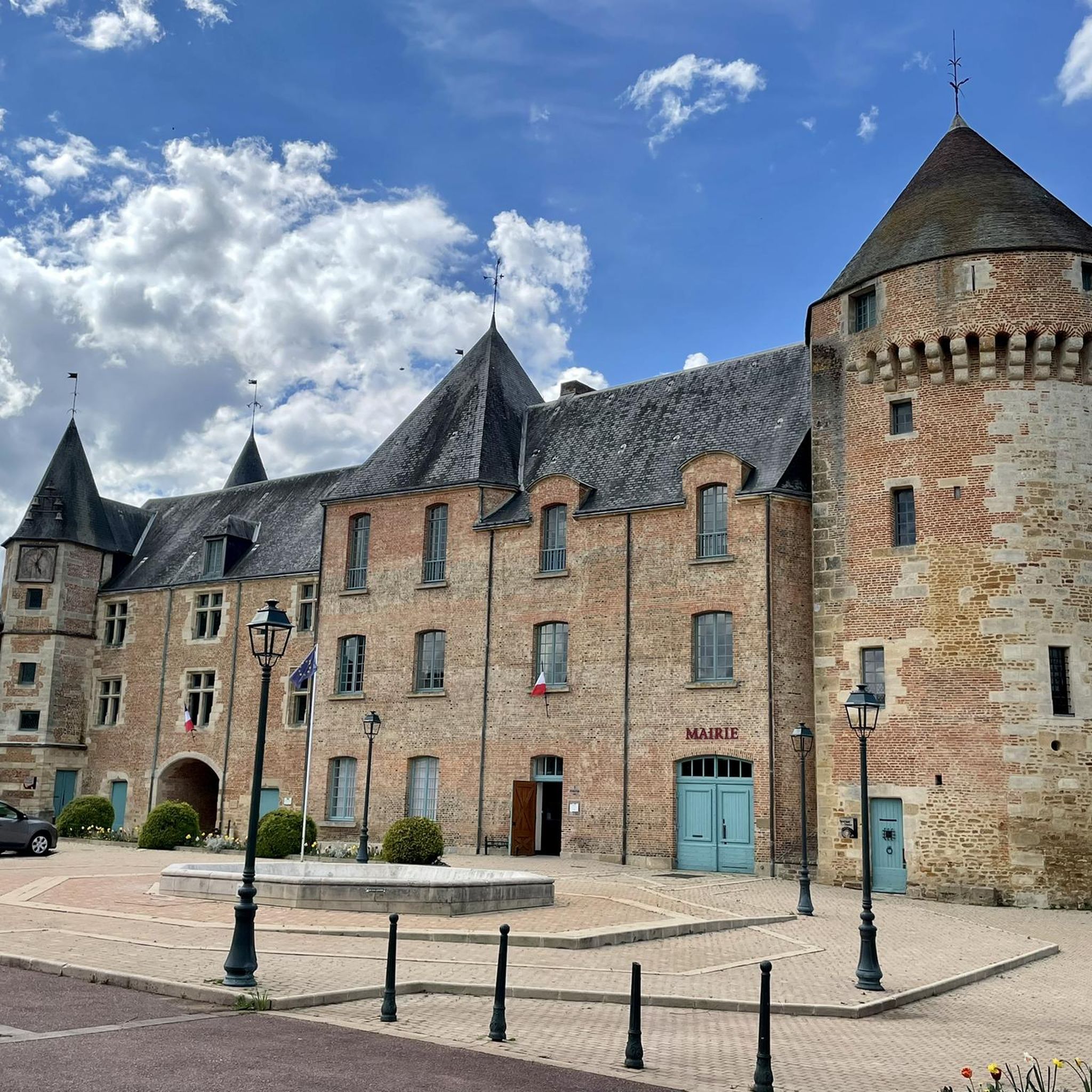
Château de Gacé
Highlight • Castle
The large towers were built in the 15th century. The north facade was built in …
Translated by Google •
Tip by

Sign up now to discover places like this
Get recommendations on the best single tracks, peaks, & plenty of other exciting outdoor places.
Sign up for free
Vajradhara-Ling Stupa
Highlight • Religious Site
Translated by Google •
Tip by
Villebadin Castle
Highlight • Castle
Translated by Google •
Tip by
Exmes
Highlight • Settlement
Nice view of Le Pin stud farm and the Pays d'Argentan.
Many hiking trails from the village.
Translated by Google •
Tip by

Start today with a free account
Your next adventure awaits.
Login or Signup



Tips from the Community

Villebadin Castle is a manor built at the end of the reign of Henri IV and equipped with a set of outbuildings from the second half of the 18th century. You can admire the classic architecture of the entrance, marked by pilasters, and the elegant dovecote, also listed as a historic monument. The castle is surrounded by a large park with trees and flowers, where you can stroll in complete tranquility. Villebadin Castle is an ideal destination for history and nature lovers.
2
0
Ruins of an ancient Benedictine abbey, founded in the 6th century by Saint Évroult, a nobleman who became a monk. Saint-Évroult Abbey was a center of learning and culture in the Middle Ages, but it was destroyed during the French Revolution. You can still admire the remains of the Gothic church, the cloister and the abbot's house, as well as the view of the pond and the forest. The abbey also has an interpretation center which tells its history and presents some archaeological discoveries, such as a beautiful 12th century rose window. You can also spend the night in the gîte set up in the abbot's former home. Saint-Évroult Abbey is a place where you can immerse yourself in the past and appreciate the beauty of nature.
2
0
Saint-Evroult Abbey is a 7th century Benedictine abbey. The splendid ruins you see in front of you are the result of major works carried out in the 13th century when the abbey was enriched.
2
0

The village is very pretty. The effort to access it too.
0
0
A beautiful old building, which is also the town hall.
0
0

The poetry of ruins… Time stands still in this quiet village in the Pays d’Ouche. On the small square, the wide Gothic arcades of the gatehouse are open. Past the porch, lie the remains of the old 13th century abbey church below. Of this long building of around a hundred meters, there remain elevated parts of the porch and the transept, as well as the bases of the walls and columns of the nave which perfectly outline the plan. The open perspective on the large pond to the east, the light and the tranquility of the place give an intense charm to the walk. Founded in the 7th century by Evroult, a notable close to Merovingian power, Notre-Dame-du-Bois experienced a brilliant renaissance in the 11th century with the arrival of monks from Bec then Jumièges and the assistance of two Norman families. An intellectual and artistic center, its scriptorium was one of the most famous in Normandy. This era is marked by the stay of exceptional personalities, such as Lanfranc, prior of Bec Abbey, but especially Orderic Vital, famous historian of the Norman church. Having become very rich, the abbey underwent a period of great reconstruction in the 13th century, of which the current ruins are testimony. You can now rediscover the atmosphere and charm of this abbey by staying at the stopover gite set up in the former abbey home. source: https://www.abbayes-normandie.com/groupes/tours-operateurs/abbaye-de-saint-evroult-notre-dame-du-bois/
0
0
Pretty village perched on its promontory. Some beautiful coasts to get there, and a beautiful panorama as a reward!
0
0
Frequently Asked Questions
What historical sites can I visit around Gacé?
The region around Gacé is rich in history. You can explore the ruins of the 7th-century Benedictine Abbaye de Saint-Evroult, which features splendid 13th-century Gothic remains and an interpretation center. Another significant site is the Château de Gacé, with foundations dating back to the 12th century, and the elegant Villebadin Castle, built at the end of Henri IV's reign.
Are there any museums in Gacé?
Yes, Gacé hosts a couple of interesting museums. Within the Château de Gacé, you'll find the Musée de la Dame aux Camélias, dedicated to Alphonsine Plessis (Marie Duplessis), the inspiration for Alexandre Dumas fils' famous novel. The château also houses the Musée des Minéraux et des Fossiles, displaying a collection of minerals and fossils, many sourced from Normandy.
What outdoor activities are available around Gacé?
The Gacé area offers a variety of outdoor activities. You can find numerous trails for hiking, cycling, and horse riding. For specific routes, you can explore options like the 'Château de Gacé loop' for hiking or cycling, or various running trails. Discover more routes on the Hiking around Gacé, Cycling around Gacé, and Running Trails around Gacé guide pages.
Are there any easy walking trails near Gacé?
Yes, there are several easy walking trails. For instance, the 'Château de Gacé loop from Gacé' is an easy 5.7 km hike, and the 'Château loop from Ménil-Hubert-en-Exmes' is another easy option at 6.9 km. You can find more details and other easy routes on the Hiking around Gacé guide page.
Where can I experience nature and scenic views near Gacé?
For nature and scenic views, consider visiting the Coteau des Champs Genêts, a typical limestone hillside offering magnificent panoramic landscapes in the Pays d'Auge. The Prairies de Campigny feature peat meadows in the Touques Valley. Additionally, the picturesque village of Exmes, perched on a hill, provides beautiful views of Le Haras du Pin and the Pays d'Argentan.
Are there family-friendly attractions in the Gacé area?
Yes, several attractions are suitable for families. The Abbaye de Saint-Evroult and Château de Gacé are both listed as family-friendly, offering historical exploration. The surrounding area also provides numerous walking and cycling trails that can be enjoyed by families.
What is the significance of the <a href="https://www.komoot.com/highlight/1114591" target="_blank" rel="noopener">Vajradhara-Ling Stupa</a> near Gacé?
The Vajradhara-Ling Stupa is an unexpected spiritual site in the region, focusing on prayer and practice. It features a temple, a stupa, and two prayer wheels, including a large one containing 100,000 printed mantras. It offers a unique cultural and spiritual experience.
What is the best time of year to visit Gacé?
Gacé and its surroundings are charming throughout the warmer months, typically from spring to early autumn (April to October). During this period, the weather is generally pleasant for exploring historical sites, enjoying outdoor activities like hiking and cycling, and experiencing the natural beauty of the region's landscapes.
Where can I find places to eat or drink near Gacé's attractions?
The village of Exmes, a picturesque settlement near Gacé, is known to have options for restaurants and cafes. Gacé itself, as a town, will also offer local establishments where you can dine or have a drink.
How can I explore the region's natural parks from Gacé?
While not directly in Gacé, the extensive Normandie-Maine Regional Nature Park is within the broader region. This park is known for its exceptional natural sites, including forests, bocage, and streams, offering opportunities for hiking, mountain biking, fishing, and canoeing. You can find more information about the park at tourisme-alpesmancelles.com.
Is there parking available at the main attractions in Gacé?
For attractions like the Château de Gacé, which houses municipal services, parking is generally available nearby within the town. For sites like the Abbaye de Saint-Evroult, there is usually designated parking for visitors. It's always a good idea to check local signage upon arrival.
Are any attractions around Gacé wheelchair accessible?
Specific accessibility information for all attractions is not readily available. However, historical sites like the ruins of Abbaye de Saint-Evroult or the grounds of Château de Gacé may have varying levels of accessibility due to their historical nature. It is recommended to contact individual sites directly for detailed accessibility information before your visit.

Get inspired with the komoot mobile app


Explore more
Still not found the Highlight you’re looking for? See guides of the top attractions in other regions:
