Attractions and Places To See around Sanilhac-Sagriès - Top 20
Best attractions and places to see around Sanilhac-Sagriès include a mix of historical sites and natural wonders in the Gard department of France. The commune, comprising Sanilhac and Sagriès villages, offers access to the dramatic Gorges du Gardon, a UNESCO biosphere reserve known for its emerald river and rocky landscapes. Visitors can explore ancient fortresses, traditional village churches, and prehistoric monuments, alongside significant regional attractions within a short distance. The area provides a glimpse into traditional French life and rich historical heritage.
Best attractions and places to see around Sanilhac-Sagriès
- The most popular attractions is Pont du Gard, a historical site that is a 2000-year-old Roman aqueduct. This impressive structure is one of the largest sights in the region, recognized as a UNESCO World Heritage site.
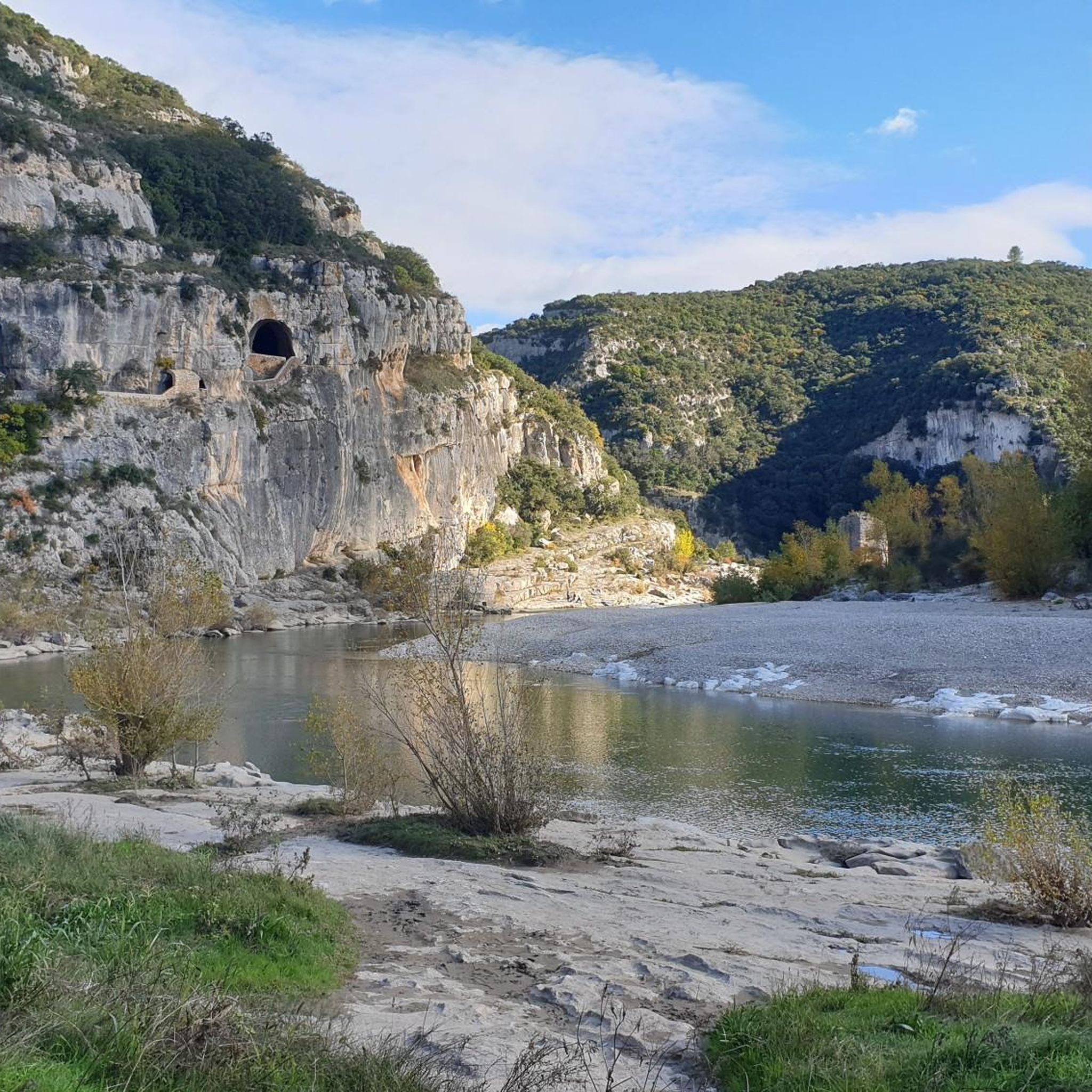
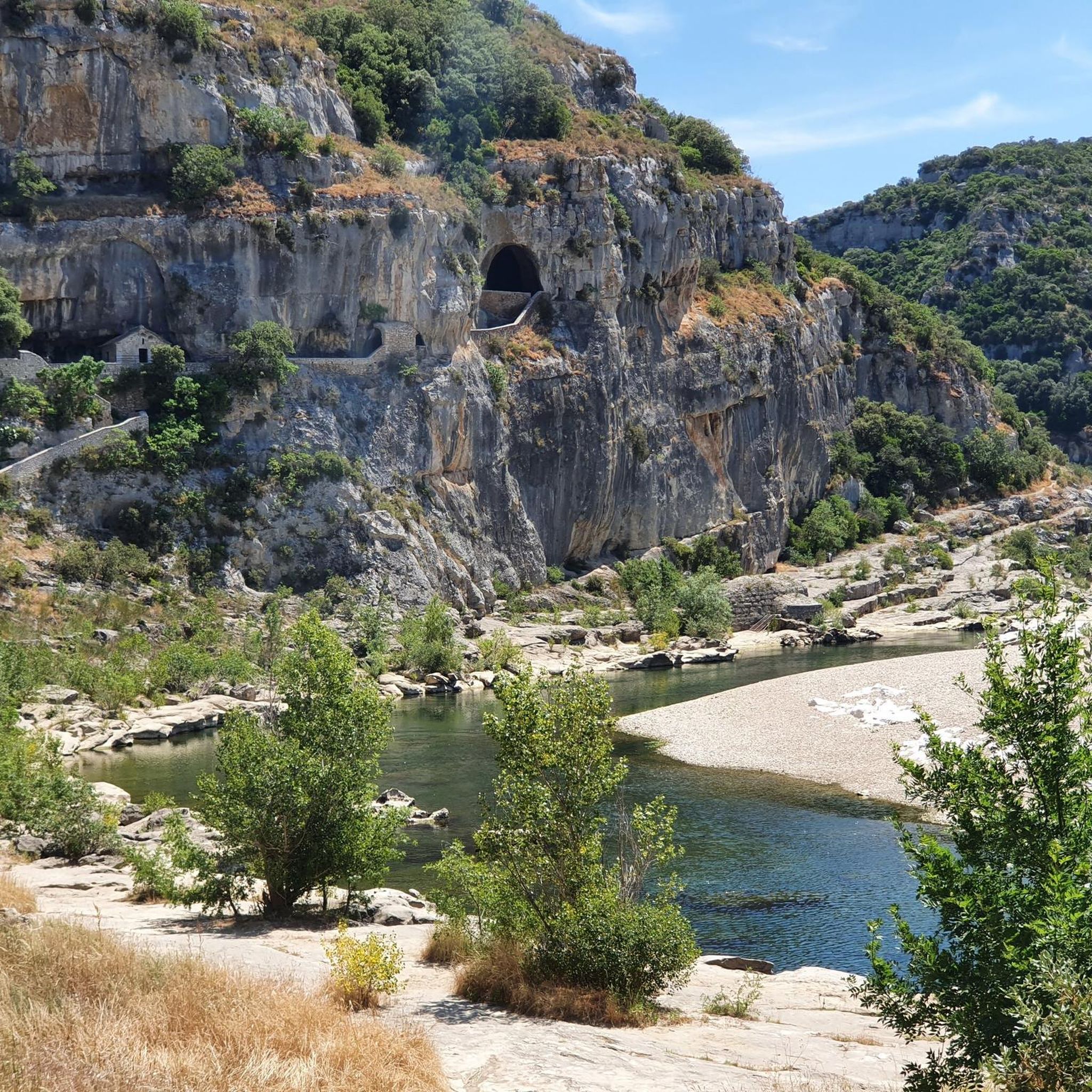
- Another must-see spot is La Baume Saint-Vérédème Cave and Chapel, a cave and historical site. This location features a chapel and a 150-meter-long cave, which served as a dwelling during the Paleolithic Age and later became a pilgrimage site.
- Visitors also love Uzès, a settlement known for its charming medieval center. This town, located just 7 km away, offers a cathedral, medieval gardens, and towers.
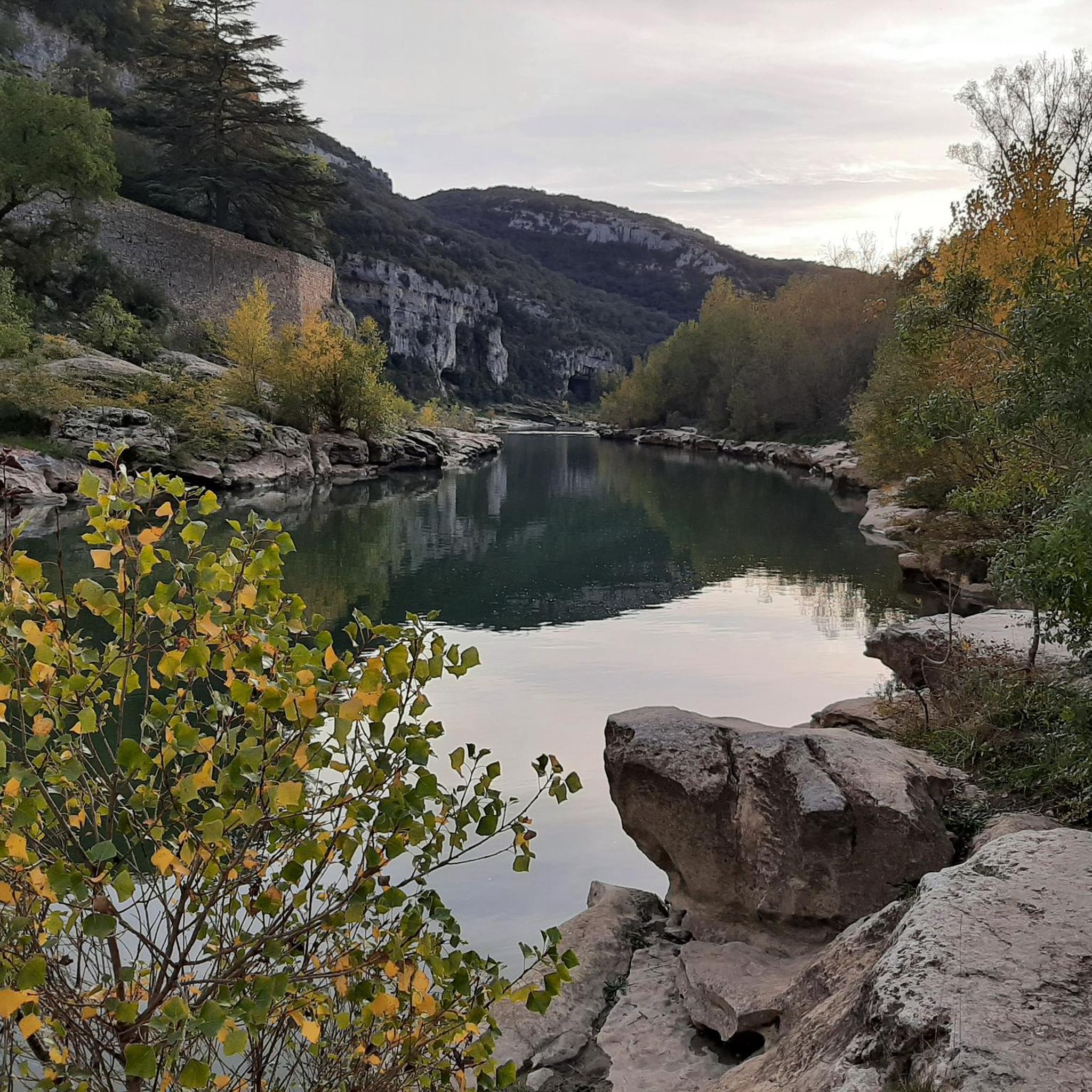
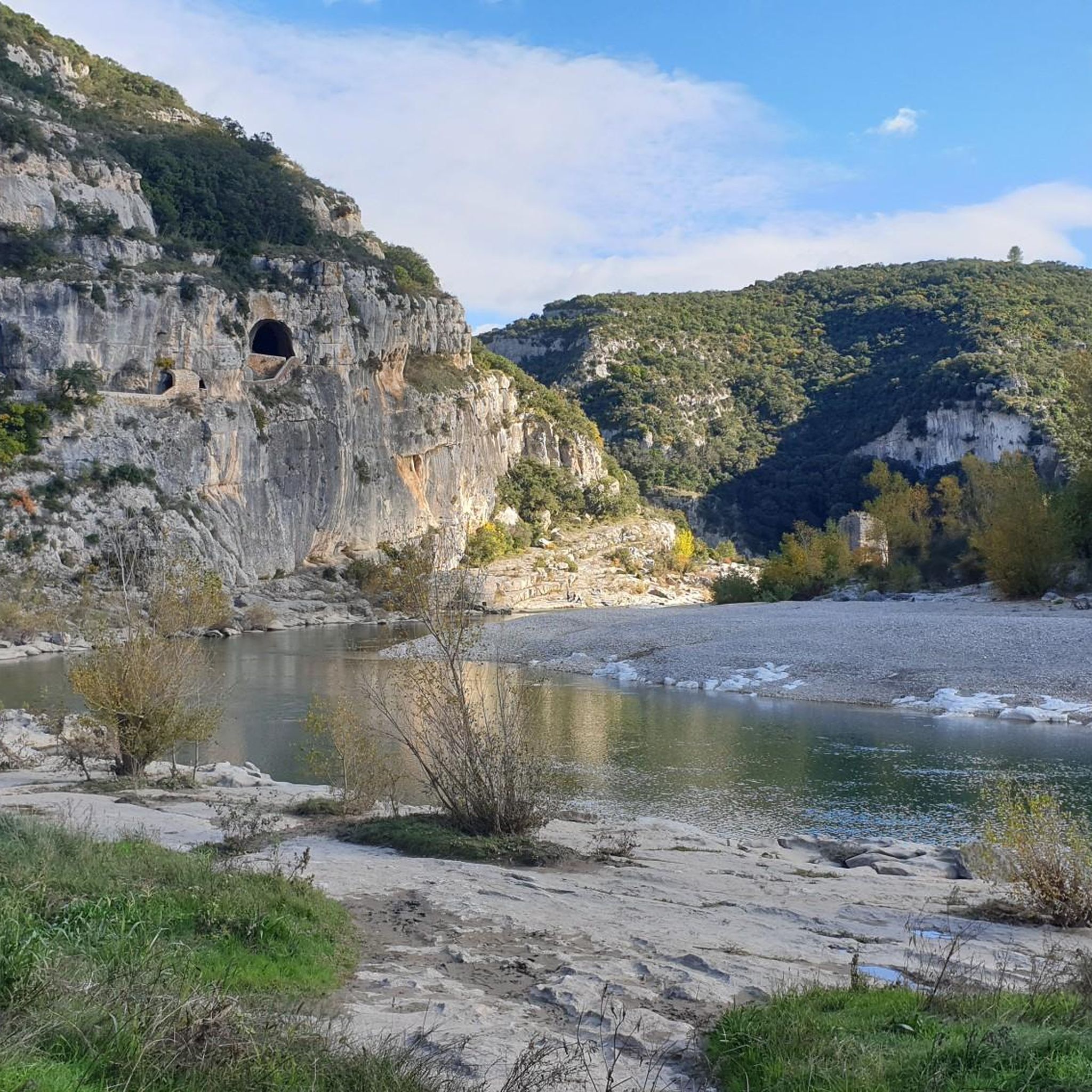
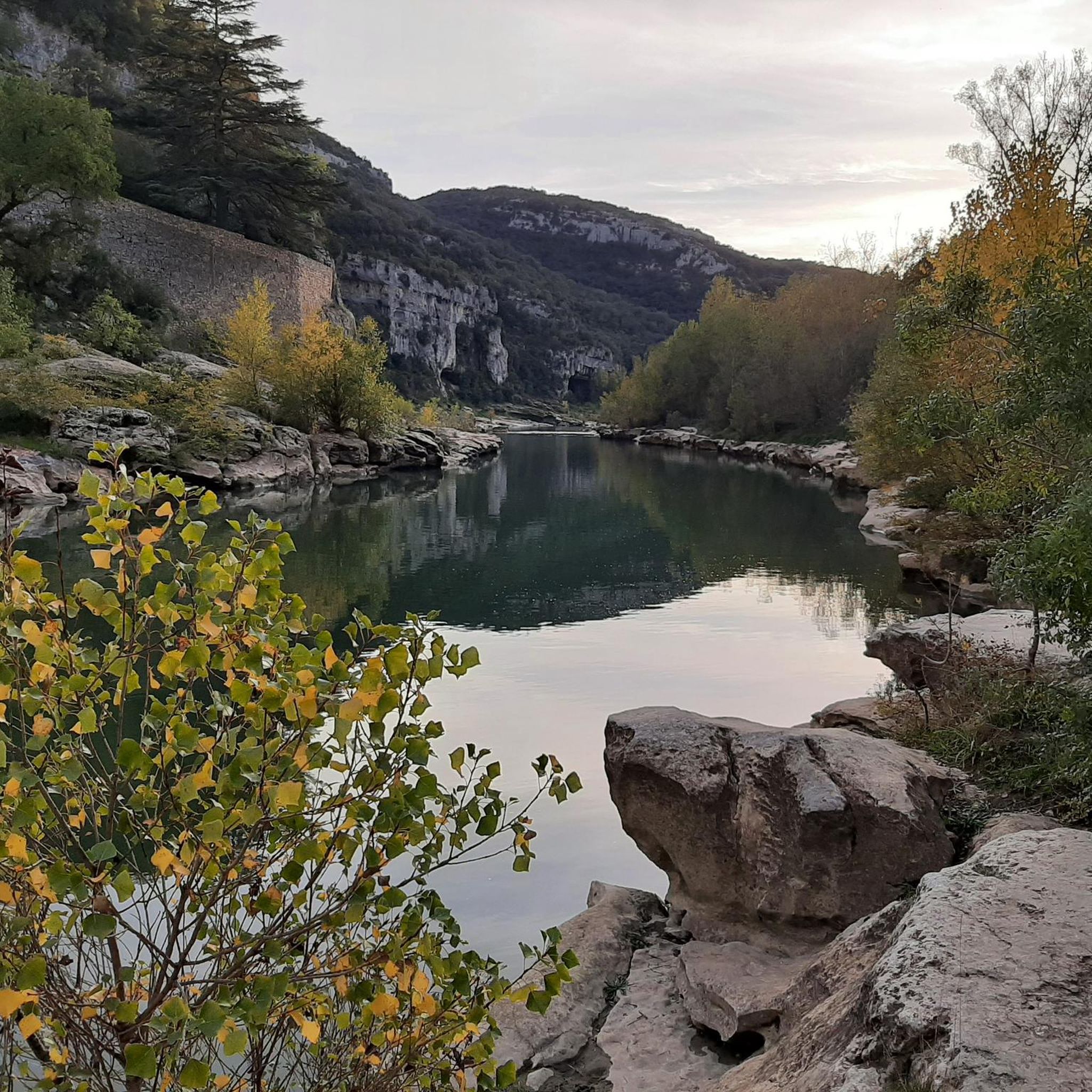
- Sanilhac-Sagriès is known for its historical sites, natural features, and nearby towns. The area offers a variety of attractions, from ancient fortresses and churches to the Gorges du Gardon and the prehistoric Menhir Bamboche.
- The attractions around Sanilhac-Sagriès are appreciated by the komoot community, with more than 1100 upvotes and over 600 photos shared by visitors.
Last updated: July 20, 2026
Pont du Gard
Highlight • Historical Site
Showing Translation
Tip by

Pont du Gard millennium olive tree
Highlight • Natural Monument
Translated by Google •
Tip by

Sign up now to discover places like this
Get recommendations on the best single tracks, peaks, & plenty of other exciting outdoor places.
Sign up for free
Saint Vérédème Chapel
Highlight • Other
Translated by Google •
Tip by

Remains of the Old Remoulins Suspension Bridge
Highlight • Bridge
Translated by Google •
Tip by

La Baume Saint-Vérédème Cave and Chapel
Highlight • Cave
Translated by Google •
Tip by

Sign up for free to discover even more attractions around Sanilhac-Sagriès.
Sign up for free
Already have an account?
Start today with a free account
Your next adventure awaits.
Login or Signup
Tips from the Community

A masterpiece of Roman engineering, the Pont du Gard is a UNESCO World Heritage site. This three-tiered aqueduct is one of the region's iconic landmarks.
0
0

A quiet place, where it's important to meditate, letting the leaves rustle. A hermit performed several miracles here. This small chapel has become a place of pilgrimage. If you go here, respect the silence, as well as the grounds! Don't prevent others from believing what they want to believe.
2
0
Access is only available during certain periods of the year, due to the conservation of the small inhabitants that inhabit the area. The cave is open from August 16th to November 14th, and from March 16th to April 30th. Bring a good flashlight, as the crossing can take approximately 5 to 10 minutes. This cave is nothing more than the former underground passage of the Gardon River. Accessible to all, be careful, however, once you have crossed, you will be close to the cliff on the other side. The path beyond (T2/T3) can be daunting for some people. Don't hesitate to turn back if you have any hesitation.
1
0

I was born in the year 908. I measure 5m in trunk circumference, 15m in stump circumference.
0
0

Beautiful old olive tree with a resinous crown
0
0

It is said to be 1000 years old
1
0

upper two bridge levels closed
0
0

Ancient olive tree. Nice to see how long a plant can last. Approximately 1100 years old.
0
0
Frequently Asked Questions
What historical sites can I explore in Sanilhac-Sagriès and its immediate surroundings?
The area is rich in history. You can visit the ancient Château de Sanilhac, which dates back to the 10th century, or explore the old, covered lavoirs (wash houses) in both Sanilhac and Sagriès. Don't miss the prehistoric Menhir Bamboche, an ancient standing stone easily visible beside the D112 road.
Are there any significant natural attractions near Sanilhac-Sagriès?
Absolutely. The most prominent natural highlight is the Gorges du Gardon, a UNESCO world biosphere reserve. This area features an emerald river, diverse fauna, and dramatic rocky limestone walls, perfect for outdoor activities. Within the gorges, you can find La Baume Saint-Vérédème Cave and Chapel, a site with a 150-meter-long cave that served as a dwelling during the Paleolithic Age.
What are the best options for hiking around Sanilhac-Sagriès?
Numerous trails crisscross the garrigue hills between the villages, with some leading towards Uzès and through the Gorges du Gardon. For specific routes, you can explore options like the 'Viewpoint over the Gorges du Gardon' loops or trails leading to the Saint Vérédème Chapel. Find detailed routes and their difficulties on the Hiking around Sanilhac-Sagriès guide.
What family-friendly attractions are available in the region?
The Pont du Gard is an excellent family-friendly destination, offering a museum, shops, and the opportunity to splash in the river. The nearby town of Uzès also has the Haribo Candy Museum, which is popular with children.
Can I go cycling or mountain biking near Sanilhac-Sagriès?
Yes, the area offers various cycling and mountain biking opportunities. You can find routes like the 'Pont du Gard – View of the Pont du Gard loop' for touring bicycles or the 'Uzès – Uzès Castle loop' for mountain biking. Explore more options on the Cycling around Sanilhac-Sagriès and MTB Trails around Sanilhac-Sagriès guides.
What are some notable viewpoints in the Sanilhac-Sagriès area?
For stunning views, head to the Gorges du Gardon, where dramatic rocky walls offer picturesque panoramas. The Remains of the Old Remoulins Suspension Bridge also provide a wonderful view of the river and the surrounding landscape, including the new bridge.
What nearby towns are worth visiting for a day trip?
Several charming towns are within a short drive. Uzès, just 7 km away, is a medieval town with a beautiful center and cathedral. Nîmes, about 19 km distant, boasts well-preserved Roman monuments like the Amphitheater and Maison Carrée. Avignon, approximately 37 km away, is home to the historic Palais des Papes.
Are there any ancient Roman structures to see in the vicinity?
Definitely. The most impressive is the Pont du Gard, a magnificent 2000-year-old Roman aqueduct and a UNESCO World Heritage site, located about 12 km from Sanilhac-Sagriès. Further afield in Nîmes, you can explore the well-preserved Roman Amphitheater and Maison Carrée.
What do visitors enjoy most about the attractions around Sanilhac-Sagriès?
Visitors frequently appreciate the blend of historical grandeur and natural beauty. The Pont du Gard is often highlighted for its impressive architecture and the opportunity to enjoy the river. The charming medieval atmosphere of Uzès and the unique experience of exploring the Gorges du Gardon are also highly rated.
Are there any hidden gems or lesser-known spots to discover?
Beyond the main attractions, consider exploring the compact village of Sagriès with its twisting streets, or the 12th-century village of Sanilhac. The Oppidum du Jas di Biou, an Iron Age fortified settlement overlooking the plain of Riaou and the Gorges du Gardon, offers a glimpse into ancient history away from the crowds.
What is the best time of year to visit Sanilhac-Sagriès for outdoor activities?
The region generally enjoys a Mediterranean climate. Spring (April-June) and early autumn (September-October) are often ideal for outdoor activities like hiking and cycling, as the weather is pleasant and temperatures are milder than the peak summer months. During these times, the natural landscapes are vibrant, and the crowds are typically smaller.
Most popular routes around Sanilhac-Sagriès
Most popular attractions around Sanilhac-Sagriès

Get inspired with the komoot mobile app


Explore more
Still not found the Highlight you’re looking for? See guides of the top attractions in other regions:
