Attractions and Places To See around Gallargues-Le-Montueux - Top 20
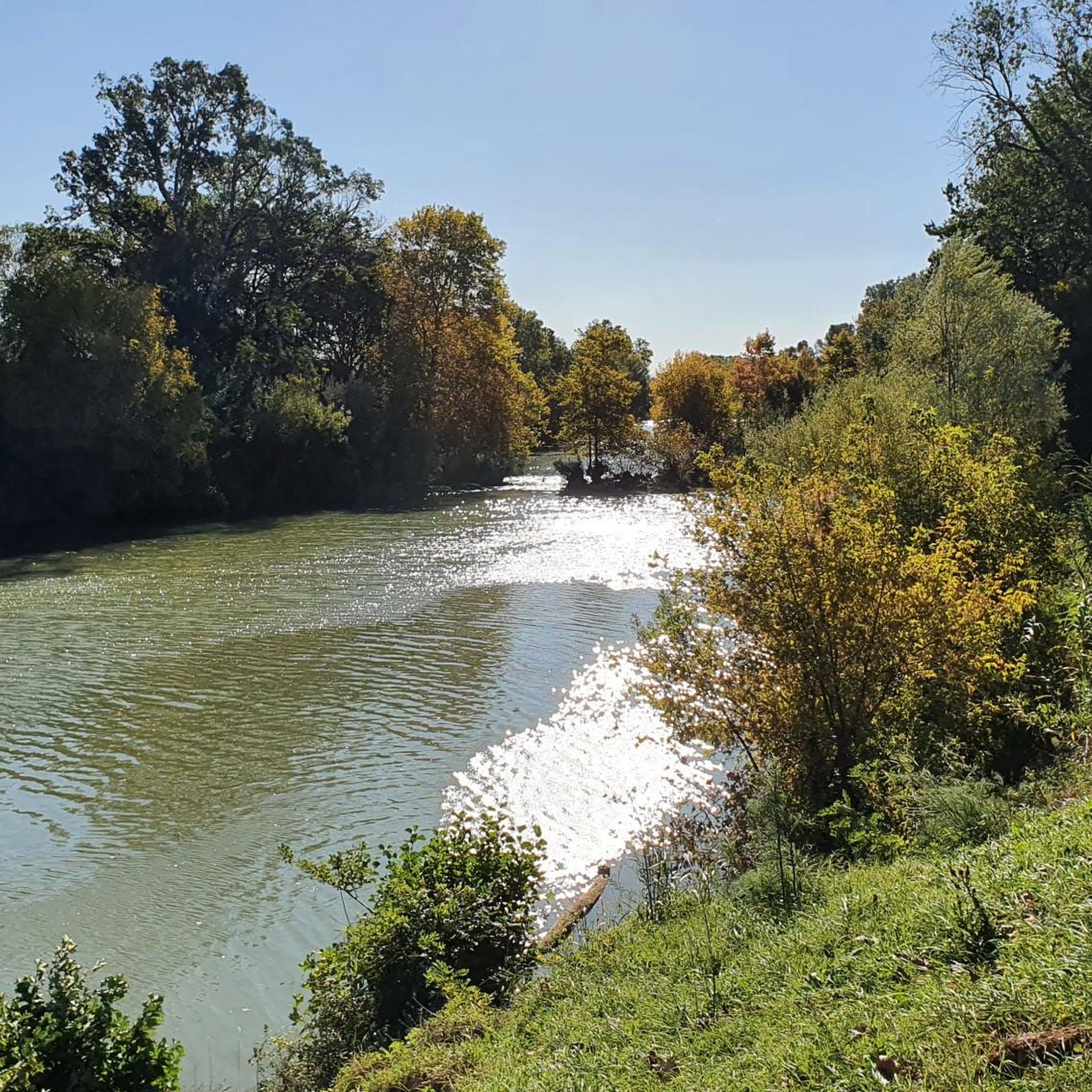
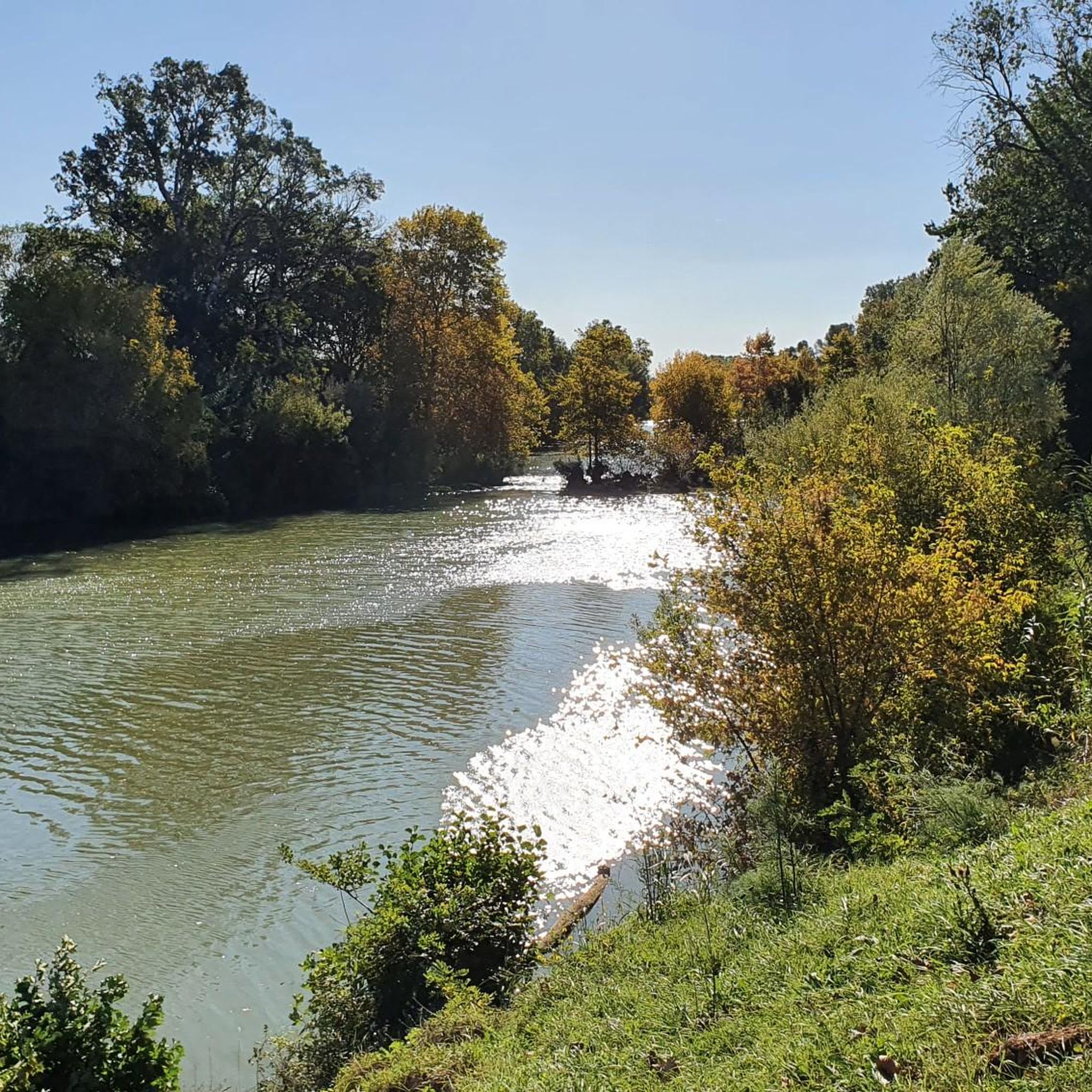
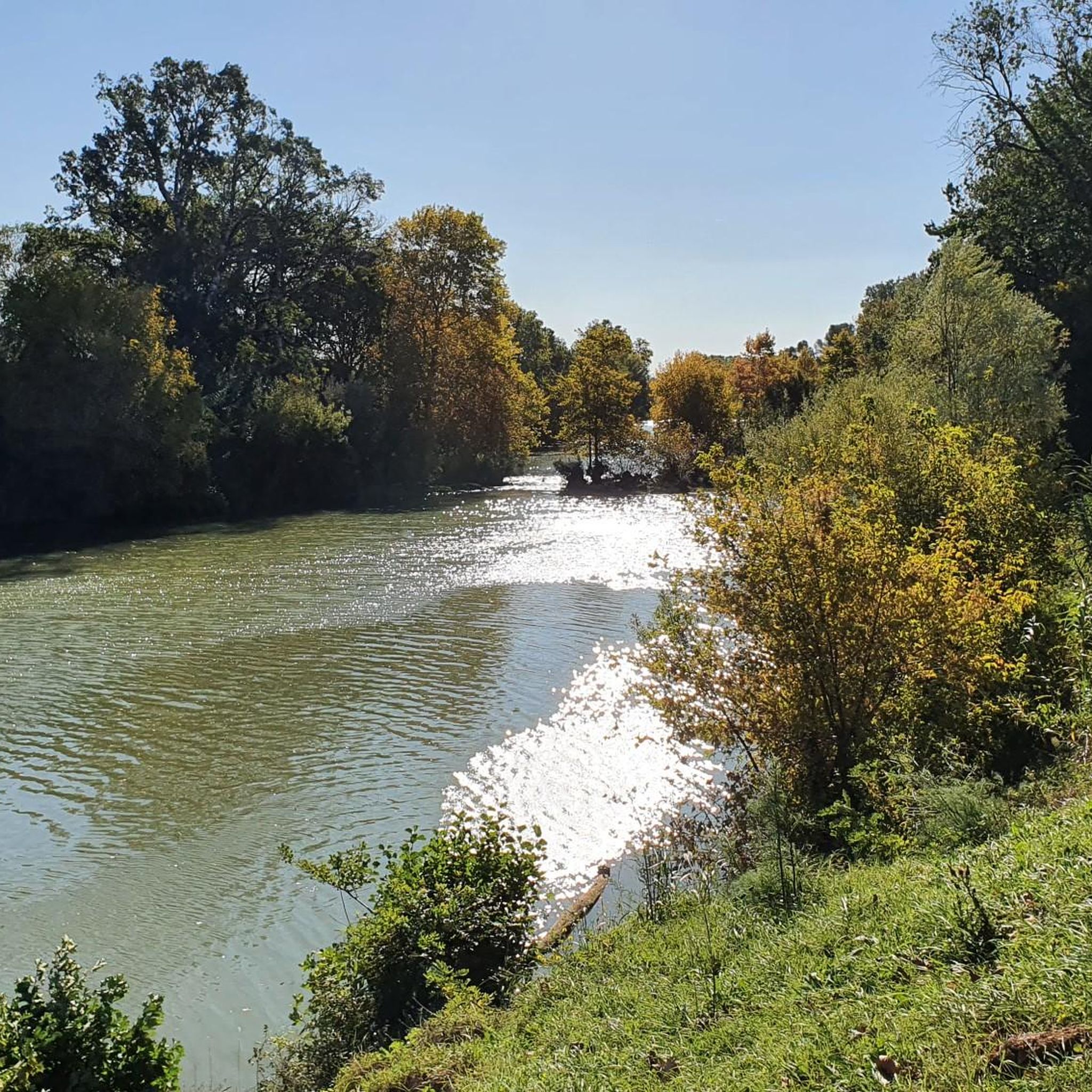
Best attractions and places to see around Gallargues-Le-Montueux include historical landmarks, natural features, and cultural sites within the Gard department of France. The commune is situated near the Vidourle river, which forms a natural boundary and is part of a Natura 2000 protected area. Visitors can explore ancient structures and delve into the region's heritage. The area offers a blend of historical significance and natural settings.
Best attractions and places to see around Gallargues-Le-Montueux
- The most popular attractions is Carrières…
Last updated: July 20, 2026
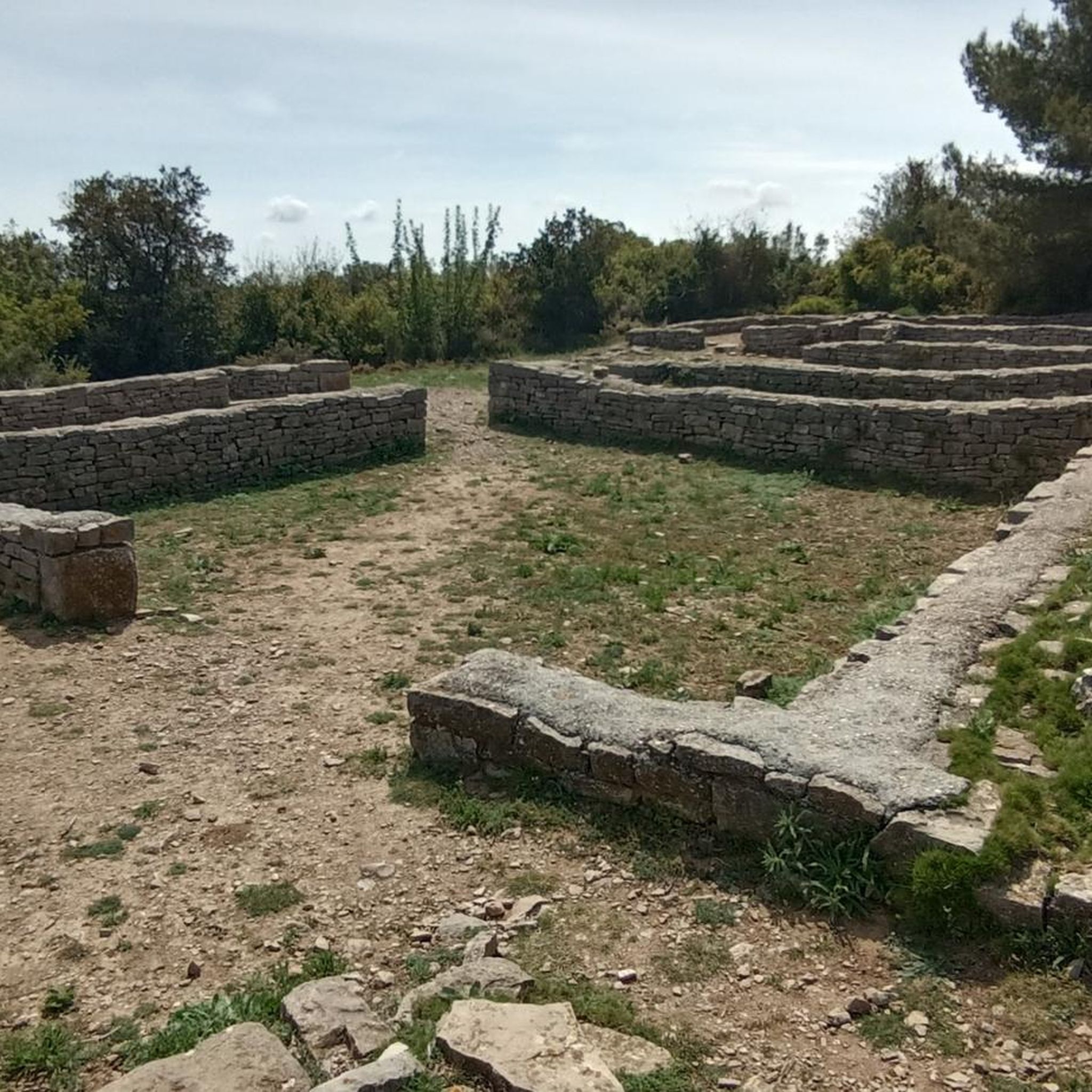
Oppidum of Ambrussum – dwellings in the southern quarter
Highlight • Other
Translated by Google •
Tip by

Former Bon Temps quarries
Highlight (Segment) • Other
Translated by Google •
Tip by

Sign up now to discover places like this
Get recommendations on the best single tracks, peaks, & plenty of other exciting outdoor places.
Sign up for free
Carrières de Junas
Highlight • Structure
Translated by Google •
Tip by

Ambrussum museum and archaeological site
Highlight • Historical Site
Translated by Google •
Tip by

Saint-Saturnin Church of Aimargues
Highlight • Religious Site
Translated by Google •
Tip by

Sign up for free to discover even more attractions around Gallargues-Le-Montueux.
Sign up for free
Already have an account?
Start today with a free account
Your next adventure awaits.
Login or Signup

Tips from the Community

The Church of Saint-Saturnin in Aimargues is a Catholic church built in the 19th century to replace the former Church of Sainte-Croix. It was consecrated in 1879. It is particularly distinguished by its neo-Gothic architecture, its 19th-century stained-glass windows, and the presence of the relics of Saint Artimidora.
0
0

Aimargues, with its small streets and lively market, is very lively.
0
0

Redeveloped in 1987 by a small group of villagers (Association les Carrières du Bon Temps), the site also serves as the venue for numerous festivities, including a very famous annual jazz festival (“Jazz à Junas” festival) in July. In addition, since 1988, JUNAS has been organizing the Rencontres de la Pierre, where novices, passionate amateurs or professional stonemasons have been meeting for 24 years and exchanging the history, techniques and know-how of these wonderful stone crafts.
0
0
A really great atmosphere there. You can stay there for a long time and take a break at the stone table in the shade under the tree. It is worth it ..
0
0

The site and the museum of Ambrussum (entrance to which is free) allow you to take a fascinating journey through time and discover this ancient Oppidum located on the banks of the Via Dommicia linking the Alps to the Pyrenees. Guided tours are also possible. Do not hesitate to consult the website.
1
0

A grandiose and magical place, forged by more than 2000 years of rock quarrying using an unchanged manual method, hundreds of cubic meters of stone quarried there were used in particular to build the Pont de Sommières, then later in Aigues-Mortes and Vigan .
8
0
Les Carrières de Junas, or quarries of Good Time, is the site of an old stone quarry exploited since Antiquity and whose shapes evoke human constructions.
3
0

Crossed by the oldest road built in Roman times, the Via Domitia, and located on the banks of the Vidourle, the archaeological site of Ambrussum offers lovers of old stones a landscape steeped in history. The Ambrussum site encourages the visitor to discover the Ambroix bridge, the remains of old dwellings, a public building and an Oppidum classified as a Historic Monument. One can also observe the cobbled lane, the main artery of the Oppidum. You are invited to open the doors of the site museum composed of a space that can accommodate temporary exhibitions, a permanent exhibition hall, an audio-visual room and a shop.
2
0
Frequently Asked Questions
What historical sites can I explore in Gallargues-Le-Montueux?
Gallargues-Le-Montueux is rich in history. You can visit the ancient Ambrussum museum and archaeological site, which features an ancient Gallic oppidum and the Roman Ambroix Bridge, part of the Via Domitia. Other notable historical sites include the 13th-century Royal Tower and Chappe Telegraph, the Saint Martin Church with Carolingian origins, and the Protestant Temple of Gallargues-le-Montueux, built on the ruins of a former castle.
Are there any Roman-era attractions to visit?
Yes, the region has significant Roman heritage. The Ambrussum museum and archaeological site is a must-see, offering a journey through time to discover an ancient Oppidum located on the banks of the Via Domitia. This site includes the Roman Ambroix Bridge, which dates back to the 1st century and was a vital part of the ancient Roman road.
What is the significance of the Carrières de Junas?
The Carrières de Junas, also known as the Former Bon Temps quarries, are ancient stone quarries exploited since antiquity. The shapes within the quarries evoke human constructions, and hundreds of cubic meters of stone quarried here were used to build structures like the Pont de Sommières. It's a grandiose and magical place, appreciated for its unique atmosphere and historical significance.
Can I learn about the region's agricultural heritage?
Yes, you can explore the region's agricultural past. The Corbières Mill is an old watermill dating from 1482, showcasing the historical layout and operation of such mills. Additionally, the Museum of the Vine and Wine in Gallargues-le-Montueux is dedicated to the region's viticultural heritage.
What natural areas are worth visiting around Gallargues-Le-Montueux?
The Vidourle River is a significant natural feature, forming a boundary between the Gard and Hérault departments. The area also boasts remarkable natural heritage, including a Natura 2000 protected site along the Vidourle and two Zones Naturelles d'Intérêt Écologique, Faunistique et Floristique (ZNIEFF), highlighting its rich biodiversity.
Are there opportunities for cycling or mountain biking near the attractions?
Yes, the area around Gallargues-Le-Montueux offers various routes for cycling and mountain biking. You can find several touring bicycle routes, such as the 'Le Vidourle loop from Gallargues' or 'Camargue bulls – Mas de Pech Long loop'. For mountain biking, options include 'Carrières de Junas – Sommières–Caveirac Greenway loop' and 'Along the Vidourle River – Carbonnière Tower loop'. Explore more routes in the cycling guide and MTB trails guide.
Can I find easy walking trails in the area?
While specific easy walking trails are not detailed in the highlights, the natural settings along the Vidourle River and around historical sites like Ambrussum offer pleasant opportunities for leisurely strolls. Many of the historical sites themselves involve walking to explore, such as the archaeological site of Ambrussum.
Are there family-friendly attractions in Gallargues-Le-Montueux?
Yes, the Carrières de Junas is considered family-friendly, offering an intriguing landscape for exploration. Additionally, the nearby Le Village des Enfants in Montagnac provides an adventure park experience suitable for families.
What do visitors enjoy most about the attractions around Gallargues-Le-Montueux?
Visitors particularly enjoy the historical depth and unique atmosphere of the sites. For instance, the Carrières de Junas is praised for its 'grandiose and magical place' and the opportunity to 'marvel and climb'. The Ambrussum museum and archaeological site is appreciated for its free entry and the fascinating journey through time it offers.
What cultural experiences can I find in the region?
Beyond historical sites, Gallargues-Le-Montueux offers cultural insights into its heritage. You can visit the Museum of the Vine and Wine to understand the local viticulture, or the Museum of PTT to explore the history of postal and telecommunication services. The region also hosts traditional events like bullfights and 'Courses Camarguaises', reflecting its 'City of Camargue' designation.
Are there any unique geological formations or quarries to see?
Yes, the Carrières de Junas are a prime example. These ancient stone quarries, exploited since antiquity, feature intriguing formations that resemble human constructions. They offer a unique geological and historical experience, showcasing how the landscape has been shaped by both nature and human activity over millennia.
Can I visit any sites related to communication history?
Yes, the Royal Tower in Gallargues-le-Montueux once served as a relay for the optical Chappe telegraph, and a restored mechanism demonstrates its original function. Additionally, the Museum of PTT (Musée des PTT) showcases the history of postal and telecommunication services, providing a deeper look into communication evolution.
Most popular routes around Gallargues-Le-Montueux

Get inspired with the komoot mobile app


Explore more
Still not found the Highlight you’re looking for? See guides of the top attractions in other regions:
