Top 8 Castles around Pujaut
Castles around Pujaut offer a journey through medieval history in a region rich with cultural landmarks. Pujaut itself features the ruins of a medieval castle, Château de Pujaut, providing panoramic views from its hill. The surrounding area, nestled near the Rhône, is characterized by its historical significance and diverse landscapes. This location serves as a gateway to exploring several prominent and well-preserved castles nearby.
Best castles around Pujaut
- The most popular castles is Fort Saint-André, a castle that is…
Last updated: June 24, 2026
View from Pont Édouard-Daladier to the Pont Saint-Bénézet
Highlight • Viewpoint
The Pont …
Translated by Google •
Tip by

Papal Palace
Highlight • Historical Site
Translated by Google •
Tip by

Sign up now to discover places like this
Get recommendations on the best single tracks, peaks, & plenty of other exciting outdoor places.
Sign up for free
Châteauneuf-du-Pape Castle
Highlight • Castle
Translated by Google •
Tip by

Fort Saint-André
Highlight • Castle
Translated by Google •
Tip by
Château des Papes of Châteauneuf-du-Pape
Highlight • Castle
Translated by Google •
Tip by

Sign up for free to discover even more castles around Pujaut.
Sign up for free
Already have an account?
Start today with a free account
Your next adventure awaits.
Login or Signup

Tips from the Community

Fort Saint-André near Avignon sits atop a hill above Villeneuve-lès-Avignon, offering sweeping views of the Rhône and the papal city. The fortress dates back to the 14th century and is almost completely preserved, including its defensive walls, towers, and chapel. Visitors can explore the historic defenses and admire the medieval architecture from the battlements. Exhibitions and guided tours are regularly held on site, vividly conveying the region's history.
0
0
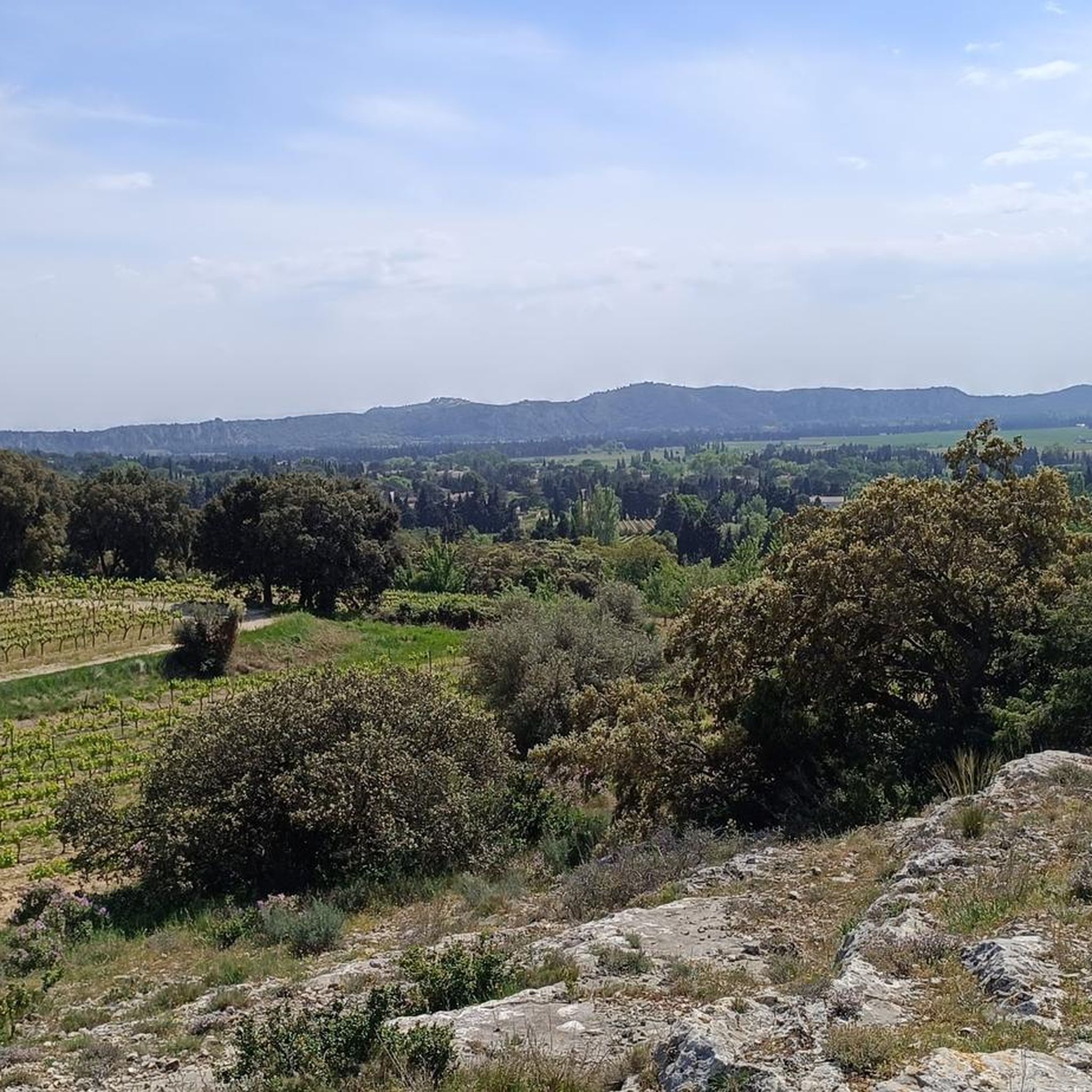
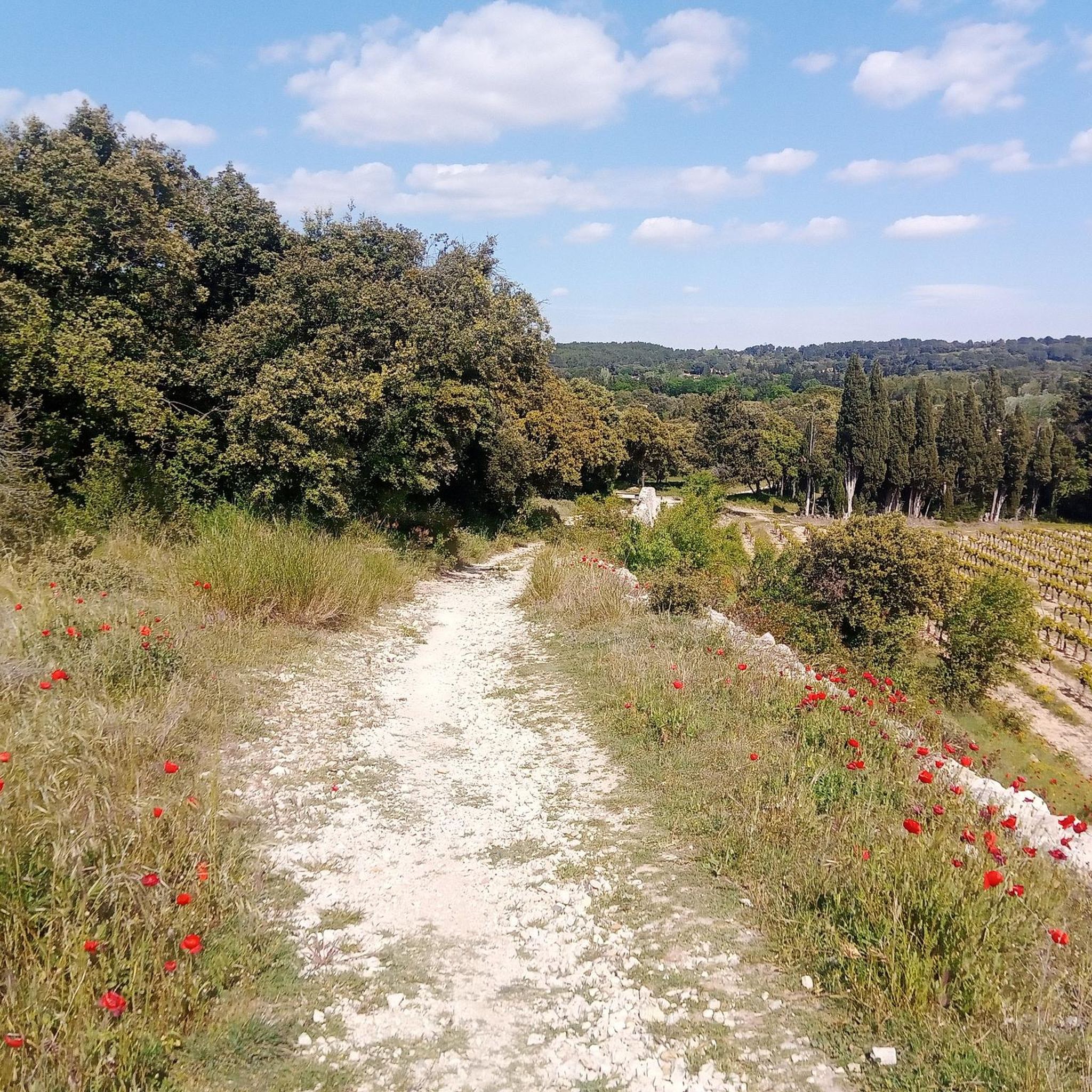
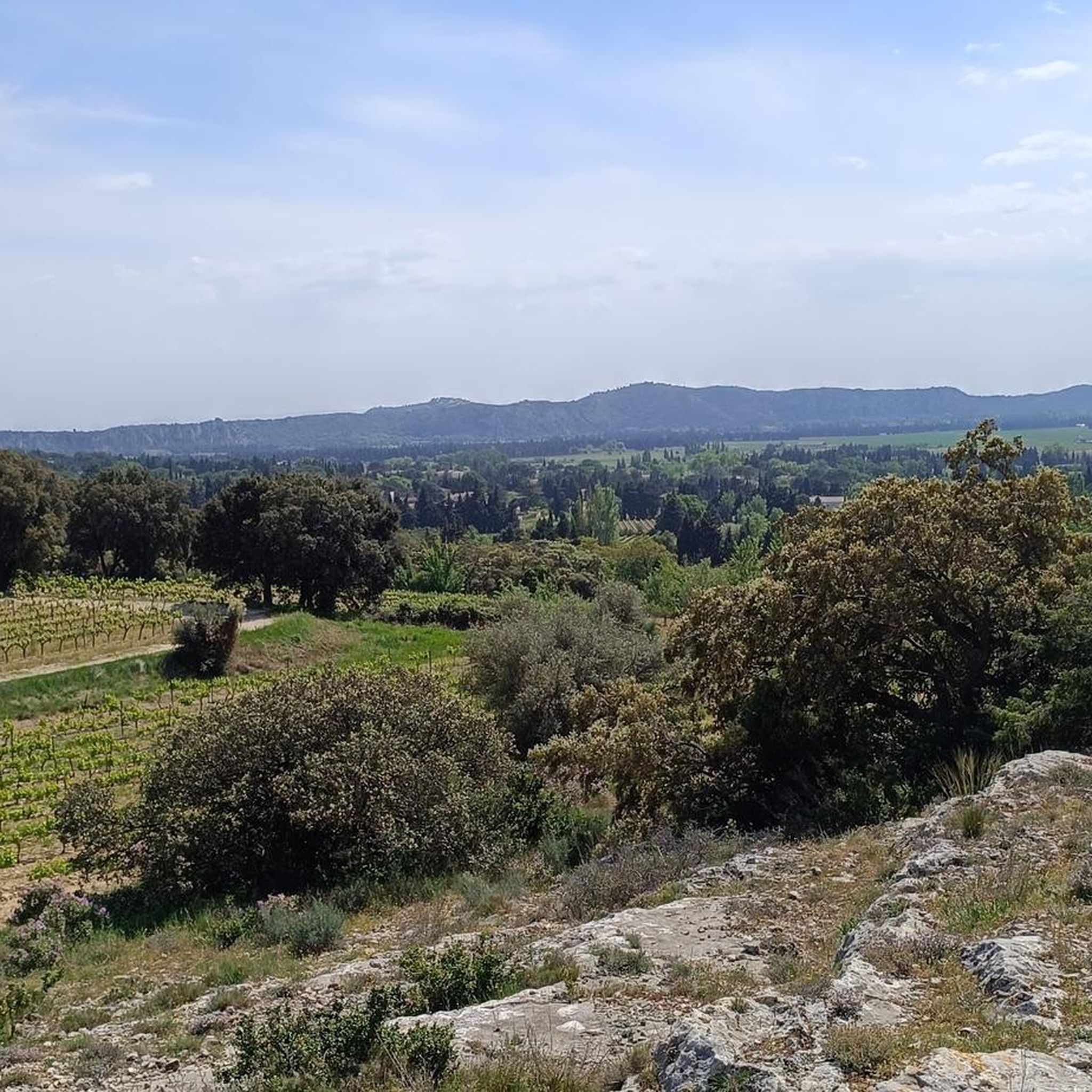
The Château de Châteauneuf-du-Pape is situated on a hill with panoramic views over the Rhône plain. The castle ruins date back to the 14th century and showcase medieval papal architecture. Wine lovers can sample the appellation's famous red wines in the surrounding area. The grounds offer numerous hiking trails between vineyards and lavender fields. Visitors gain insights into the history of the papal summer residence and the regional culture of Provence.
0
0
The Château de Châteauneuf-du-Pape is situated on a hill with panoramic views over the Rhône plain. The castle ruins date back to the 14th century and showcase medieval papal architecture. Wine lovers can sample the appellation's famous red wines in the surrounding area. The grounds offer numerous hiking trails between vineyards and lavender fields. Visitors gain insights into the history of the papal summer residence and the regional culture of Provence.
0
0

Nice church. Simple interior. Shame you can't go right in to have a look around.
0
0

Very nice! The information on the website that dogs are allowed is incorrect.
0
0


Great place to picnic at the top with the option of a quick vin rouge at the tasting at the top
0
0

When it came to power, French kings Philip the Handsome and John the Good were determined to assert their position against the Avignon popes! The royal symbol of power was built in the 1360's on Mont Andaon, which overlooks Villeneuve. The impressive fortress housed permanent barracks, a court of law and a prison, which still contains 18th and 19th century doodles made by prisoners.
5
0
Frequently Asked Questions
What types of castles can I explore around Pujaut?
The region around Pujaut offers a diverse range of historical sites. You can visit the ruins of the local Château de Pujaut, explore the grand medieval Gothic architecture of the Papal Palace in Avignon, or discover the well-preserved defensive structures of Fort Saint-André. There are also picturesque castle ruins like the Châteauneuf-du-Pape Castle, set amidst vineyards.
Are there any family-friendly castles to visit near Pujaut?
Yes, several castles offer engaging experiences for families. The Papal Palace in Avignon provides an interactive multimedia tablet, Histopad, which uses augmented reality to show how rooms appeared historically, making it very engaging for children. While further afield, the Château des Baux de Provence also offers illustrated tours and seasonal events that bring history to life.
What is the best time of year to visit the castles around Pujaut?
The spring (April-May) and autumn (September-October) months are generally ideal for visiting the castles around Pujaut. The weather is pleasant for exploring, and the crowds are typically smaller than in the peak summer season. Summer can be very hot, but many sites offer indoor sections or shaded areas. Winter visits are possible, but some outdoor elements might be less enjoyable in colder weather.
Are there any castles with panoramic views in the Pujaut region?
Absolutely! The ruins of the Château de Pujaut itself offer panoramic views from its hill. Similarly, Fort Saint-André provides sweeping views of Villeneuve-lès-Avignon and the Rhône, while the Châteauneuf-du-Pape Castle ruins boast panoramic vistas over the Rhône plain and surrounding vineyards.
How long should I plan for a visit to the major castles?
For a comprehensive visit to the Papal Palace, you should allocate at least 2-3 hours to explore its 25 rooms and areas, especially if using the Histopad. Fort Saint-André can typically be explored in 1.5-2 hours. The Châteauneuf-du-Pape Castle ruins are smaller and can be seen in about 30-60 minutes, often combined with wine tasting in the village.
Are there any outdoor activities or routes near these castles?
Yes, the region offers various outdoor activities. You can find numerous gravel biking, road cycling, and mountain biking routes that pass by or are close to these historical sites. For example, there are routes like 'Villeneuve-lès-Avignon – Fort Saint-André loop' for gravel biking, or 'Avignon City Walls – Fort Saint-André loop' for mountain biking. You can explore more options in the Gravel biking around Pujaut, Road Cycling Routes around Pujaut, and MTB Trails around Pujaut guides.
Can I find cafes or restaurants near the castles?
Yes, especially near the more prominent sites. Avignon, home to the Papal Palace, has a wide array of cafes and restaurants. Villeneuve-lès-Avignon, near Fort Saint-André, also offers dining options. The village of Châteauneuf-du-Pape is renowned for its wine and features several establishments where you can enjoy local cuisine and wine tasting.
What is the historical significance of the castles in this region?
The castles around Pujaut are deeply intertwined with the history of the Avignon Papacy. The Papal Palace served as the residence for popes in the 14th century, making it a central site for Western Christianity. Fort Saint-André was built to assert French royal power against the Avignon popes, while the Châteauneuf-du-Pape Castle was a summer residence for Pope John XXII. Even the ruins of Château de Pujaut offer a glimpse into the region's medieval seigneurial past.
Are there any castles that are particularly well-preserved?
The Papal Palace is an exceptionally well-preserved example of medieval Gothic architecture, offering extensive interior spaces to explore. Fort Saint-André is also almost completely preserved, including its defensive walls, towers, and a chapel, providing a clear picture of a 14th-century fortress.
What makes the <a href="https://www.komoot.com/highlight/200791" target="_blank" rel="noopener">Papal Palace</a> a must-see attraction?
The Papal Palace is a UNESCO World Heritage site and one of Europe's largest and most important medieval Gothic buildings. Its immense scale, architectural grandeur, and rich history as a seat of Western Christianity are captivating. Visitors can explore grand ceremonial halls, treasure rooms, chapels with valuable frescoes, and private apartments, gaining deep insight into its past.
Can I visit the Château de Pujaut ruins?
Yes, the Château de Pujaut is largely in ruins but is freely accessible all year round. Perched on the hill known as 'Mourre Lou Casteu,' it offers a glimpse into the region's past through its medieval architecture and provides panoramic views of the surroundings.
Are there any castles that combine history with local culture, like wine?
The Châteauneuf-du-Pape Castle ruins are an excellent choice for this. Situated in the famous Châteauneuf-du-Pape wine region, a visit to the castle can be easily combined with wine tasting experiences at local vineyards, offering a blend of historical exploration and regional culinary culture.
Most popular attractions around Pujaut

Get inspired with the komoot mobile app


Explore more
Looking for the best castles somewhere else? Discover other guides around Pujaut:
