Attractions and Places To See around Sainte-Anastasie - Top 20
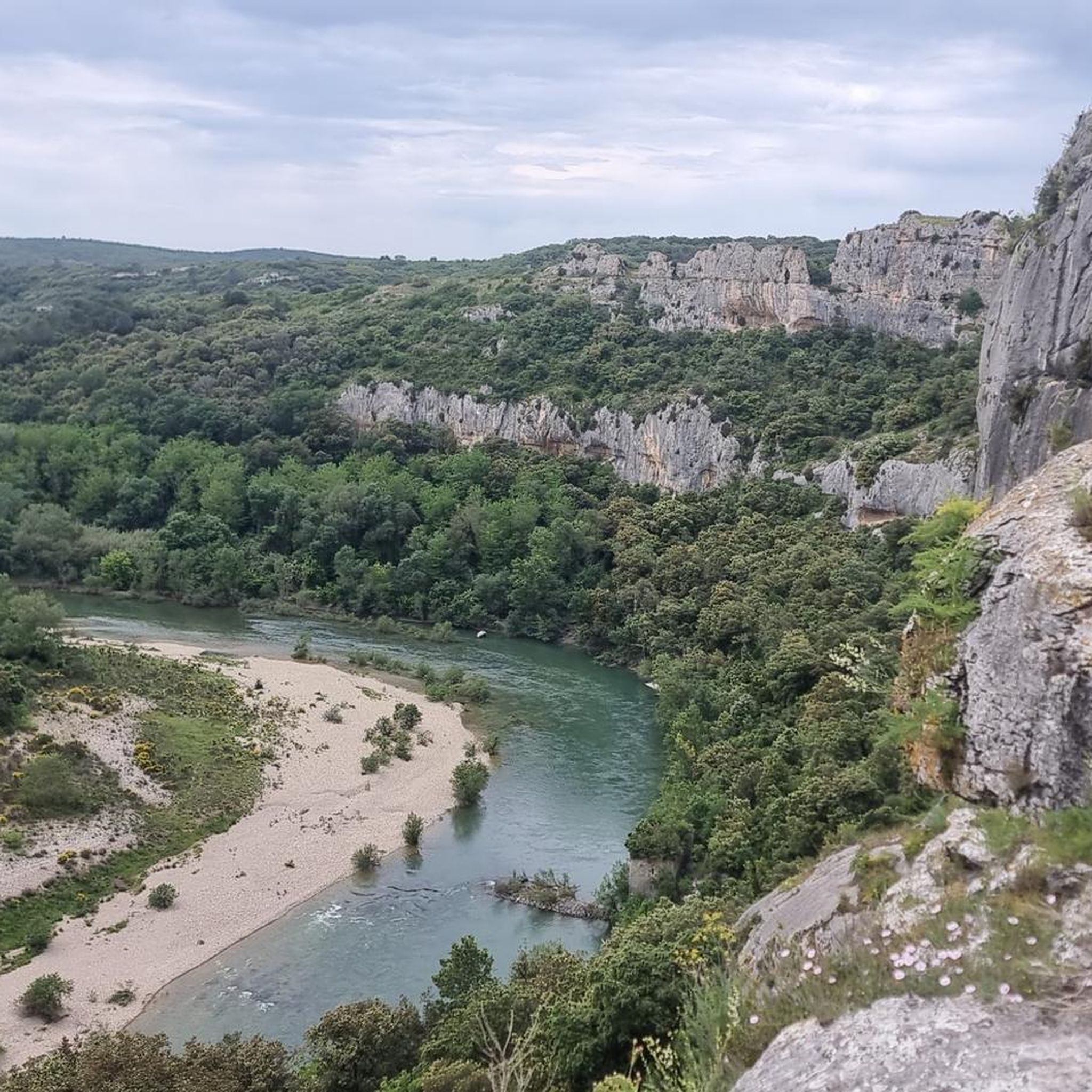
Best attractions and places to see around Sainte-Anastasie include a blend of natural landscapes and historical sites. This commune in the Gard department of southern France is situated within the triangle of Nîmes, Alès, and Uzès. The area is characterized by the Gorges du Gardon, a UNESCO Biosphere Reserve, and offers access to significant Roman and medieval heritage. It serves as a base for exploring regional sites, providing a mix of natural and cultural points of interest.
Best attractions and…
Last updated: July 19, 2026
Saint Vérédème Chapel
Highlight • Other
Translated by Google •
Tip by

La Baume Saint-Vérédème Cave and Chapel
Highlight • Cave
Translated by Google •
Tip by

Sign up now to discover places like this
Get recommendations on the best single tracks, peaks, & plenty of other exciting outdoor places.
Sign up for free
Maison Carrée (Roman Temple)
Highlight • Historical Site
Translated by Google •
Tip by

Jardin de la Fontaine
Highlight • Natural
Translated by Google •
Tip by

Uzès
Highlight • Settlement
Showing Translation
Tip by

Sign up for free to discover even more attractions around Sainte-Anastasie.
Sign up for free
Already have an account?
Start today with a free account
Your next adventure awaits.
Login or Signup

Tips from the Community

beautiful, one of the attractions of Nimes.
4
0
This temple building is impressive and beautiful due to its size and how well preserved it is.
4
0
The fountain garden is unique, enchanting the viewer with its playful elegance, its impressive French flair, but also with its Roman temple, which was built in honor of the Roman goddess of the hunt, Diana.
4
0

Both the Parthenon and the Maison Carrée stand on a podium, emphasizing their importance as temples. The Parthenon is a Doric temple made of marble, while the Maison Carrée is a Roman temple, constructed primarily of limestone and designed in the Corinthian style.
13
0

A quiet place, where it's important to meditate, letting the leaves rustle. A hermit performed several miracles here. This small chapel has become a place of pilgrimage. If you go here, respect the silence, as well as the grounds! Don't prevent others from believing what they want to believe.
2
0
Access is only available during certain periods of the year, due to the conservation of the small inhabitants that inhabit the area. The cave is open from August 16th to November 14th, and from March 16th to April 30th. Bring a good flashlight, as the crossing can take approximately 5 to 10 minutes. This cave is nothing more than the former underground passage of the Gardon River. Accessible to all, be careful, however, once you have crossed, you will be close to the cliff on the other side. The path beyond (T2/T3) can be daunting for some people. Don't hesitate to turn back if you have any hesitation.
1
0

In the 18th century, the Jardins de la Fontaine were built on the ancient site of the spring, which stretches from the Magnet Tower to the Temple of Diana. They were one of the first public gardens in Europe. The work led to the discovery and excavation of the Roman buildings. For many Nimes, the garden is still a favorite place for a stroll in the city.
3
0

The Jardins de la Fontaine are one of the first public parks in Europe. The 15-hectare, enchantingly beautiful green area is a real retreat in the middle of Nîmes. In the lower part, a canal, pools with balusters on the edges, statues, shady benches and the scent of flax flowers invite you to stroll. Paths lead through the landscaped garden with cleverly arranged Mediterranean plants, "rock gardens" and views of the city to the Magne Tower in the upper part.
11
0
Frequently Asked Questions
What natural attractions can I explore in and around Sainte-Anastasie?
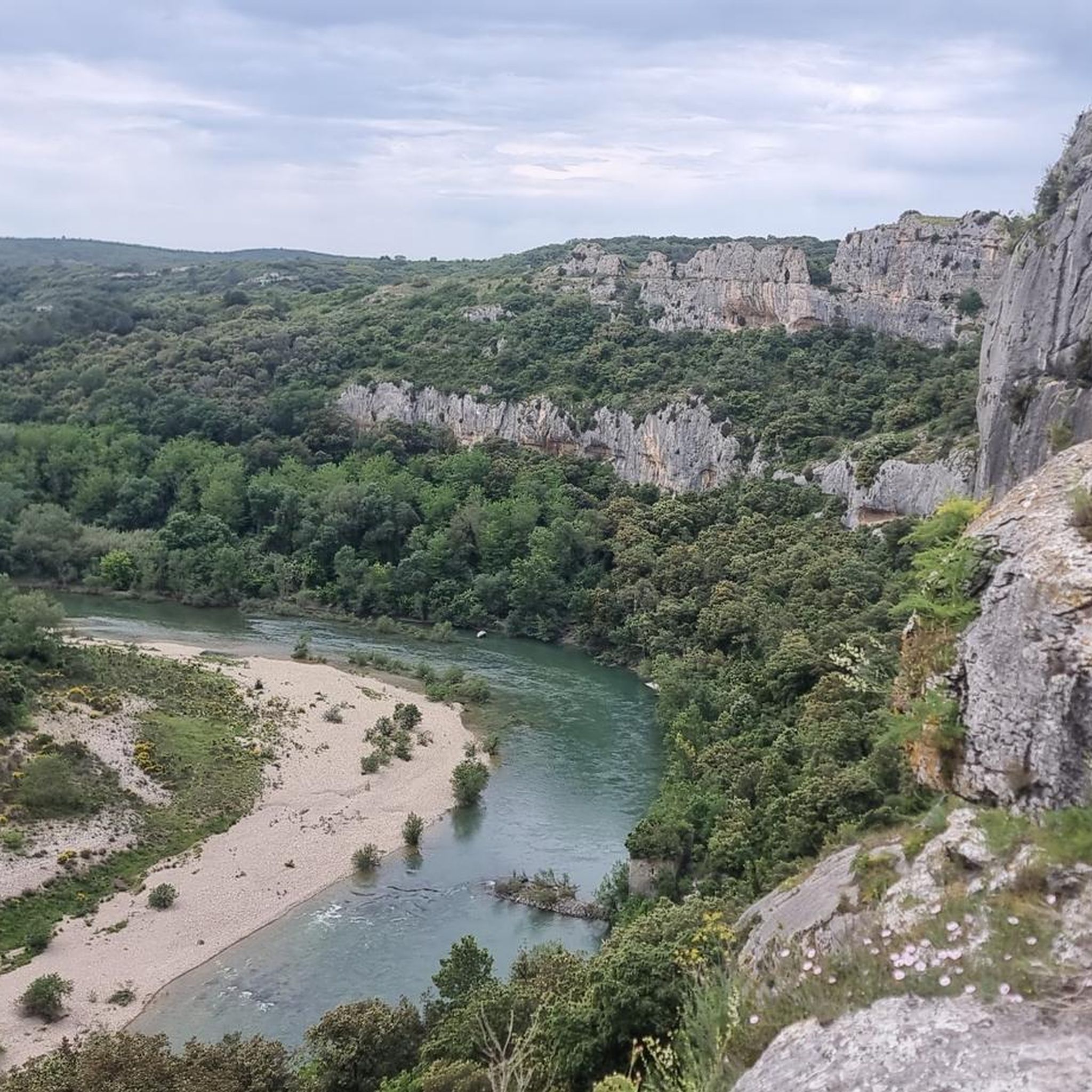
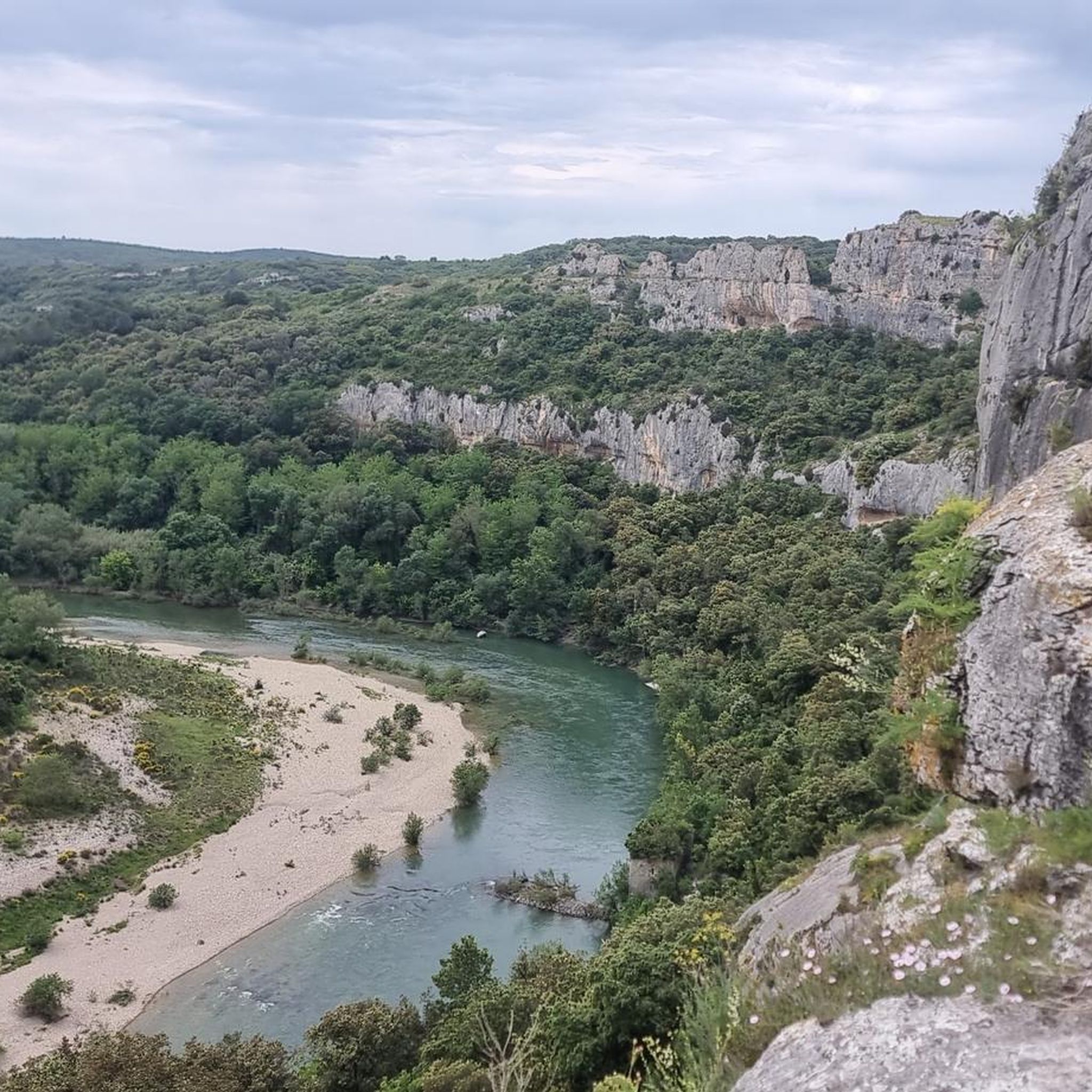
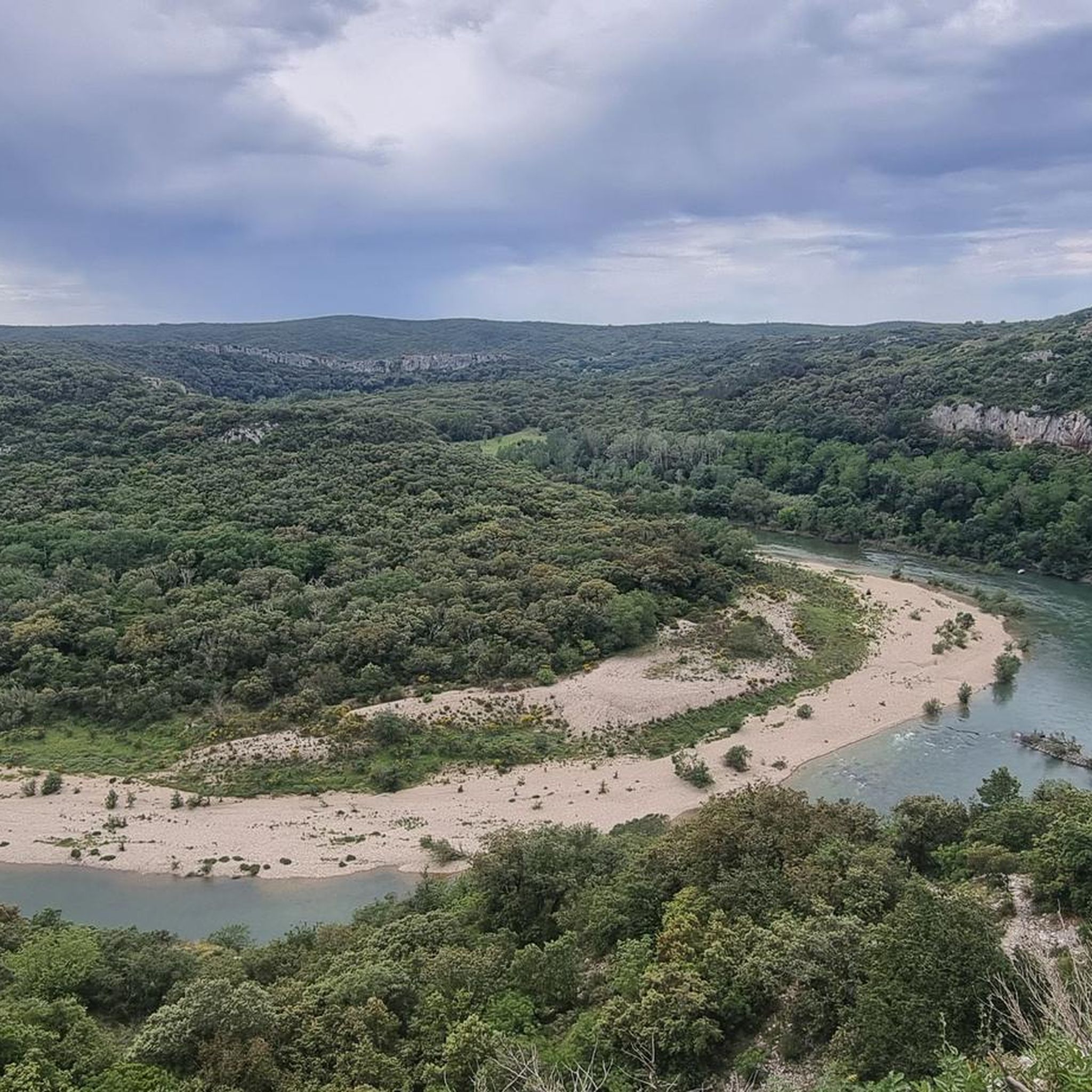
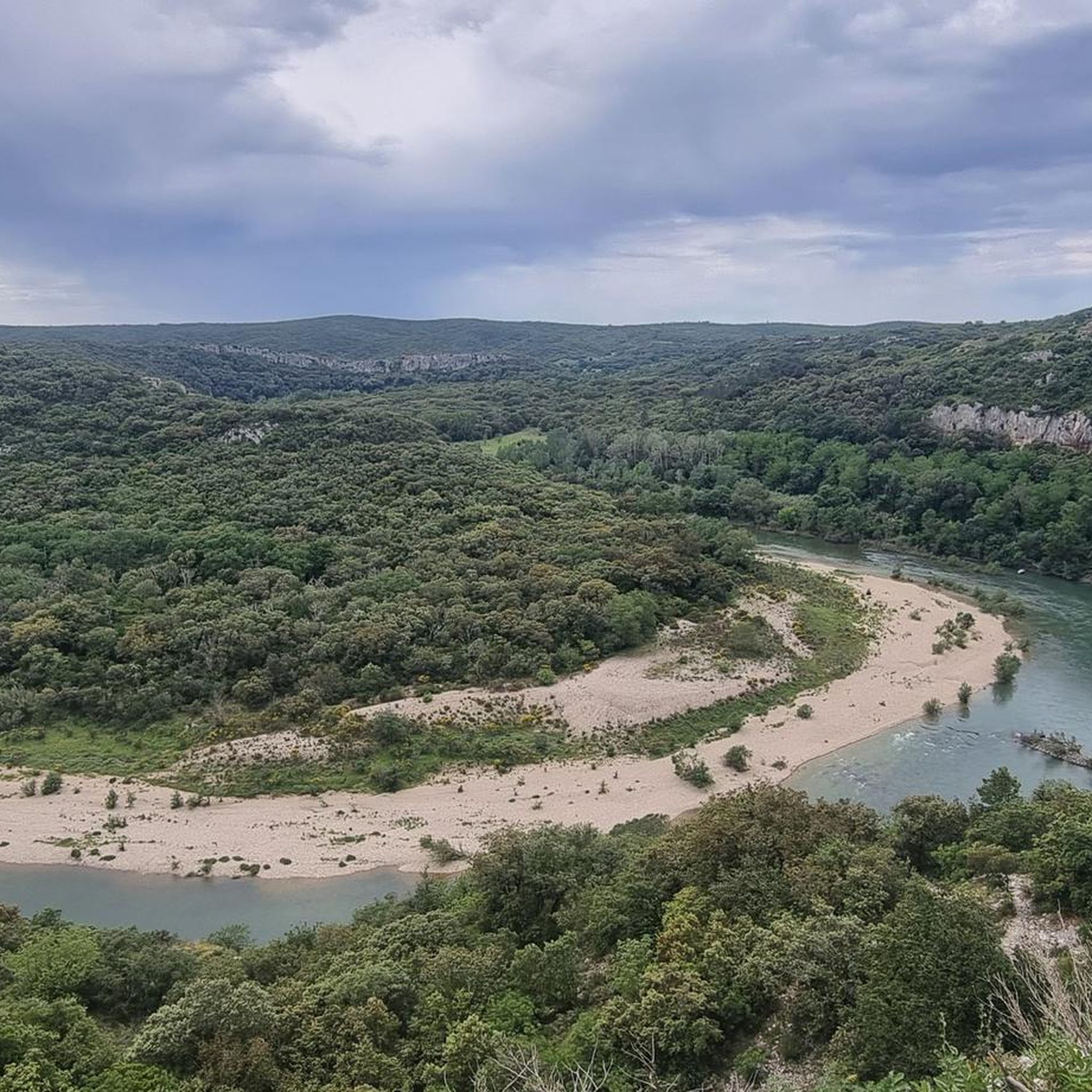
The most prominent natural feature is the Grand Site des Gorges du Gardon, a UNESCO Biosphere Reserve, offering stunning canyon landscapes and opportunities for hiking and climbing. You can also find the Baume Patrone Cave, known for its prehistoric rock paintings (replicas are at the Natural History Museum in Nîmes), and the Arboretum Sainte-Anastasie for those interested in local flora.
What historical landmarks are located directly within Sainte-Anastasie?
Within Sainte-Anastasie, you can visit the historic Pont Saint-Nicolas de Campagnac. The hamlets of Vic, Aubarne, and Russan each host historical churches, with the church in Russan being a listed historical monument. The Town Hall of Sainte-Anastasie displays Xavier Sigalon's impressive 1817 painting, 'Sainte Anastasie faisant l'aumône à Saint Chrysogone'.
Are there significant Roman sites easily accessible from Sainte-Anastasie?
Yes, Sainte-Anastasie is an excellent base for exploring major Roman sites. The extraordinary Pont du Gard, a UNESCO World Heritage aqueduct, is only about 17 km away. The city of Nîmes, just 11 km distant, boasts well-preserved Roman monuments such as the Arena, the Maison Carrée (Roman Temple), and the Jardin de la Fontaine, which includes the Temple of Diana and the Tour Magne.
What medieval towns are worth visiting close to Sainte-Anastasie?
The charming medieval city of Uzès is approximately 12 km from Sainte-Anastasie. It offers an interesting historic center, including the Cathedral of Saint-Théodorit, and is known for its beautiful Place aux Herbes.
What kind of outdoor activities can I do near Sainte-Anastasie?
The region around Sainte-Anastasie is ideal for outdoor enthusiasts. You can find numerous routes for hiking, running, and gravel biking. For detailed routes, explore the Hiking around Sainte-Anastasie, Running Trails around Sainte-Anastasie, and Gravel biking around Sainte-Anastasie guides.
Are there hiking trails suitable for different skill levels in the Gorges du Gardon area?
Yes, the Gorges du Gardon offer a variety of hiking trails. You can find easy walks like the 'View of Vic – Église de Vic' loop, as well as more challenging routes such as the 'Gorges du Gardon Trail' or the 'Gardon River – Baume-Latrone Cave loop'. For more options and details, refer to the Hiking around Sainte-Anastasie guide.
Are there family-friendly attractions around Sainte-Anastasie?
Absolutely. The Jardin de la Fontaine in Nîmes is considered one of Europe's first public parks, offering a beautiful and spacious environment for families. The Maison Carrée (Roman Temple) is also listed as family-friendly, providing an engaging historical experience. Exploring the natural beauty of the Gorges du Gardon also offers opportunities for family outings.
Where can I see unique historical artifacts related to Sainte-Anastasie?
The Natural History Museum in Nîmes displays replicas of the prehistoric rock paintings found in the Baume Patrone Cave. Additionally, the Museum of Romanity in Nîmes exhibits two expressive busts of Celtic warriors from the 1st Iron Age, which were discovered in Sainte-Anastasie.
What is special about the <a href="https://www.komoot.com/highlight/105292" target="_blank" rel="noopener">La Baume Saint-Vérédème Cave and Chapel</a>?
This site has significant historical and religious importance. The cave itself has been occupied since the Paleolithic era. Later, around the 7th century, a hermit named Saint Vérédème settled here, and the place became a pilgrimage site. A chapel now stands at the entrance of the cave, marking its spiritual legacy.
What can I expect to see at the <a href="https://www.komoot.com/highlight/995041" target="_blank" rel="noopener">Jardin de la Fontaine</a> in Nîmes?
The Jardin de la Fontaine is a 15-hectare historic urban park, considered one of Europe's first public parks. It features two ancient monuments, the Temple of Diana and the Tour Magne, along with canals, pools, statues, and beautifully landscaped Mediterranean plants. It's a perfect spot for a stroll and offers views of the city.
What do visitors enjoy most about the attractions around Sainte-Anastasie?
Visitors particularly appreciate the blend of natural beauty and rich history. The well-preserved Roman sites like the Maison Carrée and the scenic Jardin de la Fontaine are highly rated. The historical and spiritual significance of sites like the La Baume Saint-Vérédème Cave and Chapel also captivate many, despite some challenging climbs.
Most popular routes around Sainte-Anastasie
Most popular attractions around Sainte-Anastasie

Get inspired with the komoot mobile app


Explore more
Still not found the Highlight you’re looking for? See guides of the top attractions in other regions:
