Attractions and Places To See around Segonzac - Top 20
Best attractions and places to see around Segonzac include a variety of historical sites and natural leisure areas. The region, situated in Charente, France, is characterized by its river landscapes and historical architecture, often linked to the cognac industry. Visitors can explore ancient castles, abbeys, and churches that reflect centuries of history. The area also offers accessible spots for relaxation along the Charente river.
Best attractions and places to see around Segonzac
- The most popular attractions is Bain des Dames…
Last updated: July 2, 2026
Bain des Dames Beach on the Charente
Highlight • Beach
Translated by Google •
Tip by

Bourg-Charente Castle
Highlight • Castle
Acquired …
Translated by Google •
Tip by

Sign up now to discover places like this
Get recommendations on the best single tracks, peaks, & plenty of other exciting outdoor places.
Sign up for free
Chateau des Chabannes
Highlight • Other
Translated by Google •
Tip by

Abbaye de Bassac
Highlight • Religious Site
Translated by Google •
Tip by
Saint-Pierre d'Angeac Church
Highlight • Religious Site
Translated by Google •
Tip by
Sign up for free to discover even more attractions around Segonzac.
Sign up for free
Already have an account?
Start today with a free account
Your next adventure awaits.
Login or Signup

Tips from the Community

You can even rent canoes there to discover the Charente river in a different way.
0
0

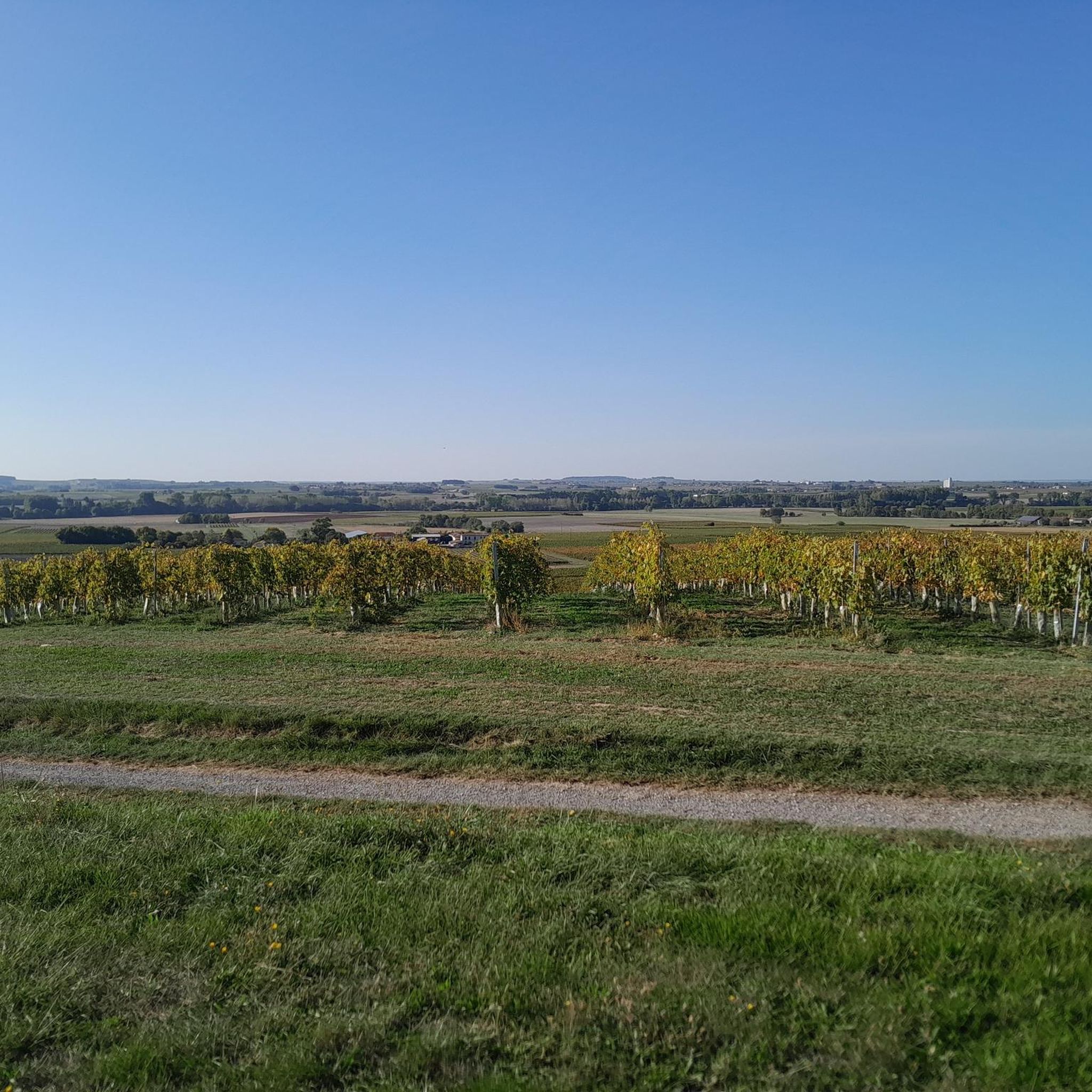
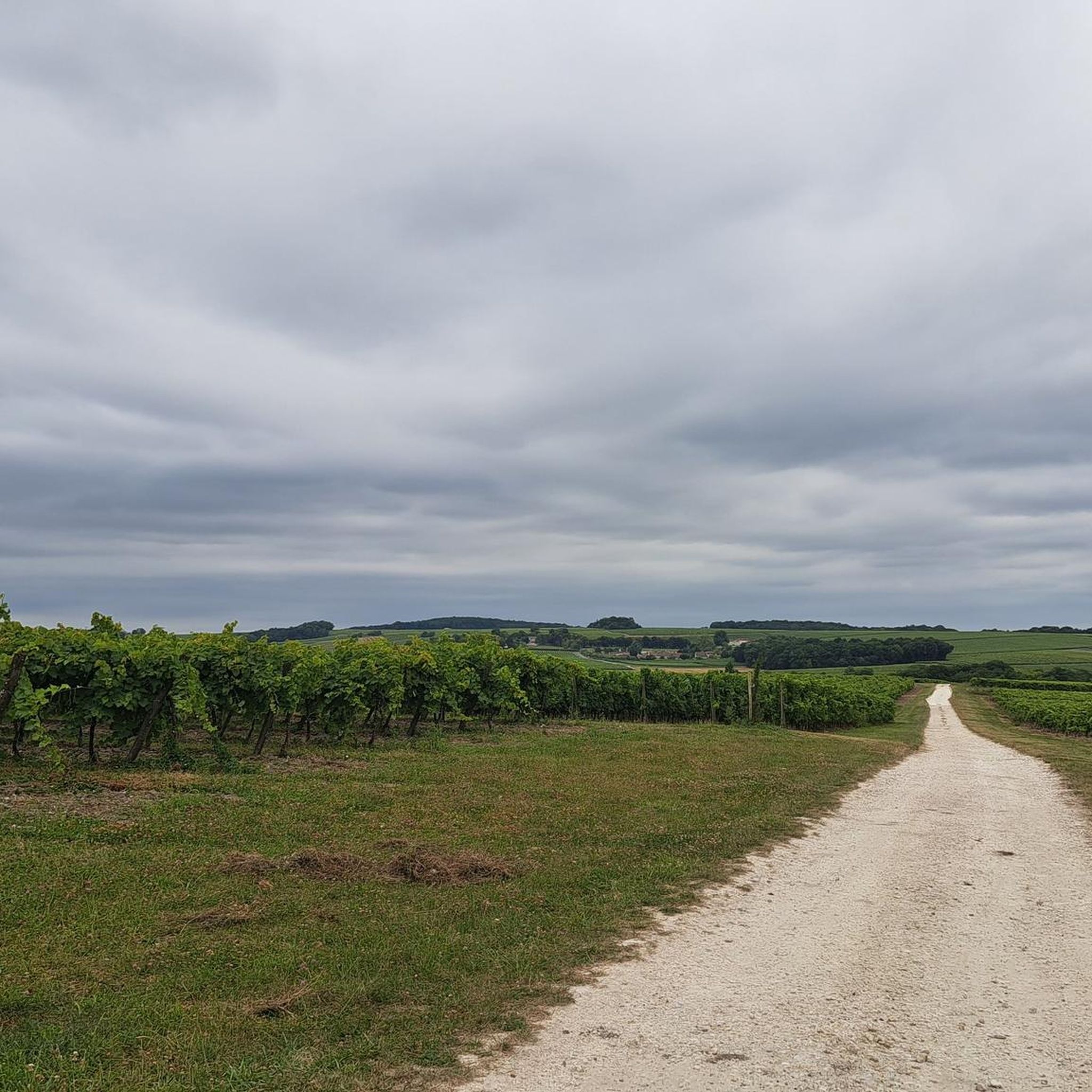
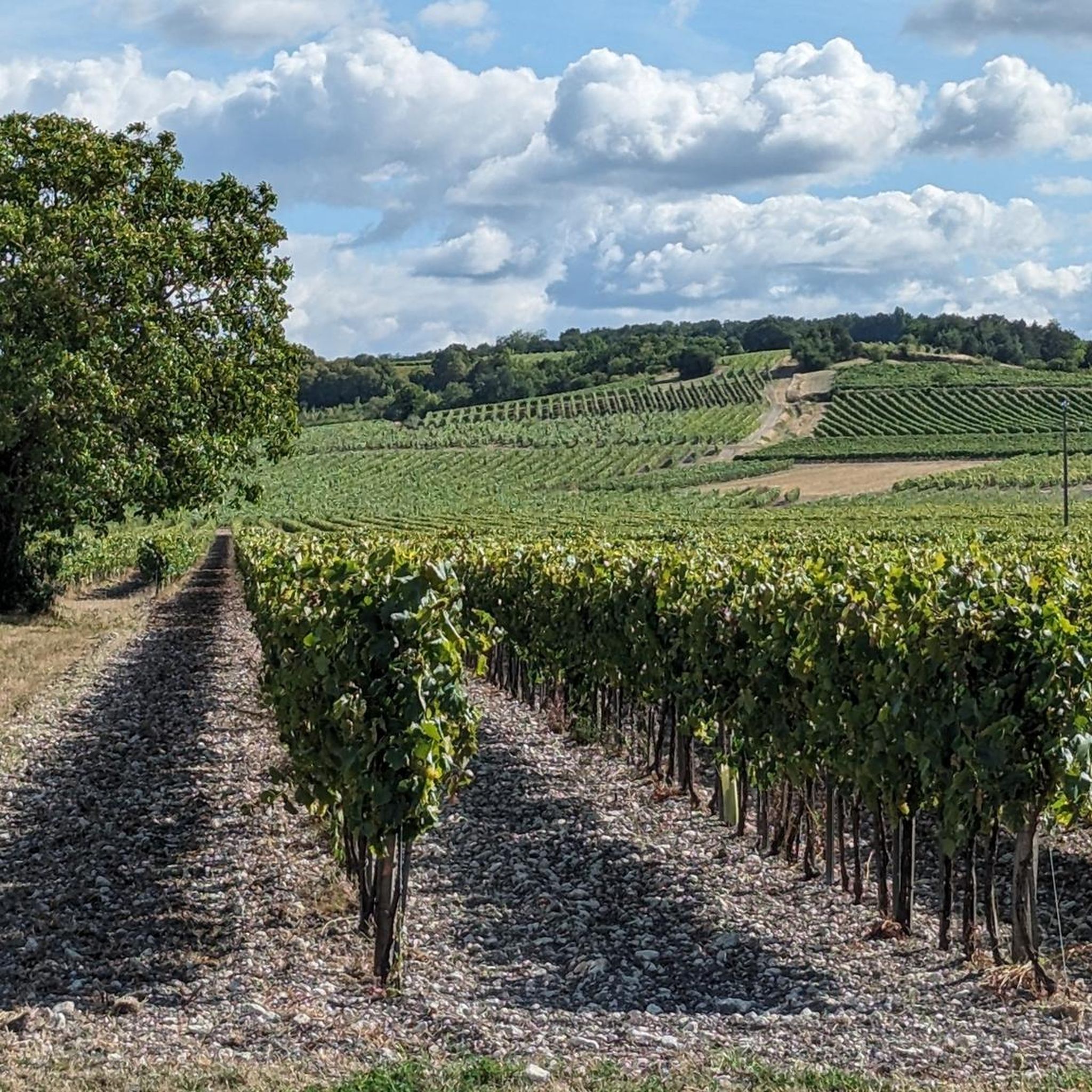
The Charente in this sector is lined with many castles, the area is rich thanks to the production of Cognac and Pineau.
0
0

Bourg-Charente castle is a 17th century mansion. Nestled on a rocky promontory, it is located a few kilometers from Cognac. It also houses the remains of a medieval fortress. Acquired in the 20th century, this château houses cellars for producing Grand Marnier. It can be visited from Monday to Friday from 8 a.m. to 5 p.m.
0
0

It is in this castle that the cognac cellars of the Marnier-Lapostolle family are located, used for the production of Grand Marnier cognac.
4
0

Castle with a fairly compact architecture, rich in details and various corbels that seem to come out of a Walt Disney story. It doesn't look very well maintained, what a pity!
0
1

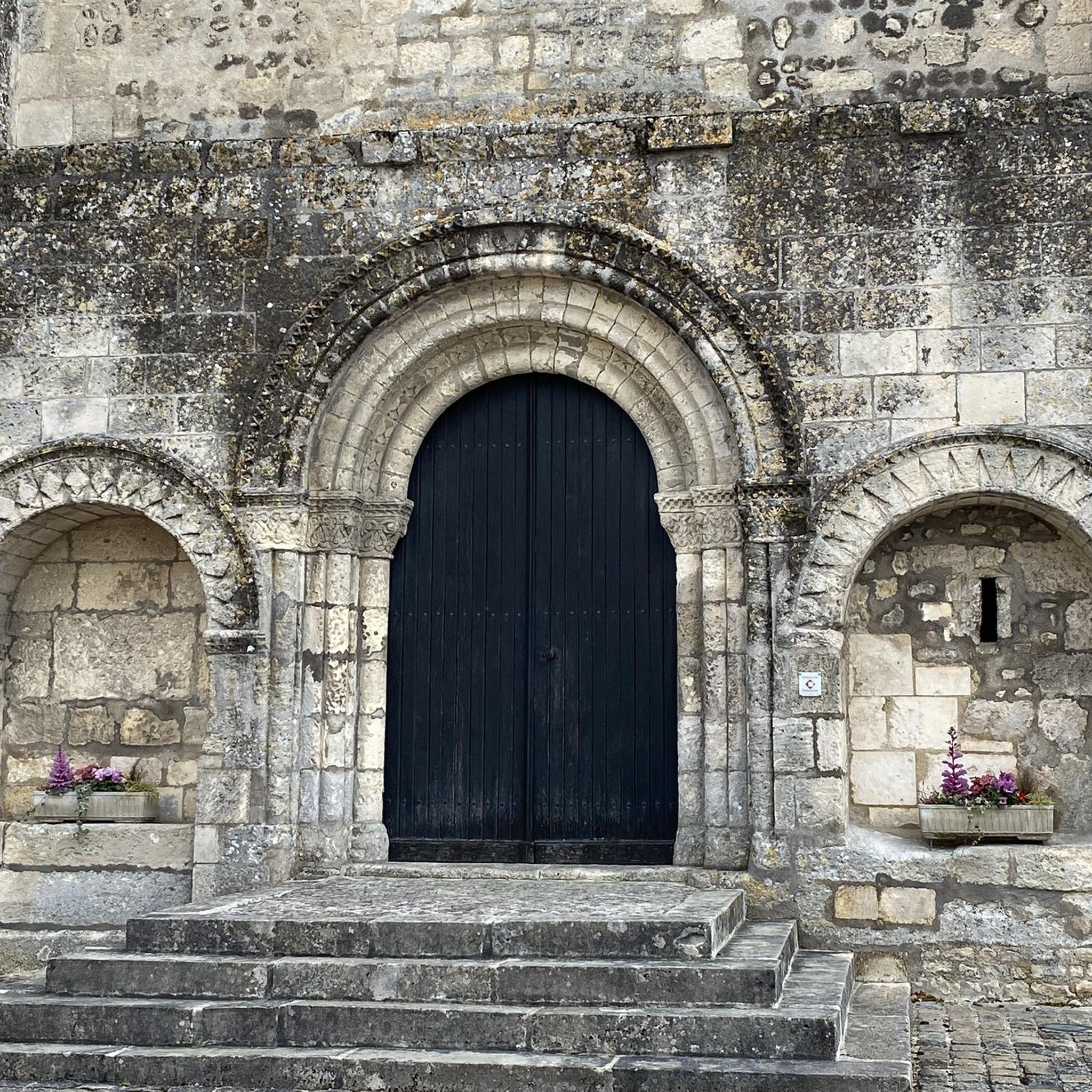
Still under construction and still closed ..... too bad It seems, from certain particularities, of the parish church of Saint-Pierre, built around the middle of the 14ᵉ century, at the time when the country was under English domination, that it must have been built by them. It forms a rectangle composed of a nave with two crossed warhead bays, a dome surmounted by the bell tower and a rectangular sanctuary. A crypt exists under the sanctuary; but the purpose of this crypt seems to be simply to collect the waters of a fountain which springs under the church and to lead them outside. The monument is entirely vaulted in stone. The dome rests on four double pilasters, whose capitals are extremely graceful. The windows of the nave include two pointed arches set back from each other; the side windows of the sanctuary are two-compartment; the apsidal window is radiant and has three divisions. The facade is very simple; the central door and the two side arches are adorned with graceful moldings. The bell tower is a square tower raised two stories above the vaults. Towards the end of the 15ᵉ century or the beginning of the 16ᵉ century, a side chapel was built to the north, under the bell tower. The arcade, which unites this chapel to the church, bore the following inscription: “Messire Guy de Marueil chevalier and Dame Johanne Dirchillac SA FAe”. A very curious fresco was once seen on the wall of the nave, below the bell tower. It represented the martyrdom of Saint Sebastian. The building was listed as a historical monument in 1992.
0
0
Abbey of Saint-Étienne de Bassac, (Sancti Stephani de Bassaco vel Bassacensis, Bassacum): Monks of the order of Saint-Benoît, united in 1666 to the Congregation of Saint-Maur. It was founded at the beginning of the 11th century by one of the Princes of Angoulême, called Guadardus de Lorichis, in honor of St-Etienne, the first martyr, according to what is reported in the acts of the life of Grimourd (bishop of 'Angoulême), but in the history of Angoulême it is said that it was founded by Wardrard de Jarnac, and his wife Rixende. Be that as it may, the church and the regular places having been destroyed by the heretics, the Benedictines of the congregation of St Maur who were introduced there, restored everything, and had a beautiful church built. The Abbot has the collation of a few simple priories, and the appointment to a few parishes. • Foundation in the 11th century. Church rebuilt from 1247 to 1286. • Defensive works at the end of the 14th century. • Abbey burnt down by the Anglo-Saxons in 1434. • Reconstruction in the second half of the 15th century. • Abbey plundered by the Protestants between 1564 and 1569. • Maurist reform introduced in 1666 after the abbey had been abandoned for nearly a century: rehabilitation and restoration until 1746 (conventual building, guest room, etc.). • Abbey sold as national property during the Revolution. • Destruction of the Gothic cloister in 1820. • Major restoration work on the church and abbey buildings during the 19th and 20th centuries. Many times transformed over the course of congregations and historical events, it mixes Romanesque, Gothic, Baroque and Classical styles. Listed as a Historic Monument, the Saint-Étienne de Bassac abbey today unveils a rectangular abbey church consisting of 4 bays and a flat chevet. Gothic in style, it has however retained the bases of the original walls and has domed rib vaults. Romanesque, the bell tower is not lacking in charm, just like the apse and the 13th century chapel pierced by a bay and covered with a ribbed vault. The 17th century convent buildings are also still visible. Like several other religious sites around the world, the abbey of Saint-Étienne de Bassac had a “Gate of Mercy” in 2015-2016; door which, on the margins of the Holy Doors open every 25 years or according to the exceptions fixed by the pope during the course of the holy years or Jubilees, was established at the abbey of Saint-Étienne de Bassac following the desire of Pope Francis to see the Jubilee of Mercy spread all over the world. In short, this Door, like all the other doors of Mercy, supports the Holy Doors in their roles in the Jubilee of Mercy proclaimed by Pope Francis from December 8, 2015 to November 20, 2016 In addition, the Saint-Étienne abbey now hosts retreats, and also has an approval to receive green classes. Opening hours: Monday: 09:00 – 18:30 • Tuesday: 09:00 – 18:30 • Wednesday: 09:00 – 18:30 • Thursday: 09:00 – 18:30 • Friday: 09:00 – 6:30 p.m. • Saturday: 9:00 a.m. – 6:30 p.m. • Sunday: 9:00 a.m. -6:30 p.m.
0
0

Frequently Asked Questions
Are there family-friendly attractions around Segonzac?
Yes, several attractions are suitable for families. The Bain des Dames Beach on the Charente offers a leisure area with picnic tables and games for children. Both Bourg-Charente Castle and Abbaye de Bassac are also listed as family-friendly, offering historical exploration.
What historical sites can I visit near Segonzac?
The region is rich in history. You can explore the 17th-century Bourg-Charente Castle, which incorporates remains of a medieval fortress and houses cellars for Grand Marnier. The Abbaye de Bassac, a thousand-year-old Benedictine site, offers a journey through Gothic, Baroque, and Classical styles. Additionally, the Saint-Pierre d'Angeac Church, built under English domination in the 14th century, features unique architecture and a crypt.
Where can I find natural leisure areas or beaches near Segonzac?
The Bain des Dames Beach on the Charente is a popular spot. It's a leisure area with a beach, picnic tables, and shaded spots along the Charente river, where swimming is permitted. It's a perfect stopover between Cognac and Angoulême for relaxation.
Are there hiking trails near Segonzac's attractions?
Yes, there are several hiking opportunities. You can find easy to moderate trails, such as the Bourg-Charente loop from Bourg-Charente (5.8 km, easy) or the Bourg-Charente – Saint-Brice Castle loop (10.1 km, moderate). For more options, explore the Hiking around Segonzac guide.
What cycling or mountain biking opportunities are available around Segonzac?
The area offers various routes for cycling enthusiasts. For gravel biking, consider routes like the Vinade-Bassac bridge – Pont d'Angeac loop (59.7 km, moderate). Mountain bikers can explore trails such as the Chateau des Chabannes – Bourg-Charente Castle loop (45.9 km, moderate). More routes are detailed in the Gravel biking around Segonzac and MTB Trails around Segonzac guides.
Are there any lesser-known or unique places to discover around Segonzac?
Beyond the main highlights, consider visiting Chateau des Chabannes. This late 19th-century château, originally a residence for cognac house owners, is set within a park that slopes down to the river and features a terrace with a belvedere and a unique winter garden with mosaic floors and painted decor.
When is the best time to visit the attractions around Segonzac?
The summer season is popular, especially for places like the Bain des Dames Beach, which can be quite busy. However, the historical sites like castles and abbeys are generally accessible year-round. Spring and autumn offer pleasant weather for exploring without the peak summer crowds.
What do visitors particularly enjoy about the attractions near Segonzac?
Visitors appreciate the relaxing atmosphere of places like the Bain des Dames Beach, perfect for soaking feet or picnicking. The historical depth of sites like Abbaye de Bassac, with its cultural and spiritual welcome, is also highly valued. Many are fascinated by the connection of the châteaux to the cognac industry, such as Bourg-Charente Castle.
Where can I find scenic viewpoints around Segonzac?
The Bain des Dames Beach on the Charente is considered a viewpoint, offering pleasant river views. Additionally, Chateau des Chabannes features a terrace delimited by a stone balustrade serving as a belvedere, providing scenic vistas over its park and towards the river.
What towns should I consider staying in when visiting the Cognac region near Segonzac?
When visiting the Cognac region, consider staying in towns like Cognac itself, which is a central hub for the industry. Jarnac and Angoulême are also good options, offering a range of accommodations and easy access to the attractions around Segonzac and the wider Charente area.
Are there any dog-friendly walks or attractions in the Segonzac area?
While specific dog-friendly designations for attractions are not always available, many of the outdoor areas and walking trails around Segonzac are suitable for dogs on a leash. The various hiking and cycling routes listed in the Hiking around Segonzac guide often pass through natural landscapes ideal for walks with your dog.
Most popular routes around Segonzac
Most popular attractions around Segonzac

Get inspired with the komoot mobile app


Explore more
Still not found the Highlight you’re looking for? See guides of the top attractions in other regions:
