The best road cycling routes around Boutiers-Saint-Trojan
4.5
(66)
1,726
riders
421
rides
Road cycling routes around Boutiers-Saint-Trojan traverse a landscape characterized by gentle, rolling terrain and the Charente river valley. The region features a mix of agricultural lands, vineyards, and historical châteaux, offering varied scenery for road cyclists. Elevation gains are generally modest, making many routes accessible for different fitness levels.
Best road cycling routes around Boutiers-Saint-Trojan
- The most popular road cycling route is Cognac Castle – Porte Saint-Jacques loop from Boutiers-Saint-Trojan, a 7.0 miles (11.2 km) trail that takes about…
Last updated: August 27, 2026
36
riders
11.5km
00:34
120m
120m
Easy road ride. Great for any fitness level. Mostly well-paved surfaces and easy to ride.
28
riders
31.2km
01:14
100m
100m
Easy road ride. Great for any fitness level. Mostly well-paved surfaces and easy to ride.

Sign up for free
5.0
(1)
13
riders
36.6km
01:28
130m
130m
Easy road ride. Great for any fitness level. Mostly well-paved surfaces and easy to ride.
4.0
(1)
11
riders
24.4km
00:58
80m
80m
Easy road ride. Great for any fitness level. Mostly well-paved surfaces and easy to ride.
8
riders
32.9km
01:23
200m
200m
Easy road ride. Great for any fitness level. Mostly well-paved surfaces and easy to ride.
Get access to more routes and recommendations from other explorers.
Sign up for free
Already have an account?
Our route recommendations are based on thousands of hikes, rides, and runs completed by other people on komoot.
Start today with a free account
Your next adventure awaits.
Login or Signup




Tips from the Community


A beautiful church with beautiful houses hidden in an ancient but romantic village, it's worth a stop. The Saint-Étienne church in Brives-sur-Charente is recent. It was consecrated in 1868 and reflects the 14th-century Gothic style. It replaced an older church, of which only a baptismal font, listed as a historic object in 1922, and a capital remain. This font, square and made of a single block of siliceous limestone, is a rare specimen of 12th-century sculpture and symbolism. Certain characteristic features, such as the draperies, allow it to be dated to the 1150s. On three sides, we discover the Annunciation made to Mary, then on the main face of the font, Christ officiating in heaven, and finally Christ descending into hell, savior of souls.
0
0

HISTORY OF THE HOUSE OF HINE In 1791, Thomas Hine (1775-1822), then aged 16, left his native land on the south coast of England to go to France… in the middle of the French Revolution. He went to Jarnac, Charente, where he was hired as a clerk in the Ranson et Delamain trading house, which produced his father’s favourite cognac. James Delamain (1738-1800), a Huguenot who had emigrated from Ireland, founded the trading house in 1763 with his father-in-law Jean-Isaac Ranson. On 3 October 1797 (13 Brumaire Year VI), Thomas Hine married Françoise Élisabeth Delamain, daughter of James Delamain and Marie Ranson. In 1817, the Ranson et Delamain house was liquidated, the heirs having been unable to agree on the succession. The eponymous son-in-law founded Thomas Hine & Co, and his cousins Paul Roullet and Henri Delamain (James' grandson) founded the Maison Roullet et Delamain seven years later, which would become Delamain et Cie. The links between the two Protestant Jarnac families remained close, and Thomas Hine's great-granddaughter, Adrienne Hine (1850-1922) married Philippe Delamain (1847-1902) - they had sons Jacques and Robert Delamain. Today, as in Thomas Hine's time, the Hine establishments line the banks of the Charente in Jarnac. The logo is inspired by Hine's speaking arms, hind meaning doe in Old English. He is lying down, his head turned backwards, symbolically looking towards England2. In 1962, Hine was granted the Royal Warrant of Her Majesty Queen Elizabeth II, and became the official supplier of cognac to the Court of England. In 1987, the company was bought by Moët Hennessy. In 2003, it became the property of the CL Financial group, which emerged from the Angostura group. The House was bought in 2013 by the Edv company. TYPOLOGY OF HINE EAUX DE VIE The House of HINE is located on the banks of the Charente, in the heart of the Cognac region. In the cellars, which ensure the protection of the precious vintages under seal, little has changed in more than 260 years. From the neighboring quays once began the journey of HINE cognacs around the world. This house is one of the oldest in Jarnac. Cognacs exclusively from the Grande and Petite Champagne vintages, a distillation with the lees, and an aging in fine grains with a light to moderate heating. Here, every manufacturing detail will be revealed to you. > To find out more: - https://hine.com/fr - Address: 16 quai Orangerie 16200 Jarnac - 05 45 35 59 59 - Visits, Tasting and Purchases possible - Opening periods: From 01/04 to 31/12 Monday, Tuesday, Wednesday, Thursday and Friday from 9 a.m. to 5:30 p.m. Excluding public holidays. Full price: from €20. Free for children under 18. (Subject to change)
0
0

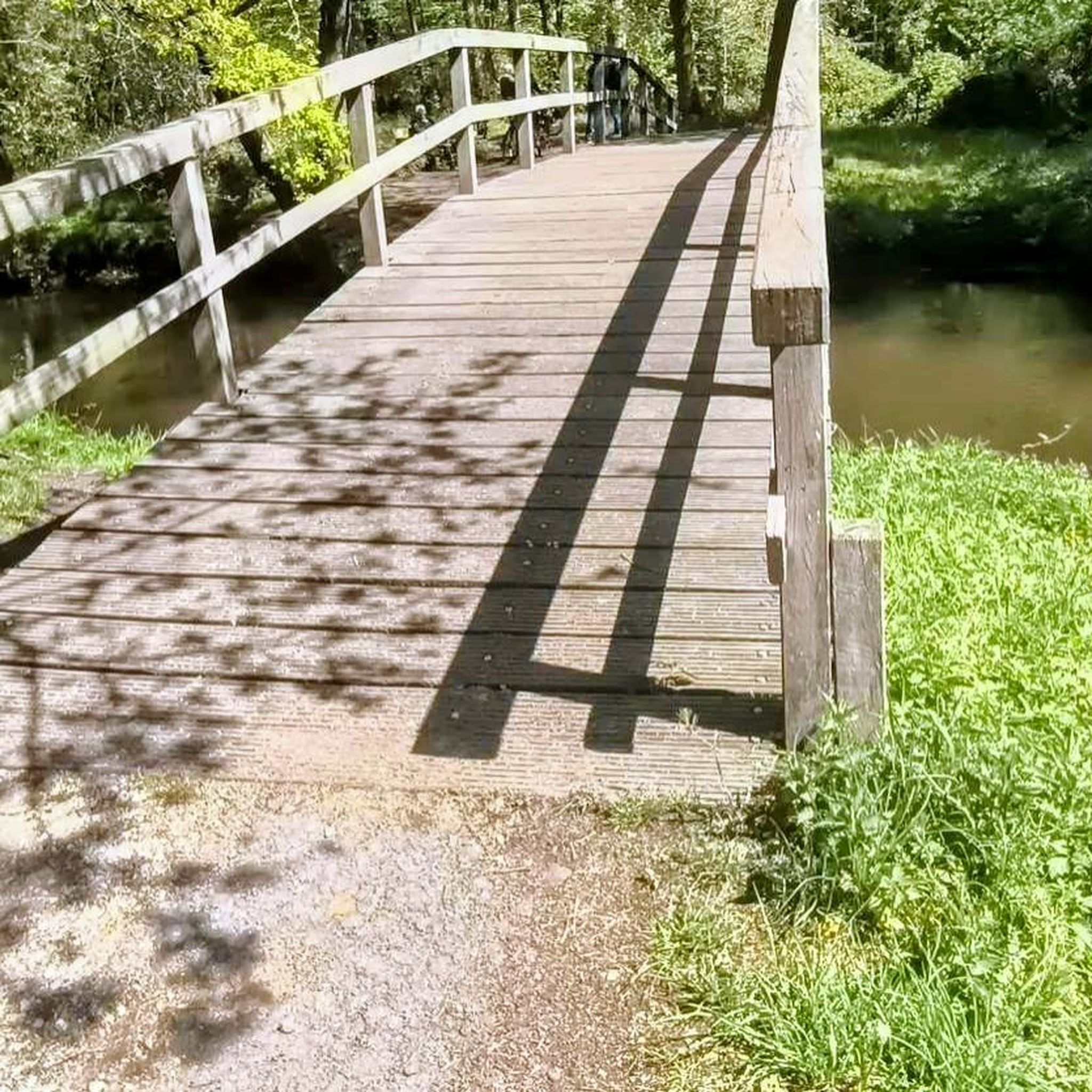
Great views in both directions from the bridge footpaths
0
0
Lovely views across Cognac of the surrounding buildings and river
0
0

On the banks of the Charente, the Château de Cognac symbolizes the town's reputation. Today a Cognac House, it welcomes visitors to help them discover its history, but also that of the eaux-de-vie produced there.
0
0

The Garde-Épée dolmen is classified as a historic monument. It is made up of five slabs which delimit the room and slabs which cover it. The dolmen is five meters long and more than two meters high.
0
0
Frequently Asked Questions
How many road cycling routes are available around Boutiers-Saint-Trojan?
There are over 400 road cycling routes available around Boutiers-Saint-Trojan, offering a wide variety of options for different skill levels and preferences.
What kind of scenery can I expect on road cycling routes around Boutiers-Saint-Trojan?
Road cycling routes in Boutiers-Saint-Trojan traverse a landscape characterized by gentle, rolling terrain and the Charente river valley. You'll experience a mix of agricultural lands, vineyards, and historical châteaux, providing varied and picturesque scenery.
Are there easy road cycling routes suitable for beginners in Boutiers-Saint-Trojan?
Yes, Boutiers-Saint-Trojan offers nearly 100 easy road cycling routes. An excellent option for beginners is the Cognac Castle – Porte Saint-Jacques loop from Boutiers-Saint-Trojan, an 11.2 km (7.0 miles) trail that passes by historical landmarks within the Cognac area.
Are there challenging road cycling routes for experienced cyclists?
While the region is generally characterized by modest elevation gains, there are a few more challenging routes available. The area features 6 difficult road cycling routes for those seeking a greater challenge. For a moderate but longer ride, consider the Saint-Brice Castle – Bourg-Charente Castle loop from Saint-Brice, which covers 57.0 km (35.4 miles) with over 300 meters of elevation gain.
Can I find loop road cycling routes in the area?
Yes, many road cycling routes in Boutiers-Saint-Trojan are designed as loops. For example, the popular Roadbike loop from Boutiers-Saint-Trojan is a 36.6 km (22.7 miles) trail that guides you through the local countryside and small villages.
What is the typical duration of road cycling routes in Boutiers-Saint-Trojan?
Route durations vary widely depending on distance and your pace. Shorter, easy routes like the Cognac Castle – Porte Saint-Jacques loop can be completed in about 30 minutes, while longer moderate routes such as the Saint-Brice Castle – Bourg-Charente Castle loop can take over 2 hours.
Are there any historical landmarks or attractions to see along the road cycling routes?
Absolutely. The region is rich in history. Many routes pass by notable landmarks such as Bourg-Charente Castle, Logis de Gardépée in Saint-Brice, and even the Maison Hine – Cognac Distillery. The Château d'Ars – Merpins Castle loop from Cognac is another route that highlights historical sites.
What is the best time of year for road cycling in Boutiers-Saint-Trojan?
The best time for road cycling in Boutiers-Saint-Trojan is typically from spring to early autumn (April to October), when the weather is mild and the vineyards are lush. Summer offers warm, sunny days, ideal for longer rides, though it can get hot. Spring and autumn provide cooler temperatures and beautiful scenery.
Are there family-friendly road cycling options in Boutiers-Saint-Trojan?
Yes, the region's generally gentle terrain makes it suitable for family cycling. Many of the easy routes are ideal for families. Look for routes with minimal elevation gain and away from heavy traffic, often found along quieter country roads or designated paths.
What do other road cyclists enjoy most about road cycling in Boutiers-Saint-Trojan?
The area is highly rated by the komoot community, with an average score of 4.6 stars from over 60 reviews. Cyclists often praise the beautiful vineyard landscapes, the tranquil river valleys, and the charming historical châteaux that dot the routes. The accessibility for various fitness levels is also frequently highlighted.
Are there scenic road cycling routes that pass through vineyards or along the river?
Yes, the region is renowned for its vineyard landscapes and proximity to the Charente river. Many routes, such as the Abbaye de la Frenade loop from Cognac, explore the rural surroundings of Cognac, featuring open countryside and glimpses of ancient architecture, often intertwined with vineyard views.
Is parking available near the starting points of road cycling routes?
Parking is generally available in the towns and villages that serve as common starting points for routes, such as Boutiers-Saint-Trojan and Cognac. Look for public parking areas in these locations, especially near town centers or local attractions.
Most popular routes around Boutiers-Saint-Trojan
Most popular attractions around Boutiers-Saint-Trojan

Get inspired with the komoot mobile app


Explore more
Browse the best Road cycling routes in other regions.
