Attractions and Places To See around Milly-La-Forêt - Top 20
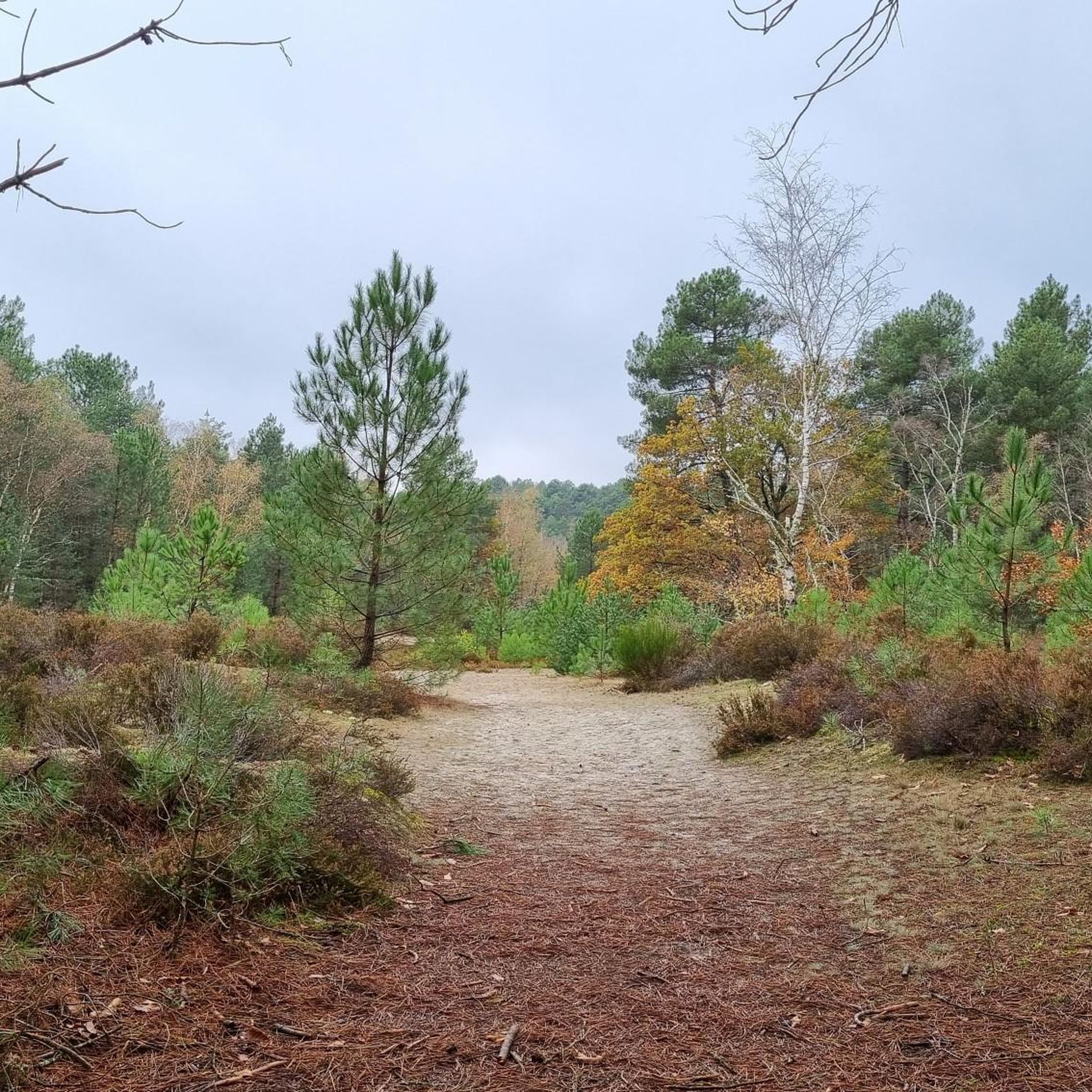
Best attractions and places to see around Milly-La-Forêt include a blend of historical landmarks, natural beauty, and cultural points of interest. Situated at the edge of the French Gâtinais Regional Nature Park, the area offers a rich natural environment. Milly-La-Forêt is known for its association with artist Jean Cocteau and its heritage in medicinal plants. Visitors can explore a variety of sites ranging from medieval structures to contemporary art installations.
Best attractions and places to see around Milly-La-Forêt
- The most…
Last updated: August 26, 2026
Cross of Lorraine on the Maquisards' Pignon
Highlight • Monument
Translated by Google •
Tip by

Barbizon Village
Highlight • Settlement
Translated by Google •
Tip by

Sign up now to discover places like this
Get recommendations on the best single tracks, peaks, & plenty of other exciting outdoor places.
Sign up for free
Fleury-en-Bière Castle
Highlight • Castle
Translated by Google •
Tip by

The Cyclop
Highlight • Monument
Translated by Google •
Tip by

Grotte du Serment
Highlight • Gorge
Translated by Google •
Tip by

Sign up for free to discover even more attractions around Milly-La-Forêt.
Sign up for free
Already have an account?
Start today with a free account
Your next adventure awaits.
Login or Signup
Tips from the Community

I do believe this is an excellent website. I stumbled upon it I may revisit once again since I saved as a favorite it. https://www-sunpass.com
0
0

Barbizon, a must-see of must-sees! Even the streets are decorated with mosaic paintings! Unclassifiable!
0
0

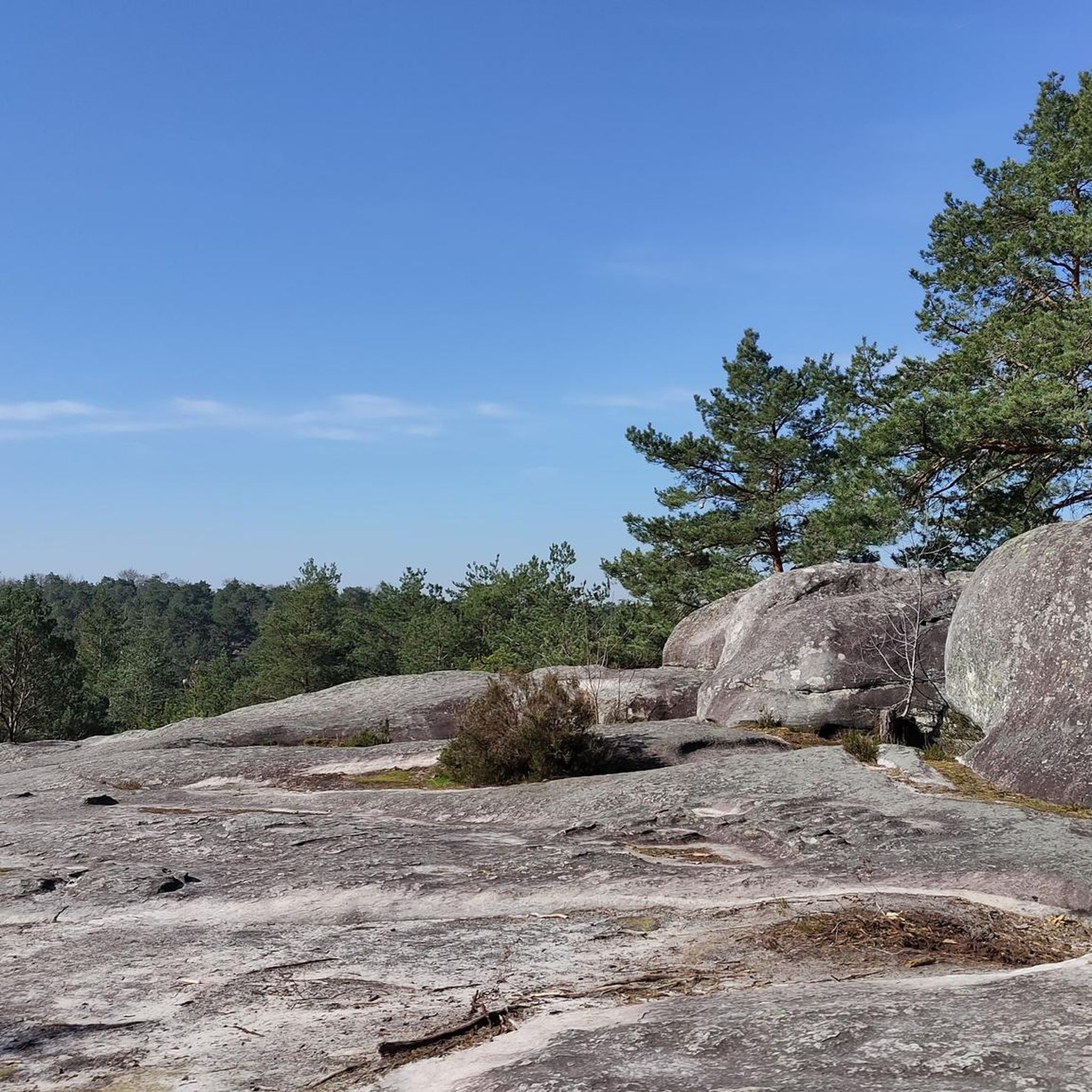
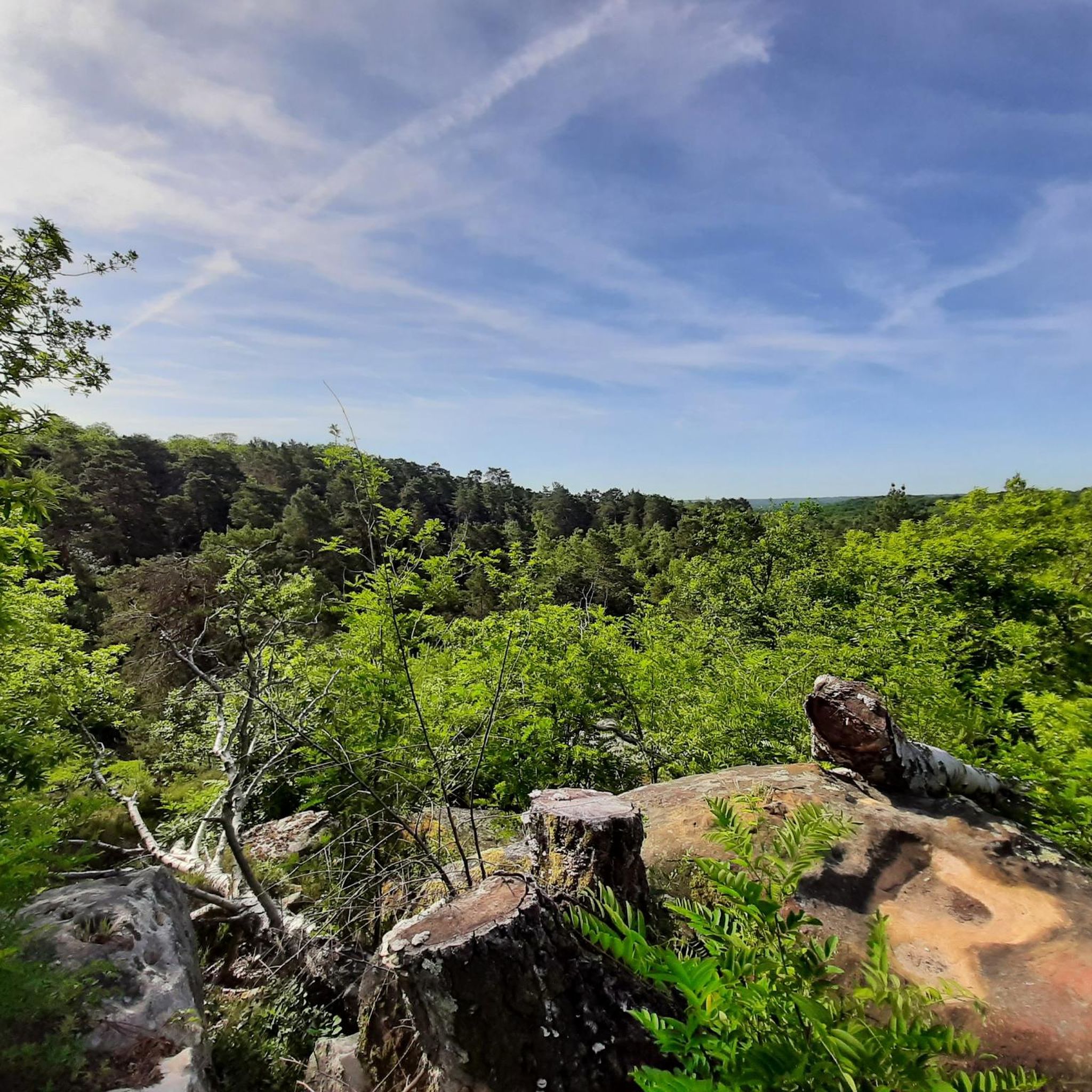
This Lorraine cross is actually located on the gable of the maquisards. There is a beautiful view of Fontainebleau. This place also serves as a break/photo point for trailers/hikers.
0
0


The cyclops visit is not free, 12 euros entry but it lasts 45 minutes and is very interesting. Limit of 25 people at a time. Please note that photos inside are prohibited. I recommend the first visit at 10:30 a.m. (less crowded)
2
0

This was one of the locations used for the filming of the 3 Mousquetaires with Vincent Cassel, François Civil, Romain Dursis & Pio Marmai
0
0

there are also exhibitions, workshops, pretty pottery for sale https://www.la-juxtaposition.com/
1
0
Frequently Asked Questions
What historical sites can I visit in Milly-La-Forêt?
Milly-La-Forêt is rich in history. You can explore the 15th Century Covered Market (La Halle), an impressive wooden market classified as a historical monument, which still hosts a market on Thursday afternoons. Also, visit the Collegiate Church Notre-Dame-de-l'Assomption, founded in the 11th century and rebuilt in Gothic style, featuring a 57-meter tall bell tower. Don't miss the ancient Porte du Moustier, one of the town's oldest vestiges, potentially dating back to the 7th century.
Are there any attractions related to Jean Cocteau in Milly-La-Forêt?
Yes, Milly-La-Forêt has strong ties to Jean Cocteau. You can visit the Maison Jean Cocteau, where he lived from 1947 until his death, now a museum offering insight into his life and work. Additionally, the Chapel Saint-Blaise-des-Simples, a 12th-century leper house, was decorated by Cocteau in 1959 and is where he is buried. It features his stained glass windows and frescoes, surrounded by a beautiful herb garden.
What natural features and outdoor spaces can I explore around Milly-La-Forêt?
Milly-La-Forêt is situated within the French Gâtinais Regional Nature Park, offering a rich natural environment. You can discover the Grotte du Serment, a surprising gorge with a vault made of a single rock. The nearby Forêt des Trois Pignons, bordering the Fontainebleau forest, is renowned for its picturesque landscapes and unique rock formations, ideal for hiking and climbing.
Are there family-friendly attractions in the area?
Yes, several attractions are suitable for families. The Barbizon Village, known for its painters, is a picturesque and charming spot with restaurants, perfect for a relaxing stop. While the Fleury-en-Bière Castle is private property, its grandeur is impressive to view from the outside, and the surrounding area can be pleasant for a stroll.
What cultural attractions are unique to Milly-La-Forêt?
Milly-La-Forêt boasts several unique cultural sites. Don't miss Le Cyclop in the Bois des Pauvres woods, a gigantic 22.5-meter tall steel sculpture by Jean Tinguely and Niki de Saint Phalle, which you can even step inside. The National Conservatory of Fragrant, Medicinal and Aromatic Plants (CNPMAI) is also a significant attraction, showcasing over 1500 species and highlighting the region's heritage in medicinal plants.
Where can I find local products or learn about Milly-La-Forêt's plant heritage?
Milly-La-Forêt has a long-standing reputation for aromatic and medicinal plants. You can visit L'Herbier de Milly-la-Forêt to purchase local peppermint products like cordial, herbal tea, liqueur, and sweets, continuing a traditional expertise. The National Conservatory of Fragrant, Medicinal and Aromatic Plants (CNPMAI) also offers a museographic area and extensive plant collections to explore.
What outdoor activities can I do near these attractions?
The region around Milly-La-Forêt is excellent for outdoor activities. You can find numerous options for hiking, including moderate trails like the Milly-la-Forêt and Coquibus Trail. For cyclists, there are road cycling routes such as the Rocher Cailleau Site loop, and gravel biking trails like the Platière de Coquibus loop.
Are there any viewpoints or scenic spots in the area?
Yes, for magnificent views, head to the Cross of Lorraine on the Maquisards' Pignon. This man-made monument not only offers superb panoramas but also commemorates resistance fighters. The surrounding Forêt des Trois Pignons also provides picturesque landscapes and unique rock formations.
What is the best time to visit Milly-La-Forêt?
Milly-La-Forêt is enjoyable throughout the year, but spring and autumn offer particularly pleasant weather for exploring the natural parks and outdoor attractions. The herb gardens at the Chapel Saint-Blaise-des-Simples and the National Conservatory of Fragrant, Medicinal and Aromatic Plants are especially vibrant during warmer months. The 15th Century Covered Market operates year-round on Thursday afternoons.
Are there any art museums or exhibition spaces?
Yes, art enthusiasts can visit the Paul Bédu Museum in Milly-la-Forêt, which features a collection of 19th and 20th-century paintings and sculptures, alongside temporary exhibitions. Additionally, the Espace Culturel du Moustier offers a unique exhibition space housed within a 13th-century crypt.
Can I visit a castle near Milly-La-Forêt?
Yes, you can see the La Bonde Castle (Château de la Bonde), with parts dating from the 13th and 15th centuries, featuring two castellated towers. Its park, bordered by the École river, is inscribed on the inventory of sites. While some castles like Fleury-en-Bière Castle are private, their impressive architecture can still be admired.
Most popular routes around Milly-La-Forêt
Most popular attractions around Milly-La-Forêt

Get inspired with the komoot mobile app


Explore more
Still not found the Highlight you’re looking for? See guides of the top attractions in other regions:
