Attractions and Places To See around Le Pompidou - Top 20
Best attractions and places to see around Le Pompidou include natural features and cultural sites within the Cévennes National Park. This commune in the Lozère department of southern France is known for its diverse landscapes and traditional architecture. The area offers opportunities to explore valleys, high plains, and historic villages. It is situated along the Corniche of the Cévennes, providing access to scenic routes and hiking paths.
Best attractions and places to see around Le Pompidou
- The most popular attractions is The 4000 Steps, a historic path that leads to the Aigoual observatory. This 9.5 km path features a 1200 m drop, starting from Valleraugue.
- Another must-see spot is Mont Aigoual, a prominent mountain peak in the Cévennes. It is known for its meteorological observatory and offers panoramic views.
- Visitors also love Florac-Trois-Rivières, a small rural town. It stands at the confluence of the Tarn, Tarnon, and Mimente rivers, offering local amenities and a market.
- Le Pompidou is known for its natural landscapes, historic paths, and charming towns. Visitors can explore a variety of attractions, from mountain peaks to picturesque villages.
- The attractions around Le Pompidou are appreciated by the komoot community, with more than 90 upvotes and 50 photos shared across the highlights.
Last updated: July 6, 2026
Florac-Trois-Rivières
Highlight • Other
With 2,000 inhabitants, it is a must for lovers of nature and heritage. Ideal for a short break or a long stopover, there is a well-stocked offer of catering and accommodation.
For information, the market occupies the town of the town every Thursday morning from eight to thirteen o'clock.
Translated by Google •
Tip by

The 4000 Steps
Highlight (Segment) • Summit
In the central area of the Cévennes National Park and crossing the arboretum of the Hort de Dieu, the 9.5 km long path with a drop of 1200 m leaves from Valleraugue (357 m) to reach the observatory of Aigoual (1567 m).
Massive granite and schist, between Atlantic and Mediterranean, despite its modest altitude, abundant precipitation, wind, fog make it a real mountain.
Translated by Google •
Tip by

Sign up now to discover places like this
Get recommendations on the best single tracks, peaks, & plenty of other exciting outdoor places.
Sign up for free
Mont Aigoual
Highlight • Other
Translated by Google •
Tip by

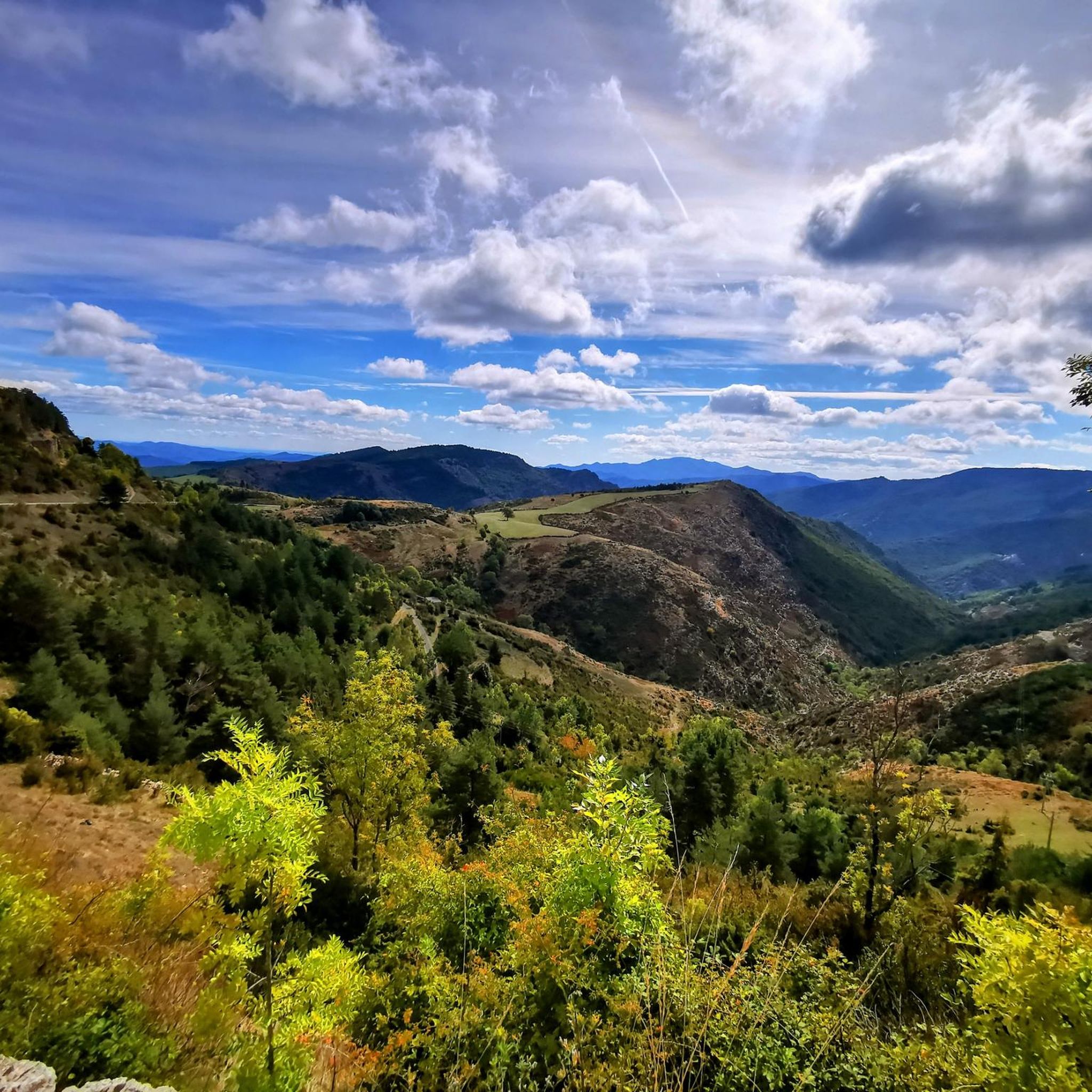
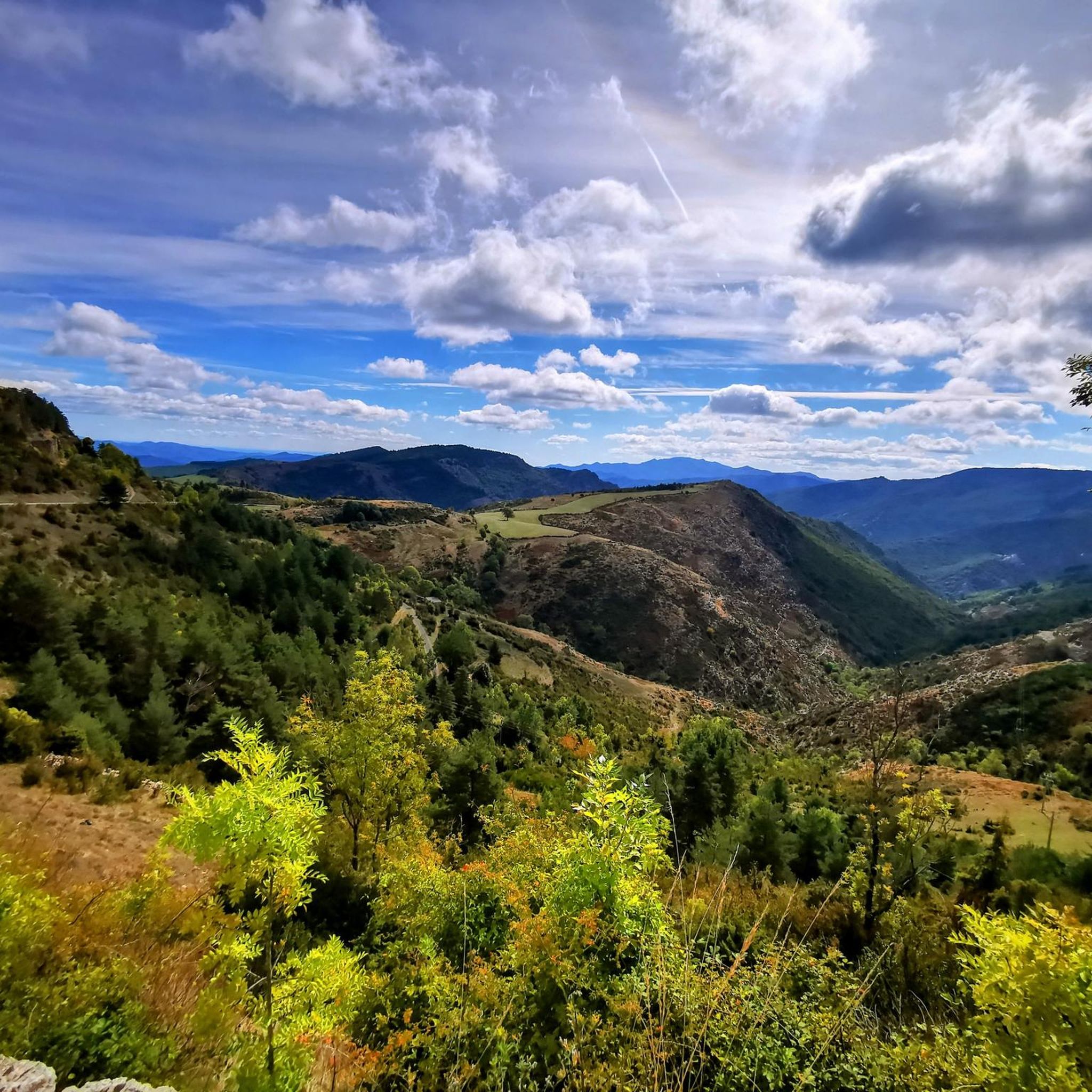
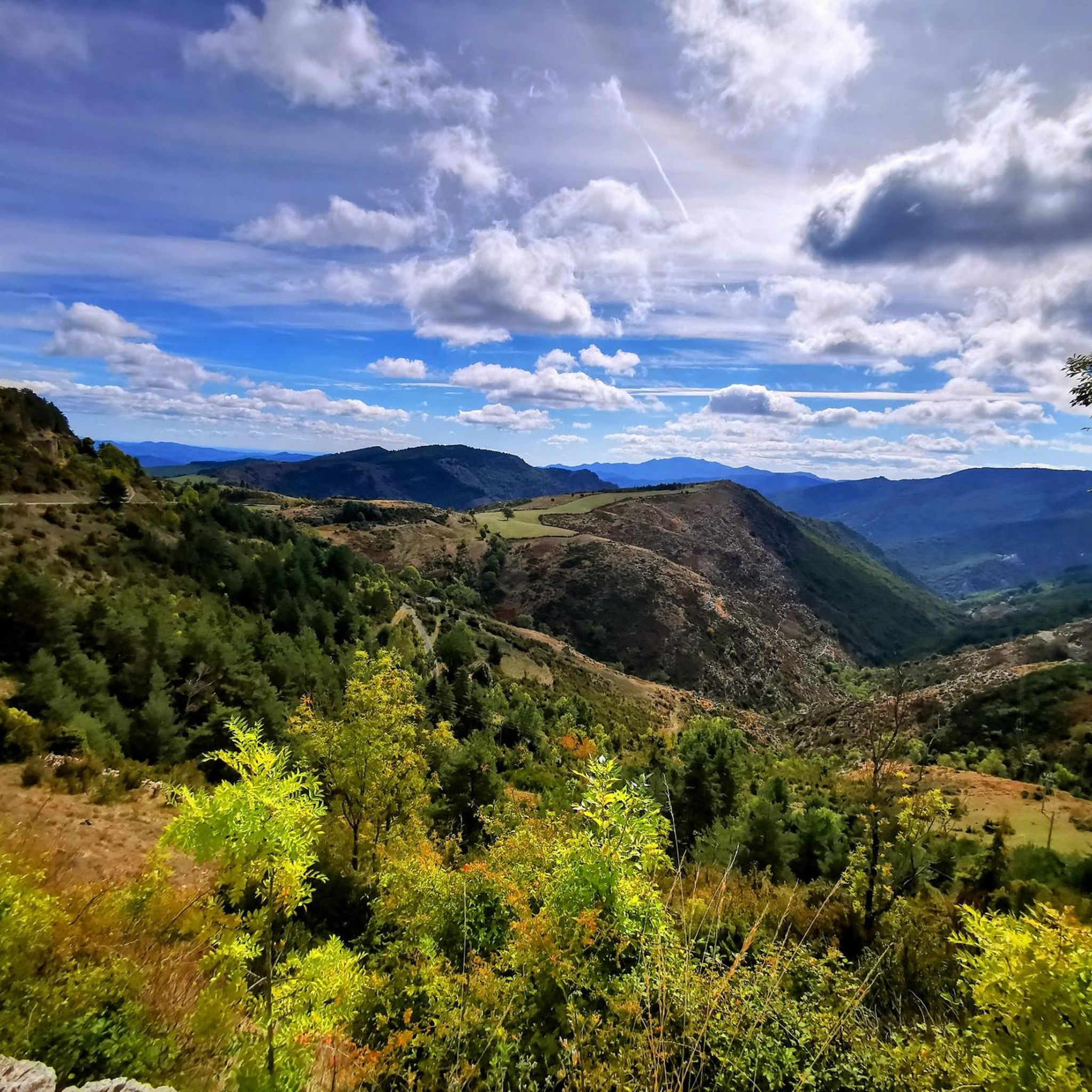
Beautiful view of the Cévennes
Highlight • Other
Translated by Google •
Tip by

Mount Aigoual
Highlight • Summit
It also lies on the border between the Gard and Lozère departments. Here you'll find a weather station, as well as a snack bar and refreshment bar.
On a clear day, the panorama is exceptional, offering views stretching from the Alps to the Pyrenees, and from the Puy de Sancy to the Mediterranean.
Beware of sudden temperature changes and wind.
Translated by Google •
Tip by
Sign up for free to discover even more attractions around Le Pompidou.
Sign up for free
Already have an account?
Start today with a free account
Your next adventure awaits.
Login or Signup

Tips from the Community

Sublime point, view of the Cévennes and the Mediterranean Sea in good weather
0
0

Under the title "France's Wild South," an episode of the British television series "National Parks – Protected Natural Wonders" on 3sat presents the Cévennes mountains. The accompanying text on the website states: "Lush green mountains, barren plateaus, and deep gorges characterize this landscape, which, unlike France's coasts, has not yet been discovered by mass tourism. It also boasts some of the country's most spectacular river landscapes." The compelling documentary, available in German, can be viewed in the media library at the following link: https://www.3sat.de/dokumentation/nationalparks-geschuetzte-naturwunder/nationalparks-geschuetzte-naturwunder-cevennen-frankreichs-wilder-sueden-102.html
0
0

This small sacred monument, too, is a symbol of remembrance of the crucifixion and resurrection of Jesus Christ. However, its design is very unique and unlike the usual crosses that often crown mountain peaks. At the end of the triangular base plate, a small wall appears to have been built, its sides terminating in the shape of a stepped gable. In the center is a V-shaped cutout, the ends of which extend significantly beyond the height of the small wall. From this V emerges the longitudinal beam of the cross, which, however, has two crossbeams. This double crossbeam, as well as the lack of a corpus, is typical of the so-called "Lorraine Cross."
3
0

Lovely running climb, at the beginning through the forest it is nice to cycle. After that the road surface becomes a bit worse. Nice running climb.
0
0

Wonderful mountain with a wonderful view. We stayed there on our long-distance hike from Tarifa (Spain) to Switzerland and can highly recommend the camp.
4
0

Very nice place to contemplate the surrounding landscapes in favorable weather conditions. Presence of a bar/restaurant and a panoramic table at height.
2
0

Mont Aigoual is the second highest peak in the Cévennes after Mont Lozère. Renowned for its meteorological observatory, it offers breathtaking panoramic views. It’s a popular place for mountain bikers!
2
0
Frequently Asked Questions
What natural features can I explore around Le Pompidou?
Le Pompidou is nestled within the Cévennes National Park, a UNESCO World Heritage site. You can explore diverse landscapes, including valleys and high plains. Notable natural features include Mont Aigoual, the second-highest peak in the Cévennes, offering panoramic views. The dramatic cliffs and deep wooded slopes of the Gorges du Tarn are also nearby, as is the impressive Cirque de Navacelles.
Are there any historical or cultural sites to visit in Le Pompidou?
In Le Pompidou itself, you can visit the 12th-century Romanesque Saint Flour Church, characterized by its traditional architecture of limestone walls and dark shale roofs. For a deeper dive into regional history, the Musée du Désert, dedicated to the history of Protestantism in the Cévennes, is also located nearby.
What kind of outdoor activities can I do near Le Pompidou?
The region around Le Pompidou is ideal for various outdoor activities. You can enjoy hiking on numerous trails, including the scenic Bezuc hiking path along the Corniche of the Cévennes. Mountain biking is popular, especially around Mont Aigoual. For more specific routes, you can explore guides like MTB Trails around Le Pompidou or Running Trails around Le Pompidou.
Are there good hiking opportunities around Le Pompidou?
Yes, hiking is a major draw. One of the most notable is The 4000 Steps, a historic and challenging 9.5 km path with a 1200 m drop, leading from Valleraugue to the Aigoual observatory. The Cévennes National Park offers countless trails for all levels, and the Corniche of the Cévennes features paths like the Bezuc hiking path with great views.
What are some family-friendly attractions near Le Pompidou?
Families can enjoy exploring the natural beauty of the Cévennes National Park with its varied landscapes. Gentle walks and picnics can be found in many areas. Visiting picturesque villages like Florac-Trois-Rivières or Sainte-Enimie offers a pleasant outing. The Jardin des Sambucs, a remarkable garden, is also a lovely spot for a family visit.
What are some unique geological formations to see?
The region boasts several unique geological formations. You can visit the Chaos de Nîmes-le-Vieux and Chaos de Montpellier-le-Vieux, which are distinctive natural rock formations. For underground exploration, the Abîme de Bramabiau and Grotte des Demoiselles offer fascinating cave experiences.
Are there any scenic drives or viewpoints in the area?
Absolutely. Le Pompidou is traversed by the Corniche of the Cévennes, a renowned scenic route offering breathtaking views. Mont Aigoual provides panoramic vistas that, on a clear day, can stretch from the Alps to the Pyrenees and the Mediterranean. Another excellent spot for views is the L'Aultre field, offering stunning perspectives of the surrounding landscape.
What is the best time of year to visit Le Pompidou for outdoor activities?
The Cévennes region generally offers pleasant conditions for outdoor activities from spring through autumn. Summer is popular for hiking and exploring, but can be warm. Spring and early autumn provide milder temperatures and beautiful scenery, ideal for longer hikes and cycling. Winter can be challenging, especially at higher altitudes like Mont Aigoual, due to snow and extreme conditions.
Are there any local markets or festivals in Le Pompidou?
Le Pompidou hosts a summer farmers' market on Friday mornings, where you can find local, fresh produce and regional specialties. Nearby towns like Valleraugue, Ispagnac, and Sainte-Enimie also have markets. The Saint Flour Festival in Le Pompidou offers visitors a chance to experience classical and contemporary music.
What do visitors say about the attractions around Le Pompidou?
Visitors frequently praise the stunning natural beauty and the challenging yet rewarding hikes. For instance, the ascent of The 4000 Steps is described as 'consistently steep but easy to walk,' offering incredible views. Mont Aigoual is highlighted for its 'breathtaking panoramic views' and as a popular spot for mountain bikers. The charm of towns like Florac-Trois-Rivières is also appreciated for its local amenities and atmosphere.
Are there any picturesque villages worth visiting nearby?
Yes, the area around Le Pompidou is dotted with charming villages. Florac-Trois-Rivières is a small rural town at the confluence of three rivers, known for its market. Other picturesque villages with medieval origins include Meyrueis, Montbrun, and Le Pont de Montvert. Sainte-Enimie, located about 27 km away, is recognized as one of the 'Most Beautiful Villages in France'.
Where can I find places to eat or drink near the attractions?
Towns like Florac-Trois-Rivières offer a good selection of catering and accommodation options, including bakeries and bars. At Mount Aigoual, there is a snack bar and refreshment bar available, though it's advisable to check opening times, especially outside peak season. Many villages in the region will have small cafes or restaurants.
Most popular routes around Le Pompidou
Most popular attractions around Le Pompidou

Get inspired with the komoot mobile app


Explore more
Still not found the Highlight you’re looking for? See guides of the top attractions in other regions:
