Attractions and Places To See around Quézac - Top 20
Best attractions and places to see around Quézac include historical landmarks, natural river gorges, and cultural points of interest. Situated at the entrance to the Gorges du Tarn, the village is known for its medieval bridge and the source of Quézac mineral water. The surrounding area features traditional architecture and picturesque villages nestled within the dramatic landscape. This region offers a blend of historical significance and natural beauty for visitors to explore.
Best attractions and places to see around Quézac
…Last updated: August 30, 2026
Sainte-Enimie Village
Highlight • Settlement
Translated by Google •
Tip by

Florac-Trois-Rivières
Highlight • Other
With 2,000 inhabitants, it is …
Translated by Google •
Tip by

Sign up now to discover places like this
Get recommendations on the best single tracks, peaks, & plenty of other exciting outdoor places.
Sign up for free
Saint-Chély-du-Tarn
Highlight • Settlement
Translated by Google •
Tip by

Notre-Dame de Cénaret Chapel
Highlight • Religious Site
Very beautiful buildings ranging from medieval times to the …
Translated by Google •
Tip by
Dolmen at Col de la Pierre Plate
Highlight • Mountain Pass
His chamber, covered by a large slab and open towards the east, is three …
Translated by Google •
Tip by
Sign up for free to discover even more attractions around Quézac.
Sign up for free
Already have an account?
Start today with a free account
Your next adventure awaits.
Login or Signup
Popular around Quézac
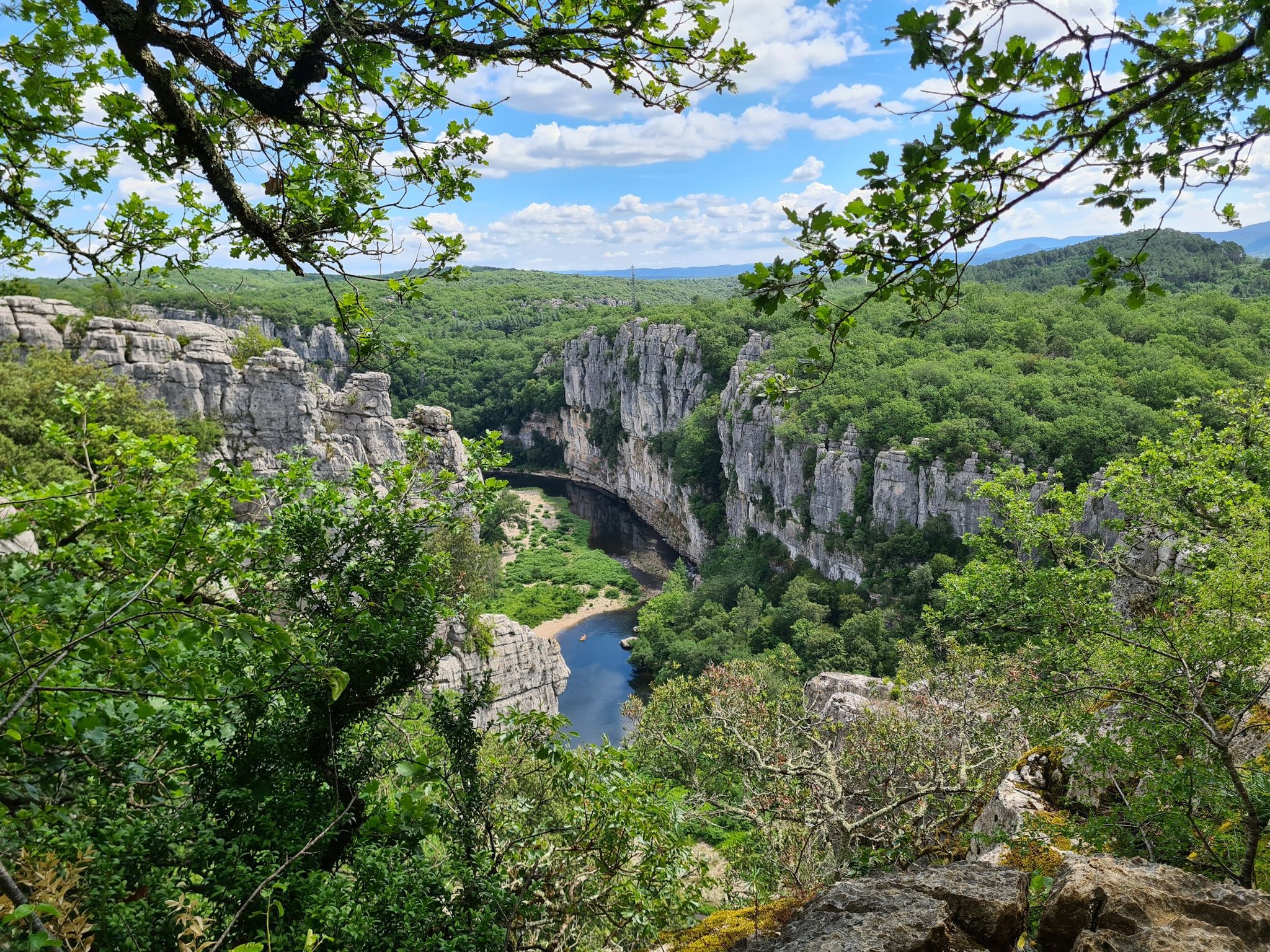
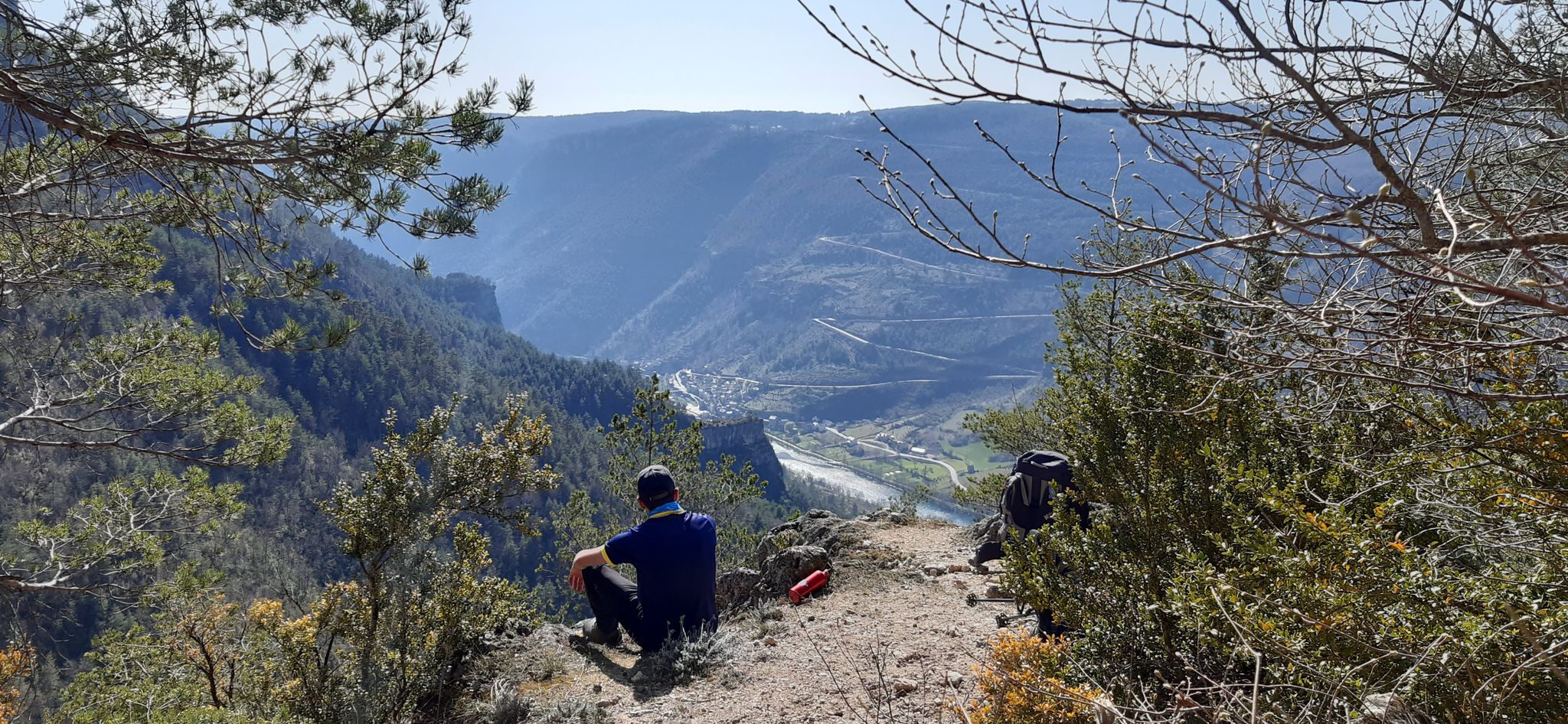
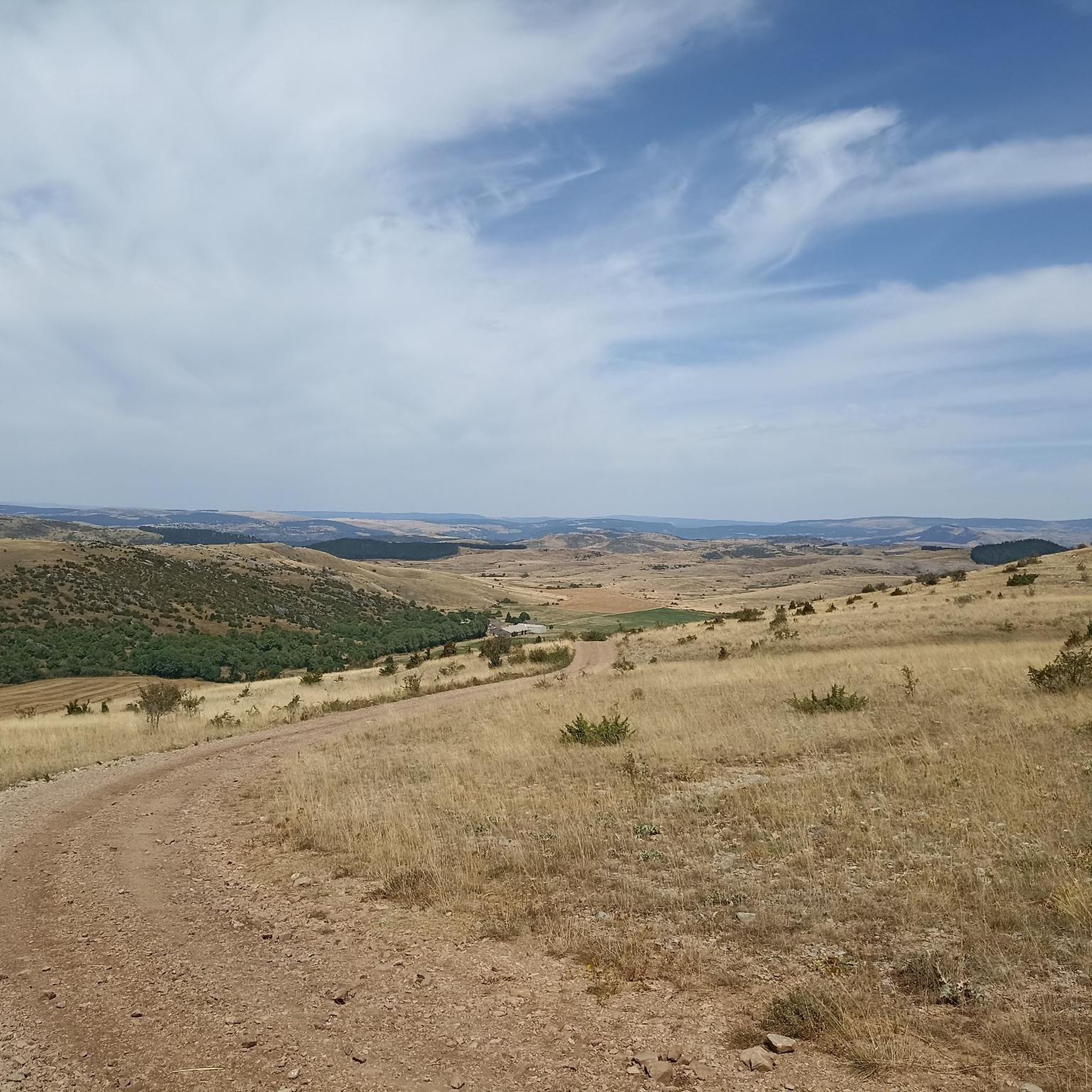
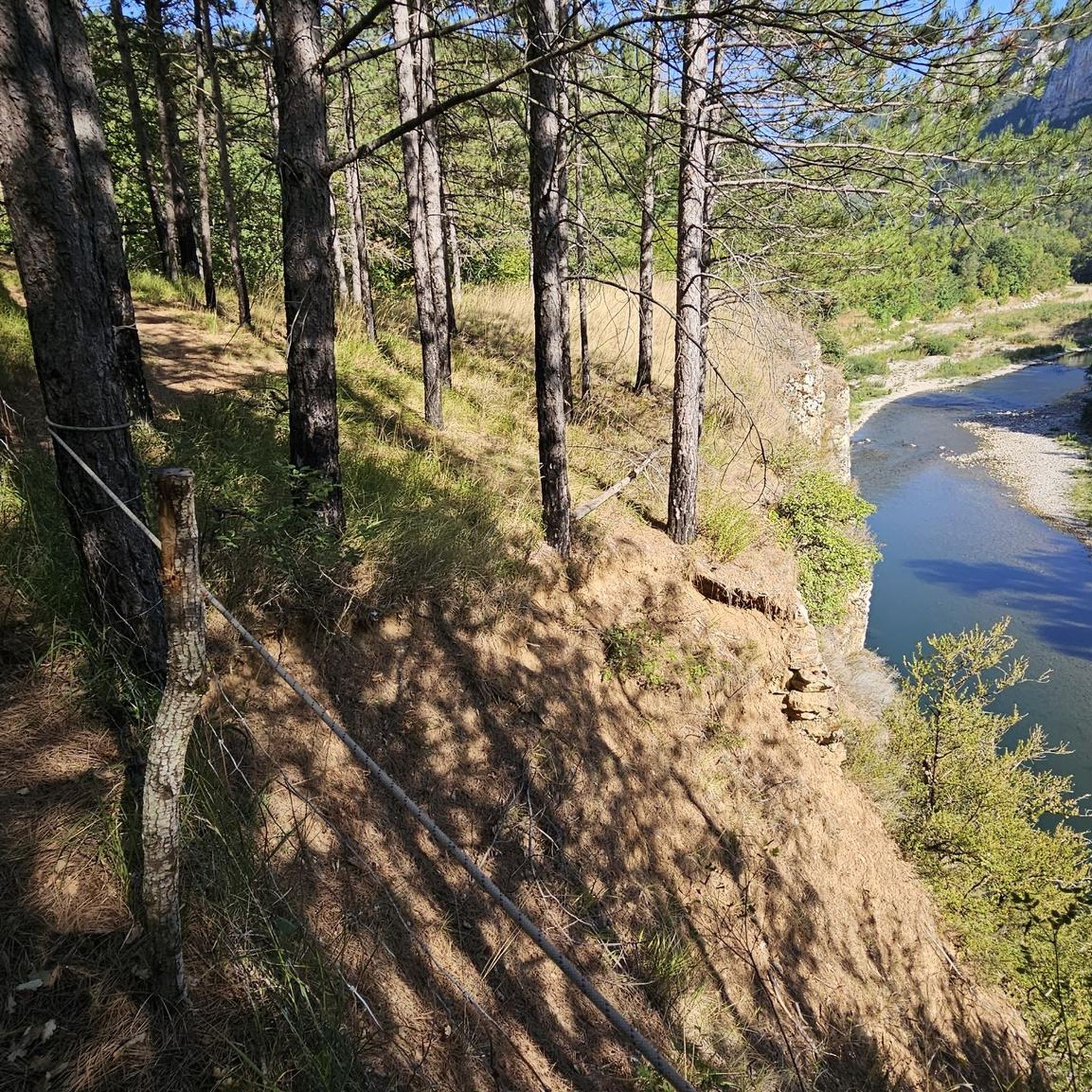
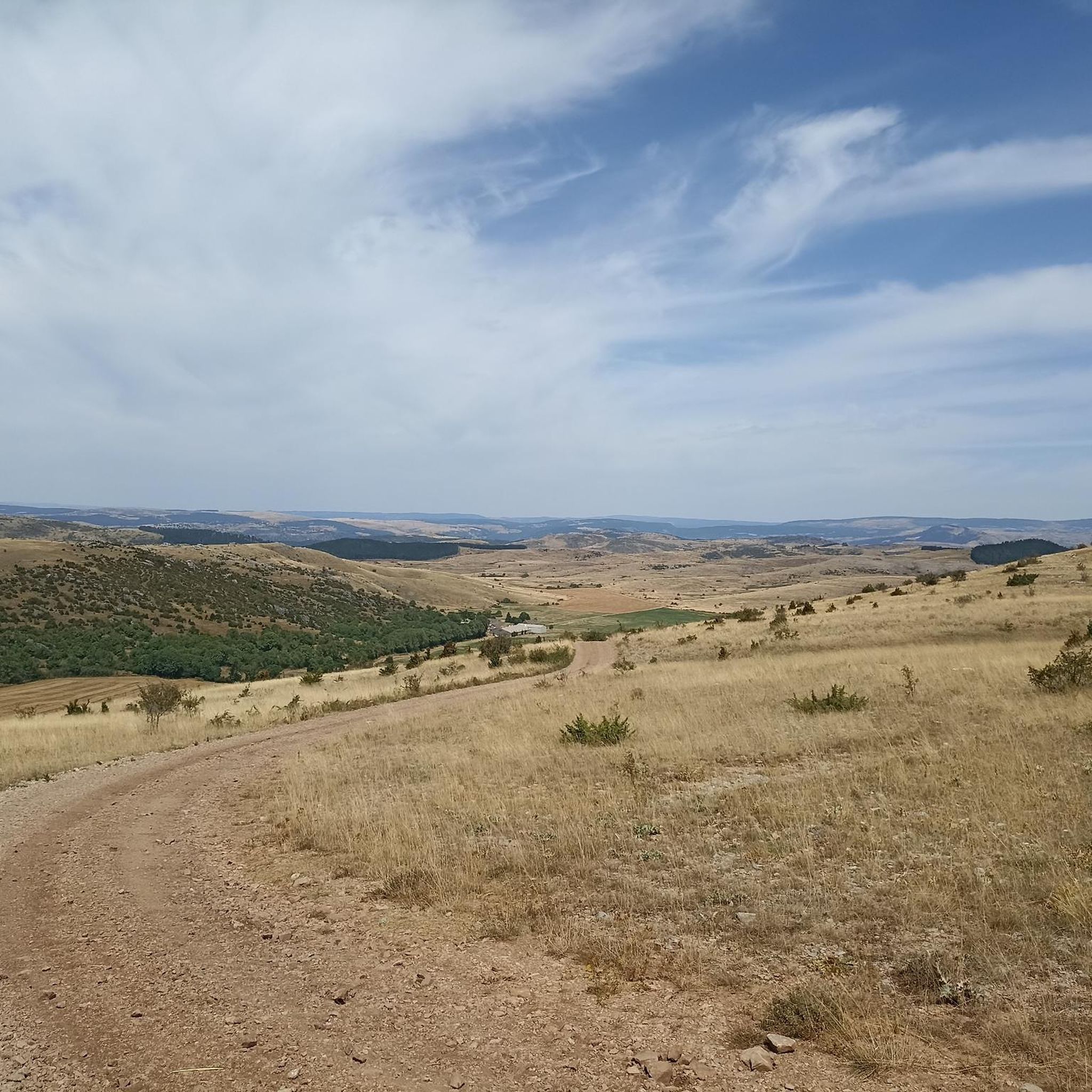
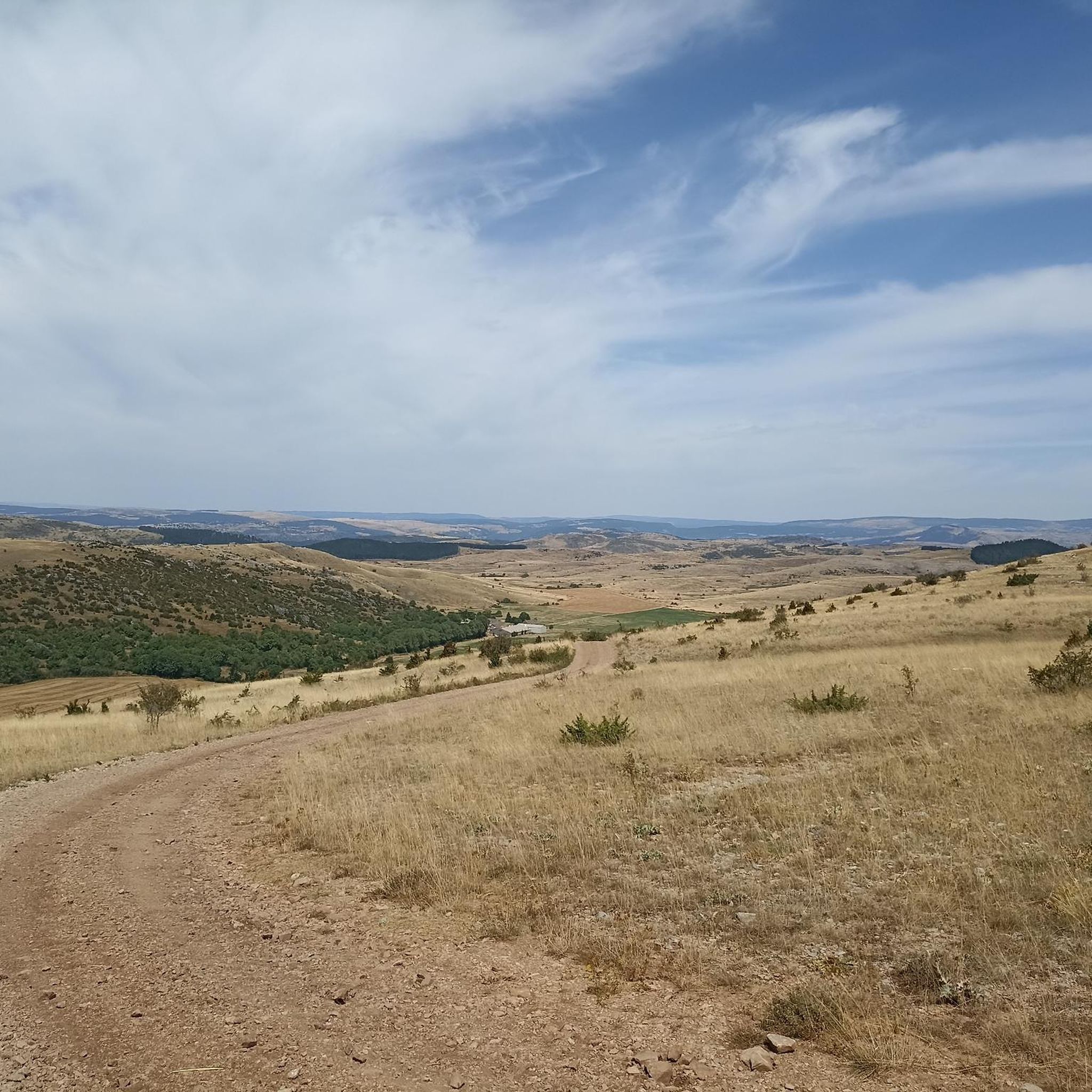

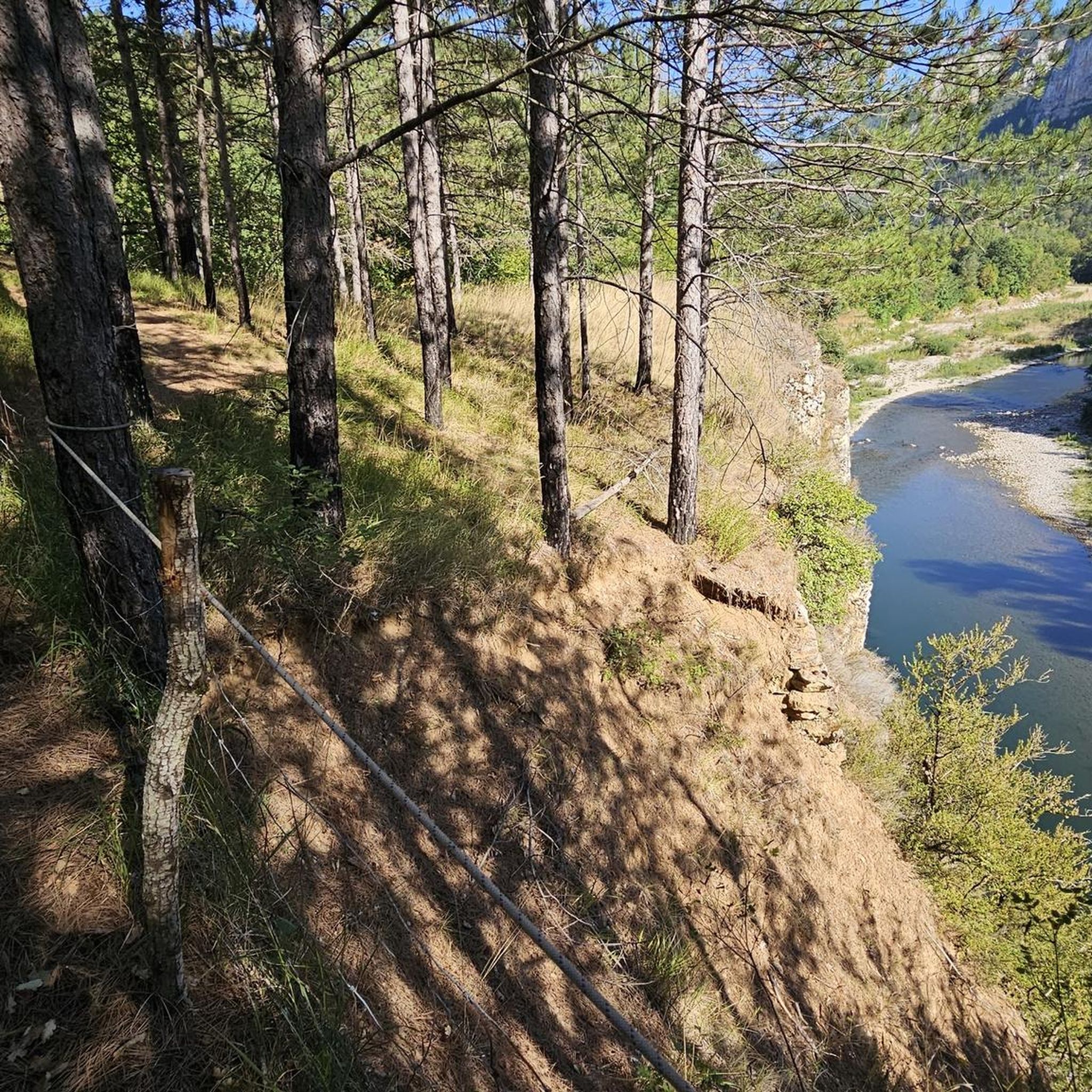


Tips from the Community

A lovely tourist town with plenty of options. Beautiful scenery along the Tarn.
0
0

Sainte-Enimie is a picturesque village located in the Lozère department of the Occitanie region in southern France. Nestled in the heart of the Gorges du Tarn, this village is renowned for its natural beauty, historical heritage, and authentic atmosphere. Why visit Sainte-Enimie? Natural Beauty: The spectacular setting of the Gorges du Tarn and the Tarn River offer exceptional opportunities for nature lovers and outdoor enthusiasts. Historical Heritage: The village and its medieval buildings offer a fascinating insight into the regional history and culture. Authenticity: Sainte-Enimie is an example of an authentic French village, where one can appreciate traditional architecture, local crafts, and a serene atmosphere. In short, Sainte-Enimie is an ideal destination for those looking to combine natural exploration, historical discovery, and immersion in local culture. Architectural Heritage: Sainte-Enimie Church: The village church, dedicated to Saint Enimie, is a remarkable example of medieval architecture with a Gothic façade, sculpted capitals and a picturesque cloister. It is a must-see site for lovers of religious architecture. Old Houses: The village preserves a group of stone houses, with slate roofs, which reflect the traditional architecture of the South of France. These houses contribute to the authentic charm of the village.
2
0

old mill, magnificent to see it is used to display local and artisanal products
0
0

Beautiful town, one of the most beautiful in France.
1
1


Enimie gave its name to this village, classified among the most beautiful in France. The Merovingian princess, daughter of Clotaire II, became a saint of the Catholic Church. The medieval origin of the city is indisputable. Strolling through the old cobbled streets of this village is a constantly renewed pleasure. Sainte-Enimie is also a very good starting point for descents of the Tarn gorges by kayak and canoe.
1
1

Nestled under a rock wall at the bottom of the village of Saint-Chély du Tarn, the Notre-Dame de Cénaret chapel, dating from the 12th century, sits near a spring leading to an underground lake. It's definitely worth the detour!
0
0

The village of Saint-Chély-du-Tarn is ideally located in the heart of the Tarn gorges. Better still, it offers direct access to the river, and its superb stone bridge offers a magnificent view of the gorges. Fans of heritage and history will also be seduced by its Romanesque church and its chapel.
0
0
Frequently Asked Questions
What historical landmarks can I explore in and around Quézac?
Quézac is rich in history. You can visit the impressive Quézac Medieval Bridge, dating back to 1450, which spans the Tarn River. The Church of Notre-Dame de Quézac, with its Gothic-style red arch entrance and interior frescoes, is another significant historical monument. Further afield, you can discover the Dolmen at Col de la Pierre Plate, one of the best-preserved megalithic tombs in the region.
What natural attractions are there near Quézac?
Quézac is situated at the entrance to the spectacular Gorges du Tarn, renowned for its cliffs and deep wooded slopes. The village is also famous for the source of its sparkling mineral water, "Quézac," which you can learn more about. Additionally, Mont Lozère, a site of natural beauty, is approximately 18 km away.
Are there any picturesque villages to visit near Quézac?
Yes, several charming villages are close by. Sainte-Enimie Village is classified as one of the most beautiful villages in France, known for its medieval architecture and cobbled streets. Saint-Chély-du-Tarn offers direct access to the river and magnificent views, while Florac-Trois-Rivières is a hub for nature and heritage enthusiasts at the confluence of three rivers.
What unique cultural sites can I find in Quézac?
Beyond its historical structures, Quézac is known for its sparkling mineral water. You can visit the Quézac Bottling Plant, which offers insights into the production process. A pedestrian circuit also guides visitors from the banks of the Tarn to the original "Diva" spring and through the heart of the village, showcasing its traditional architecture, including a 17th-century 'ice house'.
What outdoor activities are available around Quézac?
The region around Quézac offers a variety of outdoor activities, especially within the Gorges du Tarn. You can enjoy kayaking and canoeing on the Tarn River. For land-based adventures, there are numerous routes for cycling, mountain biking, and running. Explore options in the Cycling around Quézac, MTB Trails around Quézac, and Running Trails around Quézac guides.
Are there good hiking trails near Quézac?
Yes, the area around Quézac, particularly within the Gorges du Tarn and Cévennes National Park, offers many hiking opportunities. You can find trails ranging in difficulty, with options for various durations and elevation gains. For specific routes and more details, refer to the outdoor activity guides for the region.
Are there family-friendly attractions around Quézac?
Many attractions in the region are suitable for families. Exploring the picturesque cobbled streets of Sainte-Enimie Village or enjoying the river access at Saint-Chély-du-Tarn are great options. The Gorges du Tarn also offers opportunities for family-friendly activities like kayaking or gentle walks along the riverbanks.
What is the best time to visit Quézac for outdoor activities?
The best time to visit Quézac for hiking and outdoor activities is generally during the spring (April to June) and autumn (September to October). During these seasons, the weather is typically mild and pleasant, making it ideal for exploring the Gorges du Tarn and surrounding natural areas. Summers can be warm, which is perfect for water activities on the Tarn River.
Where can I find wild swimming spots near Quézac?
The Tarn River, which flows through the Gorges du Tarn, offers several opportunities for wild swimming. Many spots along the river, particularly near villages like Saint-Chély-du-Tarn, provide direct access to the water. Always ensure to check local conditions and safety guidelines before swimming in natural waters.
What do visitors particularly enjoy about the attractions near Quézac?
Visitors frequently praise the stunning natural beauty of the Gorges du Tarn and the charm of the medieval villages. The picturesque cobbled streets of Sainte-Enimie and the magnificent views from the stone bridge at Saint-Chély-du-Tarn are often highlighted. The blend of historical sites, like the Notre-Dame de Cénaret Chapel built into a cave, and the opportunities for outdoor adventure are also highly appreciated.
Are there any ancient historical sites or monuments to see?
Yes, beyond the medieval structures, you can visit the Dolmen at Col de la Pierre Plate. This megalithic tomb is one of the best-preserved on the Causse Méjean plateau and offers a glimpse into ancient history. Local legends even suggest it has healing properties.
Is Quézac known for anything specific besides its attractions?
Quézac is particularly renowned for its sparkling mineral water, also named "Quézac." The village is home to the source of this water, which is rich in bicarbonates, sodium, calcium, and magnesium, and historically, the Celtic people are believed to have revered these waters around 1500 BC.
Most popular attractions around Quézac

Get inspired with the komoot mobile app


Explore more
Still not found the Highlight you’re looking for? See guides of the top attractions in other regions:
