The best road cycling routes around Sangatte
4.5
(284)
6,900
riders
18
rides
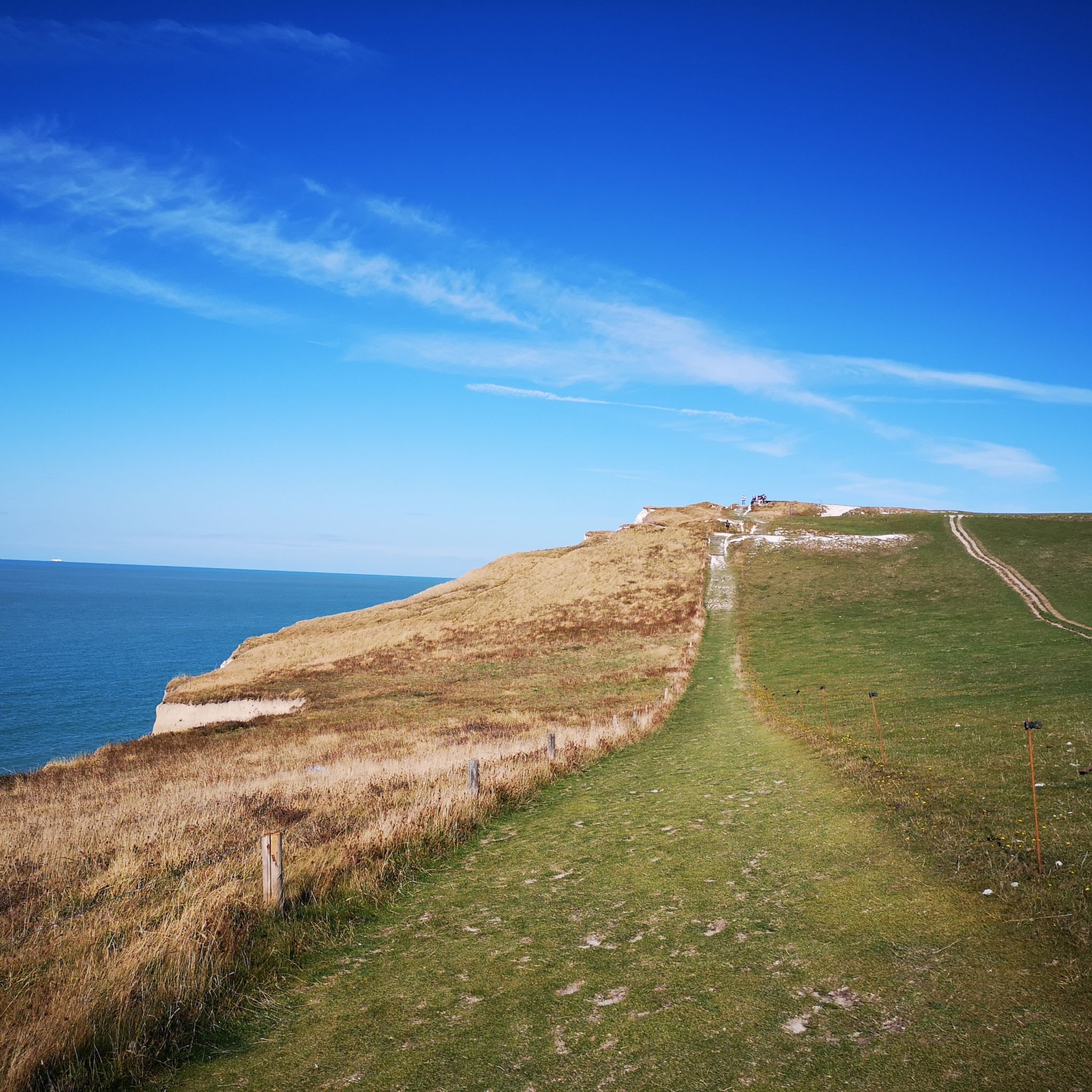
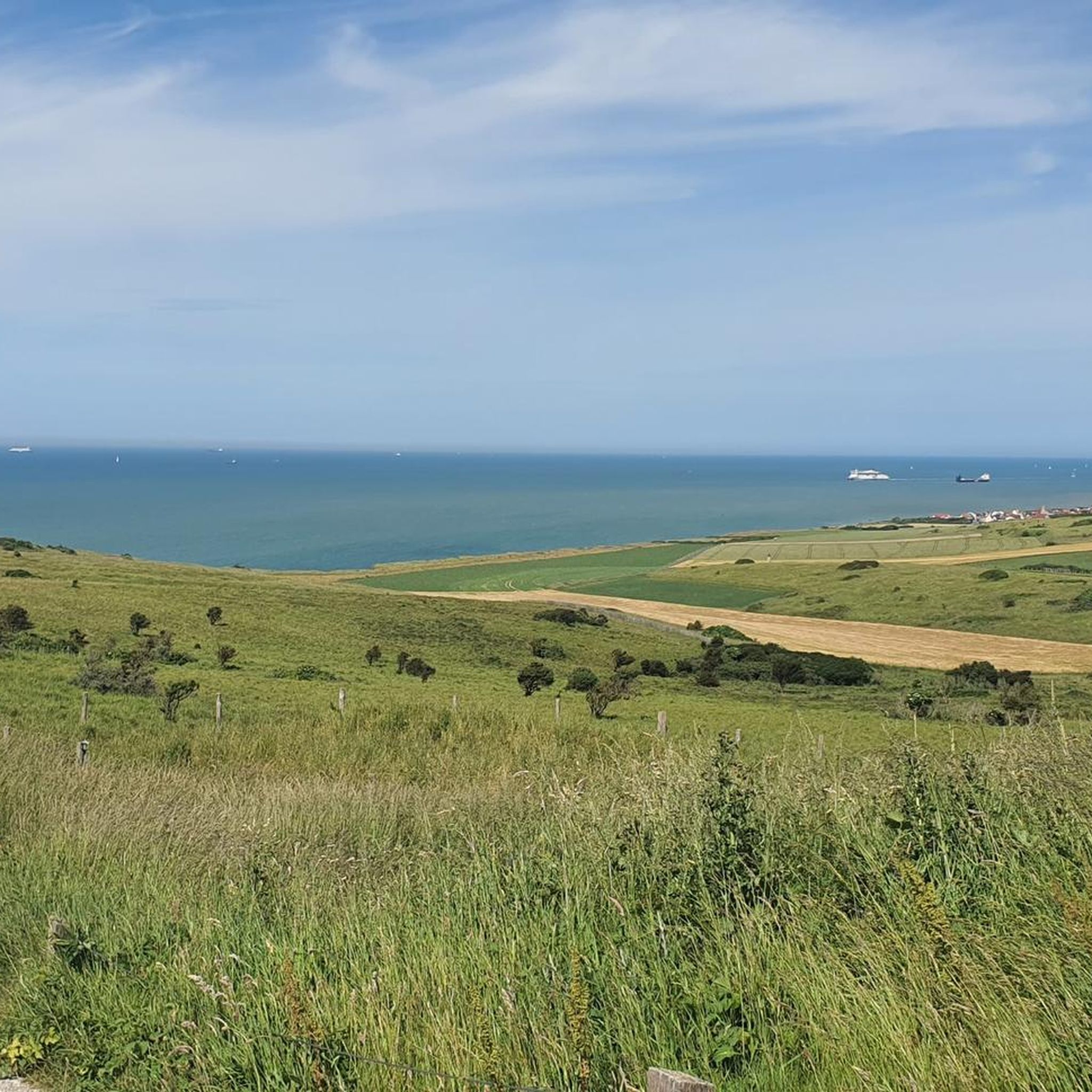
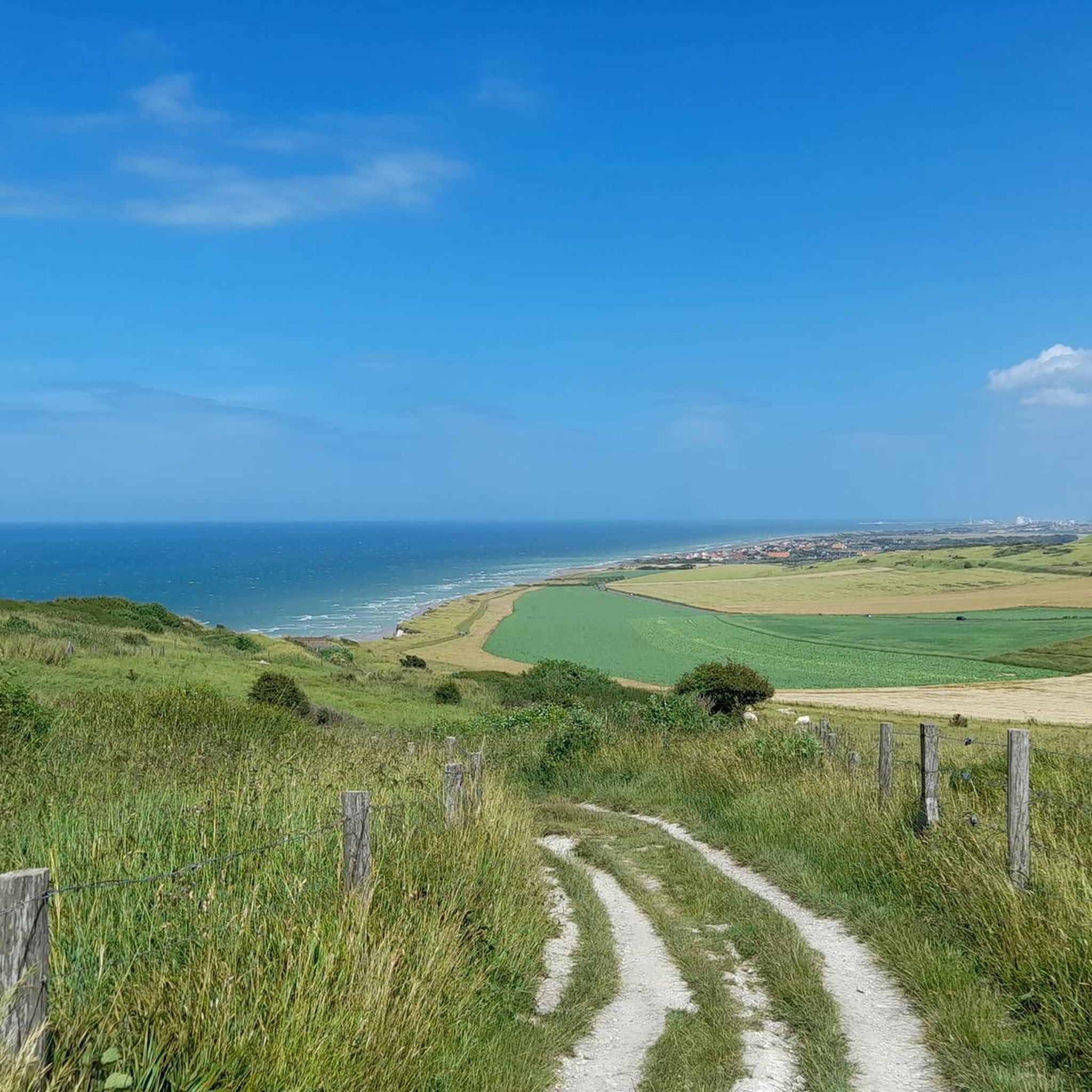
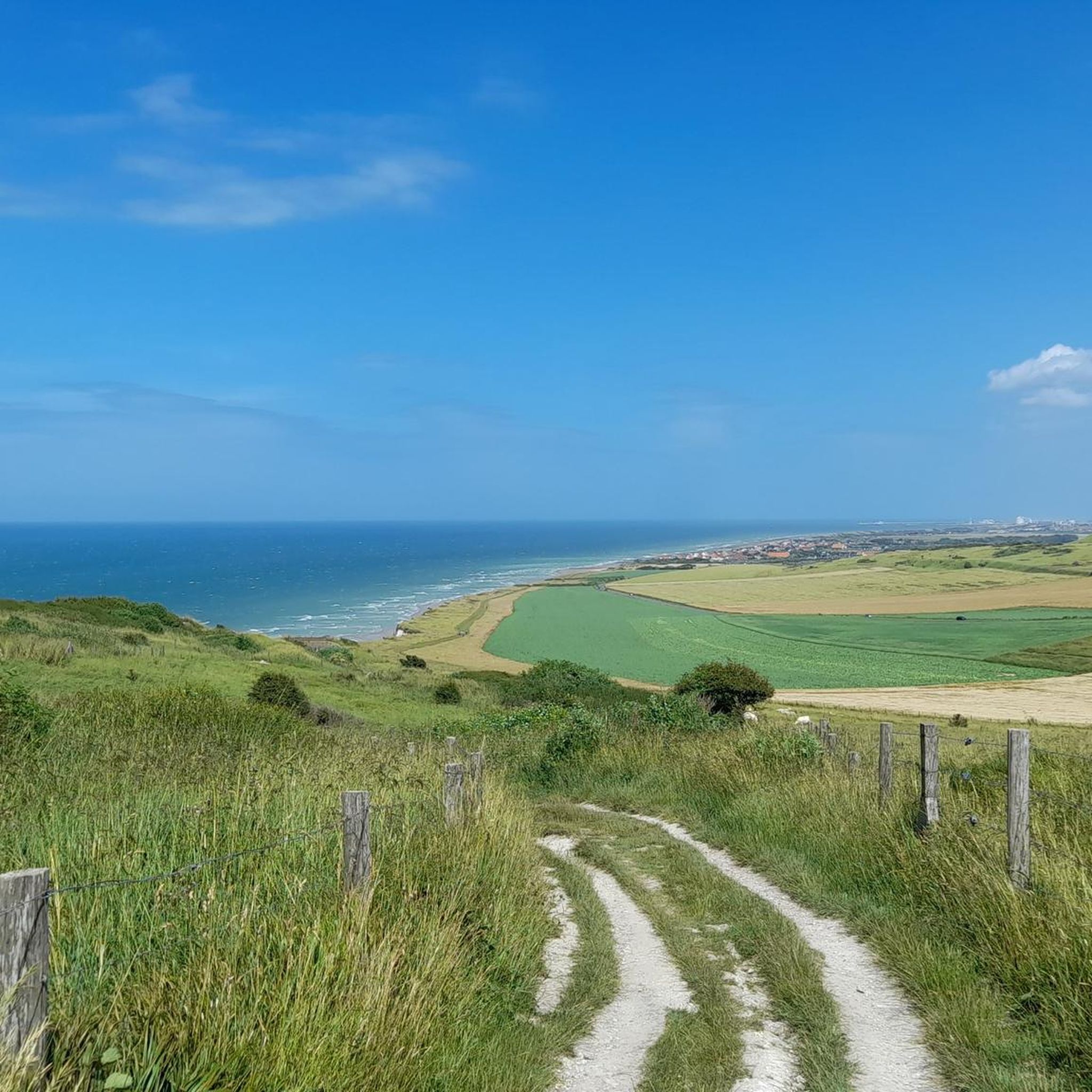
Road cycling around Sangatte offers diverse terrain along the northern coast of France, characterized by its position on the Opal Coast. The region features prominent white chalk cliffs, such as Cap Blanc-Nez, providing challenging ascents and panoramic views. Expansive sandy beaches and a well-maintained promenade offer flat, coastal riding options. Inland, cyclists encounter charming bocage landscapes with low-traffic country roads.
Best road cycling routes around Sangatte
- The most popular road cycling route is Cap Blanc Nez – Bazinghen loop from…
Last updated: July 15, 2026
7
riders
81.4km
03:57
1,000m
1,000m
Hard road ride. Very good fitness required. Mostly well-paved surfaces and easy to ride.
6
riders
116km
06:02
1,460m
1,460m
Hard road ride. Very good fitness required. Mostly well-paved surfaces and easy to ride.

Sign up for free
8
riders
62.7km
02:29
180m
180m
Moderate road ride. Good fitness required. Mostly well-paved surfaces and easy to ride.
6
riders
91.6km
04:07
920m
920m
Hard road ride. Very good fitness required. Mostly well-paved surfaces and easy to ride.
6
riders
Easy road ride. Great for any fitness level. Mostly well-paved surfaces and easy to ride.
Get access to more routes and recommendations from other explorers.
Sign up for free
Already have an account?
Our route recommendations are based on thousands of hikes, rides, and runs completed by other people on komoot.
Start today with a free account
Your next adventure awaits.
Login or Signup

Other adventures around Sangatte

Tips from the Community

In 1882, Father Debras was already thinking about building a sanctuary dedicated to the Virgin Mary. Seeing the deplorable state of the district known as "Cailloux", he intended to echo the Marian devotion of Father G. Bellanger (1861-1902) within this somewhat isolated space, north of the city, while paying homage to the Patron Saint of soldiers. Having never seen the completion of his work, it was Father Debout who took over the work in 1906. The new parish therefore acquired a vicar, Father Peugnet, who launched the bulletin "Notre-Dame des Armées" and a subscription to raise funds to continue the work on the church. However, the 1914-1918 war forced him to delay the work. Subscriptions declined, partly due to the devaluation, but, as a parish bulletin mentions, the number of faithful praying "for the salvation of France, for the protection of their soldiers, to obtain the grace of courage and resignation" increased. After the war, with numerous appeals in the local press and the Voix de Notre-Dame, Father Peugnet relaunched a special subscription for donors of 500 francs: "the godfathers and godmothers of Notre-Dame." Postcards with the caption "Subscribe in memory of our soldiers" were published at each stage of construction. Indeed, from an estimated cost of 100,000 francs in 1914, the expenditure rose to over a million francs. On December 2, 1940, the Kommandantur requisitioned the Cailloux Church for a service in memory of 18 teenage members of the Hitler Youth, killed the previous morning by a bomb from a lone plane, while they were gathering at the end of Cosmorama Street (Rue Monseigneur Piedfort) waiting for trucks to transport them to the construction sites on the coast. After the German occupation, the church was returned to worship.
0
0
The Calais Protestant church was built during the interwar period, inaugurated in 1934, and restored to worship[1]. A first Methodist church, located on Rue du Pont-Lottin in Calais, was built in 1868 for the French-speaking faithful of the Methodist Church of Saint-Pierre-lès-Calais. In 1938, this community joined the Reformed Church of France, and the organ was restored and then transferred. The only liturgical elements present in this Protestant church are the pulpit, the communion table, an open Bible, and a cross.
0
0

The lakeside walkway has been resurfaced. It's still gravel but is no longer rutted.
0
0

A beautiful climb! Route used by the Tour de France in 2022.
0
0

Bazinghen is a charming hamlet marked by the bocage landscape of Boulonnais. It is crossed by small country roads perfect for outings without too much traffic.
0
0

Everyone knows Calais as a ferry port to England, but I would never have guessed that Calais is actually an incredibly diverse city. Calais surprises with modern street art, as well as pretty buildings and an old citadel. The beach is also worth a visit.
1
0

The town hall is certainly the pearl of this city. I have rarely seen such a beautiful town hall. If you are in Calais, you should take a look at it.
1
0
Frequently Asked Questions
How many road cycling routes are available around Sangatte?
There are over 15 road cycling routes around Sangatte, offering a variety of experiences. These include 5 easy routes, 8 moderate routes, and 4 difficult routes, catering to different skill levels.
What types of landscapes can I expect to see while road cycling in Sangatte?
Road cycling in Sangatte offers a diverse range of landscapes. You'll encounter dramatic white chalk cliffs like Cap Blanc-Nez, expansive sandy beaches along the Opal Coast, and charming inland bocage landscapes with low-traffic country roads, particularly around areas like Bazinghen.
Are there any easy road cycling routes suitable for beginners or a relaxed ride?
Yes, Sangatte offers several easy routes perfect for beginners or those seeking a relaxed ride. An excellent option is the Access to Sangatte Beach – Cap Blanc Nez loop from Blériot-Plage, which is 20.3 km long and features gentle gradients and coastal views. Another easy route is the Beach boulevard – Bunker & Lac du Fond Pignon loop from Blériot-Plage, covering 20.9 km.
Where can I find challenging road cycling routes with significant elevation gain?
For challenging rides with significant elevation gain, focus on routes that traverse the Cap Blanc-Nez area. The Bazinghen – Cap Blanc Nez loop from Sangatte is a difficult 81.4 km route with over 1,000 meters of elevation gain. Another moderate but challenging option is the Cap Blanc Nez – Bazinghen loop from Sangatte, which is 55.7 km long with 718 meters of ascent.
What are some notable viewpoints or landmarks along the road cycling routes?
Many routes offer stunning viewpoints and historical landmarks. The iconic Cape Blanc-Nez provides dramatic coastal views where you can often see the English coast on clear days. You might also pass the Dover Patrol Monument at Cap Blanc-Nez, commemorating naval efforts during WWI. The View from Mont d'Hubert is another scenic spot.
Are there any circular road cycling routes around Sangatte?
Yes, many of the road cycling routes around Sangatte are designed as loops, allowing you to start and end in the same location. Examples include the Cap Blanc Nez – Bazinghen loop from Sangatte and the Coquelles Tour – Bunker & Lac du Fond Pignon loop from Sangatte.
What is the best time of year for road cycling in Sangatte?
For a more peaceful experience, it's recommended to visit Sangatte outside of the peak season, which is typically July and August. The region can be quite serene during other times of the year, offering pleasant conditions for cycling.
What do other road cyclists enjoy most about road cycling in Sangatte?
The area is highly rated by the komoot community, with an average score of 4.7 stars from over 90 reviews. Cyclists often praise the diverse terrain, from challenging climbs up Cap Blanc-Nez to flat coastal paths, and the picturesque backdrop of the Opal Coast's white cliffs and charming rural landscapes.
Are there any routes that are part of a larger cycling network?
Yes, a section of the extensive Vélomaritime (EuroVéloroute No 4) passes through the Sangatte region. This allows cyclists to explore coastal towns and the Deux-Caps cliffs as part of a much larger 4,000-kilometer route spanning seven countries.
Can I find routes that combine coastal views with inland exploration?
Absolutely. Routes like the Coquelles Tour – Bunker & Lac du Fond Pignon loop from Sangatte offer a blend of coastal scenery and inland exploration, taking you through varied landscapes including the bocage countryside and past features like Lac du Fond Pignon.
What kind of road surfaces can I expect on the cycling routes?
Most road cycling routes around Sangatte feature mostly well-paved surfaces, making them suitable for road bikes. The 2.4-kilometer-long promenade (digue) along Sangatte Beach is also well-paved and ideal for leisurely cycling.
Most popular attractions around Sangatte

Get inspired with the komoot mobile app


Explore more
Browse the best Road cycling routes in other regions.
