Attractions and Places To See around Le Massegros - Top 20
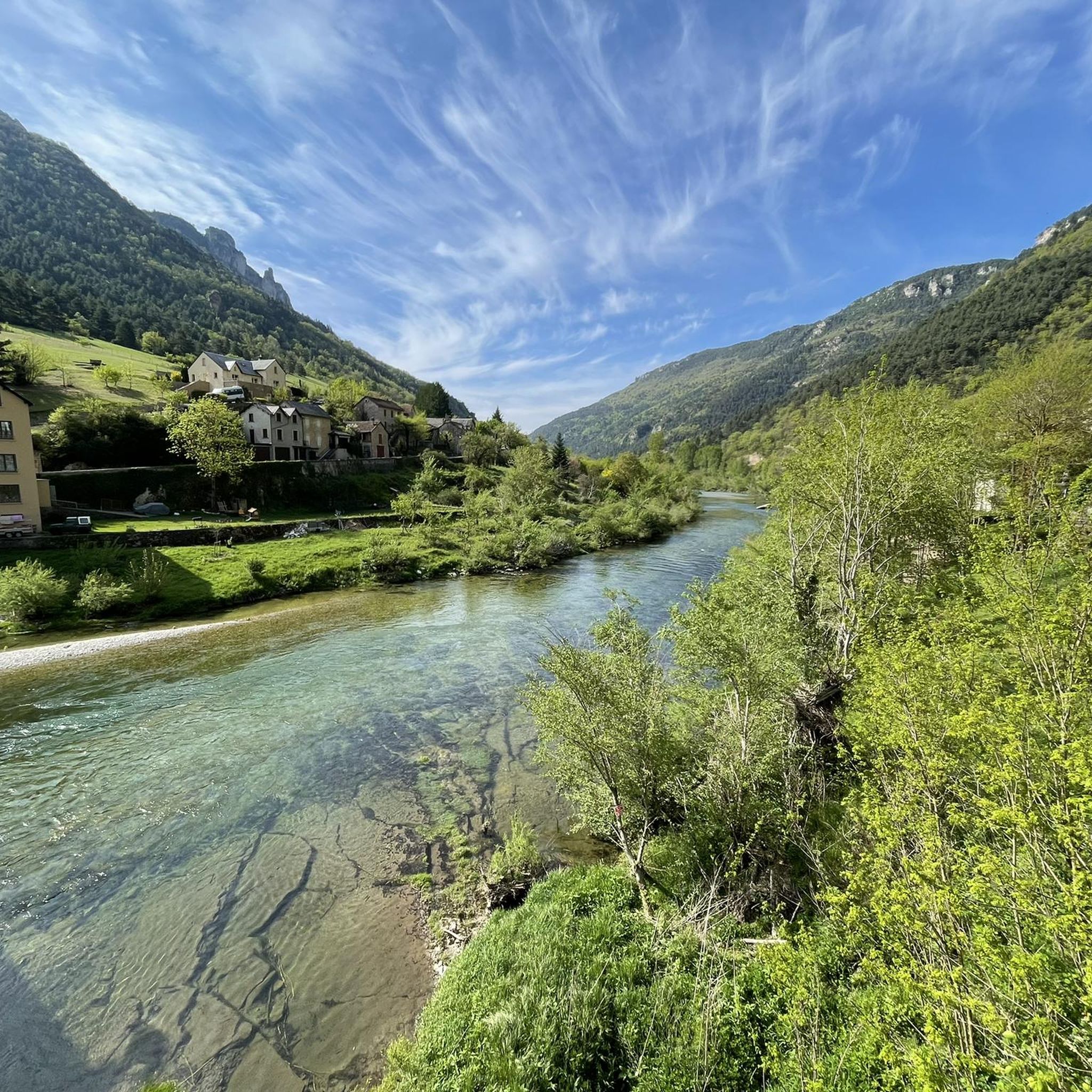
Best attractions and places to see around Le Massegros, a village in the Lozère department of France, offers a blend of natural beauty and historical landmarks. Located within the Causse de Sauveterre and near the Gorges du Tarn, it serves as a base for exploring the wider Occitanie region. The area is characterized by dramatic landscapes, geological wonders, and traditional architecture. Visitors can explore river canyons, cave systems, and unique rock formations.
Best attractions and places to see around Le…
Last updated: July 6, 2026
Le Rozier
Highlight • Settlement
Translated by Google •
Tip by

Peyrelade Castle
Highlight • Castle
Translated by Google •
Tip by

Sign up now to discover places like this
Get recommendations on the best single tracks, peaks, & plenty of other exciting outdoor places.
Sign up for free
Églazines
Highlight • Historical Site
Translated by Google •
Tip by
Saint-Marcellin
Highlight • Historical Site
Translated by Google •
Tip by
Fontaneilles Pedestal
Highlight • Other
Translated by Google •
Tip by
Sign up for free to discover even more attractions around Le Massegros.
Sign up for free
Already have an account?
Start today with a free account
Your next adventure awaits.
Login or Signup

Tips from the Community

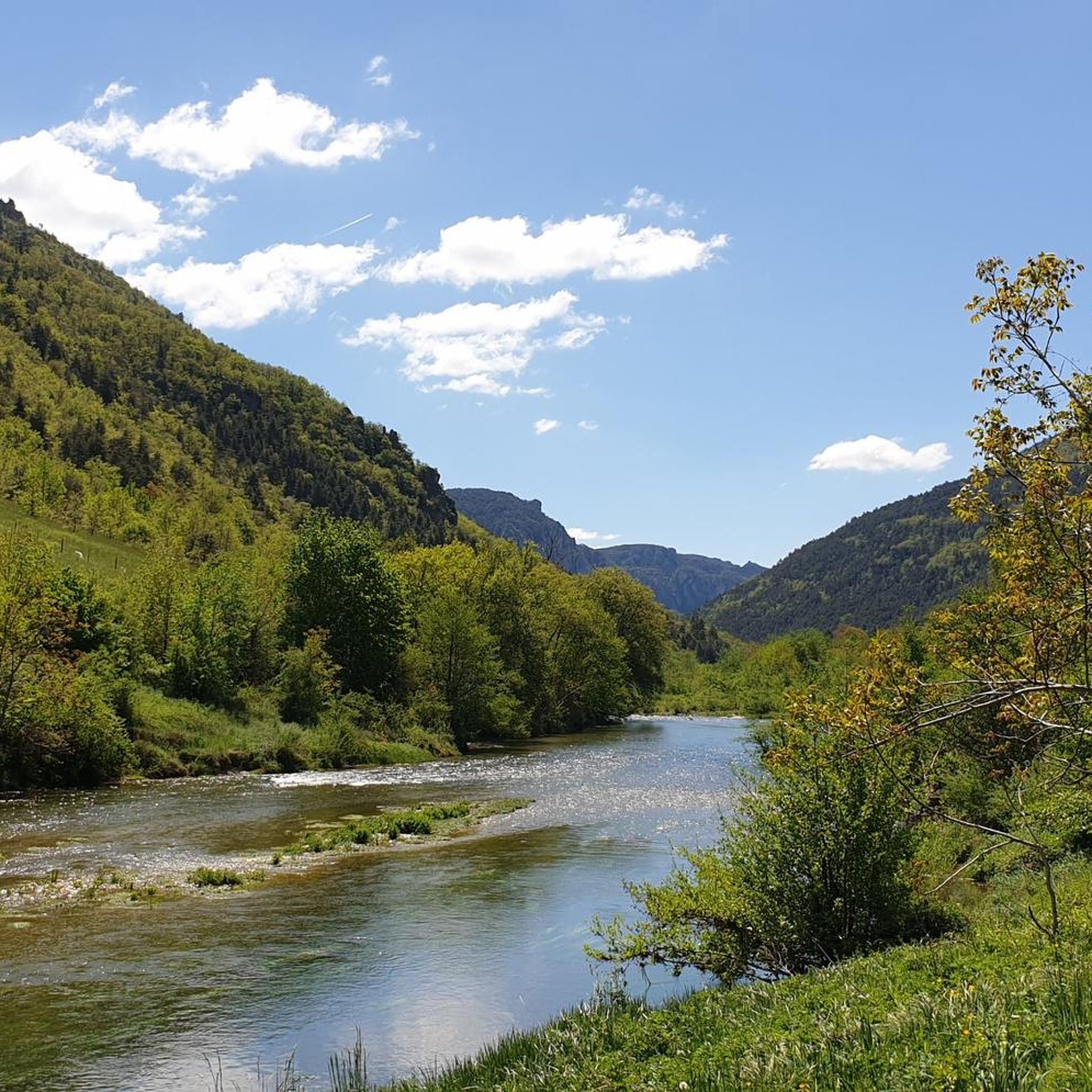
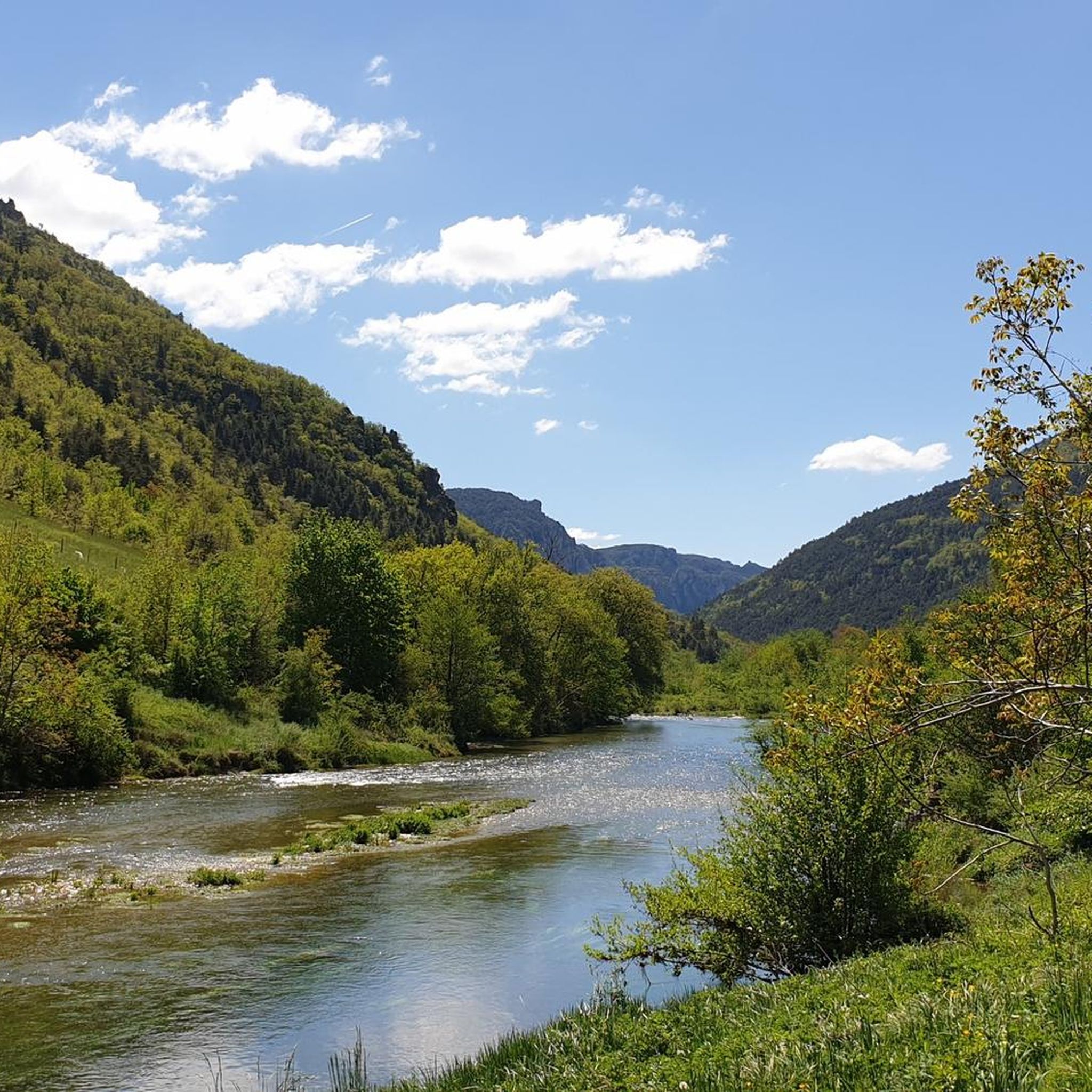
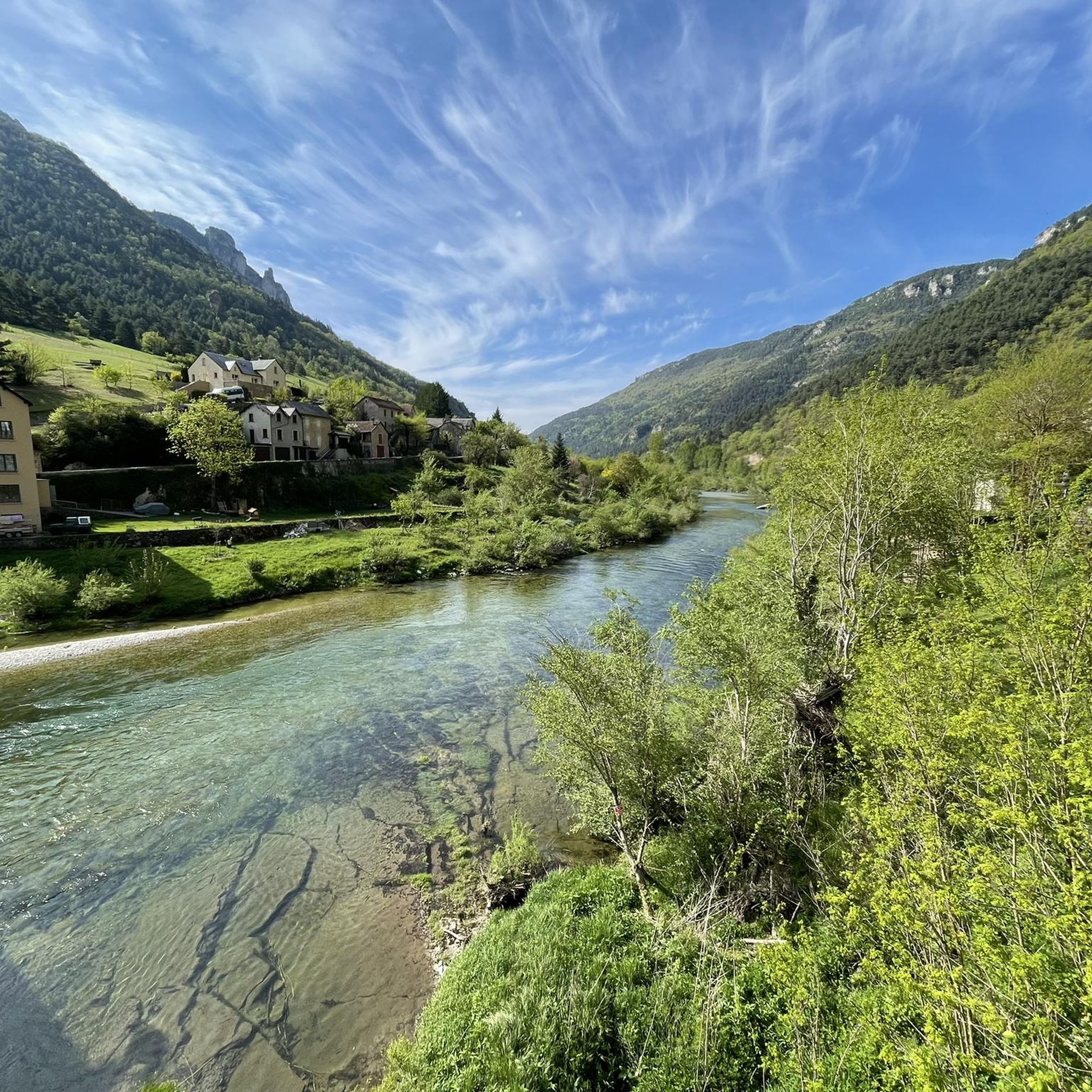
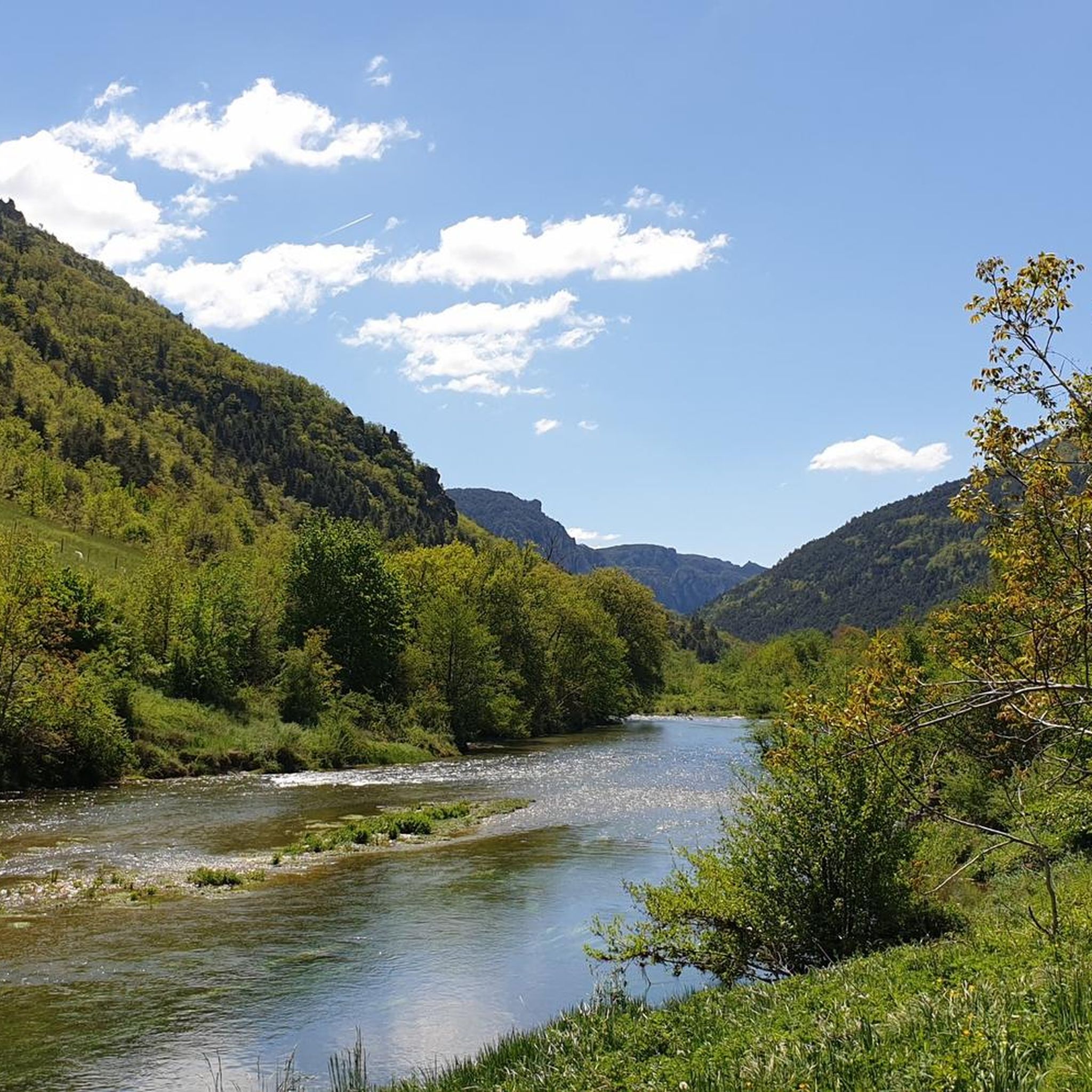
As a local and a cyclist, I can confirm that the scenery is magnificent and the small roads are ideal for cycling, provided you avoid the peak period from July 15th to August 15th. However, I regret that you only mention the village of Le Rozier in the route descriptions, while the photos are mostly of Peyreleau, a superb, unspoiled village, away from the traffic of the gorges, which it faces on the other side of the Jonte River! Note: Le Rozier is in Lozère, while Peyreleau is in Aveyron.
0
0


The massive structure rising above the landscape at this location – with its round dome (although only the vaulting ribs of the roof dome were built, the actual roof covering was never completed) and the lantern erected above it – and crowned by a cross, doesn't seem to quite fit with the small sacred monument at its peak. User 'Cx' has already provided information in his post about the history of the building and the originally planned statue of the Madonna, which was supposed to bestow its blessing upon the land and its people from here.
0
0


very nice hike but some difficult sections.
0
0

Le Rozier was known in Gallo-Roman times as a pottery-making town; it was a town of great religious importance in the 11th century when the monks built the Saint-Sauveur church. The town name comes from the roses that were once cultivated there.
2
0

Built on the side of a cliff in a natural cirque, Saint-Marcellin, like Églazines, is a magnificent and emblematic site where humans have always adapted to nature to build their habitat. This troglodyte village thus preserves the remains of a rock fortification but also of jasses (caves converted into sheepfolds), a Caussenard house, a chapel, a bread oven...
1
0
Frequently Asked Questions
What kind of natural wonders can I explore near Le Massegros?
The region around Le Massegros is rich in dramatic landscapes and geological formations. You can visit the magnificent Gorges du Tarn and Gorges de la Jonte, known for their towering cliffs and deep wooded slopes. Other notable natural sites include the spectacular Aven Armand cave system, the unique rock formations of Chaos de Montpellier-le-Vieux and Chaos de Nimes-le-Vieux, and the impressive Abîme de Bramabiau chasm. For panoramic views, consider the Fontaneilles Pedestal, which offers a magnificent vista of the Tarn valley.
Are there any historical or cultural sites worth visiting in the Le Massegros area?
Absolutely. The area is steeped in history. You can explore the 11th-century Peyrelade Castle, which dramatically overlooks the Tarn valley. Discover ancient troglodyte villages like Églazines and Saint-Marcellin, which are built into cliff sides and offer a glimpse into how humans adapted to nature. The village of Le Massegros itself showcases traditional Causse architecture, including a historic bread oven and dry-stone shelters.
What outdoor activities are popular around Le Massegros?
Le Massegros is an excellent base for outdoor enthusiasts. The Gorges du Tarn are perfect for water sports like canoeing, kayaking, stand-up paddling, and rafting. The surrounding Causses and Cévennes offer extensive opportunities for hiking, mountain biking, and cycling. You can find various running trails, road cycling routes, and hiking paths, including options around the Gorges du Tarn. For specific routes, check out the hiking guide, road cycling guide, and running guide for Le Massegros.
What are some family-friendly activities in the Le Massegros region?
Families will find plenty to do. Beyond exploring the natural landscapes and historical sites, the village of Le Massegros offers free access to miniature golf, tennis courts, and a city stadium. Wildlife parks like the Parc à loups du Gévaudan (Wolves of Gévaudan Park) and the Maison des vautours (Vulture House) provide engaging experiences for all ages. Donkey rides are also available in the area.
When is the best time to visit Le Massegros for outdoor activities?
The summer months are particularly popular for visiting Le Massegros, as the weather is ideal for water sports in the Gorges du Tarn and for exploring the numerous hiking and cycling trails. The region also hosts local events like a fair on May 8th and a Bread Festival in July, adding to the cultural experience. Spring and autumn offer milder temperatures, which can be perfect for hiking and cycling without the summer crowds.
Are there any easy hiking trails suitable for beginners or families near Le Massegros?
While many trails in the Gorges du Tarn can be challenging, there are options for varying difficulty levels. For example, the 'Le Point Sublime – Sublime Viewpoint loop from Massegros Causses Gorges' is rated as moderate, and some sections of the Gorges du Tarn offer easier walks. It's always recommended to check the specific trail details and difficulty ratings on komoot's hiking guide to find routes that match your fitness level.
What are the most scenic viewpoints in the Le Massegros area?
The region boasts several breathtaking viewpoints. The Fontaneilles Pedestal offers magnificent views of the Tarn valley. Within the Gorges du Tarn, the Point Sublime provides an exceptional panorama, and the Cirque des Baumes is another stunning location. The Col de Saint Rome de Dolan on the Causse de Sauveterre is also known for its scenic views of the Gorges du Tarn.
What is the significance of the troglodyte villages near Le Massegros?
The troglodyte villages like Églazines and Saint-Marcellin are unique historical sites. They demonstrate how early inhabitants adapted to the rugged landscape by building homes and structures directly into the cliff sides. These villages often include remains of rock fortifications, caves converted into sheepfolds ('jasses'), traditional Caussenard houses, and chapels, offering a fascinating insight into ancient ways of life and the region's rich heritage.
Can I find places to eat or stay in Le Massegros village?
Yes, Le Massegros village provides local facilities. You'll find options for accommodation and catering within the village. The area is also known for its gastronomy, particularly sheep farming and cheese production. During summer, wine-tasting tours are organized, offering a taste of local produce.
What is the UNESCO World Heritage status of the Causses and Cévennes region?
The wider landscape of the Causses and Cévennes, which includes the area around Le Massegros, is recognized by UNESCO as a World Heritage Site. This designation is due to its unique cultural agro-pastoral landscape, reflecting a long history of human interaction with the environment, particularly through traditional sheep farming and the preservation of its distinctive rural architecture and way of life.
Are there opportunities for water activities in the Gorges du Tarn?
The Gorges du Tarn are a prime location for various water activities. Visitors can enjoy canoeing, kayaking, and boat trips along the river. Stand-up paddling and rafting are also popular options, providing exciting ways to experience the dramatic canyon scenery from the water.
What is the history behind Peyrelade Castle?
Peyrelade Castle is an 11th-century fortress strategically positioned on a rocky outcrop overlooking the Tarn valley. Due to its commanding location, it was one of the most important castles in the area and played a significant role in regional conflicts. The castle was the site of numerous battles and sieges until it was razed in 1633 on the orders of Cardinal Richelieu. Today, the restored ruins are open to visitors during the summer months, offering a glimpse into its storied past.
Most popular routes around Le Massegros
Most popular attractions around Le Massegros

Get inspired with the komoot mobile app


Explore more
Still not found the Highlight you’re looking for? See guides of the top attractions in other regions:
