Attractions and Places To See around Saint-Sauveur-En-Puisaye - Top 20
Best attractions and places to see around Saint-Sauveur-En-Puisaye, a commune in the Yonne department of Burgundy-Franche-Comté, is known for its connection to the writer Colette. The village is situated in the Puisaye region, characterized by forests, ponds, and winding roads. Its landscape, rich in white limestone and ochre, has fostered an artistic spirit. This "Cité de caractère" offers a blend of cultural, historical, and natural attractions.
Best attractions and places to see around Saint-Sauveur-En-Puisaye
- The most popular attractions is Guédelon Castle, a castle where a 13th-century castle is being built using period-appropriate techniques. Visitors can observe craftsmen working with historical tools and materials.
- Another must-see spot is Château de Ratilly, a 13th-century castle transformed during the Renaissance. This well-preserved ensemble now functions as a cultural center, hosting art exhibitions, concerts, and pottery workshops.
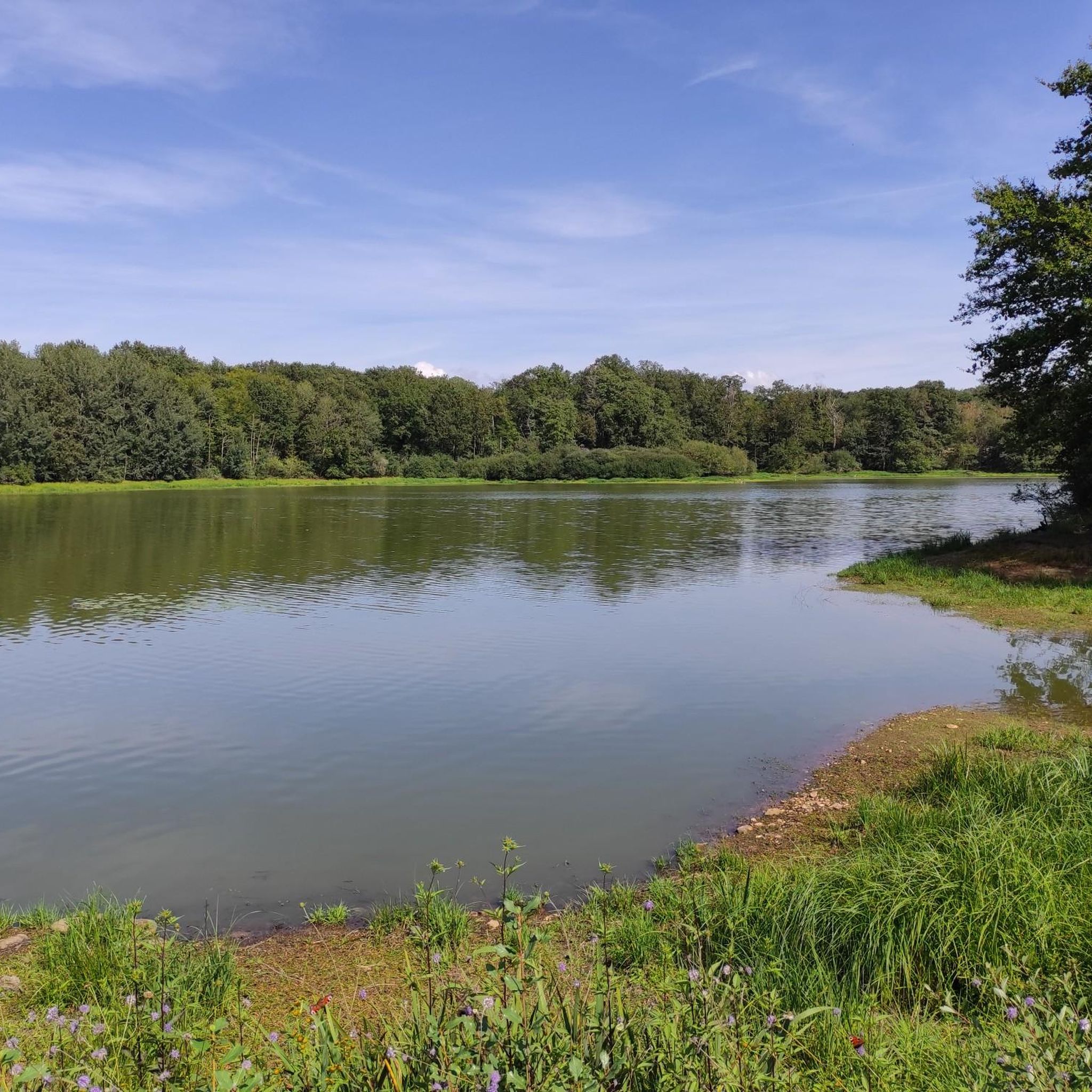
- Visitors also love Lac du Bourdon Beach, a sandy beach with views over the lake. It offers opportunities for various water sports and includes gastronomic options during the main season.
- Saint-Sauveur-En-Puisaye is known for its historical castles, cultural sites, and natural landscapes. The area offers a variety of attractions, from medieval fortresses to scenic lakes and artistic hubs.
- The attractions around Saint-Sauveur-En-Puisaye are appreciated by the komoot community, with 3 highlights and more than 250 photos shared.
Last updated: July 16, 2026
Guédelon Castle
Highlight • Castle
You must leave the site by 6 p.m. at the latest.
Attention: the water mill, which is particularly popular with children, is only open between 1 p.m. and 5 p.m.
Why build a castle from the early 13th century in the 21st century?
Many questions about castle construction, the use of materials and the use of construction workers are still unanswered. By using the old tools and experimenting with the materials available on site, they hope to rediscover lost knowledge.
Guédelon is perhaps the most important construction site for experimental archaeology, but certainly the best known.
Translated by Google •
Tip by

Château de Ratilly
Highlight • Castle
Artisanal pottery workshop, collection of ancient Puisaye sandstone, contemporary art exhibitions, concerts, courses.
chateauderatilly.fr
+33(0)386747954
Translated by Google •
Tip by
Sign up now to discover places like this
Get recommendations on the best single tracks, peaks, & plenty of other exciting outdoor places.
Sign up for free
Château de Saint-Fargeau
Highlight • Castle
At the beginning of the 13th century, Jean de Toucy, a close confidant of Louis the Saint, built a pentagonal castle made of iron sandstone.
His daughter married Thibaut de Bar in 1255. The House of Bar ruled the Puisaye countryside until the end of the Hundred Years' War, which drove them into bankruptcy.
In 1450, the castle and lands became the property of the richest man in France at the time, Jacques Coeur. He was financier to King Charles VII of France. Shortly thereafter, Coeur was arrested and dispossessed by the Crown.
In 1453, Antoine de Chabannes, a former soldier and close confidant of Joan of Arc, bought the entire property. As an enthusiastic military expert, he converted the first castle into a strong fortress. He covered the walls with a thick covering of bricks and built 6 massive and contemporary fortified towers at all corners.
Translated by Google •
Tip by
Saint-Pierre Church of Toucy
Highlight • Religious Site
Please note the sculptures on the south wall.
The interior is higher and more impressive than you might expect. A beautiful, balanced architecture and magnificent stained glass windows from the late 19th century.
Unfortunately the church is usually closed. However, mass is at 10:30 every Sunday.
Translated by Google •
Tip by
Lac du Bourdon Beach
Highlight • Beach
Translated by Google •
Tip by
Sign up for free to discover even more attractions around Saint-Sauveur-En-Puisaye.
Sign up for free
Already have an account?
Start today with a free account
Your next adventure awaits.
Login or Signup

Tips from the Community

Tours and events: https://www.chateau-de-st-fargeau.com
1
0

Simply a great idea that is being put into practice here. Come by before the construction work is finished. In addition to the normal day-to-day construction work, there are also always interesting special offers. The bread baked here is pretty tasty and is sold.
6
0

Price 2024 €16 adult €15 students - a must do, unforgettable experience.
1
1
An unmissable experience is visiting this castle, the construction of which began in 1999 using medieval techniques. You visit a construction site (now well advanced), chat with the workers from the different trades who explain everything to you, visit the vegetable garden, the basket maker, the baker, the potter, the herbalist, etc… I highly recommend visiting this castle !
2
0

A true medieval fortress built on 11th century foundations, completed in the 13th century, then partly transformed during the Renaissance. The four corner towers, the two entrance towers defending the drawbridge, the moat and the dovecote surround the charming square interior courtyard. Since 1951, the pottery workshop, exhibitions, shows and courses have made Ratilly a leading art center. Hours: From 03/30/24 to 06/30/24 from 10:00 a.m. to 12:00 p.m. - from 2:00 p.m. to 5:30 p.m. Closed on: Friday From 07/01/23 to 08/31/24 from 10:00 a.m. to 6:00 p.m. From 01/09/24 to 10/11/24 from 10:00 a.m. to 12:00 p.m. - from 2:00 p.m. to 5:30 p.m.
3
0

The town of Toucy has very ancient origins. The region was in fact associated with the exploitation of iron during the Celtic period and until around the 3rd century. Toucy then belonged to the family of Germain, bishop of Auxerre (418-448), who donated it to his church. At the beginning of the 12th century, fortifications and a chapel were built, the latter being the only one preserved entirely in elevation and included in the current church. This is a Romanesque room. It is also on the remains of the ramparts from the beginning of the 12th century that the church leans. The enclosure was completely retaken around 1170. Its remains are still visible in the city. The location of Toucy made it a long-time source of discord between the Duchy of Burgundy and the Kingdom of France, particularly during the Hundred Years' War. In 1423, the city was taken and destroyed by Burgundian troops, during the time of Philip the Good. The old church, which dated from the 13th century, was ravaged on this occasion, but it was rebuilt shortly after and appropriate means were put in place to defend it. This reconstruction took place between 1445 and 1522. At the apse, we can see two fortified towers (mid-15th century): the "Bishops' Tower", equipped with gunboats and also the most impressive, as well as the "Saint-Michel Tower" are connected by a walkway which only received battlements at the end of the 19th century during a rather drastic restoration of the monument. The nave dates from the 16th century. Not far from the church, below, on the Market Square, you can see a beautiful brick and half-timbered house (16th century). https://bourgognemedievale.com/departement-et-pays/yonne/pays-puisaye-forterre/toucy/
2
0
The project is a sensation and has now also gained respect from experts due to its scientific approach. Almost all of the materials used come from the land on which the castle is being built. Tools and techniques from the 13th century are used in the construction. The corresponding workshops are located around the castle. For example, the smithy, the dyeing works, the quarry with stonemason's hut, etc. Horses for the carriages are kept in reconstructed stables. Fences, stairs and bridges were built largely without modern materials. At the various workshops there are display boards with the tools used there. Most of the time people are working there and you can ask questions. Demonstrations are held from time to time. For example, you can watch how a rope is made or how a wooden shingle is made. Outside of school holidays, the site is visited by many school classes. But don't worry, the site is large and the crowds are well distributed. In addition, school groups are taught about the techniques used at the time in the many shelters scattered around. This means you can always find a place where you can look around almost alone. Depending on the season, one to three restaurants are open on the site. There is also plenty of space to eat there, or to eat the snacks you brought with you. There is also a large, sheltered picnic area by the car park. You can leave the site at any time if you get a stamp at the exit. In the afternoon, you reach the water mill, which was also built according to the model of the time, via a forest path about 500 metres long. The castle should be finished in 2023. Construction was still underway in June 2023, but there is already a lot to see. The chapel with murals and stained glass windows, the kitchen with bakery, the large hall, the gentlemen's room in the keep, etc. A visit is highly recommended. The €15 per person (as of 2023) is definitely worth it. Also because you can easily spend a whole day here.
5
0
Behind the road is the large Camping Municipal. There is a hotel with a bistro on the beach in front of the street. The other stands for crepes, fries, etc. were still closed in June. Even further west is a large picnic area in the forest. The beach is also monitored during the summer holiday season. You can rent treet boats. The water is not too cold. A beautiful, quiet, large lake for swimming.
1
0
Frequently Asked Questions
What historical and cultural sites can I visit in Saint-Sauveur-En-Puisaye?
Saint-Sauveur-En-Puisaye is rich in history and culture, particularly linked to the writer Colette. You can explore the Maison Natale de Colette, her faithfully restored birthplace, and the Musée Colette, located within the Château de Saint-Sauveur. Don't miss the impressive Guédelon Castle, a unique medieval construction site nearby, or the Château de Ratilly, a 13th-century castle now serving as a cultural center.
Are there family-friendly attractions in the area?
Yes, several attractions are suitable for families. Guédelon Castle is a fantastic experience where children can see a medieval castle being built using traditional techniques. Lac du Bourdon Beach offers a sandy beach and water sports, perfect for a day out. The Château de Saint-Fargeau also hosts events and a farm that families often enjoy.
What natural features and outdoor activities are available?
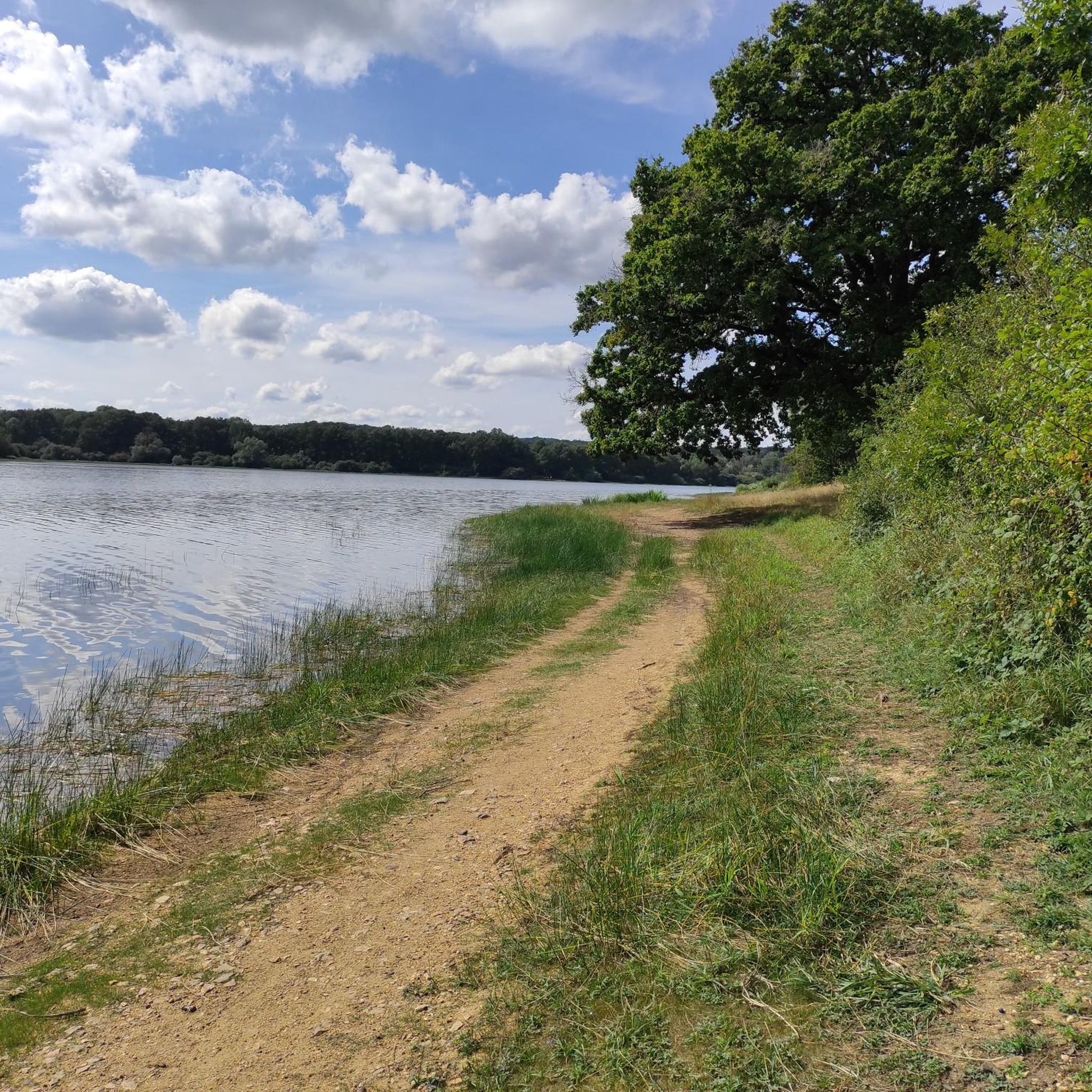
The Puisaye region offers a preserved natural environment of forests, ponds, and winding roads. You can enjoy hiking and cycling through these scenic surroundings. The Lac du Bourdon Beach is a significant natural attraction, providing opportunities for swimming and various water sports like canoeing, kayaking, and pedal boating. For panoramic views, visit the "Beaux Sites" Viewpoint overlooking the village.
Where can I go hiking near Saint-Sauveur-En-Puisaye?
The area offers several hiking opportunities. You can find trails around the Lac du Bourdon, such as the 'Petit Tour du Lac du Bourdon' or the 'Moutiers Pond and Tour Sarrazine Loop'. For more options, explore the Hiking around Saint-Sauveur-En-Puisaye guide.
Are there any cycling routes in the region?
Yes, the Puisaye region is great for cycling. You can find road cycling routes like the 'Colette House – Historic Center of Toucy loop' or routes around the Lac du Bourdon. For detailed routes, check out the Road Cycling Routes around Saint-Sauveur-En-Puisaye guide.
What is the Tour Sarrasine?
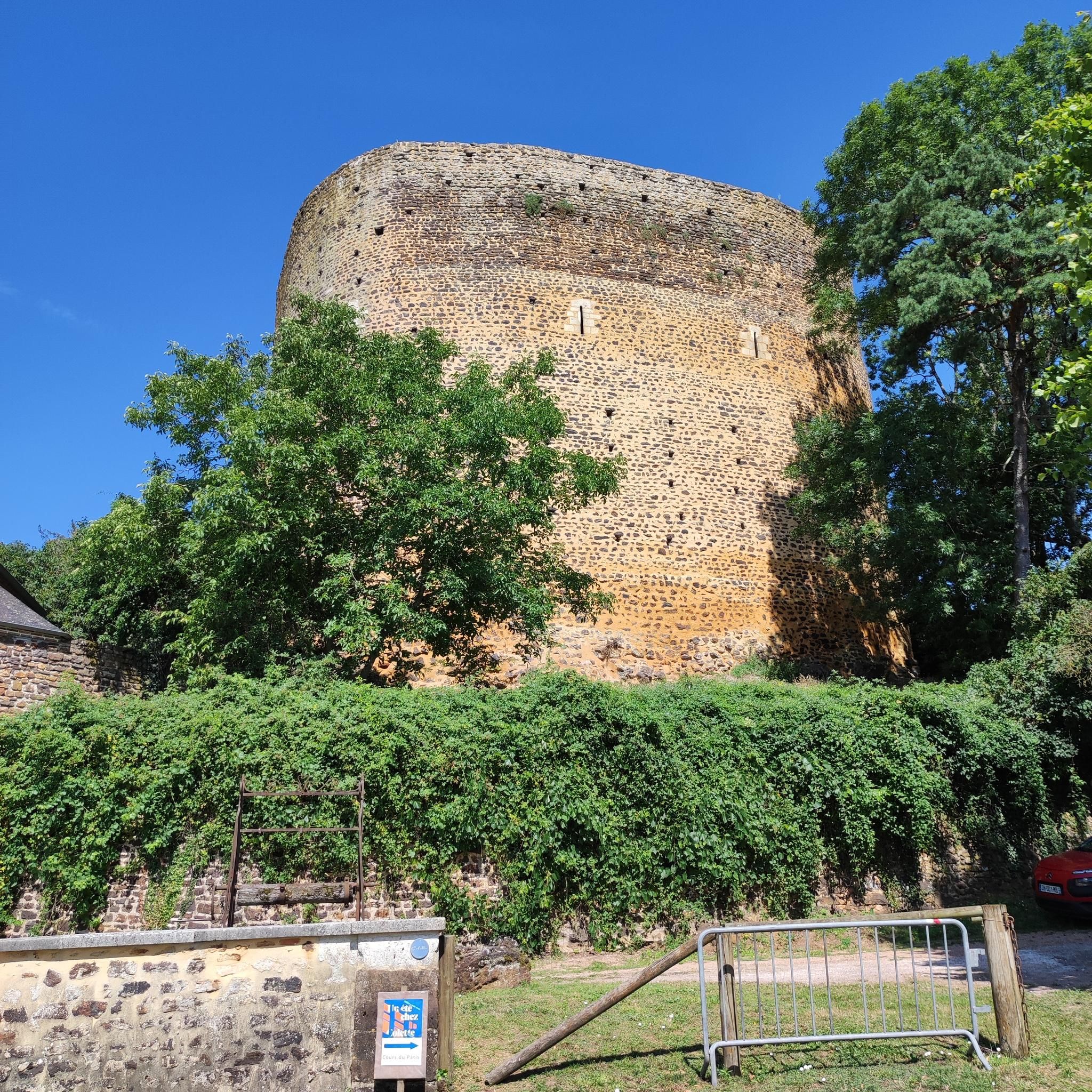
The Tour Sarrasine (Saracen Tower) is an impressive remnant of the ancient medieval fortress that dominates Saint-Sauveur-En-Puisaye. Its exact construction date is debated, but it dates back to the late 11th or early 12th century, featuring an unusual elliptical shape and ground-level entrance for its time.
What is La Poèterie?
La Poèterie is a unique cultural hub in Saint-Sauveur-En-Puisaye. It's a former industrial site transformed into an artists' village, featuring studios, a cafe-culture space, and hosting concerts, exhibitions, and shows, fostering a vibrant artistic community.
Can I visit Colette's birthplace and museum?
Absolutely. The Maison Natale de Colette is her birthplace, faithfully restored to reflect her early life. The Musée Colette, located in the Château de Saint-Sauveur, further explores her life and works with exhibits, personal objects, and reconstitutions of her apartments. Guided tours are recommended, and booking in advance is advised for the Maison Natale.
Are there running trails in the area?
Yes, there are several running trails, particularly around the Lac du Bourdon. Popular options include the 'Lac du Bourdon — loop — running from Saint-Fargeau' and the 'Moutiers Pond and Sarrazine Tower Loop'. You can find more details in the Running Trails around Saint-Sauveur-En-Puisaye guide.
What do visitors enjoy most about the attractions around Saint-Sauveur-En-Puisaye?
Visitors particularly enjoy the unique experience of Guédelon Castle, where they can witness medieval construction firsthand. The cultural depth offered by Colette's birthplace and museum is also highly appreciated. Many also love the tranquil beauty and recreational opportunities at Lac du Bourdon Beach and the historical charm of sites like Château de Ratilly.
Is the Musée Colette accessible for people with reduced mobility or pets?
The Musée Colette, located within the Château de Saint-Sauveur, is accessible to people with reduced mobility. Additionally, dogs on leashes are welcome at the museum.
Most popular routes around Saint-Sauveur-En-Puisaye
Most popular attractions around Saint-Sauveur-En-Puisaye

Get inspired with the komoot mobile app


Explore more
Still not found the Highlight you’re looking for? See guides of the top attractions in other regions:
