The best cycling routes around Monthou-Sur-Cher
4.5
(502)
2,515
riders
70
rides
Touring cycling routes around Monthou-Sur-Cher are characterized by the gentle landscapes of the Cher River valley, featuring a mix of flat riverside paths, rolling hills, and extensive vineyards. The region's terrain is shaped by the Cher River and its tributaries, offering a harmonious blend of tranquil ponds, winding streams, and fertile valleys. Cyclists can explore routes through forests, such as the national forest of Montrichard, and along hillsides dotted with historical châteaux. The area provides diverse natural features suitable for various touring cycling experiences.
Best touring cycling routes around Monthou-Sur-Cher
- The most popular touring cycling route is Pont de Montrichard – Troglodyte houses in Bourré loop from Thésée, a 27.2 miles (43.8 km) trail that takes 2 hours 57 minutes to complete. This route explores the Cher River and passes by unique troglodyte dwellings.
- Another top favourite among local touring cyclists is Port of Chaumont-sur-Loire – Château de Chenonceau loop from Thésée, a moderate 49.6 miles (79.9 km) path. This route connects two prominent Loire Valley châteaux, offering scenic views along the Cher River.
- Local touring cyclists also love the Gué-Péan Castle – Along the Cher loop from Monthou-sur-Cher, a 28.0 miles (45.1 km) trail leading through the Cher River valley and past local vineyards, often completed in about 3 hours 44 minutes.
- Touring cycling around Monthou-Sur-Cher is defined by the Cher River, historic châteaux, and expansive vineyards. The network offers options for easy, moderate, and some more challenging routes, catering to different ability levels.
- The routes in Monthou-Sur-Cher are highly rated by the komoot community with an average score of 4.5 stars from nearly 400 reviews. More than 2000 touring cyclists have used komoot to explore Monthou-Sur-Cher's varied terrain.
Last updated: July 6, 2026
4.7
(27)
128
riders
Moderate bike ride. Good fitness required. Mostly paved surfaces. Suitable for all skill levels.
4.3
(19)
79
riders
41.3km
02:26
90m
90m
Moderate bike ride. Good fitness required. Mostly paved surfaces. Suitable for all skill levels.

Sign up for free
5.0
(1)
8
riders
71.8km
04:14
370m
370m
Moderate bike ride. Good fitness required. Mostly paved surfaces. Suitable for all skill levels.
5.0
(1)
14
riders
45.0km
03:42
320m
320m
Moderate bike ride. Good fitness required. Mostly paved surfaces. Suitable for all skill levels.
5.0
(1)
7
riders
20.6km
01:16
80m
80m
Easy bike ride. Great for any fitness level. Mostly paved surfaces. Suitable for all skill levels.
Get access to more routes and recommendations from other explorers.
Sign up for free
Already have an account?
Our route recommendations are based on thousands of hikes, rides, and runs completed by other people on komoot.
Start today with a free account
Your next adventure awaits.
Login or Signup
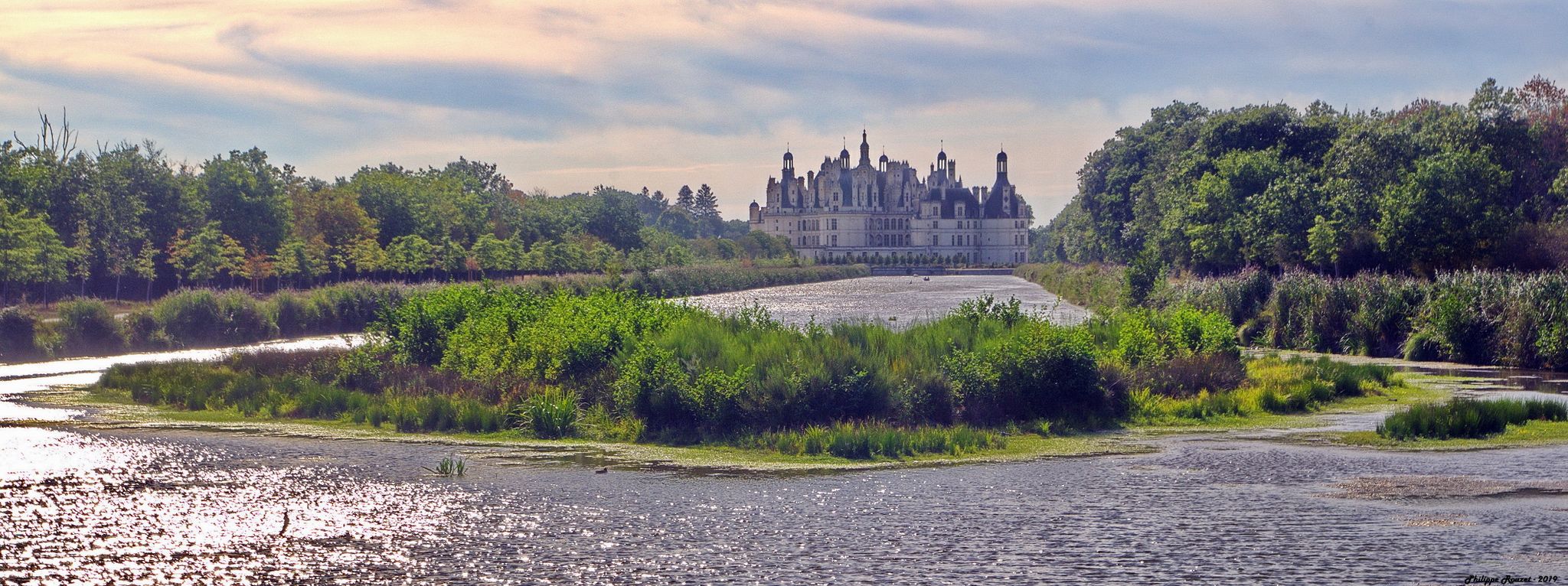
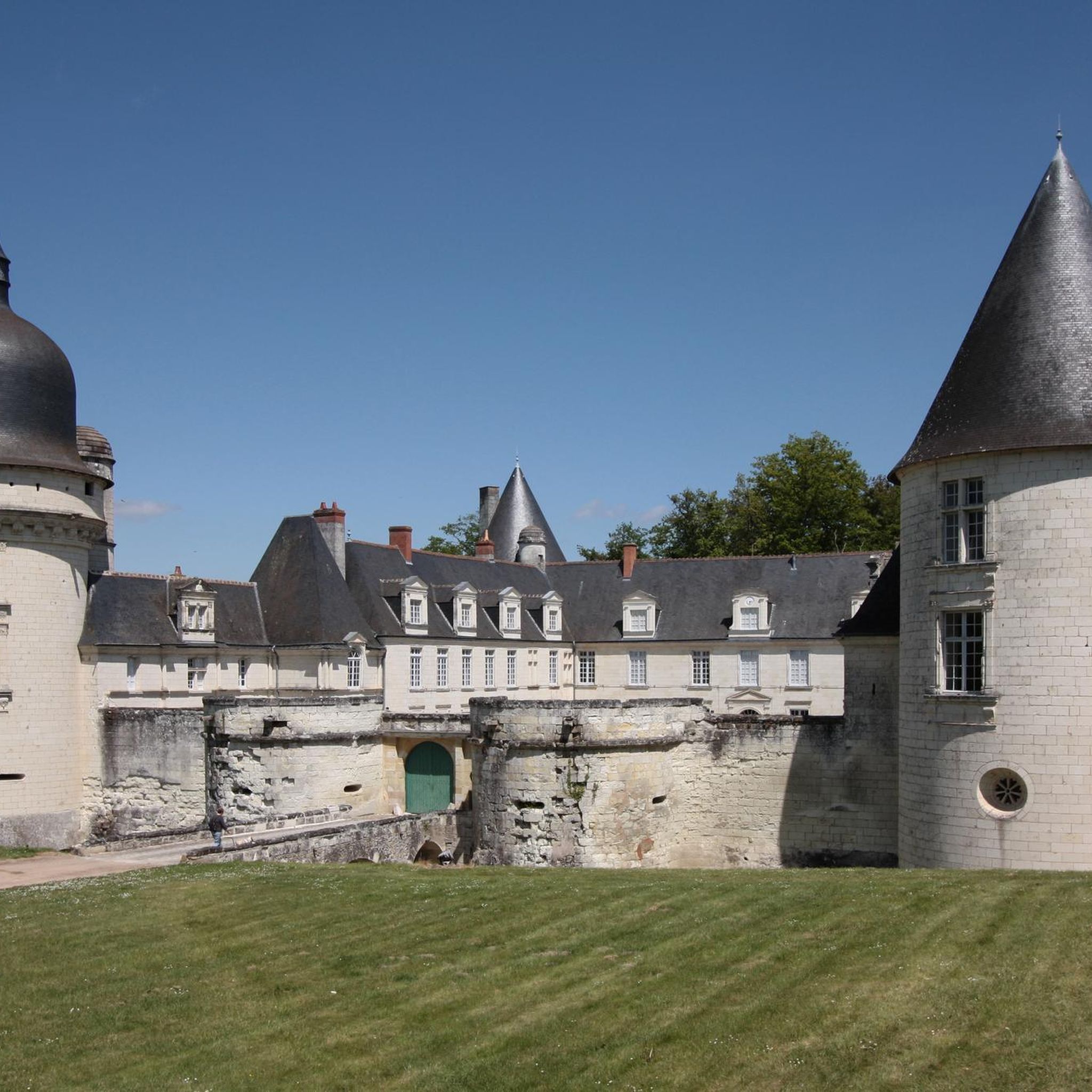


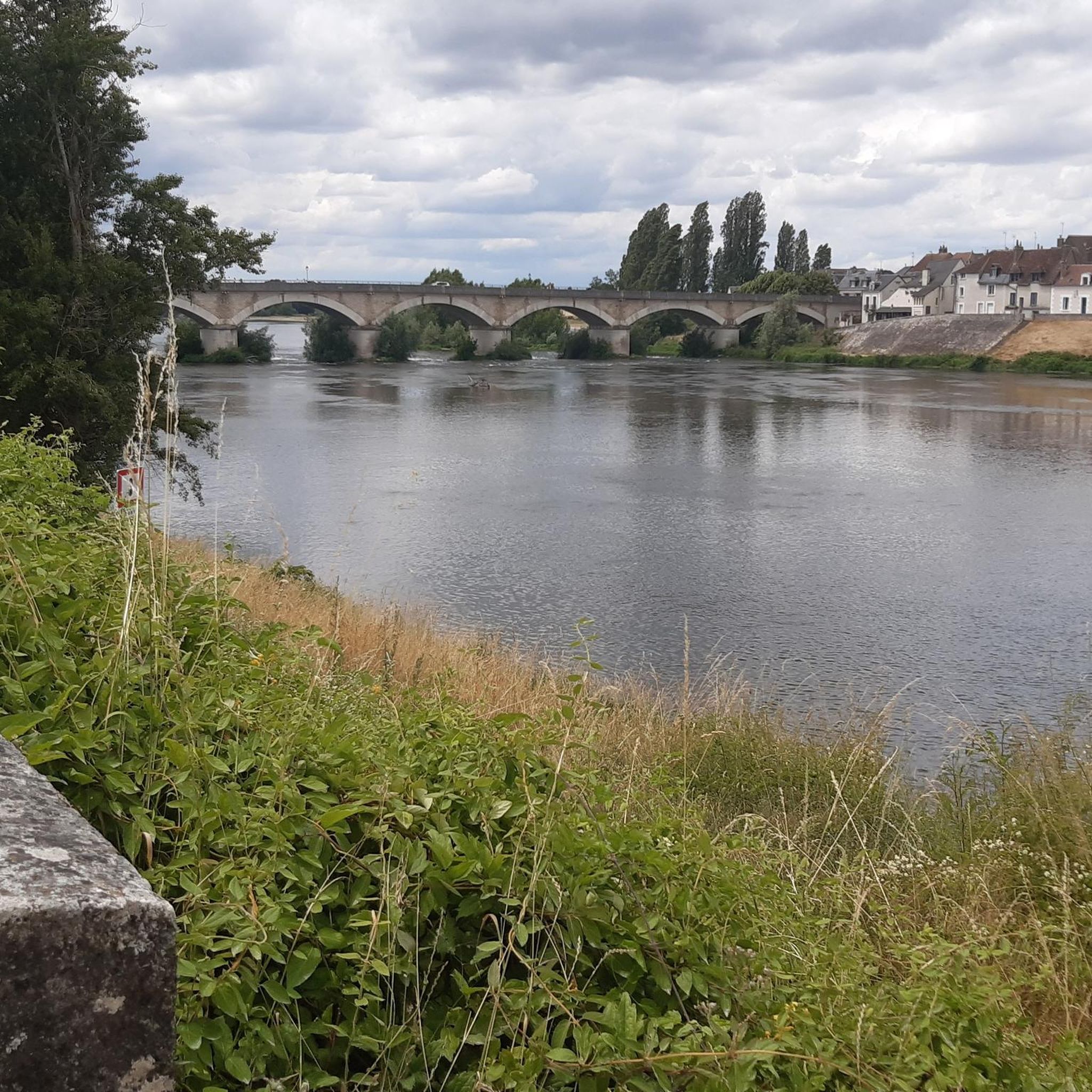

Other adventures around Monthou-Sur-Cher

Tips from the Community

Beautiful little castle where Leonardo da Vinci lived. Some of his artworks and inventions can be admired. Worthwhile.
0
0

Did you know: During the First World War, the castle was converted into a hospital for wounded soldiers by its owner, Simonne Menier (of the Menier chocolate family). – Long rows of camp beds lined the large gallery above the Cher River. – More than 2,000 wounded were reportedly cared for within the castle walls. A bizarre contrast: the ornate Renaissance halls as a place for bandages, operations, and recovery.
3
0

From here you can admire the castle in peace and quiet.
0
0

The little port is very pleasant. I recommend a visit to the castle for its magnificent garden.
0
0


Small castle away from the crowds in a small sleepy town.
1
0

Great photo spot for the castle
0
0

Even though boats nowadays have outboard motors, they are beautiful to look at.
0
0
Frequently Asked Questions
How many touring cycling routes are available around Monthou-sur-Cher?
There are over 60 touring cycling routes in the Monthou-sur-Cher area. These routes cater to various skill levels, with a good mix of easy, moderate, and some more challenging options.
Are there easy touring cycling routes suitable for beginners or families?
Yes, Monthou-sur-Cher offers several easy touring cycling routes perfect for beginners or families. For instance, the Troglodyte houses in Bourré loop from Monthou-sur-Cher is an easy 9.2-mile (14.8 km) path that allows for a relaxed ride through the local landscape, including unique troglodyte dwellings.
What kind of landscapes can I expect to see while cycling in Monthou-sur-Cher?
The touring cycling routes in Monthou-sur-Cher showcase the gentle landscapes of the Cher River valley. You'll encounter a harmonious blend of flat riverside paths, rolling hills, tranquil ponds, winding streams, and fertile valleys. Routes also extend through extensive vineyards and forests, such as the national forest of Montrichard, offering diverse natural beauty.
Are there any circular touring cycling routes in the area?
Many touring cycling routes around Monthou-sur-Cher are designed as loops, allowing you to start and end in the same location. An example is the Gué-Péan Castle – Along the Cher loop from Monthou-sur-Cher, a moderate 28.0-mile (45.1 km) trail that takes you through the Cher River valley and past local vineyards.
What historical sites or châteaux can I visit along the cycling routes?
The region is rich in historical attractions. You can cycle past or visit several châteaux, including the local Gué-Péan Castle. Other routes connect to iconic Loire Valley châteaux like Château de Chenonceau and Château de Chaumont. The Port of Chaumont-sur-Loire – Château de Chenonceau loop from Thésée is a great option for château enthusiasts.
Can I find routes that follow the Cher River?
Absolutely. The Cher River is a defining feature of the region, and many touring cycling routes run alongside it. These riverside paths offer serene environments, often accompanied by birdsong and views of the water. The "Cœur de France à Vélo" route (cycle route no. 46) is a prime example, offering dedicated paths along the Cher River.
What is the best time of year for touring cycling in Monthou-sur-Cher?
The spring and summer months are ideal for touring cycling in Monthou-sur-Cher. During these seasons, the weather is generally pleasant, and the landscapes are vibrant. The flat terrain along the Cher River is particularly enjoyable in the warmer months, and the vineyards are lush.
Are there any longer or more challenging touring cycling routes for experienced riders?
Yes, for experienced riders seeking a longer challenge, the Port of Chaumont-sur-Loire – Château de Chenonceau loop from Thésée is a moderate 49.6-mile (79.9 km) route with more elevation gain, connecting two prominent châteaux and offering scenic views along the Cher River.
What do other cyclists say about the touring routes in Monthou-sur-Cher?
The touring cycling routes in Monthou-sur-Cher are highly rated by the komoot community, with an average score of 4.5 stars from nearly 400 reviews. Cyclists often praise the beautiful combination of natural beauty, historical châteaux, and the peaceful riverside paths.
Are there opportunities to explore local culture or markets while cycling?
Yes, cycling in Monthou-sur-Cher provides excellent opportunities to immerse yourself in local culture. The village hosts a weekly market on Wednesdays, and nearby towns like Montrichard and Saint-Aignan also have market days. These are perfect for experiencing local life and sampling regional produce, often accessible directly from cycling routes.
Are there any specific natural features or forests to explore on a touring bike?
Beyond the Cher River, you can explore routes through forests like the national forest of Montrichard, known for its rich biodiversity including deer and wild boar. These forests feature wide, well-maintained alleys, some with ancient oaks. The region's extensive vineyards, particularly those producing Touraine and Chenonceaux wines, also form a significant natural and cultural landscape feature to discover by bike.
Are there any routes that feature unique dwellings like troglodyte houses?
Yes, you can certainly find routes that pass by the unique troglodyte houses. The Pont de Montrichard – Troglodyte houses in Bourré loop from Thésée is a 27.2-mile (43.8 km) trail that explores the Cher River and passes by these fascinating historical cave dwellings in Bourré.
Where can I find parking when starting a touring cycling route in Monthou-sur-Cher?
While specific parking areas aren't detailed for every route, Monthou-sur-Cher and surrounding towns like Montrichard and Saint-Aignan typically offer public parking facilities in their village centers or near popular attractions, which can serve as convenient starting points for your cycling tours.
Most popular routes around Monthou-Sur-Cher
Most popular attractions around Monthou-Sur-Cher

Get inspired with the komoot mobile app


Explore more
Browse the best Cycling routes in other regions.
