Attractions and Places To See around Seigy - Top 6
Best attractions and places to see around Seigy include a variety of historical, cultural, and natural sites in the Loir-et-Cher department of France. This tranquil commune serves as a base for exploring the Centre-Loire Valley region, known for its châteaux and natural landscapes. The area is influenced by the Cher river and features the extensive Choussy Forest, offering opportunities for outdoor activities. Historically, Seigy was an agricultural region with farms and vineyards, contributing to its rich heritage.
Best attractions and…
Last updated: May 4, 2026
Saint-Aignan Church
Highlight • Historical Site
val-de-loire-41.com/visite/collegiale-et-crypte-avec-fresques-pcu41aasor100182
Translated by Google •
Tip by

Beauval Zoo
Highlight • Structure
Tip by

Sign up now to discover places like this
Get recommendations on the best single tracks, peaks, & plenty of other exciting outdoor places.
Sign up for free
Château de Saint-Aignan-sur-Cher
Highlight • Castle
sudvaldeloire.fr/offres/chateau-de-saint-aignan-saint-aignan-fr-2608592
Translated by Google •
Tip by
Choussy Forest
Highlight (Segment) • Other
Translated by Google •
Tip by

A refreshing stop in paradise!
Highlight • Other
Translated by Google •
Tip by

Sign up for free to discover even more attractions around Seigy.
Sign up for free
Already have an account?
Start today with a free account
Your next adventure awaits.
Login or Signup


Tips from the Community

This place exists and is wonderful, but it is many kilometers further west than indicated here, just off the A85, in the hamlet of Pichonnerie.
0
0

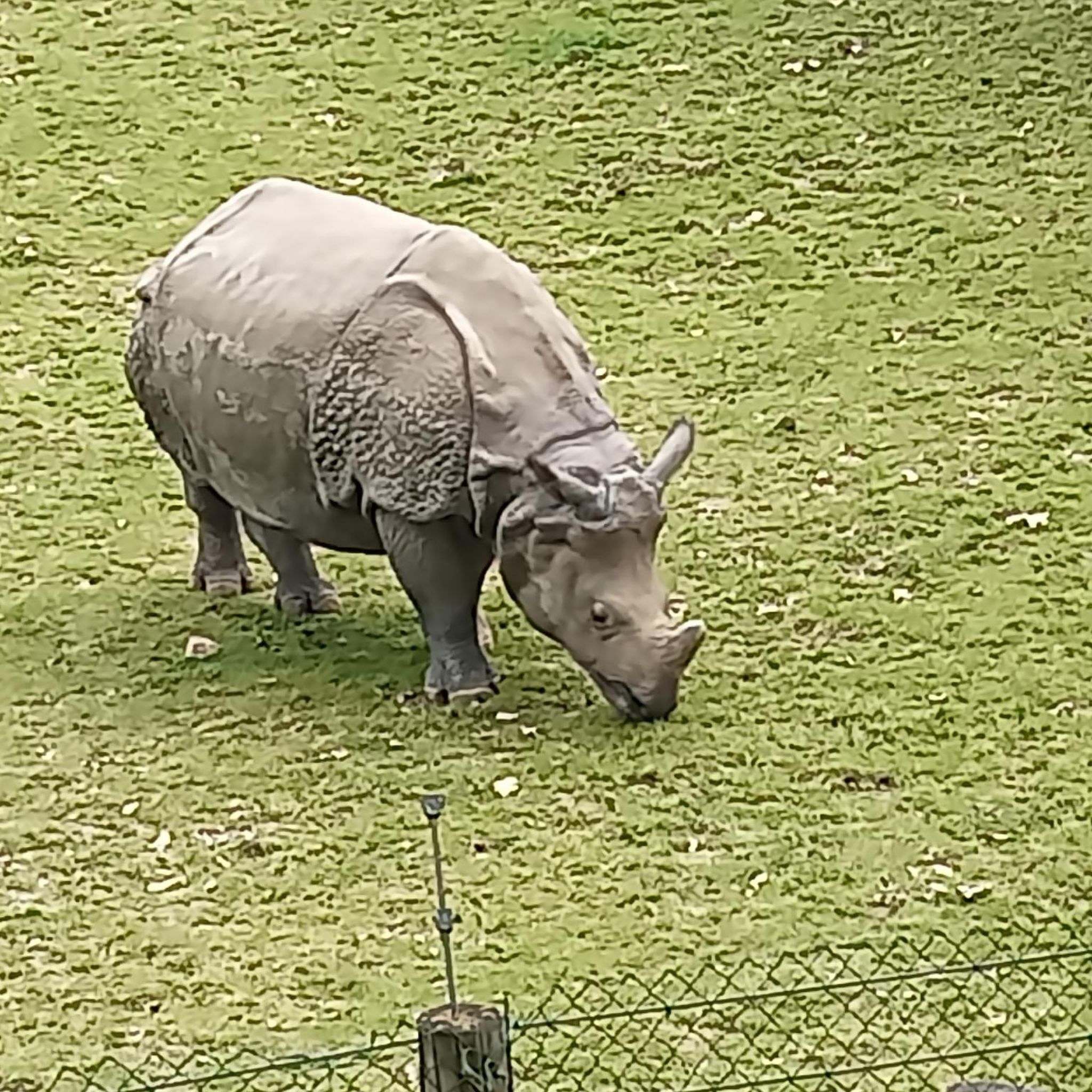
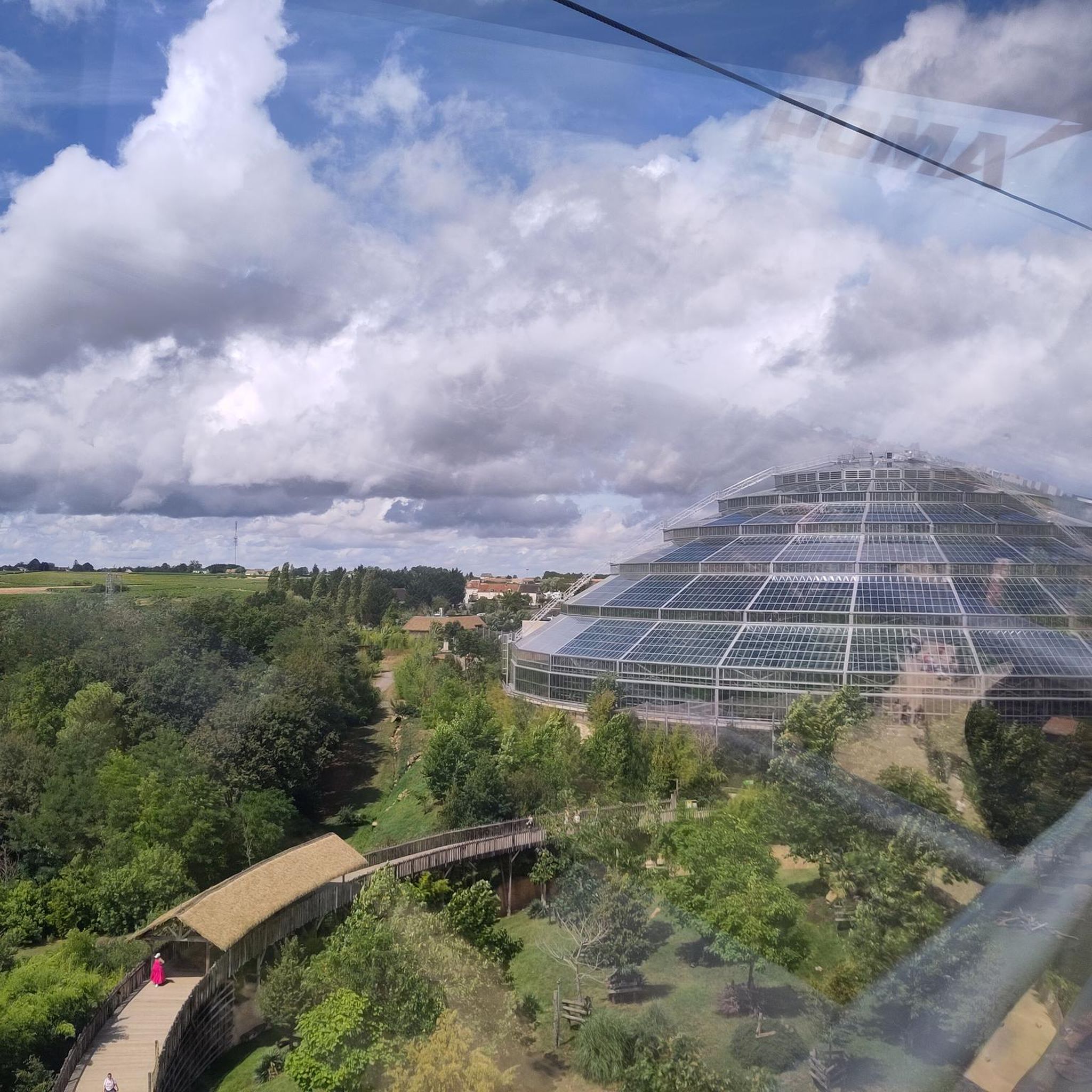
Very great zoo. Many animals. Very beautiful interior and exterior.
1
0
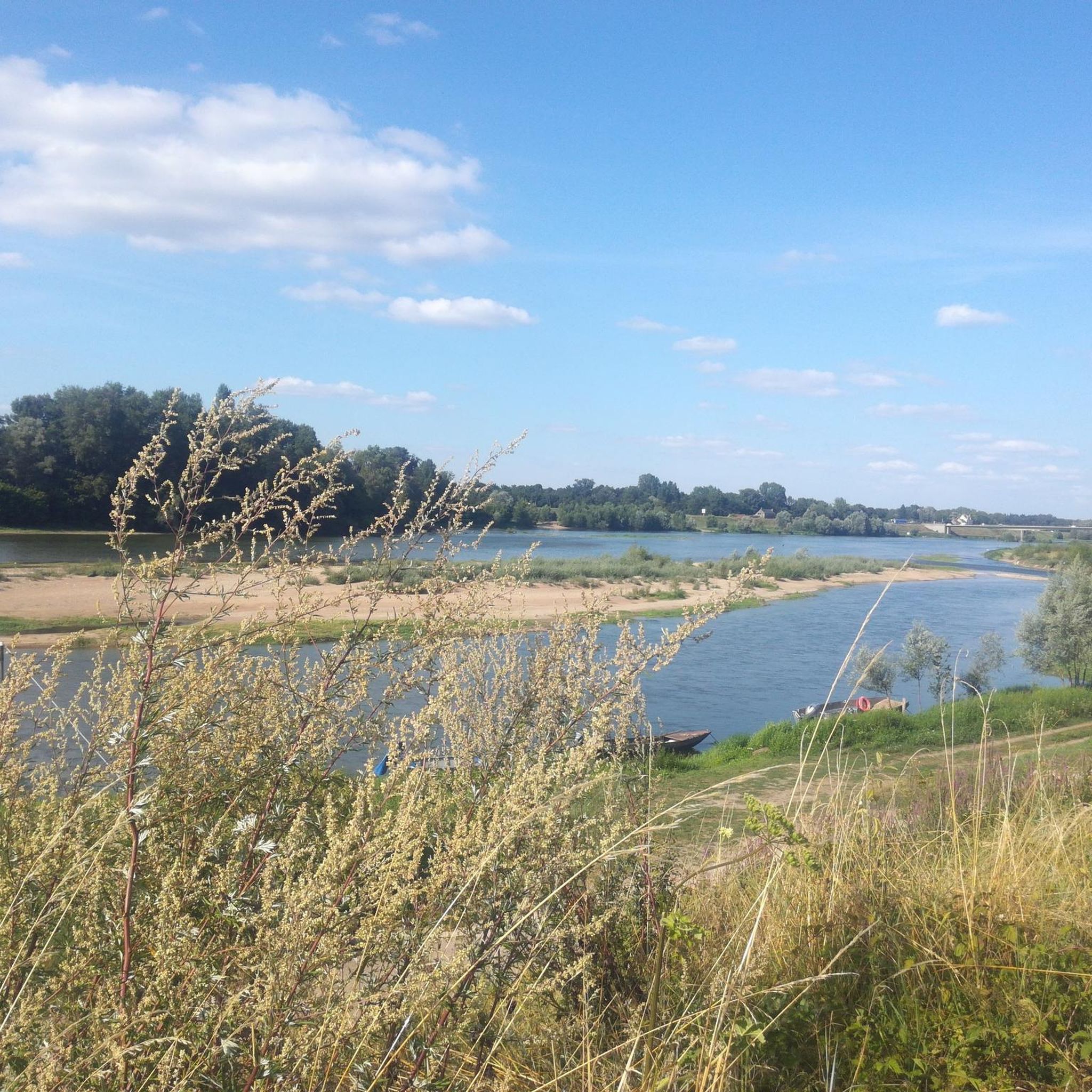
On the cycle path to Thésee, a little paradise nestled in a wooded garden... you'll be welcomed by charming owners who offer shaded bike parking, lounges under the trees, and original drinks, as well as a selection of local specialties at more than affordable prices... A true delight, highly recommended to our cycling and touring friends!
1
0

The Collegiate Church of Saint-Aignan is a French church located in the center of the city of Orléans, on the north bank of the Loire River, in the Loiret department in the Centre-Val de Loire region. It is dedicated to Saint Aignan, Bishop of Orléans. This beautiful church was originally built for the cult of Saint Aignan, whose relics were kept in the crypt. The current basilica, begun by Charles VII in 1438 but completed in 1509 by Louis XII, is not the first construction, as traces of buildings dating from the 6th, 9th, 11th, 14th, and 15th centuries have been found. They were all destroyed by fire, floods, or human hands. The people of Orléans, and in particular the canons, have always been keen to rebuild this building because Saint Aignan is an important figure in the history of Orléans, due to the role he played against the barbarians in the 5th century. While bishop of the city, he is said to have miraculously defended it against the Hun invasion in 451. https://www.tourismeloiret.com/fr/diffusio/visites/collegiale-saint-aignan-orleans_TFOPCUCEN045V501HHG
3
0
History: In the 10th century, Eudes I, Count of Blois, built a castle on the hills. Of the old building, only the so-called Agar Tower, or keep, remains, with some wall removals. The current castle, set at right angles, was rebuilt in the 16th century by the Beauvilliers. The north facade is divided by two brick and stone pavilions. The attic is decorated with pedimented dormers. To the south, in the main courtyard, the two buildings intersect at right angles. They are pierced by cruciform mullioned windows, separated by pilasters and bands on which figures are sheltered in small niches. Stone dormers with pinnacled and shell pediments adorn the roofs. A modern polygonal tower, outside the building, connects the two main buildings. It is highly decorated with pilasters and twin columns. The west pavilion is the most richly decorated. A frieze decorated with Italianate medallions supports an openwork balustrade. The ruins of the original castle are located opposite the current castle. The building was extensively restored in the 19th century.
3
0
Saint Aignan, who died in 453 after defending the people of Orleans against the Huns, was buried in a first tomb. As veneration of his relics grew, a basilica was built. A community of monks settled there, and canons replaced them in the 9th century. Following the damage caused by Norman attacks and the fire of 999, Charles the Bald began reconstruction, and Robert the Pious completed the Romanesque church with its crypt housing the relics of Saint Aignan. This church was consecrated on June 14, 1029. We will soon celebrate its millennium. https://collegiale-saintaignan-dorleans.fr/la-crypte/
4
0

The zoo passage is worth a two-day visit to go around it quietly. I think that on sunny days there must be a lot of people given the size of the car parks and the number of refreshment points.
1
0
Castle of Saint-Aignan-sur-Cher https://www.sudvaldeloire.fr/offres/chateau-de-saint-aignan-saint-aignan-fr-2608592/
3
0
Frequently Asked Questions
What historical sites can I explore near Seigy?
The region around Seigy is rich in history. You can visit the impressive Saint-Aignan Church, a Romanesque collegial church featuring sculpted capitals and frescoes from the 12th and 14th centuries, with a crypt housing the relics of Saint Aignan. Additionally, the Château de Saint-Aignan-sur-Cher, rebuilt in the 16th century, offers a glimpse into the area's noble past with its richly decorated facades and remnants of a 10th-century structure. Beyond these, the Loire Valley is famous for its numerous châteaux, including Château de Valencay, Château de Chenonceau, and Château de Cheverny, all within easy reach.
Are there any family-friendly attractions in the Seigy area?
Absolutely! The most popular family-friendly attraction is Beauval Zoo, a highly acclaimed wildlife park known for its extensive collection of animals. Many visitors find it worth a two-day visit to fully explore. The nearby châteaux also often have activities or expansive grounds that can be enjoyable for families.
What natural areas are there for outdoor activities near Seigy?
The Choussy Forest is a significant natural feature extending over 1,200 hectares, offering opportunities to enjoy the shade of trees, the sound of the river 'Le Bavet,' and observe diverse wildlife. It's an ideal place to reconnect with nature. The region is also influenced by the Cher river and features various valleys and streams, providing scenic landscapes for exploration.
What kind of cycling routes are available around Seigy?
The area around Seigy is excellent for cycling. You can find various routes for different types of biking. For gravel biking, consider routes like the 'Chenonceau Castle – The Banks of the Cher loop' or the 'Troglodyte houses in Bourré – Saint-Aignan Church loop.' If you prefer mountain biking, there are trails such as the 'Château de Saint-Aignan loop' from Saint-Aignan. You can find more details and specific routes in the Gravel biking around Seigy and MTB Trails around Seigy guides.
Are there good running trails near Seigy?
Yes, there are several running trails in the vicinity. Popular options include a 'Running loop from ZooParc de Beauval' and a 'Running loop from Seigy,' both offering moderate difficulty. These routes allow you to experience the local scenery while getting some exercise. For more options, check out the Running Trails around Seigy guide.
What are some lesser-known or 'hidden gem' attractions in the area?
While not widely publicized, the region offers charming spots like 'A refreshing stop in paradise!', a delightful stop on the cycle path to Thésée, offering shaded bike parking, lounges, and local specialties. Additionally, exploring local markets in nearby towns like Saint-Aignan (Saturday), Noyers-sur-Cher (Sunday), and Valencay (Tuesday) can provide an authentic taste of regional life and products.
What is the best time of year to visit Seigy and its attractions?
The region around Seigy, known for its tranquil setting and outdoor activities, is generally pleasant from spring through early autumn (April to October). During these months, the weather is typically mild, making it ideal for exploring châteaux, enjoying the Choussy Forest, and participating in cycling or hiking. Summer offers warmer temperatures perfect for outdoor adventures, while spring and autumn provide beautiful scenery with fewer crowds.
Can I find remarkable gardens to visit near Seigy?
Beyond the famous château gardens, you can discover other notable green spaces. For instance, Floreal at Couffy (3.5km from Seigy) and Parc Du Vaulx Saint Georges at Thésée (12.5km) offer beautiful settings for a leisurely stroll and appreciation of horticulture.
What kind of local culture and heritage can I experience in Seigy?
Seigy itself has a rich historical fabric, with the St. Martin Church being a local point of interest. Historically, the commune was known as Sigiacum and thrived on agriculture, farms, and vineyards. For a deeper dive into local heritage, consider visiting during the European Heritage Days (Journées du Patrimoine) when specific historical monuments might be open to the public. The nearby Saint-Aignan Church with its ancient frescoes also offers a significant cultural experience.
What do visitors particularly enjoy about the attractions around Seigy?
Visitors frequently praise the diversity of attractions, from the extensive animal collection at Beauval Zoo to the historical depth of sites like Saint-Aignan Church and Château de Saint-Aignan-sur-Cher. The natural beauty of the Choussy Forest is also highly appreciated for its tranquility and wildlife. The komoot community has highlighted the appeal of these sites with numerous photos and upvotes, indicating a strong positive experience across historical, natural, and family-oriented attractions.
Are there opportunities for wine tourism around Seigy?
Historically, the region of Seigy had vineyards, suggesting a potential for exploring local wine production. While specific wineries aren't detailed in the immediate vicinity, the broader Loire Valley is renowned for its wines. Exploring local markets in nearby towns might offer opportunities to sample and purchase regional wines and products, connecting with the area's agricultural heritage.

Get inspired with the komoot mobile app


Explore more
Still not found the Highlight you’re looking for? See guides of the top attractions in other regions:
