Attractions and Places To See around Lunel - Top 20
Best attractions and places to see around Lunel include a diverse range of historical landmarks, cultural sites, and natural features. Located in the South of France's Hérault Department, Lunel is strategically positioned between Montpellier and Nîmes. The town offers access to the Camargue marshes and the Mediterranean coast. This region provides varied points of interest for visitors.
Best attractions and places to see around Lunel
- The most popular attractions is Castries Aqueduct, a man_made_monument that winds through the bush landscape and offers beautiful walks in the hinterland. This aqueduct is an important hydraulic work initiated to bring water to the park of Castries castle.
- Another must-see spot is Carbonnière Tower, a historical_site that was formerly used as a watchtower and defense tower for the only road connecting the mainland with Aigues-Mortes. Visitors can enjoy a beautiful view of the Camargue marshes from its top.
- Visitors also love Carrières de Junas, an old stone quarry exploited since Antiquity. Its forms evoke human constructions, and it was used to build structures like the Pont de Sommières.
- Lunel is known for historical landmarks, natural features, and cultural sites. The area offers a diverse range of attractions, from ancient Roman sites to botanical gardens and traditional markets.
- The attractions around Lunel are appreciated by the komoot community, with more than 300 upvotes and 50 photos shared.
Last updated: July 6, 2026
Castries Aqueduct
Highlight • Monument
Translated by Google •
Tip by

Canal du Rhône à Sète cycle path
Highlight (Segment) • Cycleway
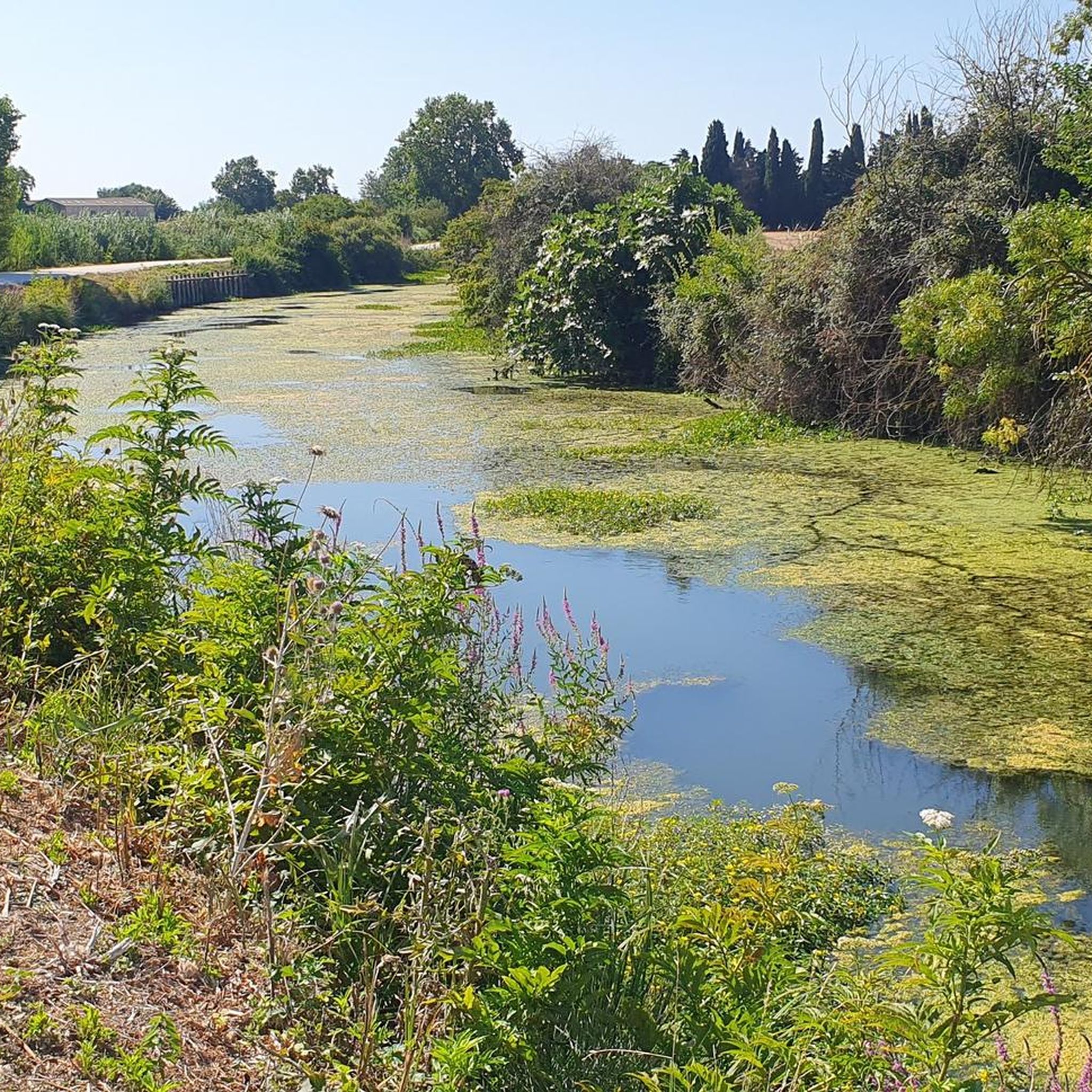
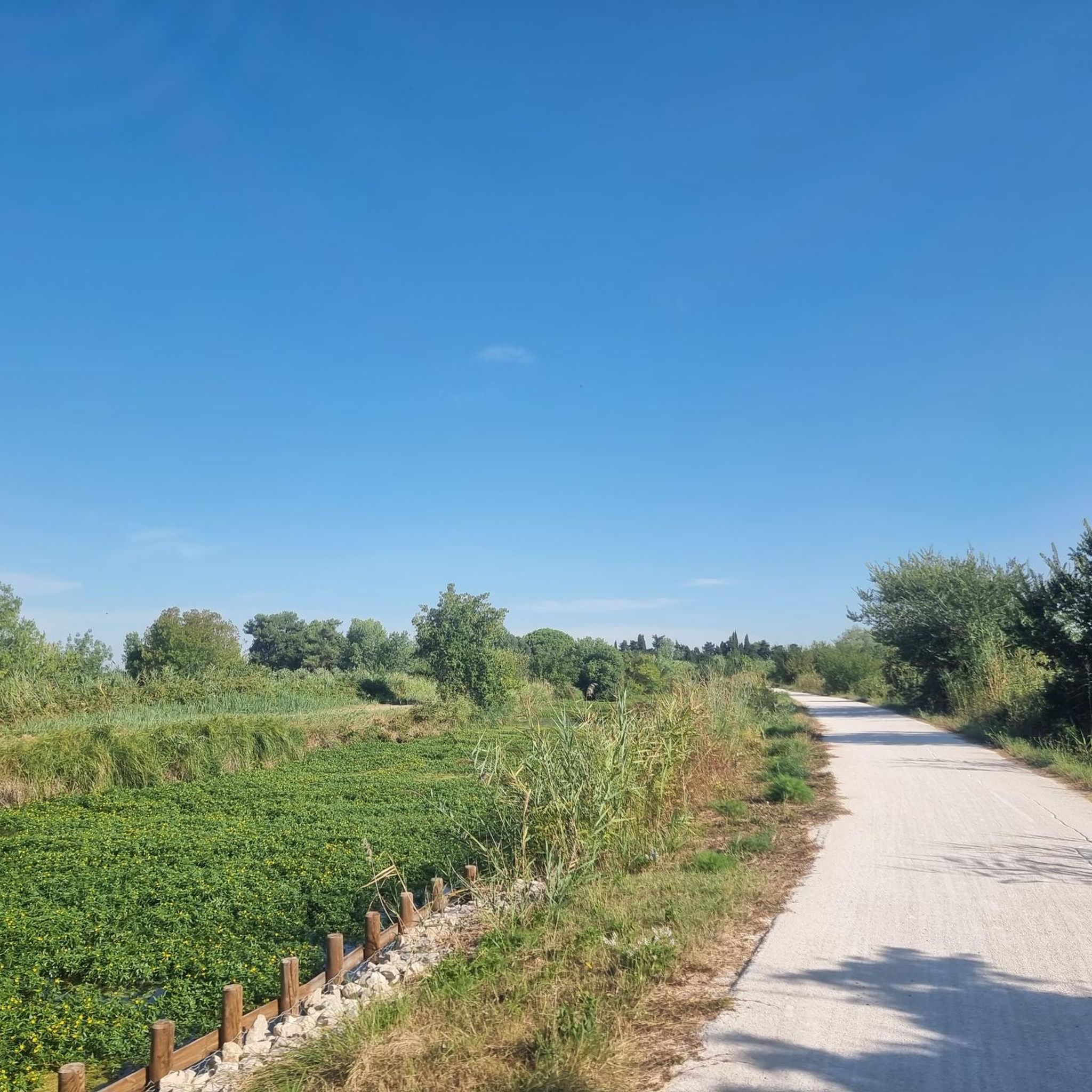
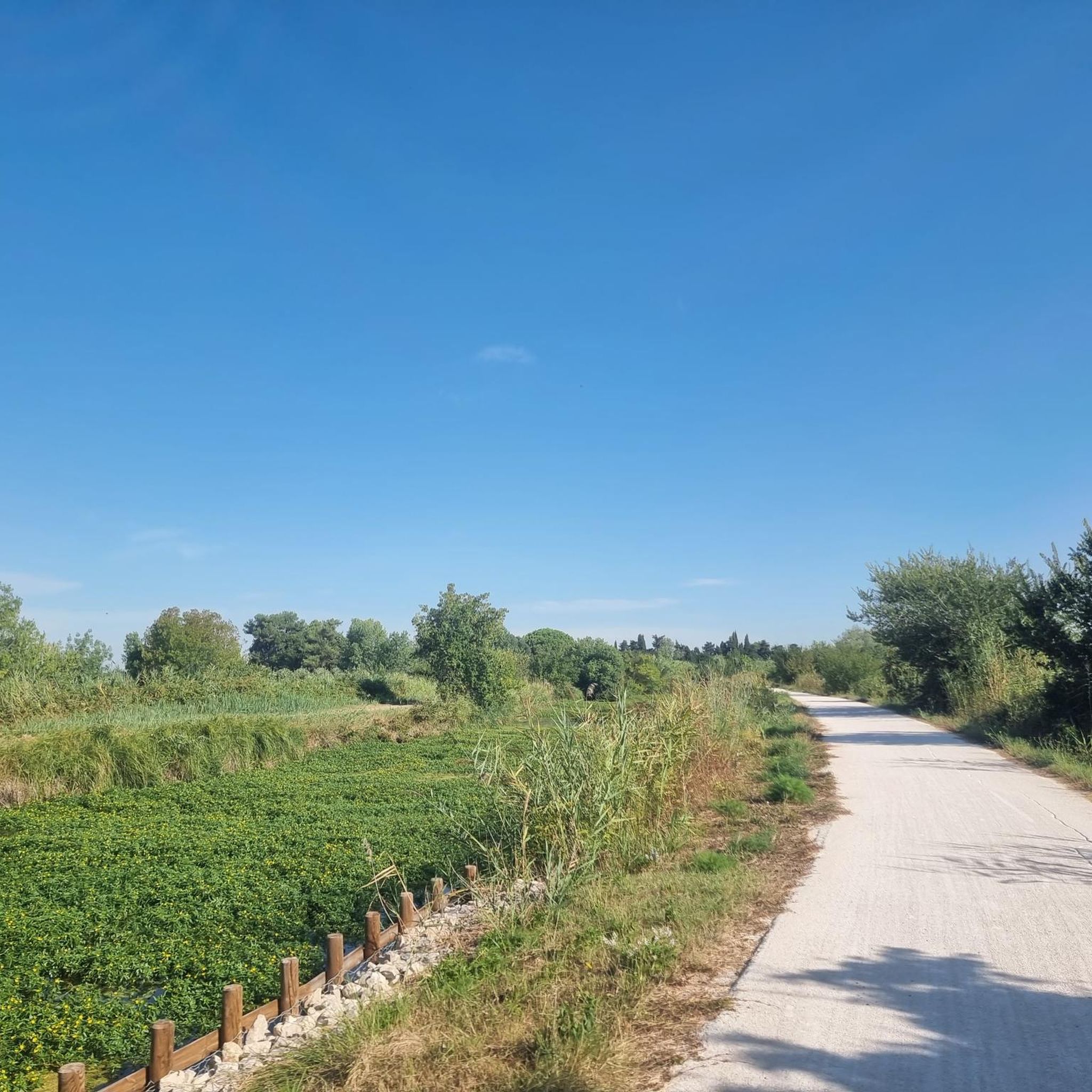
Here it is easy to drive and enjoy the beautiful scenery.
Suitable for touring bikes as well as racing bikes.
Translated by Google •
Tip by

Sign up now to discover places like this
Get recommendations on the best single tracks, peaks, & plenty of other exciting outdoor places.
Sign up for free
Castries Aqueduct
Highlight • Historical Site
Translated by Google •
Tip by
The Vidourle Gates
Highlight • Monument
Translated by Google •
Tip by

Rhône–Sète Canal
Highlight (Segment) • Cycleway
Touring bike suitable
Translated by Google •
Tip by
Sign up for free to discover even more attractions around Lunel.
Sign up for free
Already have an account?
Start today with a free account
Your next adventure awaits.
Login or Signup


Tips from the Community


Beautiful aqueduct built to supply the park and gardens with water.
0
0

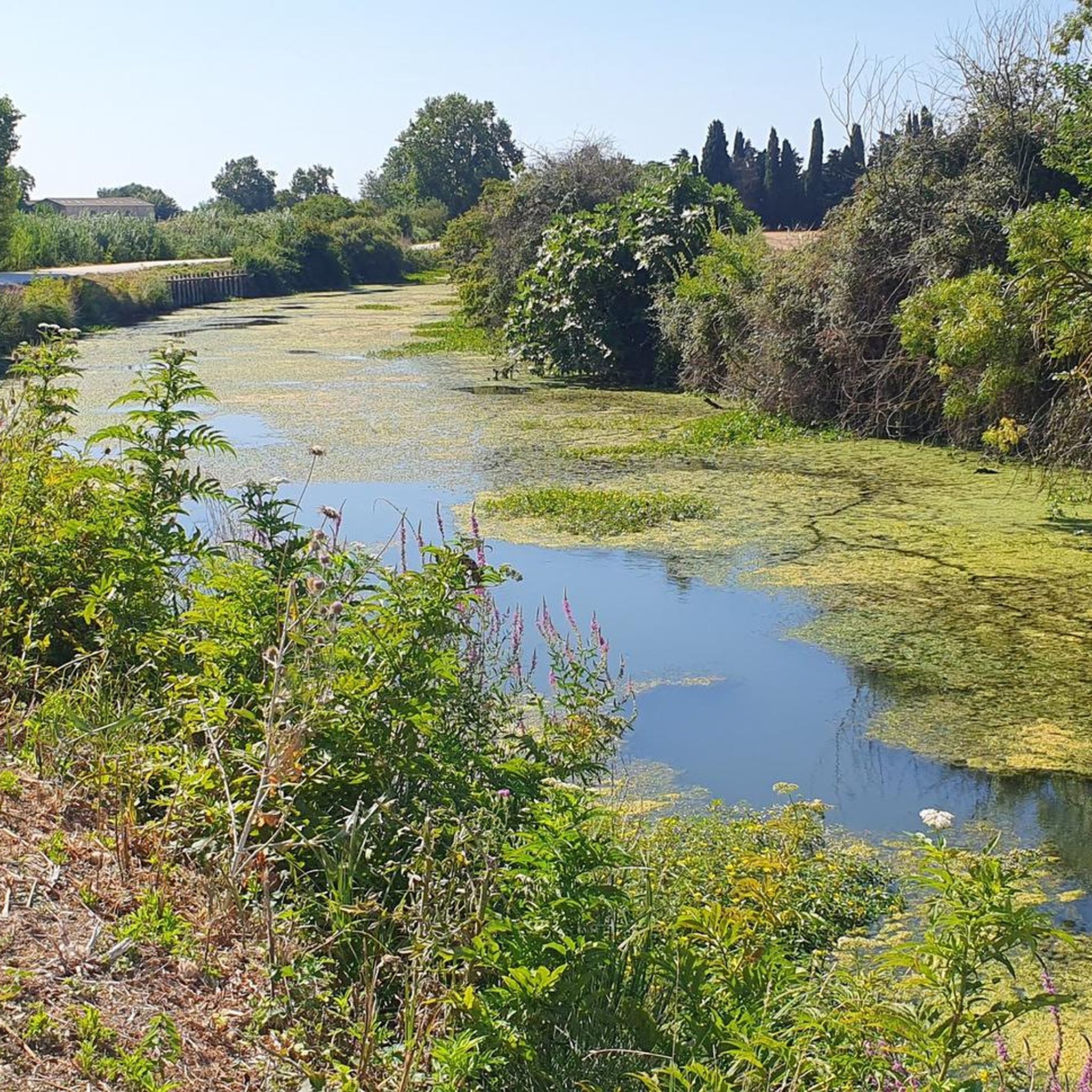
The Vidourle Gates are a flood protection structure near Aigues-Mortes, where the Canal du Rhône à Sète crosses the Vidourle River. During heavy rain, massive flood gates – so-called "vidourlades" – can close here to prevent flooding. The site is easily accessible and a popular destination for walks or bike rides. Circular trails from Aigues-Mortes lead along the canal through a diverse landscape with pine forests, streams, and birdwatching opportunities. The routes are easy to walk, well signposted, and approximately 6–8 kilometers long. Access is free, and parking is available, for example, at the Pont Rouge. Ideal for anyone who wants to experience nature, technology, and a piece of regional history.
1
0


The Castries Aqueduct winds through the bush landscape and offers beautiful walks in the hinterland.
9
0
The aqueduct is 6,822 meters long and has a gradient of only 3 meters. Pierre Paul Riquet had drawn up plans for a colossal aqueduct that could lead to the Chateau de Castries, the waters of the Fongrand spring northwest of the village of Castries, in 1676.
9
1

Portemonnaie du Vidourle - impressive double weir for flood control
0
0
Very pleasant.beauty of the landscapes and the Camargue. Crossing dead highs a little difficult but that's about it.
1
0
Frequently Asked Questions
What historical landmarks can I explore in and around Lunel?
Lunel and its surroundings are rich in history. You can visit the ancient Roman archaeological site of Ambrussum, which includes remnants of a Roman bridge and a museum. The medieval Musée de la Tour des Prisons offers a glimpse into the town's past, while the Notre-Dame du Lac Church showcases impressive Baroque architecture. Don't miss the Old Town Centre with its historic buildings like the Hôtel Philippe le Bel. Further afield, the Carbonnière Tower, a former watchtower, provides historical context and views of the Camargue marshes, and the Carrières de Junas, an ancient stone quarry, reveals centuries of human activity.
Are there any natural attractions or green spaces to enjoy near Lunel?
Yes, Lunel offers several natural escapes. The Lunel Arboretum features over 17,000 plants across 130 species, showcasing Mediterranean flora. South of Lunel, the Petite Camargue wetlands are perfect for bird-spotting and experiencing the unique Camargue landscape. You can also enjoy pleasant walks along the picturesque banks of the Canal de Lunel or relax in the Jean-Hugo Municipal Park. The Mediterranean coast, with beaches like Plage de l'Espiguette, is also within easy reach.
What cultural experiences can I find in Lunel?
Lunel boasts a vibrant cultural scene. The Musée Médard houses an exceptional collection of rare books and manuscripts, dedicated to the art of bookbinding. Explore Lunel's Markets & Market Halls, including a graceful market hall inspired by Parisian designs, offering daily food markets and a large outdoor market on Sundays. The town also has a rich Jewish history, with remnants of its medieval synagogue, and the Saint-Geniès Church with its stunning architecture.
Are there family-friendly attractions or activities around Lunel?
Absolutely! Many attractions around Lunel are suitable for families. The Lunel Arboretum offers an engaging outdoor experience for all ages. The Carrières de Junas, an old stone quarry, is a fascinating place for children to explore. The nearby beaches like Plage de l'Espiguette provide opportunities for swimming and water sports. Additionally, the Castries Aqueduct and Carbonnière Tower are listed as family-friendly highlights, offering scenic walks and historical interest.
Where can I go cycling or mountain biking near Lunel?
The area around Lunel is excellent for cycling. You can enjoy the well-developed Canal du Rhône à Sète cycle path, which offers easy riding and beautiful scenery towards the Camargue. For more options, consider exploring the various routes available in the nearby guides. For cycling, you can find routes like the 'Carbonnière Tower – Via Rhôna loop' or 'Lunel Canal loop' in the Cycling around Lunel guide. If you prefer mountain biking, the MTB Trails around Lunel guide offers routes such as the 'Ambroix Bridge – The Vidourle loop'.
What are some unique local experiences or specialties in Lunel?
Beyond sightseeing, Lunel offers unique local experiences. Wine aficionados can visit Viavino to sample the local Muscat de Lunel wine at various vineyards. For a taste of traditional culture, witness the bloodless Course Camarguaise events, typically held in July, where participants snatch rosettes from bulls' horns. Don't forget to explore the local markets for regional products and culinary delights.
Are there any good places for scenic views or photography?
Yes, several spots offer picturesque views. The top of the Carbonnière Tower provides a beautiful panoramic view of the Camargue marshes. The flat, low landscape of the Petite Camargue itself is highly photogenic, especially for bird-spotting. Additionally, the Castries Aqueduct winding through the bush landscape offers scenic backdrops for walks and photography.
What is the best time of year to visit Lunel and its attractions?
The best time to visit Lunel largely depends on your interests. Spring (April-May) and Autumn (September-October) offer pleasant temperatures ideal for exploring historical sites, natural features, and outdoor activities like cycling and hiking. Summers (June-August) are warm, perfect for enjoying the nearby beaches and experiencing local events like the Course Camarguaise in July. Winters are generally mild, but some outdoor attractions might be less vibrant.
Where can I find local markets and fresh produce in Lunel?
Lunel is well-known for its markets. The graceful Market Hall, inspired by Victor Baltard's Halles in Paris, hosts a daily food market where you can find fresh local produce. On Sundays, a large outdoor market with approximately 160 stalls takes place on Esplanade Roger d'Amour, offering a wider range of clothes, artisanal goods, and local products.
Can I find any ancient Roman ruins or structures near Lunel?
Yes, the most prominent Roman site is Ambrussum, located on the outskirts of Lunel. It was a significant stopover on the ancient Via Domitia. Here, you can explore a fortified village (oppidum) with excavated ramparts and the impressive remnants of a Roman bridge. The site also features a museum showcasing finds from the area. Additionally, the Castries Aqueduct, though a later hydraulic work, was initiated by a figure who called on Pierre-Paul Riquet, the engineer of the Canal du Midi, to bring water to the park of Castries castle, reflecting historical engineering prowess in the region.
Are there opportunities for walking or hiking near Lunel?
Yes, there are many opportunities for walking and hiking. The banks of the Canal de Lunel offer pleasant, easy walks. You can also explore the area around the Castries Aqueduct, which winds through a scenic bush landscape. For more structured routes, the Cycling around Lunel guide and MTB Trails around Lunel guide, while primarily for bikes, often share paths suitable for walking, especially along canals and less technical terrain.
Most popular attractions around Lunel

Get inspired with the komoot mobile app


Explore more
Still not found the Highlight you’re looking for? See guides of the top attractions in other regions:
