The best cycling routes around Challet
4.6
(162)
819
riders
54
rides
Touring cycling routes around Challet are primarily located in a region characterized by gentle rolling terrain, extensive agricultural fields, and small villages. The landscape features open countryside, interspersed with patches of woodland and quiet country roads, making it suitable for leisurely rides. Elevation changes are generally modest, offering accessible routes for various skill levels.
Best touring cycling routes around Challet
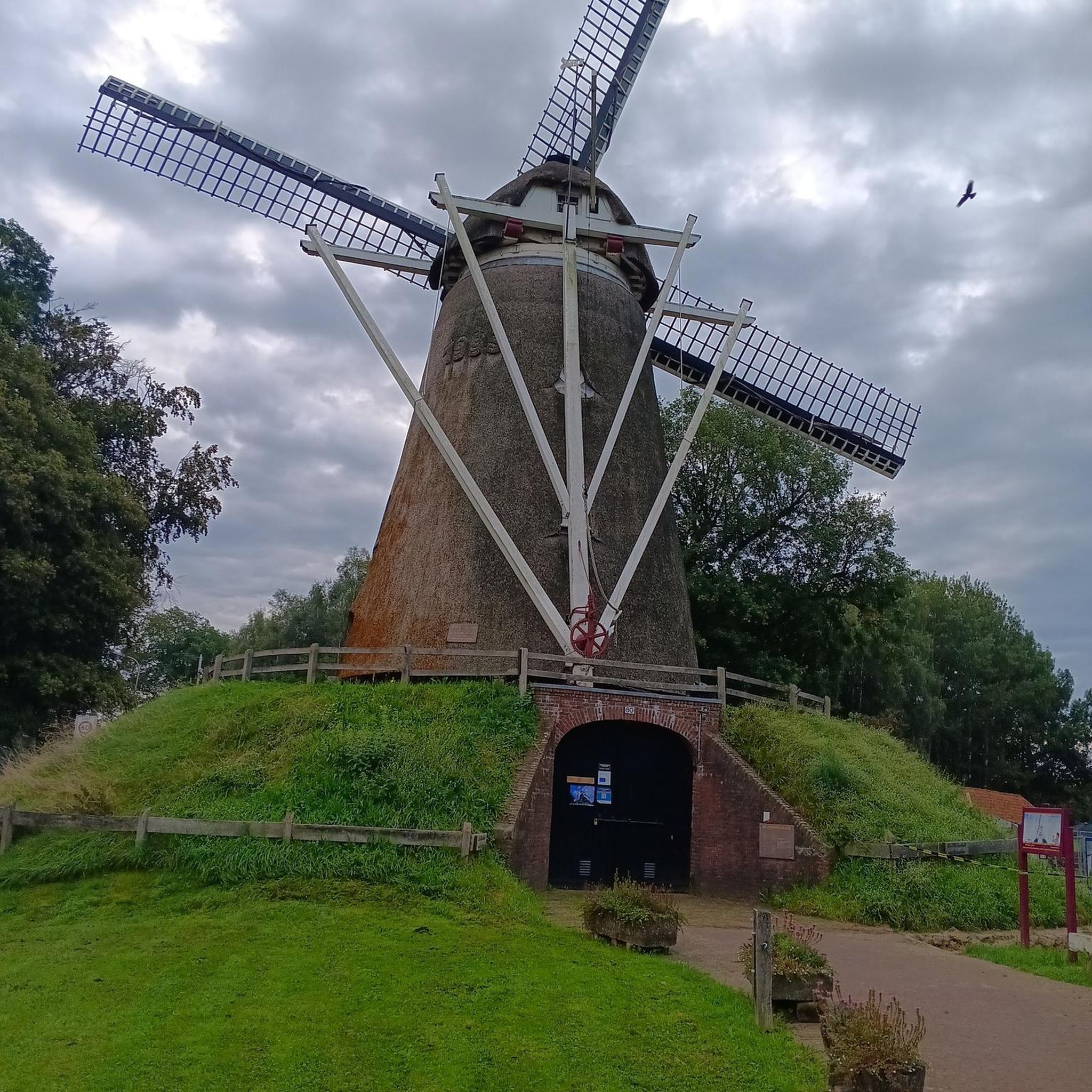
- The most popular touring cycling route is Saint-Piat Mill – The finish line in Chartres loop from Serazereux, a…
Last updated: July 2, 2026
4.7
(26)
117
riders
52.4km
03:03
210m
210m
Moderate bike ride. Good fitness required. Mostly paved surfaces. Suitable for all skill levels.
7
riders
14.4km
00:51
50m
50m
Hard bike ride. Great for any fitness level. You may need to push your bike for some segments of this route.

Sign up for free
7
riders
12.4km
00:42
40m
40m
Easy bike ride. Great for any fitness level. Mostly paved surfaces. Suitable for all skill levels.
8
riders
142km
08:21
770m
770m
Hard bike ride. Very good fitness required. Mostly paved surfaces. Suitable for all skill levels.
3.0
(1)
3
riders
Easy bike ride. Great for any fitness level. Mostly paved surfaces. Suitable for all skill levels.
Get access to more routes and recommendations from other explorers.
Sign up for free
Already have an account?
Our route recommendations are based on thousands of hikes, rides, and runs completed by other people on komoot.
Start today with a free account
Your next adventure awaits.
Login or Signup



Tips from the Community

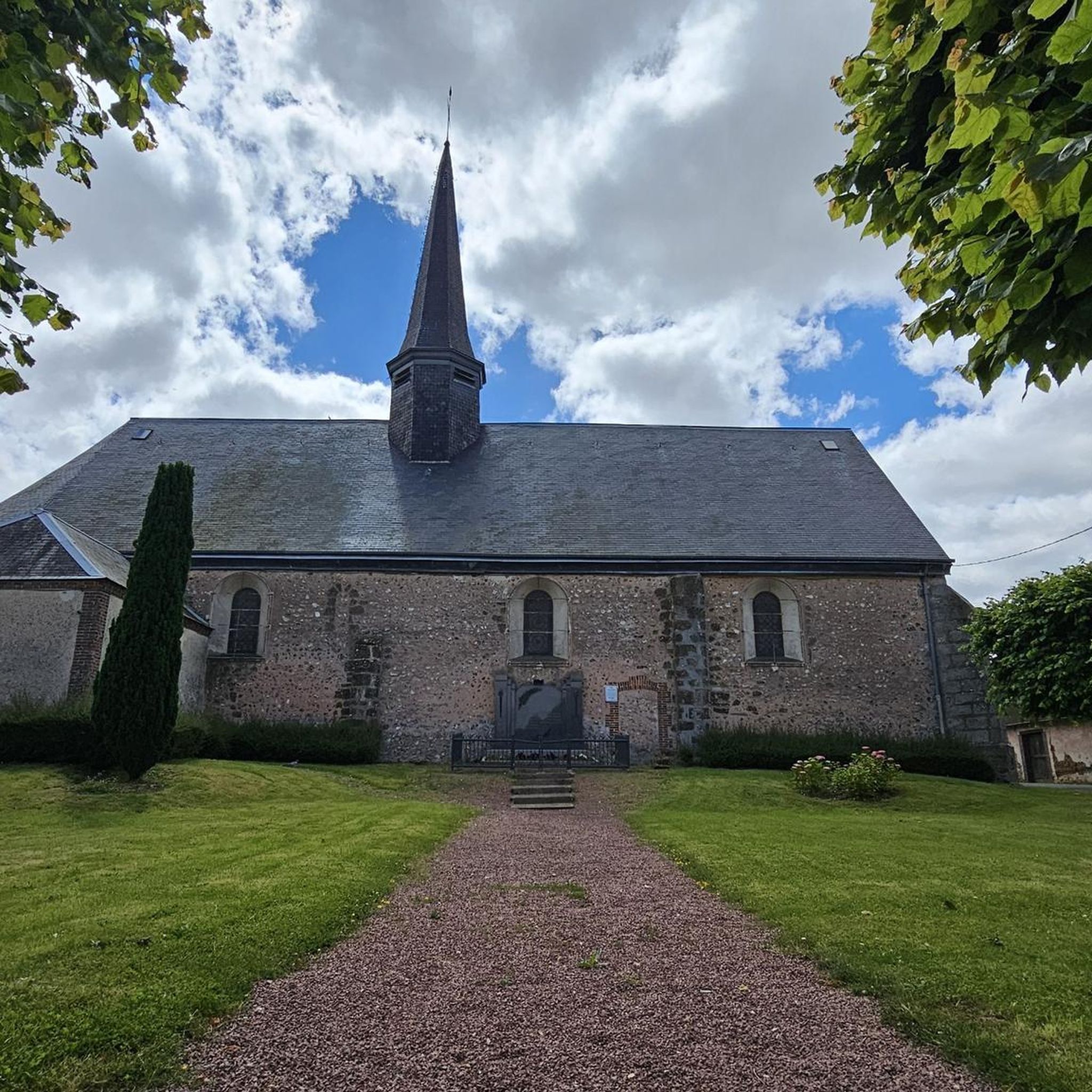
According to tradition, the church choir covers the remains of an older building, possibly dating back to the 6th century, which was built to house the saint's body. According to current knowledge, the commune of Saint-Piat (Sanctus Piatus in Latin) officially appeared in 1087, mentioned in a charter of the Nottonville Priory (Eure-et-Loir), on which it depended. The current building was rebuilt during the time of Francis I, as suggested by the date 1535 engraved on two buttresses of the apse and the date 1542 engraved on a piece of wood from the vault. This is according to a study by the SAEL (Eure-et-Loir Archaeological Society). The three-sided apses, the dripstone towers (horizontal members projecting from a wall), and the sculpted roof structures are a testament to the importance of the reconstructions carried out in the department during the 16th century. The church of Saint-Piat is one of them. While the church has not been officially recognized, it nevertheless contains objects that have attracted attention both for their antiquity and quality, but not always for good reason. Their artistic value, far from attracting only religious or aesthetic interest, has also aroused a covetousness that, unfortunately, remains for some of them. Fortunately, those still in place are carefully cared for and offer the curious a story to discover, a beauty to slowly ponder as they progress toward the choir.
0
0

The current remains are those of the 15th-century gate and its barbican or artillery boulevard. The earliest remains on the site date back to the 1st century, with the remains of an ancient domus, a street, and its wooden gutter. The first Guillaume Gate was built around 1185; a wall can still be seen a little further along Rue de la Porte Guillaume. Source: https://journals.openedition.org/cem/14214?lang=en
0
0


Situated on the banks of the Eure River, the village of Maintenon boasts a peaceful atmosphere and rich heritage. Dominated by its Renaissance castle and famous for its unfinished aqueduct designed by Vauban, the town invites you to stroll. The ancient streets, the banks of the Eure River, and the Louis XIV Canal provide an ideal setting for a break in the footsteps of history.
0
0

A medieval building has shaped the city's skyline for centuries: the cathedral's two towers reaching towards the sky can be seen from a long way away. This early example of Gothic architecture not only shaped Chartres itself, but was also a model for many other church buildings for a long time, not only in France, but also spread beyond its borders to other countries.
2
0


Too bad it is never indicated the type of bike recommended.
0
0

The château, built in the 19th century and renovated by the Marquis d'Aligre with the intention of making it the most luxurious residence in the region, still retains various vestiges of the princely home, formal French gardens, reception rooms, an enclosed courtyard, stables, and a chapel. It currently houses the Saint-François school, the Notre-Dame vocational high school, and the Notre-Dame des Jardins horticultural and landscape high school.
0
0
Frequently Asked Questions
What is the general terrain like for touring cycling around Challet?
The region around Challet is characterized by gentle rolling terrain, extensive agricultural fields, and small villages. You'll find open countryside interspersed with patches of woodland and quiet country roads, making it suitable for leisurely rides. Elevation changes are generally modest, offering accessible routes for various skill levels.
How many touring cycling routes are available around Challet?
There are over 40 touring cycling routes available around Challet, catering to a range of abilities and preferences.
Are there touring cycling routes suitable for beginners or families in Challet?
Yes, Challet offers many routes suitable for beginners and families. With 25 easy routes, you can enjoy gentle rides through the countryside. An example is the CP3 - BARRE BAKERY loop from Bailleau-l'Évêque, which is an easy 14.3-mile (23 km) path.
What options are there for more challenging touring cycling routes near Challet?
For those seeking a greater challenge, Challet offers 6 difficult touring cycling routes. A notable option is the Lavoir de Soulaires – Saint-Piat Mill loop from Bouglainval, a demanding 88.3-mile (142.1 km) route with significant elevation gain.
What is the typical length of touring cycling routes in the Challet area?
Route lengths vary significantly. You can find shorter loops, such as the Château de Levesville loop from Fresnay-le-Gilmert at 7.7 miles (12.4 km), as well as much longer tours like the Saint-Piat Mill – The finish line in Chartres loop from Serazereux, which spans 43.2 miles (69.5 km).
What do other touring cyclists enjoy the most about touring cycling in Challet?
The area is highly rated by the komoot community, with an average score of 4.5 stars from over 180 reviews. Reviewers often praise the open agricultural landscapes, quiet village roads, and small wooded areas that define the cycling experience in Challet.
Are there any notable landmarks or attractions to see along the touring cycling routes?
Yes, several routes pass by interesting landmarks. For instance, the Saint-Piat Mill – The finish line in Chartres loop from Serazereux features the historic Saint-Piat Mill and leads towards The finish line in Chartres. Other nearby attractions include Vérigny Castle and Maintenon Castle.
Are there circular touring cycling routes available in Challet?
Many of the touring cycling routes around Challet are designed as loops, allowing you to start and finish at the same point. Examples include the Bike loop from Bailleau-l'Évêque and the Château de Levesville loop from Fresnay-le-Gilmert.
What is the best time of year to go touring cycling in Challet?
Given the region's gentle terrain and agricultural landscape, spring, summer, and early autumn are generally the best times for touring cycling in Challet. These seasons offer pleasant weather for exploring the open countryside and quiet roads.
Are there any specific routes that offer scenic viewpoints or unique natural features?
The routes primarily offer scenic views of open agricultural fields, small villages, and patches of woodland. While there aren't dramatic mountain vistas, the charm lies in the tranquil rural scenery and the historic elements like the Saint-Piat Mill.
Is it possible to find bike-friendly cafes or accommodation near the cycling trails in Challet?
While specific establishments aren't listed in the route data, the presence of small villages along the routes suggests opportunities to find local cafes or guesthouses. For longer tours, planning stops in larger towns like Chartres would provide more options for refreshments and accommodation.
Most popular attractions around Challet

Get inspired with the komoot mobile app


Explore more
Browse the best Cycling routes in other regions.
