Attractions and Places To See around Saint-Brès - Top 20
Best attractions and places to see around Saint-Brès, a village in the Hérault department of France, include historical sites, natural features, and access to the wider Occitanie region. The area is characterized by its viticultural heritage, with old wine village architecture and the Bérange river. Visitors can find opportunities for hiking and cycling, exploring both local landmarks and regional natural beauty.
Best attractions and places to see around Saint-Brès
- The most popular attractions is Castries Aqueduct, a man-made monument…
Last updated: July 6, 2026
Castries Aqueduct
Highlight • Monument
Translated by Google •
Tip by

Castries Aqueduct
Highlight • Historical Site
Translated by Google •
Tip by
Sign up now to discover places like this
Get recommendations on the best single tracks, peaks, & plenty of other exciting outdoor places.
Sign up for free
Rhône–Sète Canal
Highlight (Segment) • Cycleway
Touring bike suitable
Translated by Google •
Tip by

View of the Castries aqueduct
Highlight • Viewpoint
Translated by Google •
Tip by

La Baraque des Allemands
Highlight • Other
Translated by Google •
Tip by

Sign up for free to discover even more attractions around Saint-Brès.
Sign up for free
Already have an account?
Start today with a free account
Your next adventure awaits.
Login or Signup
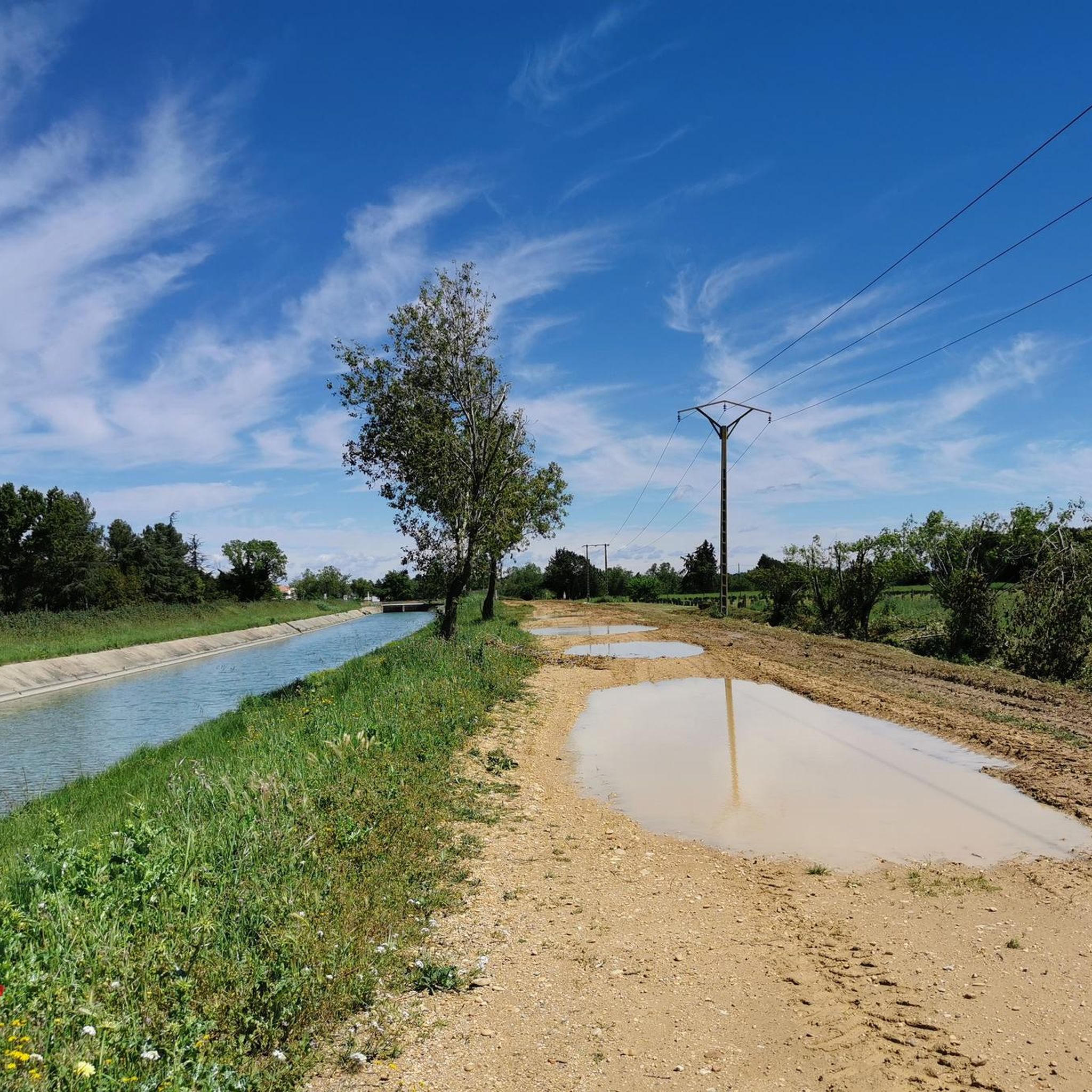
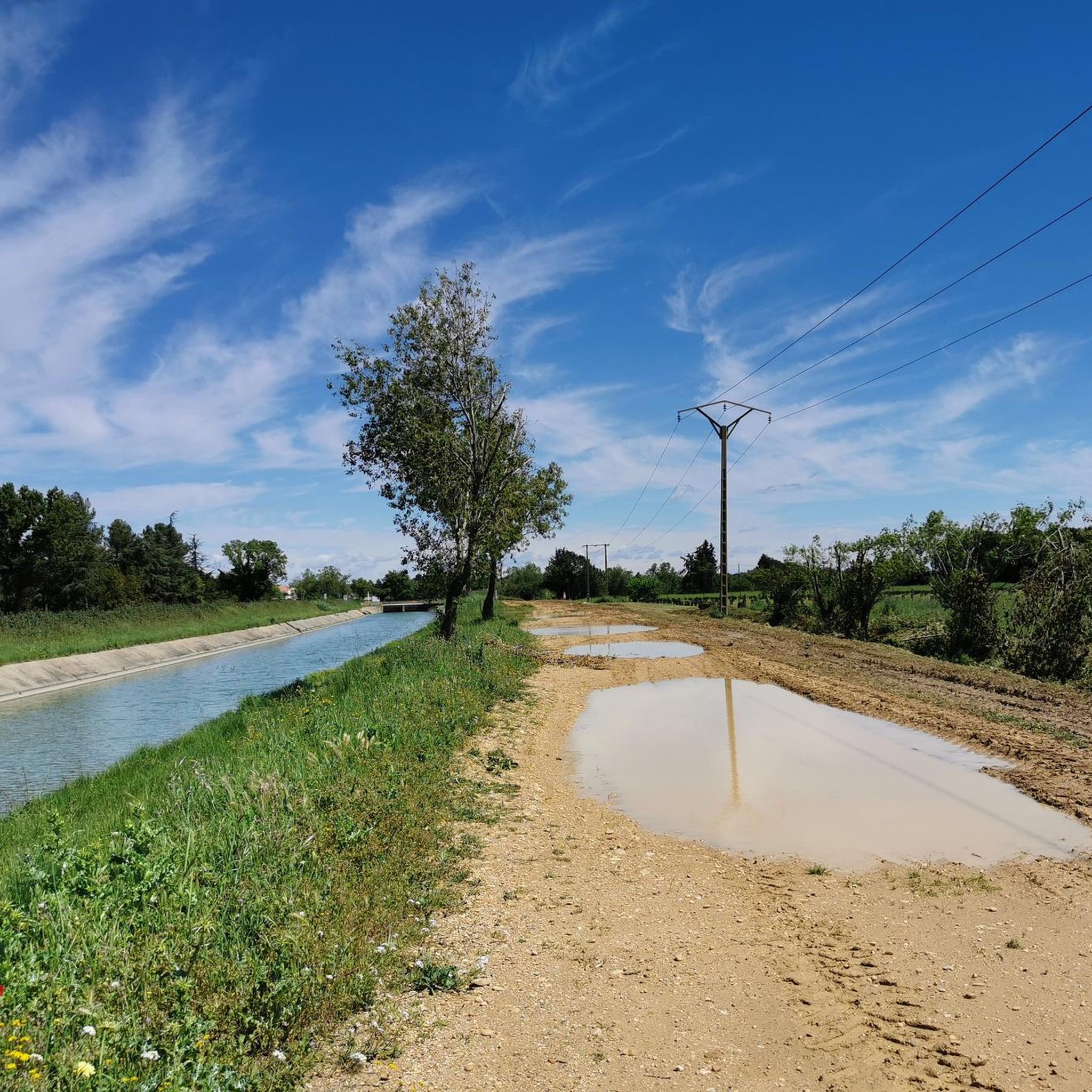
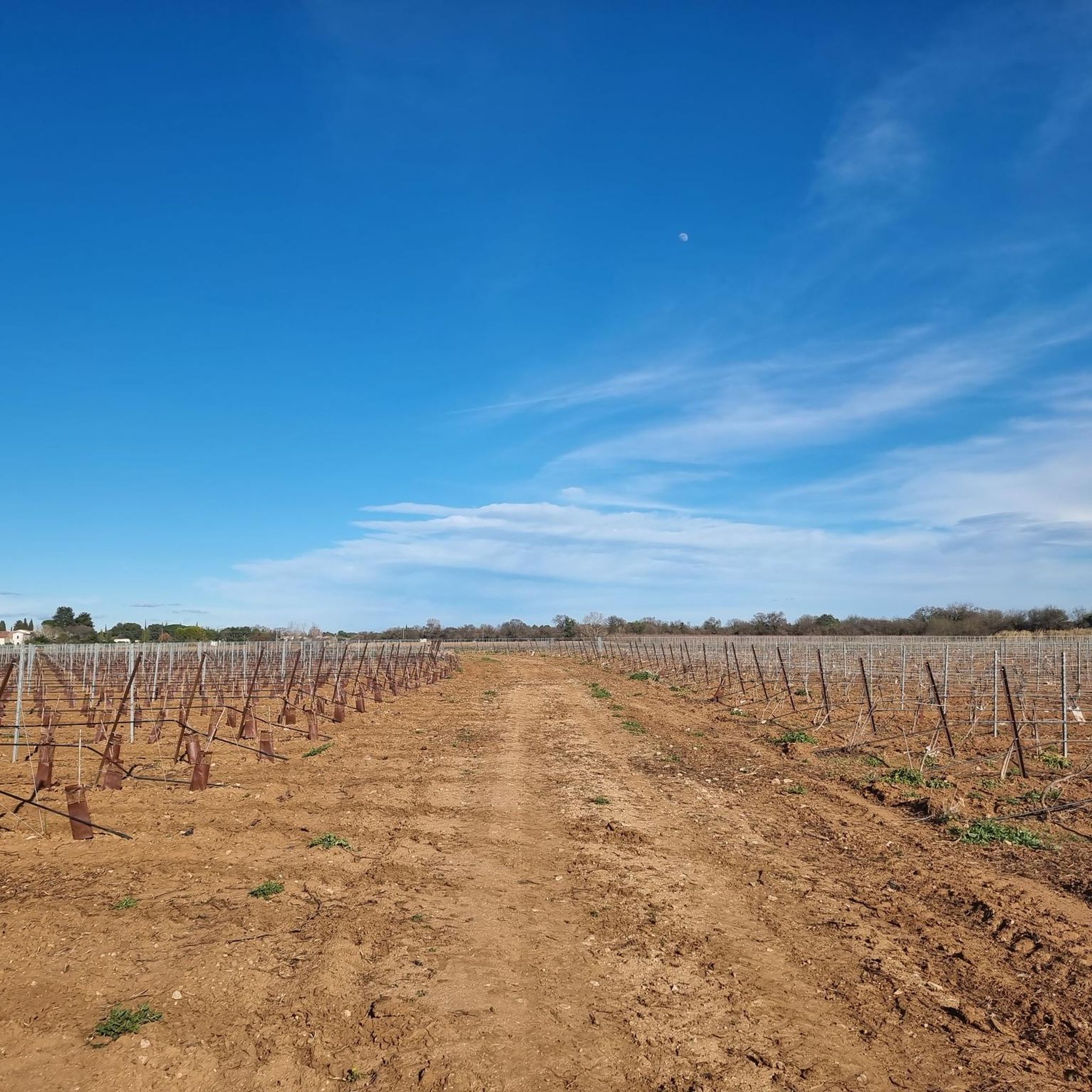
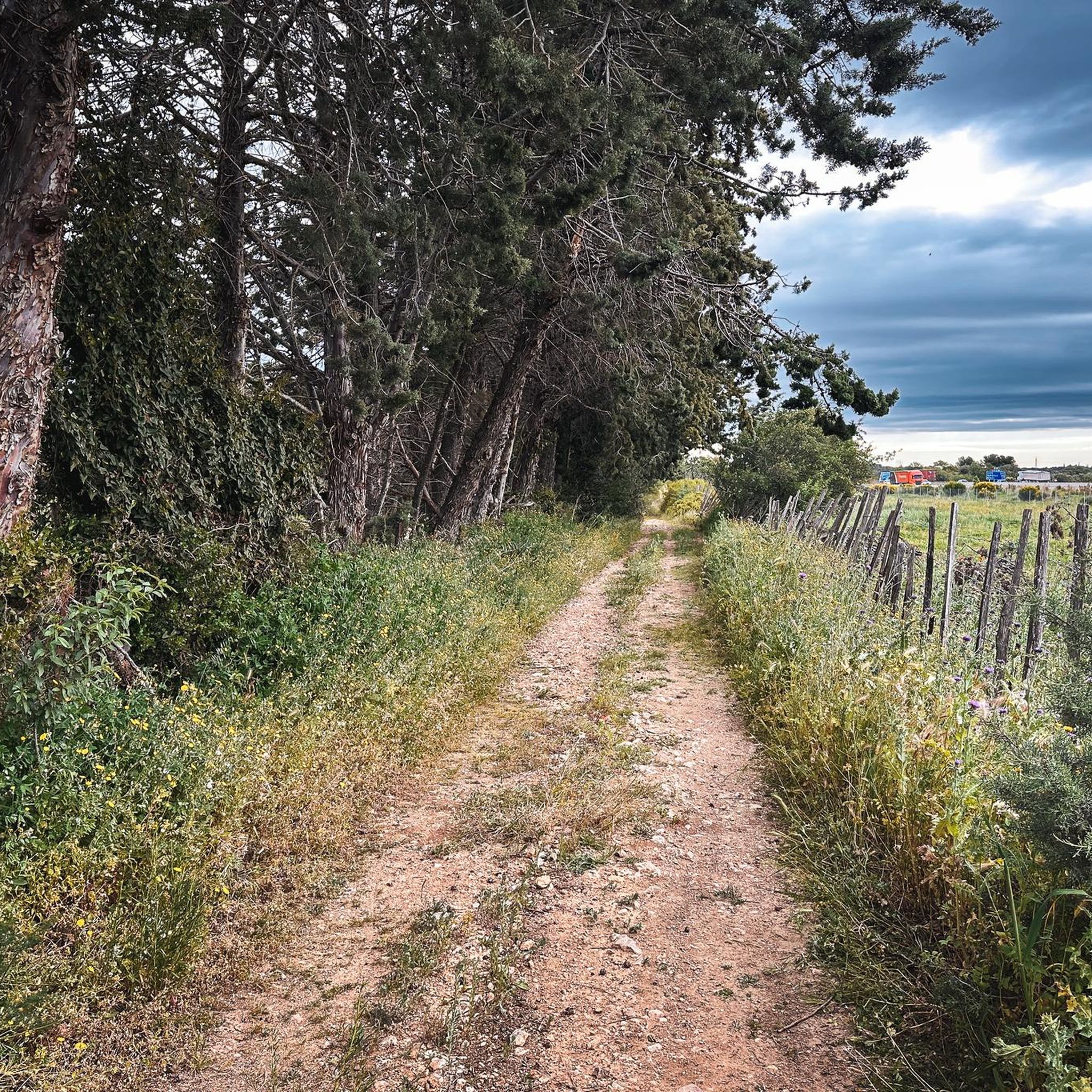

Tips from the Community


Beautiful aqueduct built to supply the park and gardens with water.
0
0

Everyone knows the Pont du Gard, but the Castries aqueduct, much less well-known, is definitely worth the detour (to say the least). A very beautiful hike (possibly parking nearby) done in bright sunshine in the early afternoon, which allowed us to be in a solitary and dry landscape, but where the impressive arches of the aqueduct unfold majestically. An appreciable tranquility in the middle of the past. Superb photos are possible, and the loop allows you to see the covered conduit bringing the water. Sometimes at ground level and sometimes on the arches (there it is no longer covered), it is obviously no longer supplied. The interest is to stroll afterwards (or before) in the village in order to see the "urban" part of the aqueduct.
0
0


The Castries Aqueduct winds through the bush landscape and offers beautiful walks in the hinterland.
9
0
The aqueduct is 6,822 meters long and has a gradient of only 3 meters. Pierre Paul Riquet had drawn up plans for a colossal aqueduct that could lead to the Chateau de Castries, the waters of the Fongrand spring northwest of the village of Castries, in 1676.
9
1

It goes on well-shod gravel. Straight and boring, especially in a headwind.
0
1
Frequently Asked Questions
What historical sites can I explore in and around Saint-Brès?
Saint-Brès is rich in history. You can visit Castries Aqueduct, an 18th-century structure nearly 7 km long, offering beautiful walks. The village itself features Le Vieux Pont (The Old Bridge) from the 11th century, a 12th-century church apse, and an 18th-century lavoir. Don't miss the Oppidum of Ambrussum, an archaeological site with ancient dwellings and a museum, crossed by the Roman Via Domitia.
Where can I find scenic views and natural features near Saint-Brès?
For panoramic views, a short stroll up Carbonnier Hill offers stunning vistas of the village and the surrounding wine plain. You can also explore the Ranc d'Uzège by walking its small paths. The Bérange River flows through the area, and nearby regional attractions include the unique landscapes of the Parc Naturel Régional de Camargue and the breathtaking cliffs of the Gorges de l'Hérault.
Are there family-friendly attractions or activities in the Saint-Brès area?
Yes, Saint-Brès offers several family-friendly options. The village has a playground and a skate-park for younger visitors. The Mas-de-Fontanelles loop, a 10 km walk, is suitable for families. A highly visited regional attraction is Planet Ocean in Montpellier, an engaging marine experience located about 11.2 km away.
What outdoor activities, like hiking or cycling, are available around Saint-Brès?
Saint-Brès is an excellent starting point for outdoor activities. You can find various hiking, mountain biking, and cycling routes. For running, explore options like the 'Running loop from Saint-Brès' or the 'Bois de Saint-Antoine loop'. Cyclists can enjoy the Rhône–Sète Canal cycle path or gravel biking routes like the 'Castries Aqueduct loop'. For more details on routes, check out the Running Trails around Saint-Brès, Gravel biking around Saint-Brès, and MTB Trails around Saint-Brès guides.
What is the best time to visit Saint-Brès for outdoor activities?
The region generally enjoys a Mediterranean climate, making spring and autumn ideal for outdoor activities like hiking and cycling, as temperatures are milder. Summers can be hot, but early mornings or late afternoons are still pleasant. Winter offers cooler, often sunny days, suitable for exploring historical sites and less strenuous walks.
Are there any unique cultural events or traditions in Saint-Brès?
Saint-Brès celebrates Saint Brice, its patron saint, every November 13th, often featuring traditional bullfights. In March, the village organizes a carnival with a parade of floats, some borrowed from the renowned Nice Carnival, offering a vibrant cultural experience.
What kind of historical architecture can I see in Saint-Brès?
The heart of Saint-Brès showcases traditional winemaker's houses and storage barns, reflecting its viticultural heritage. Streets like Cascade and Fontmagne offer glimpses into this old wine village architecture. Additionally, you can discover ancient structures like dolmens, capitelles (dry stone shelters), and old lime kilns scattered around the area.
What do visitors particularly enjoy about the attractions near Saint-Brès?
Visitors appreciate the blend of history and nature. For instance, the Castries Aqueduct is loved for its beautiful walks through the hinterland and its impressive 18th-century engineering. The Oppidum of Ambrussum is valued for its free access, museum, and the historical journey it offers along the ancient Via Domitia.
Can I find challenging hiking trails near Saint-Brès?
While Saint-Brès itself offers moderate trails, for more challenging hikes, you can venture further afield to areas like the Gorges de l'Hérault, which provides opportunities for combining hiking with water sports amidst breathtaking cliffs. Mont Aigoual, though more distant, offers spectacular views and memorable hikes over the Cévennes mountain range.
Are there any lesser-known natural spots or 'hidden gems' to explore?
Beyond the main attractions, you can explore the various hamlets around Saint-Brès, such as Jovit with its oak-lined paths, or Dieusse with its narrow streets and a dry stone well. The View of the Castries aqueduct is a less-known but highly recommended spot for its impressive arches and tranquil atmosphere, offering superb photo opportunities.
What are some of the regional natural parks or sites accessible from Saint-Brès?
Saint-Brès serves as a gateway to several significant natural sites. The Parc Naturel Régional de Camargue is about 30 minutes away by car, offering unique walks among salt marshes and wild beaches. The Gorges de l'Hérault are ideal for combining hiking with water sports. Further afield, you can explore sites like the Grotte de la Cocaliere, Bois de Païolive, and the Réserve naturelle nationale des Gorges de l'Ardèche.
Most popular routes around Saint-Brès

Get inspired with the komoot mobile app


Explore more
Still not found the Highlight you’re looking for? See guides of the top attractions in other regions:
