Attractions and Places To See around Saint-Jean-De-Buèges - Top 20
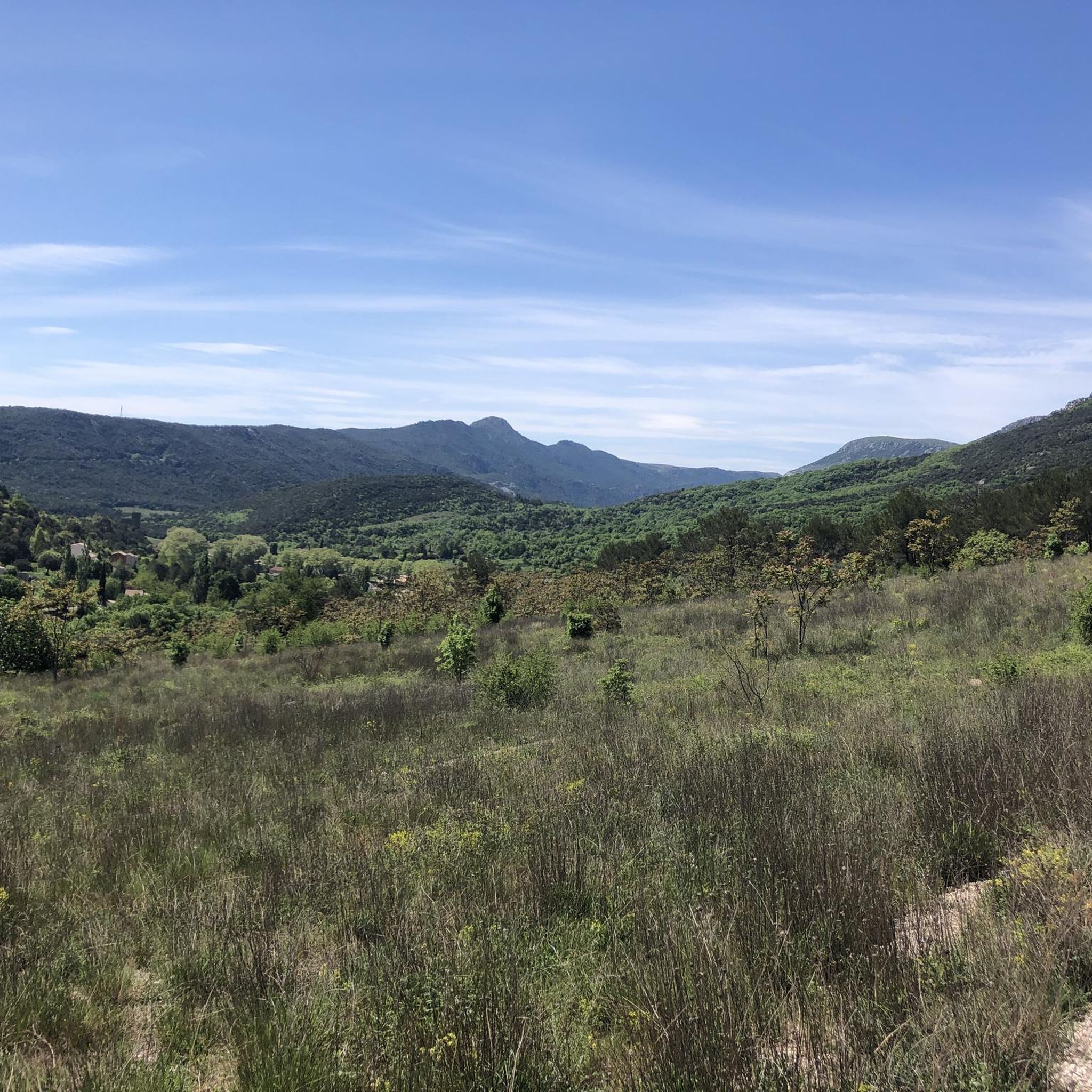
Best attractions and places to see around Saint-Jean-De-Buèges include a blend of historical landmarks, natural features, and cultural insights. This medieval village is nestled in the Buèges valley, part of the "Causses and Cévennes" UNESCO World Heritage site. The area features the Buèges river, the Roc de Tracastel, and the Massif de la Séranne, offering a preserved natural setting. Visitors can explore ancient structures, picturesque alleys, and varied landscapes.
Best attractions and places to see around Saint-Jean-De-Buèges
- The most popular…
Last updated: July 6, 2026
La Foux Mill
Highlight • Other
Translated by Google •
Tip by

The Ravin des Arcs
Highlight • Other
Translated by Google •
Tip by

Sign up now to discover places like this
Get recommendations on the best single tracks, peaks, & plenty of other exciting outdoor places.
Sign up for free
Navacelles
Highlight • Other
Translated by Google •
Tip by
Saint-Étienne-d'Issensac Bridge
Highlight • Bridge
Translated by Google •
Tip by

Cirque de Navacelles
Highlight • Gorge
Translated by Google •
Tip by

Sign up for free to discover even more attractions around Saint-Jean-De-Buèges.
Sign up for free
Already have an account?
Start today with a free account
Your next adventure awaits.
Login or Signup
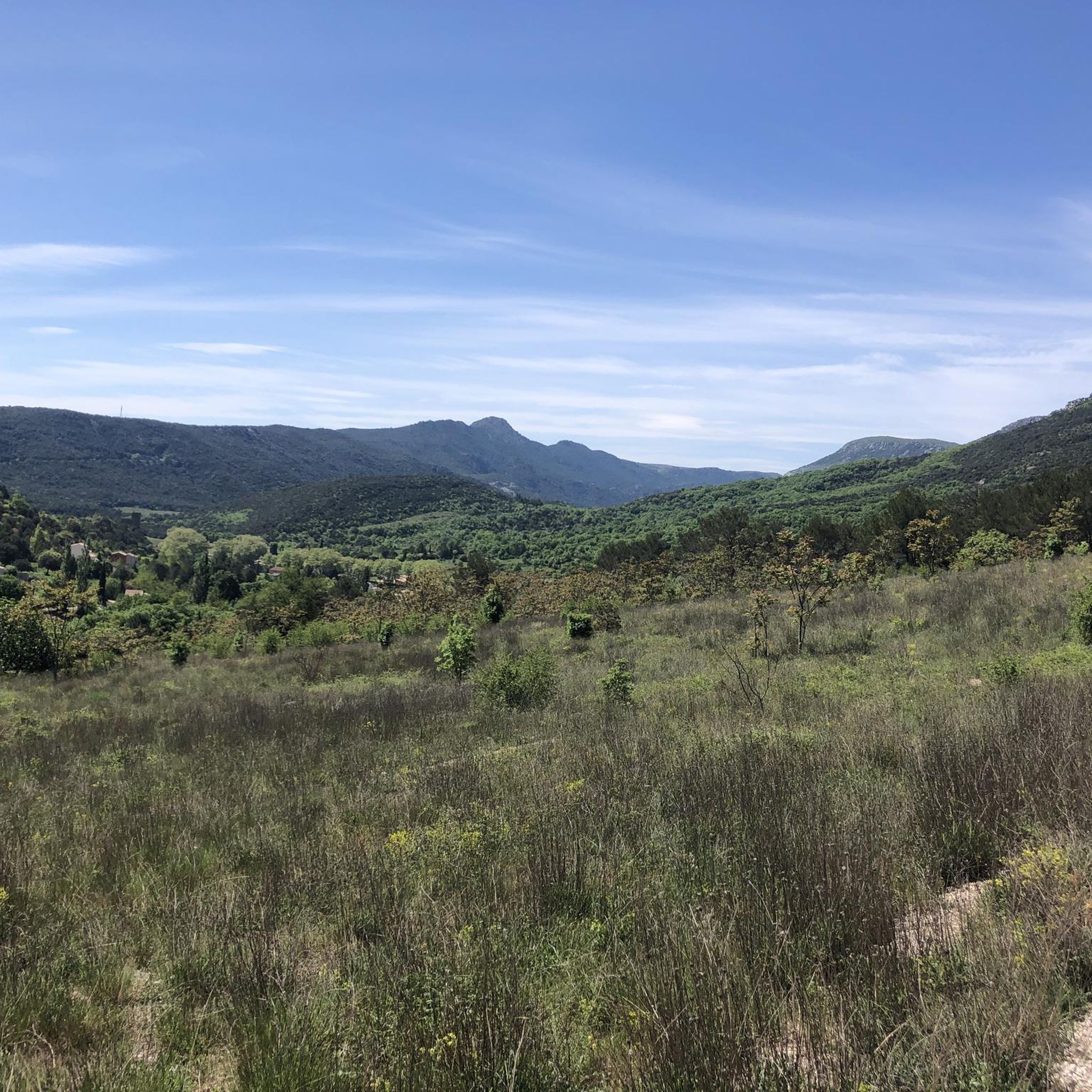
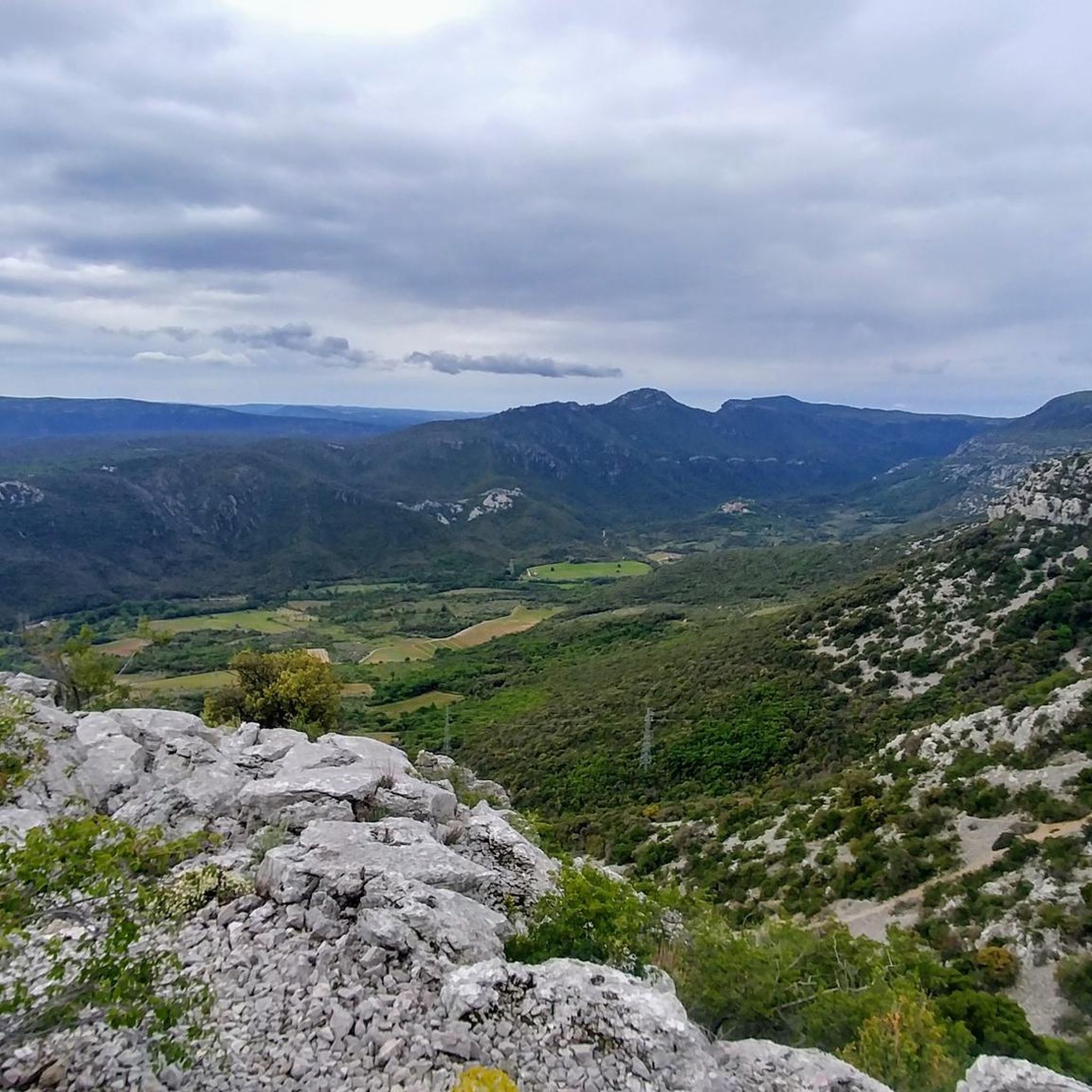
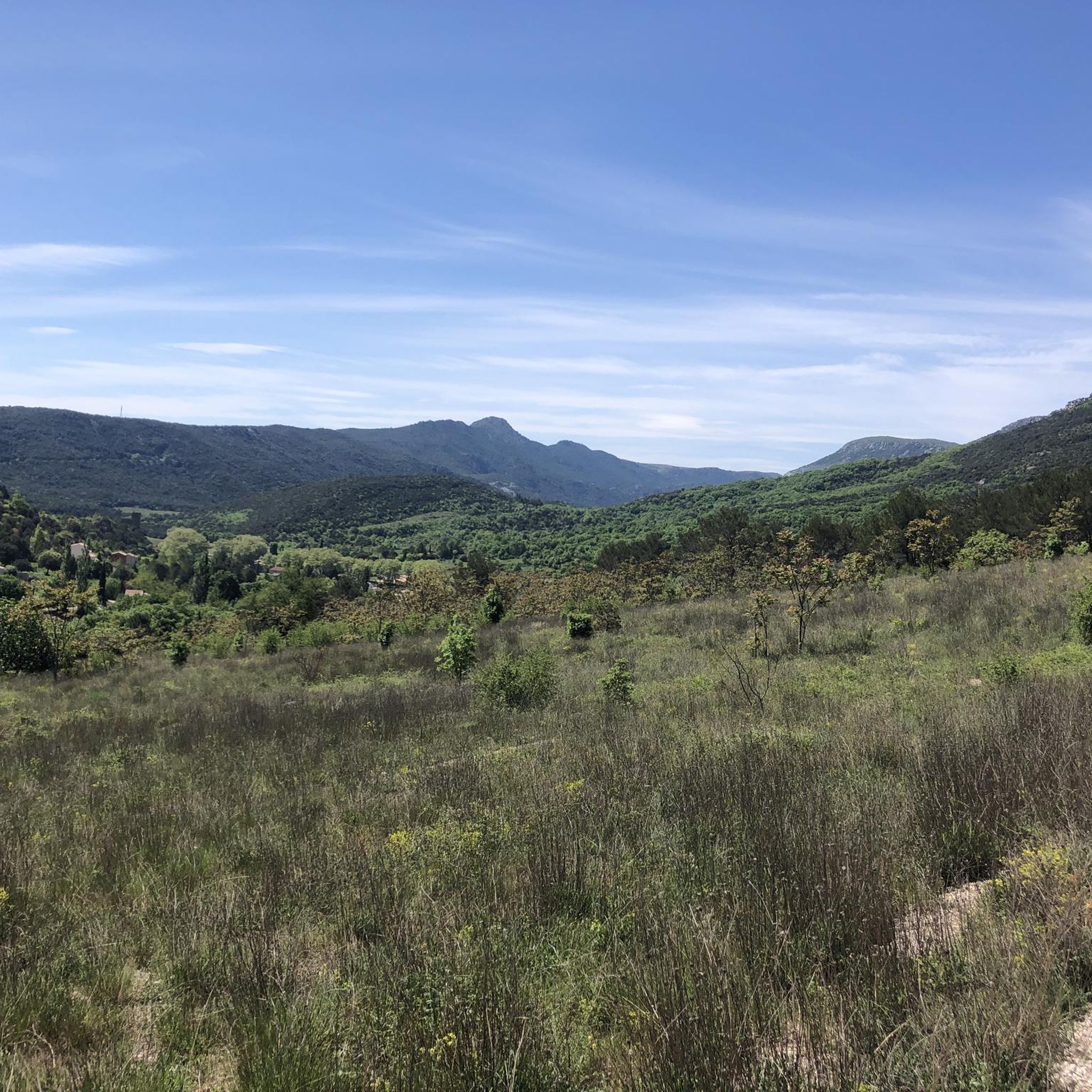
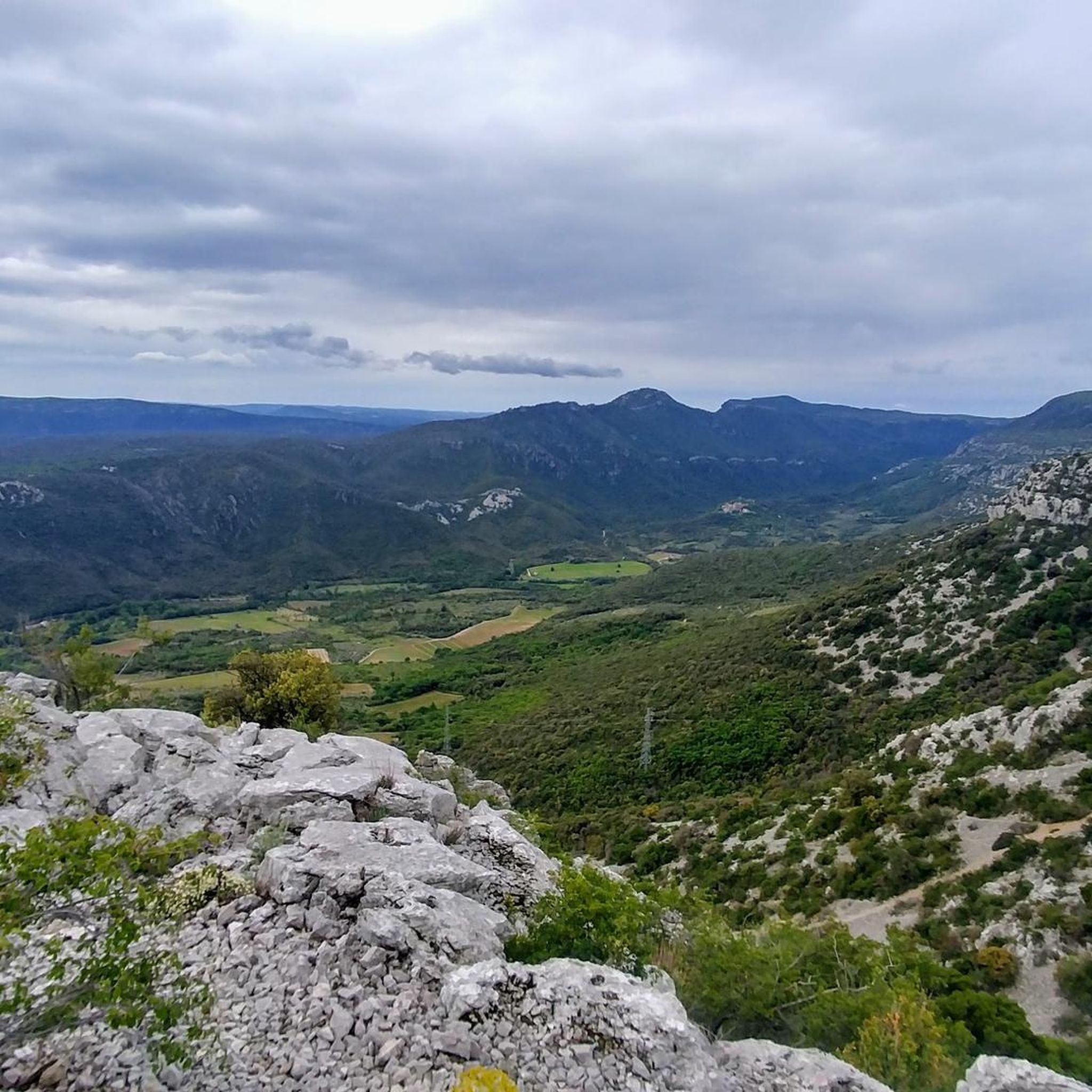

Tips from the Community

Great report and impressions of the Cévennes @JakobusPilger👍 But a bit long 😅😃
0
0

Under the title "France's Wild South," an episode of the British television series "National Parks – Protected Natural Wonders" on 3sat presents the Cévennes mountains. The accompanying text on the website states: "Lush green mountains, barren plateaus, and deep gorges characterize this landscape, which, unlike France's coasts, has not yet been discovered by mass tourism. It also boasts some of the country's most spectacular river landscapes." The compelling documentary, available in German, can be viewed in the media library at the following link: https://www.3sat.de/dokumentation/nationalparks-geschuetzte-naturwunder/nationalparks-geschuetzte-naturwunder-cevennen-frankreichs-wilder-sueden-102.html
2
0

An exceptional site, but one that can quickly become dangerous if you're careless. The arch is a nice sight! Note that there's a hole in the middle that you can descend (by canyoning or caving), and then jump into the water (depending on the season), at the end of a rope, of course. The water is stagnant, not very enjoyable in the summer. The rest of the river is dry in the summer. It's a good opportunity to explore the caves, which are fairly easy to access, even if you reach the end of the line quite quickly.
1
0
A truly extraordinary spot. A few information panels explain a great deal about the mill, as well as the resurgence of the Vis River. This place should be respected, of course (as everywhere). Be careful, there are a few tricky sections. Keep an eye on your children, pets, or elderly visitors.
0
0

We visited in the summer during a long drought, which made it possible to follow the route. This might be different if there's been a lot of rain or in winter. We had to climb quite a few sections, but there were some beautiful sights. Definitely recommended.
1
0

Intermediate hike; it climbs well after crossing the river; then oak forest with the presence of wild boars; further on after crossing the main road it becomes easy with the view of Pic Saint Loup
0
1
Hike impossible to do by following the route. Fences, private property barriers. High water level. Impossible to cross the river without getting wet.
0
3
Frequently Asked Questions
What historical landmarks can I explore in Saint-Jean-de-Buèges?
Saint-Jean-de-Buèges is rich in history. You can visit the impressive 12th-century Château de Baulx (Tras Castel), which overlooks the village and offers exceptional views of the Buèges valley. The 11th-century Romanesque Church of Saint John the Baptist is another significant cultural site. Additionally, the village of Navacelles, built around its castle and church, has been occupied since prehistoric times and is worth exploring.
What natural features define the landscape around Saint-Jean-de-Buèges?
The region is characterized by the verdant Buèges Valley, through which the Buèges river flows, offering opportunities for hiking and swimming. The village is nestled at the foot of the Roc de Tracastel, with the imposing Massif de la Séranne dominating the surrounding landscape. The area also includes the stunning Cirque de Navacelles, a natural monument and historical site with a depth of 300 meters, providing a breathtaking panorama of the Vis gorges.
Are there opportunities for hiking and walking in the area?
Yes, the area around Saint-Jean-de-Buèges is a paradise for hikers, with varied landscapes including garrigue, vineyards, olive groves, meadows, and woodlands. Popular routes include "Les Gorges de la Buèges" (an 8.4 km loop), the challenging "Peyre Martine" (16.2 km with panoramic views), and the "Buèges Spring – Saint-Jean-de-Buèges" loop (8.8 km). You can find more detailed information on various trails in the Running Trails around Saint-Jean-De-Buèges guide.
What kind of outdoor activities can I do near these attractions?
Beyond hiking, the region offers diverse outdoor activities. You can explore mountain biking trails, with options like the "Cirque of Navacelles – La Foux Mill loop." Road cycling is also popular, with routes such as the "Saint-Jean-de-Buèges – Château de Brissac loop." For more details, refer to the MTB Trails around Saint-Jean-De-Buèges and Road Cycling Routes around Saint-Jean-De-Buèges guides.
Are there any family-friendly activities or attractions?
The natural setting of the Buèges Valley offers many family-friendly opportunities, such as picnicking and swimming along the shaded banks of the Buèges river. Exploring the picturesque alleys of Saint-Jean-de-Buèges and visiting the La Foux Mill, which demonstrates the power of moving water, can also be engaging for families.
What is the best time to visit Saint-Jean-de-Buèges?
The region is generally pleasant for outdoor activities during spring and autumn when temperatures are milder. Summer can be very hot, especially in the gorges, so it's advisable to plan activities for cooler parts of the day or seek out shaded areas along the river. Winter rains can make some trails, like the Ravin des Arcs, impassable due to high water levels.
Where can I find unique viewpoints in the area?
For sensational views, head to the Navacelles viewpoint, offering a drone-like perspective of the gorge and village. The Château de Baulx also provides exceptional panoramic views of the Buèges valley. Additionally, the Cirque de Navacelles offers a breathtaking panorama of the Vis gorges.
Are there any unique natural sites or protected areas nearby?
Yes, Saint-Jean-de-Buèges is part of the "Causses and Cévennes" UNESCO World Heritage site. The region also boasts remarkable natural heritage, including three Natura 2000 sites: the "causse du Larzac," the "gorges de l'Hérault," and the "hautes garrigues du Montpelliérais," which contribute to its rich biodiversity.
What is the <a href="https://www.komoot.com/highlight/322002" target="_blank" rel="noopener">La Foux Mill</a> and why is it significant?
The La Foux Mill is an ancient mill that utilizes the power of moving water. This invention, dating back to pre-Christian times, replaced human or animal muscle power for tasks like grinding grains. It's a fascinating example of early engineering and a testament to the region's historical use of natural resources.
Can I find local produce or wine in Saint-Jean-de-Buèges?
Yes, the inhabitants primarily live off agriculture, with notable cultivation of olives and vines. A detour to the Village Cellar (Cave du Village) is recommended for wine tasting, offering pleasant surprises and a chance to experience the local terroir.
What is the <a href="https://www.komoot.com/highlight/239396" target="_blank" rel="noopener">Ravin des Arcs</a> like for hiking?
The Ravin des Arcs offers a sporty and satisfying hike, though it can be challenging. The route is not always clearly indicated, and involves navigating rocky terrain and sometimes clinging to trees. In summer, the riverbed is dry, but in winter, high water levels can make the loop impassable. It's recommended for those with some training and proper equipment.
Is there a historic bridge in the vicinity worth visiting?
Yes, the Saint-Étienne-d'Issensac Bridge, built in the Middle Ages, spans the Hérault river. Originally, it allowed pilgrims passage to Saint Guilhem. This stone bridge, though restored multiple times, retains its historic charm and offers great views of the Hérault. It's passable for pedestrians and smaller vehicles, and is also a popular bathing spot in summer.
Most popular routes around Saint-Jean-De-Buèges
Most popular attractions around Saint-Jean-De-Buèges

Get inspired with the komoot mobile app


Explore more
Still not found the Highlight you’re looking for? See guides of the top attractions in other regions:
