Attractions and Places To See around Pollestres - Top 20
Best attractions and places to see around Pollestres offers a blend of local charm and convenient access to the surrounding Occitanie region. Located in the Pyrénées-Orientales department of France, Pollestres is a dynamic town with a lively community spirit. The area provides access to notable landmarks, natural features, and cultural sites both within the town and in its close proximity, making it a diverse destination for various interests.
Best attractions and places to see around Pollestres
- The most popular attractions…
Last updated: May 5, 2026
Perpignan city center
Highlight • Settlement
Translated by Google •
Tip by

Hotel Pams
Highlight • Historical Site
Tip by

Sign up now to discover places like this
Get recommendations on the best single tracks, peaks, & plenty of other exciting outdoor places.
Sign up for free
Arago Square
Highlight • Monument
He was born in Estagel near Perpignan on February 26, 1786 and died in Paris on October 2, 1853. He was an astronomer, …
Translated by Google •
Tip by

Sainte-Colombe-de-la-Commanderie village
Highlight • Settlement
Translated by Google •
Tip by

Fresh Fountain
Highlight • Other
Translated by Google •
Tip by

Sign up for free to discover even more attractions around Pollestres.
Sign up for free
Already have an account?
Start today with a free account
Your next adventure awaits.
Login or Signup

Tips from the Community

Sainte-Colombe-de-la-Commanderie owes its name to the historical presence of a Templar commandery, which operated in the village in medieval times. During the 12th and 13th centuries, the Knights Templar settled in the region, where they managed agricultural land and protected pilgrims. Although much of the original architecture has disappeared or been modified, the Templar legacy remains palpable in the identity of the village.
2
0
This place is known for its rich history linked to the Order of the Knights Templar and for its rural beauty, surrounded by vineyards and hills. The village and its immediate surroundings are perfect for those who enjoy medieval history, hiking and peaceful landscapes.
2
0

Busy, lively university town with many young people and the palace of the Mallorcan kings.
2
0

Impressive monument in the big square
2
0

Wonderful lively little streets in the city center, also great places to eat near the theater. The right reward after a long day of cycling.
2
0

Perpignan is not only the capital of the French part of Catalonia. With the Palace of the Kings of Mallorca, the Gothic houses in the old town, the Castillet, etc., the city has a lot to offer.
2
0

The square is named after François Arago. He was born in Estagel near Perpignan on February 26, 1786 and died in Paris on October 2, 1853. He was an astronomer, physicist and politician. He discovered that iron takes on magnetic properties when exposed to an electric current. François Aragos grew up with eleven siblings, six boys and five girls. He was friends with Alexander von Humboldt and both were interested in the phenomenon of terrestrial magnetism.
4
0
He was born on February 26, 1786, in Estagel near Perpignan and died on October 2, 1853, in Paris. He was an astronomer, physicist, and politician. He discovered that iron acquires magnetic properties when exposed to electric current. François Aragos grew up with eleven siblings, six boys and five girls. He was friends with Alexander von Humboldt, and both were interested in the phenomenon of geomagnetism.
2
0
Frequently Asked Questions
What historical sites can I explore around Pollestres?
The region around Pollestres is rich in history. You can visit the village of Sainte-Colombe-de-la-Commanderie, known for its Templar history and rural beauty. In Perpignan, explore the city center with its numerous Gothic buildings, or discover the opulent Art Nouveau and Art Deco interiors of Hotel Pams. Further afield, consider the Palace of the Kings of Majorca in Perpignan, the cathedral cloisters in Elne, or the picturesque village of Castelnou dominated by its castle.
Are there family-friendly attractions near Pollestres?
Yes, several attractions are suitable for families. The Perpignan city center offers a vibrant atmosphere and historical exploration. Hotel Pams, with its impressive architecture and garden, can also be an interesting visit. For outdoor fun, Lac de Villeneuve-de-la-Raho is perfect for swimming, kayaking, and picnics. Parc de Clairfont in Pollestres also provides a tranquil space for relaxation and play.
What natural features and outdoor activities are available?
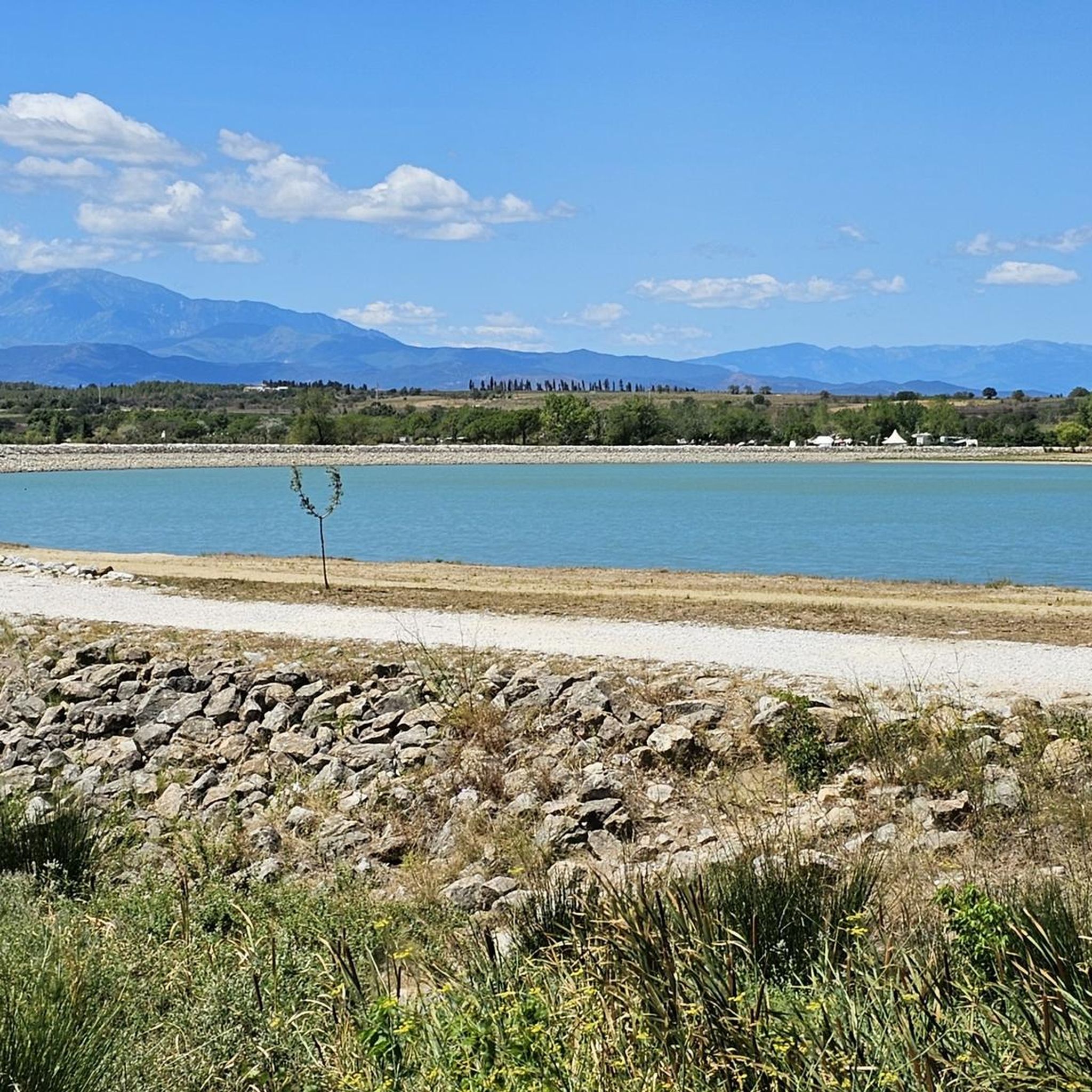
You'll find plenty of natural beauty and outdoor activities. Just a short drive from Pollestres is Lac de Villeneuve-de-la-Raho, ideal for water sports and relaxation. The unique geological formations of Orgues d'Ille-sur-Tet are also nearby. For more active pursuits, you can explore the scenic Canal du Midi by bike or venture towards the impressive Massif du Canigou. The Étang de Canet-Saint-Nazaire and Étang de Leucate offer beautiful natural settings for birdwatching or walks.
What kind of cycling routes can I find around Pollestres?
There are various cycling opportunities around Pollestres. For mountain biking, you can find routes like the 'Lake Villeneuve-de-la-Raho – Villeneuve-la-Raho Lake loop' or the 'Path Along the Stream – Castelnou loop'. If you prefer gravel biking, options include the 'Lake Villeneuve de-la-Raho – Magnificent Lake loop'. You can find more details and routes on the MTB Trails around Pollestres and Gravel biking around Pollestres guide pages.
Are there running trails near Pollestres?
Yes, Pollestres offers several running trails. Popular options include the 'View – Lake Villeneuve de-la-Raho loop' and the 'Lake Villeneuve de-la-Raho – Between the Two Shores loop'. There's also a shorter 'Running loop from Pollestres' for an easier run. For more information and detailed routes, check the Running Trails around Pollestres guide page.
What cultural experiences does Pollestres offer?
Pollestres and its surroundings provide a rich cultural experience. Within the town, you can visit Les Halles de Pollestres, a vibrant marketplace, or explore local artists' studios. La Maison des Arts frequently hosts exhibitions and workshops. The nearby city of Perpignan, the cultural center of Catalan France, boasts numerous historic buildings and museums like the Picasso Museum in Ceret.
Where can I find local produce and artisanal goods?
For fresh produce, artisanal goods, and local delicacies, visit Les Halles de Pollestres, the vibrant marketplace within the town. Additionally, exploring the local vineyards offers an opportunity to immerse yourself in the rich wine heritage of the Occitanie region and participate in tasting tours.
What are some lesser-known attractions or 'hidden gems' around Pollestres?
Beyond the main highlights, consider exploring the tranquil Parc de Clairfont in Pollestres for relaxation. The Château de l'Esparrou, a 19th-century castle, not only serves as a visual landmark but also hosts cultural activities. For a unique geological wonder, visit the Orgues d'Ille-sur-Tet, incredible natural rock formations resulting from millions of years of erosion.
Is there anything to see related to famous historical figures?
Yes, you can visit Arago Square in Perpignan, named after François Arago, a renowned astronomer, physicist, and politician born near Perpignan. The square features an impressive monument dedicated to him, recognizing his significant contributions to science.
What is the best time of year to visit Pollestres for outdoor activities?
The Pyrénées-Orientales department generally enjoys a Mediterranean climate. Spring and autumn offer pleasant temperatures ideal for hiking, cycling, and exploring natural sites like Lac de Villeneuve-de-la-Raho or the Orgues d'Ille-sur-Tet without the intense heat of summer. Summer is excellent for water activities, while winter can still offer opportunities for walks, especially on milder days.
Are there any religious monuments worth visiting nearby?
Yes, the region has several notable religious monuments. Within Pollestres, you can visit the beautiful Eglise Saint-Martin. Nearby, you'll find the Eglise de Notre Dame des Anges in Cabestany, Eglise de Saint Michel in Saint-Genis-des-fontaines, and the Prieuré de Serrabone in Boule-d'Amont, each offering historical architecture and a serene ambiance.
What kind of architecture can I expect to see in the area?
The architecture around Pollestres is diverse, reflecting its rich history. In Perpignan city center, you'll find numerous historic buildings, primarily in Gothic style. Hotel Pams showcases opulent Art Nouveau and Art Deco designs. Villages like Castelnou feature medieval castle architecture, while local churches like Eglise Saint-Martin offer traditional religious architectural styles.
Most popular routes around Pollestres
Most popular attractions around Pollestres

Get inspired with the komoot mobile app


Explore more
Still not found the Highlight you’re looking for? See guides of the top attractions in other regions:
