The best MTB trails around Leucate
4.3
(361)
1,826
riders
62
rides
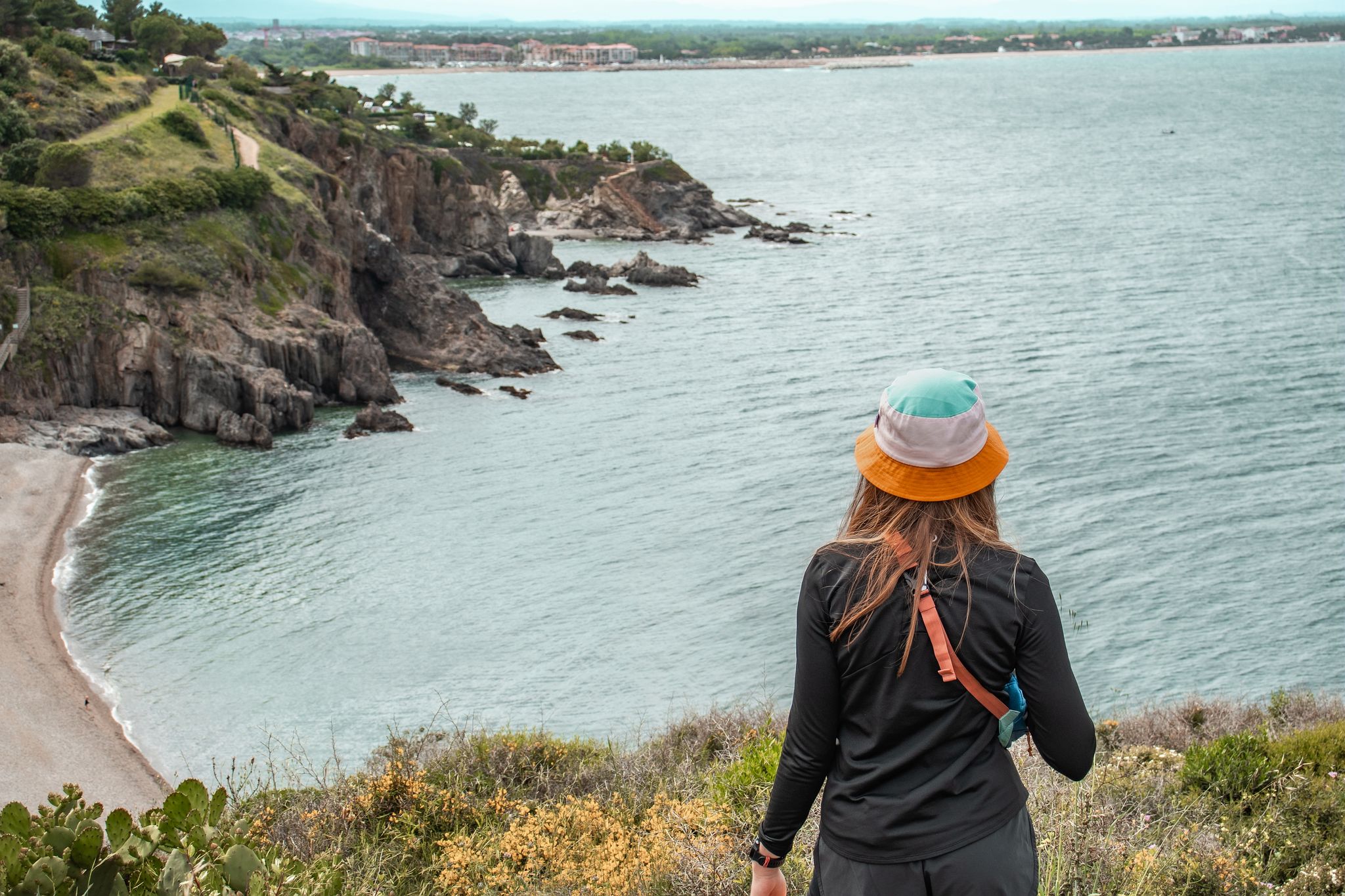
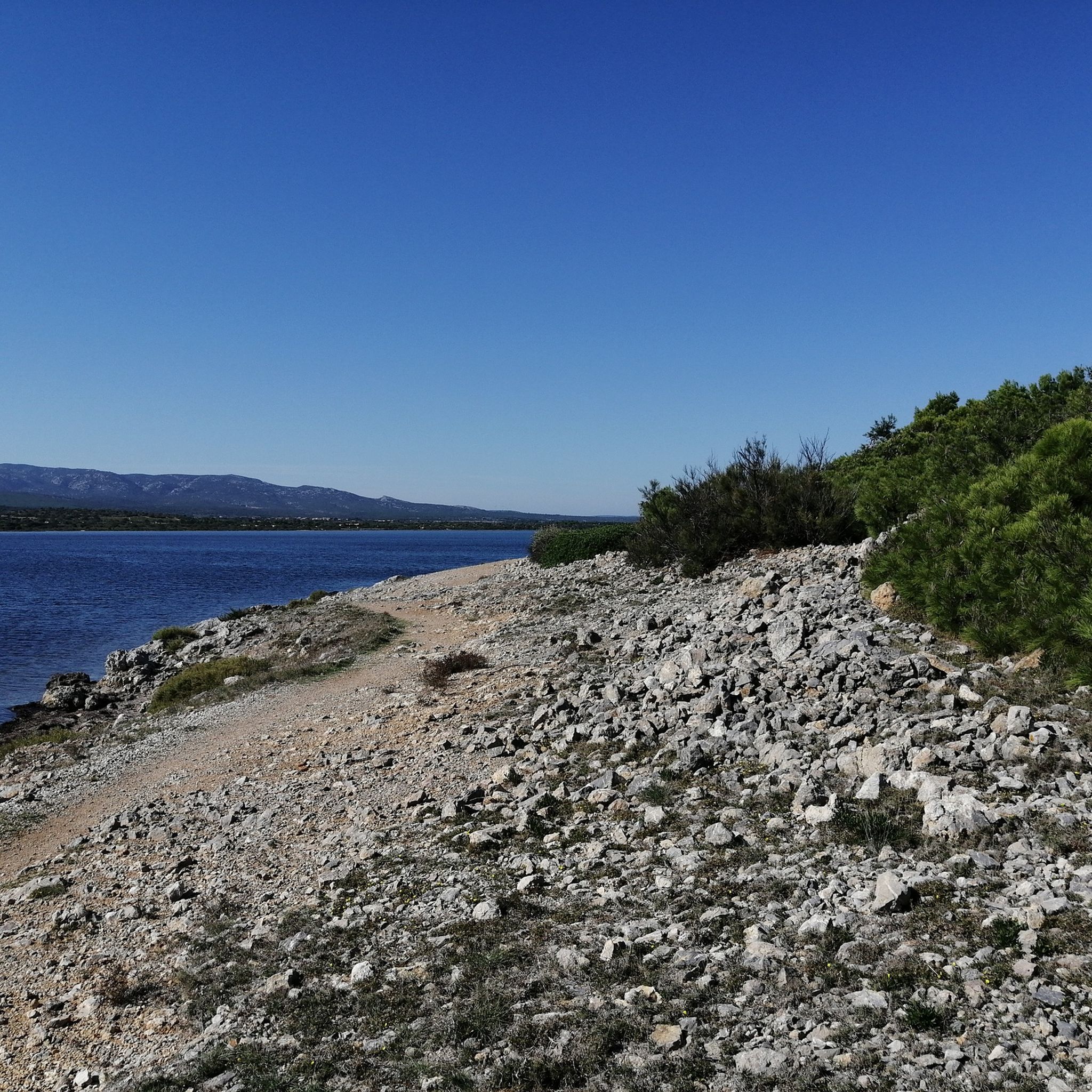
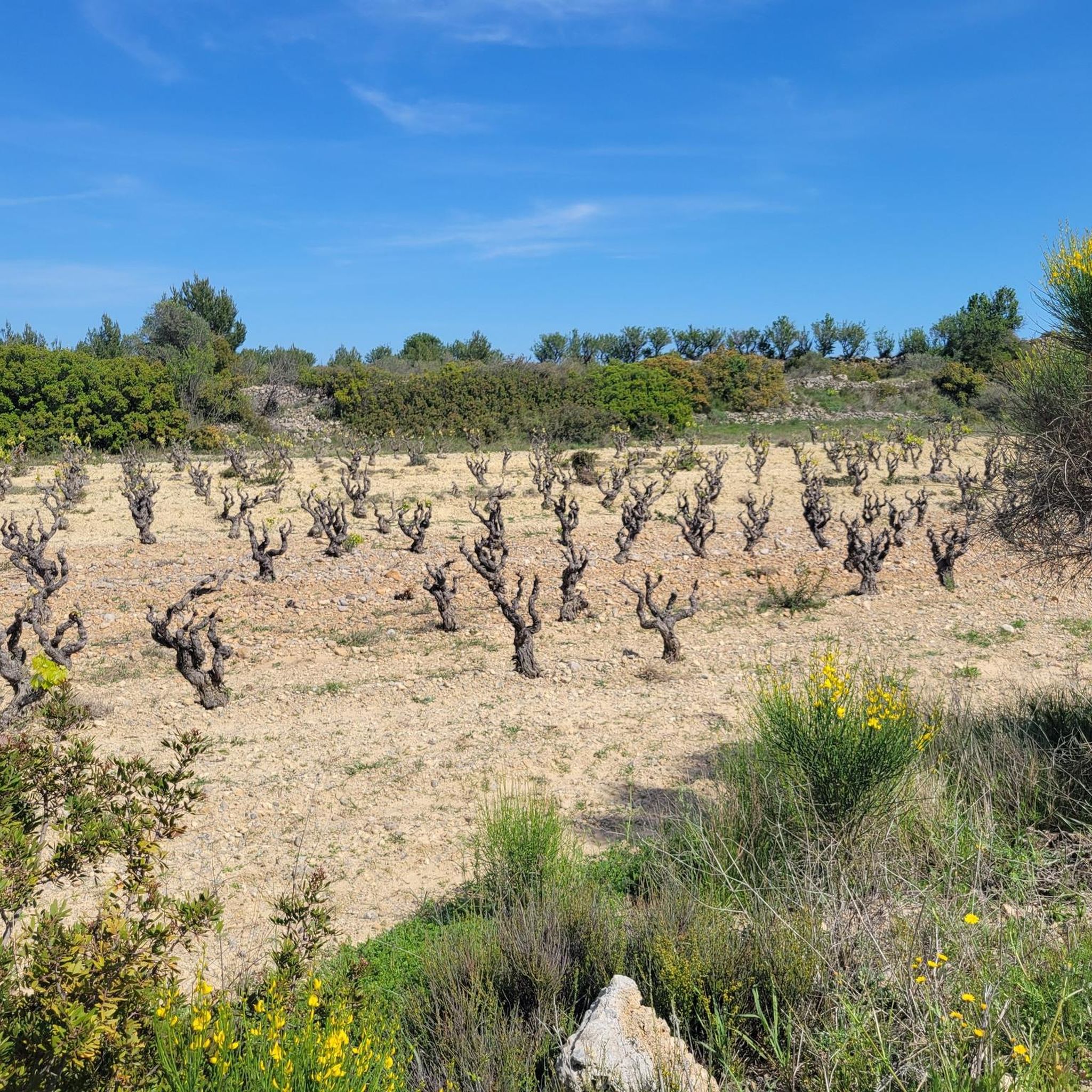
Mountain biking around Leucate offers diverse terrain, situated between the Mediterranean Sea, the Leucate Pond, and a limestone plateau. The region features a mix of technical and stony paths, as well as vineyard tracks and pine forests. Riders can explore coastal cliffs, saltwater lagoons, and areas characterized by scrubland and olive trees.
Best mountain bike trails in Leucate
- The most popular mountain bike trail is Leucate Lighthouse – View of Leucate loop from Leucate, a 19.1 miles (30.7 km) trail that takes 2 hours 1 minute to complete. This route offers scenic views around the Leucate Lighthouse.
- Another top favourite among local mountain bikers is Leucate Lighthouse – Le Grau de Leucate loop from Leucate-La Franqui, a moderate 22.9 miles (36.8 km) path. It provides varied terrain with views of the coastline and the pond.
- Local mountain bikers also love the Leucate Castle – Le Grau de Leucate loop from Leucate, a 18.2 miles (29.4 km) trail leading through the Leucate Plateau and towards the coast, often completed in about 1 hour 48 minutes.
- Mountain biking around Leucate is defined by its limestone plateau, Mediterranean coastline, and the Leucate Pond. The network offers options for all skill levels, from easy rides to more challenging technical trails.
- The routes in Leucate are highly rated by the komoot community with an average score of 4.4 stars from over 350 reviews. More than 1800 mountain bikers have used komoot to explore Leucate's varied terrain.
Last updated: July 4, 2026
4.4
(61)
302
riders
30.7km
02:01
230m
230m
Moderate mountain bike ride. Good fitness required. Suitable for all skill levels.
4.6
(45)
235
riders
35.4km
02:03
160m
160m
Moderate mountain bike ride. Good fitness required. Suitable for all skill levels.

Sign up for free
4.3
(33)
100
riders
57.1km
03:29
320m
320m
Moderate mountain bike ride. Good fitness required. Suitable for all skill levels.
4.0
(5)
23
riders
41.8km
03:20
530m
530m
Moderate mountain bike ride. Good fitness required. Advanced riding skills necessary.
4.1
(33)
148
riders
27.1km
01:40
100m
100m
Easy mountain bike ride. Great for any fitness level. Suitable for all skill levels.
Get access to more routes and recommendations from other explorers.
Sign up for free
Already have an account?
Our route recommendations are based on thousands of hikes, rides, and runs completed by other people on komoot.
Start today with a free account
Your next adventure awaits.
Login or Signup

Other adventures around Leucate

Tips from the Community

Anyone familiar with oysters knows that they can have very different flavors, depending not only on the subspecies but also on their origin. The Pacific rock oyster, which is the most common in Europe after the European oyster largely became extinct, tastes different on the French Atlantic coast, for example, than in Ireland or Scotland. Oysters from the European Atlantic share a relatively high salt and mineral content. Oysters from the Mediterranean, on the other hand, are somewhat milder and have a spicy aftertaste, similar to the "Blue Point" oyster from the US East Coast. The restaurant is irrelevant; it's all about the oyster itself, and of course, the price, which is outrageously high in Germany, for example. Personally, I prefer Breton and Norman oysters because they are distinctive and meaty.
0
0

The history of the fort dates back to the Middle Ages, when Leucate became a border town, bordering two kingdoms. This castle was the counterpart to that of Salses, on the Spanish side. Numerous events punctuated its history, including repeated episodes of war and several memorable sieges. The most famous is undoubtedly that of 1590, during which Françoise de Cézelly earned her heroic status thanks to her heroic resistance. The fort's architecture has undergone several variations. The first, from the Middle Ages (12th and 13th centuries), was very rudimentary, with a keep originally made of wood, then quickly rebuilt in stone, and a simple manor house, which were more or less sufficient to withstand the weapons of the time. A second stone wall was built during the 13th century, taking into account the growing strategic importance of the place. It was during the Renaissance (early 16th century) that Leucate Castle underwent its greatest evolution. This was partly necessitated by the damage caused by the siege of 1590. It employed a concept that was avant-garde for the time: bastioned enclosures, devised by a handful of Italian architects, including Leonardo da Vinci. The goal was to adapt fortresses to advances in artillery. This technique would reach its peak some 150 years later with the "Vauban-style" fortresses, characterized by their star-shaped shape. It has recently been revealed that Leucate Castle was the first prototype built in Europe using this principle. The signing of the Treaty of the Pyrenees in 1659 by King Louis XIV definitively put an end to the border problems with Spain. At the same time, the castle's strategic value disappeared. As it was costly to maintain, first to the Province and then to the Crown, it was decided to destroy it outright. The concept of heritage was obviously nonexistent at the time. The project was awarded to a mason from Narbonne, who was given access to the gunpowder stored in the fortress's casemates. By 1665, the project was completed, and Leucate Castle had taken on the appearance it has today. The building was listed as a historic monument in 2006 (Wikipedia)
0
0

It was built between 1497 and 1502 in the Principality of Catalonia by the Catalan King Ferdinand II of Aragon. The fortress guarded the Catalan side of the border with France. France conquered this fortress in 1642. After the Treaty of the Pyrenees, the fortress became part of France.
1
0


Nice cycle path!
0
0

At the Cap Leucate lighthouse (Phare du Cap Leucate) you can take a lovely walk with a view of the sea.
4
1
Frequently Asked Questions
How many mountain bike trails are available in Leucate?
There are nearly 60 mountain bike trails around Leucate listed on komoot. These routes offer a diverse range of experiences, from coastal paths to vineyard tracks and technical trails on the plateau.
Are there mountain bike trails suitable for beginners or families in Leucate?
Yes, Leucate offers a good selection of easier routes. Out of the nearly 60 trails, 27 are rated as easy, making them suitable for beginners or family outings. An example of an easy route is the Leucate Castle – Le Grau de Leucate loop from Leucate, which takes you through the Leucate Plateau and towards the coast.
What kind of terrain can I expect on mountain bike trails in Leucate?
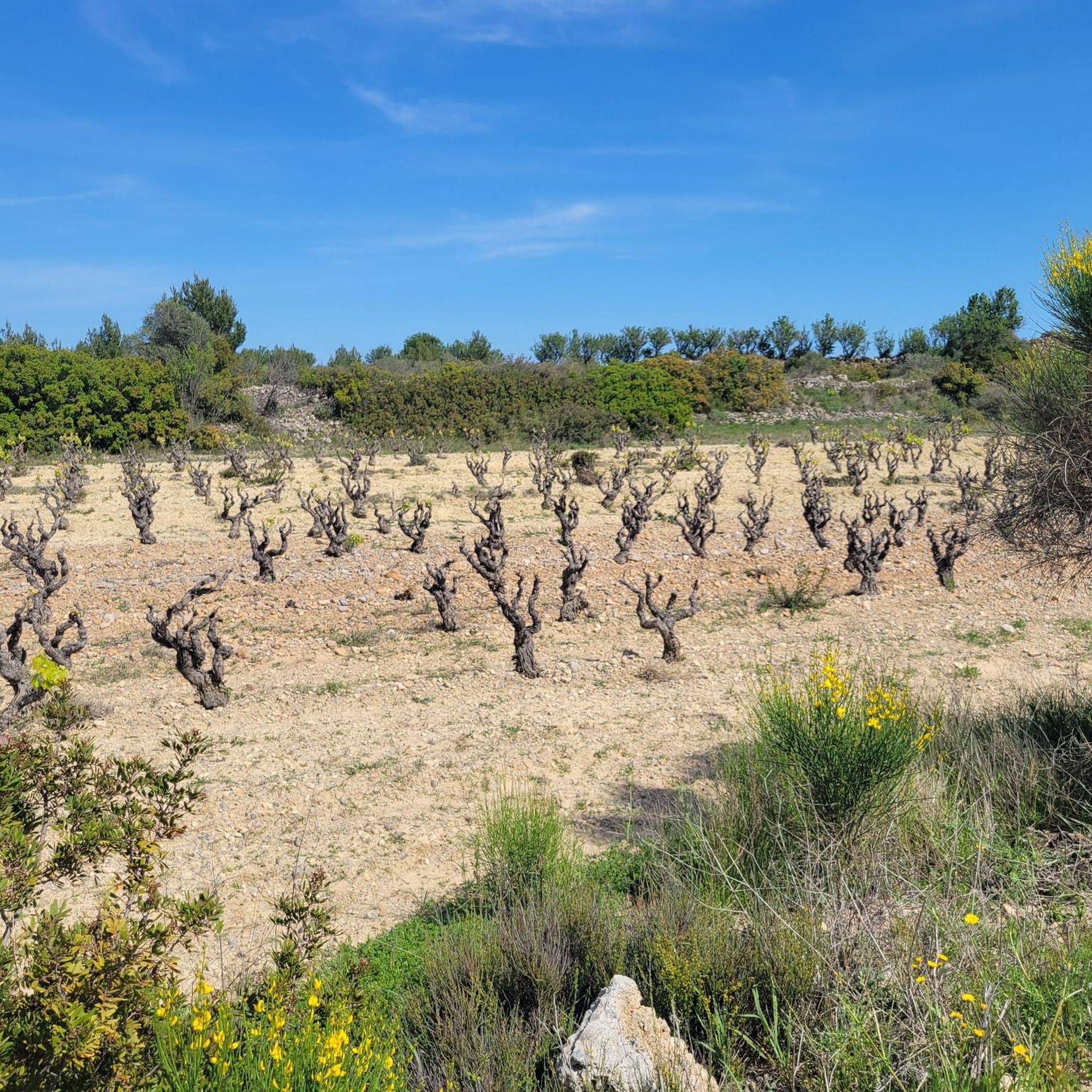
Leucate's mountain bike trails feature a diverse landscape, including technical and stony paths, pleasant vineyard tracks, and routes through pine forests. You'll encounter coastal cliffs, saltwater lagoons like the Leucate Pond, and areas characterized by scrubland and olive trees on the limestone plateau.
Are there any long-distance mountain bike routes in Leucate?
Yes, there are several longer routes for those seeking a more extensive ride. For example, the Le Grau de Leucate – Salses Fortress loop from Leucate-La Franqui covers nearly 58 km and takes around 3.5 hours to complete, offering significant elevation changes and varied scenery.
What are some scenic viewpoints or attractions along the mountain bike trails?
Many trails offer stunning views of the Mediterranean coastline, the Leucate Pond, and the distant Corbières and Canigou mountains. You can also pass by landmarks such as the Cap Leucate Lighthouse, the Grau de Leucate Oyster Village, or even the historic Salses Fortress on some longer routes.
Can I find circular mountain bike routes in Leucate?
Yes, many of the mountain bike trails in Leucate are designed as loops, allowing you to start and finish at the same point. Popular examples include the Leucate Lighthouse – View of Leucate loop from Leucate and the Leucate Lighthouse – Le Grau de Leucate loop from Leucate-La Franqui.
What do other mountain bikers enjoy most about mountain biking in Leucate?
The area is highly rated by the komoot community, with an average score of 4.4 stars from over 350 reviews. Reviewers often praise the diverse terrain, the stunning coastal and pond views, and the variety of routes suitable for different skill levels.
Are there options for e-mountain biking in Leucate?
Yes, e-mountain biking is a popular way to explore the varied landscapes of Leucate. E-MTB tours are available, offering adapted routes for different fitness levels, allowing riders to enjoy gentle climbs and playful descents around areas like the Leucate Pond.
Where can I rent a bike or e-bike in Leucate?
Bike and e-bike rentals are available in Leucate, providing a convenient way to explore the region's cycle paths, pine forests, coastal trails, or cliff-top routes. For more information on rentals, you can check local resources like tourisme-leucate.com.
What is the best time of year to go mountain biking in Leucate?
Leucate's Mediterranean climate makes it suitable for mountain biking for much of the year. Spring and autumn generally offer the most pleasant temperatures for riding. Even in winter, many trails remain accessible, providing a milder alternative to other regions.
Are there any mountain bike trails that pass by the Leucate Pond?
Yes, several trails offer views of or run alongside the large saltwater Leucate Lagoon (Etang de Leucate). These routes provide unique 'feet in the water' experiences and opportunities for birdwatching, as the pond is home to various bird species, including pink flamingos.
What are the starting points for mountain bike trails in Leucate?
Many trails start directly from Leucate or nearby towns like Leucate-La Franqui. You'll find routes originating from various points, often with convenient access to the diverse landscapes of the region, including the coast, the plateau, and the pond.
Most popular attractions around Leucate

Get inspired with the komoot mobile app


Explore more
Browse the best MTB trails in other regions.
