The best cycling routes around Rou-Marson
4.4
(1112)
7,425
riders
265
rides
Touring cycling routes around Rou-Marson are situated within the Maine-et-Loire department of France, offering diverse landscapes for cyclists. The region is characterized by its integration into the Loire Valley, a UNESCO World Heritage site, and the Loire-Anjou-Touraine Regional Natural Park. Cyclists can expect routes along the Loire River, through vineyards, and past wetlands and woods, with terrain often flat, particularly near the river.
Best touring cycling routes around Rou-Marson
- The most popular touring cycling route is Château de Saumur –…
Last updated: July 6, 2026
4.8
(4)
21
riders
43.8km
02:41
310m
310m
Moderate bike ride. Good fitness required. Mostly paved surfaces. Suitable for all skill levels.
12
riders
42.2km
03:26
440m
440m
Moderate bike ride. Good fitness required. Mostly paved surfaces. Suitable for all skill levels.

Sign up for free
5.0
(1)
10
riders
Moderate bike ride. Good fitness required. Mostly paved surfaces. Suitable for all skill levels.
4.7
(7)
60
riders
46.8km
02:55
340m
340m
Moderate bike ride. Good fitness required. Mostly paved surfaces. Suitable for all skill levels.
9
riders
33.5km
02:00
240m
240m
Moderate bike ride. Good fitness required. Mostly paved surfaces. Suitable for all skill levels.
Get access to more routes and recommendations from other explorers.
Sign up for free
Already have an account?
Our route recommendations are based on thousands of hikes, rides, and runs completed by other people on komoot.
Start today with a free account
Your next adventure awaits.
Login or Signup

Tips from the Community

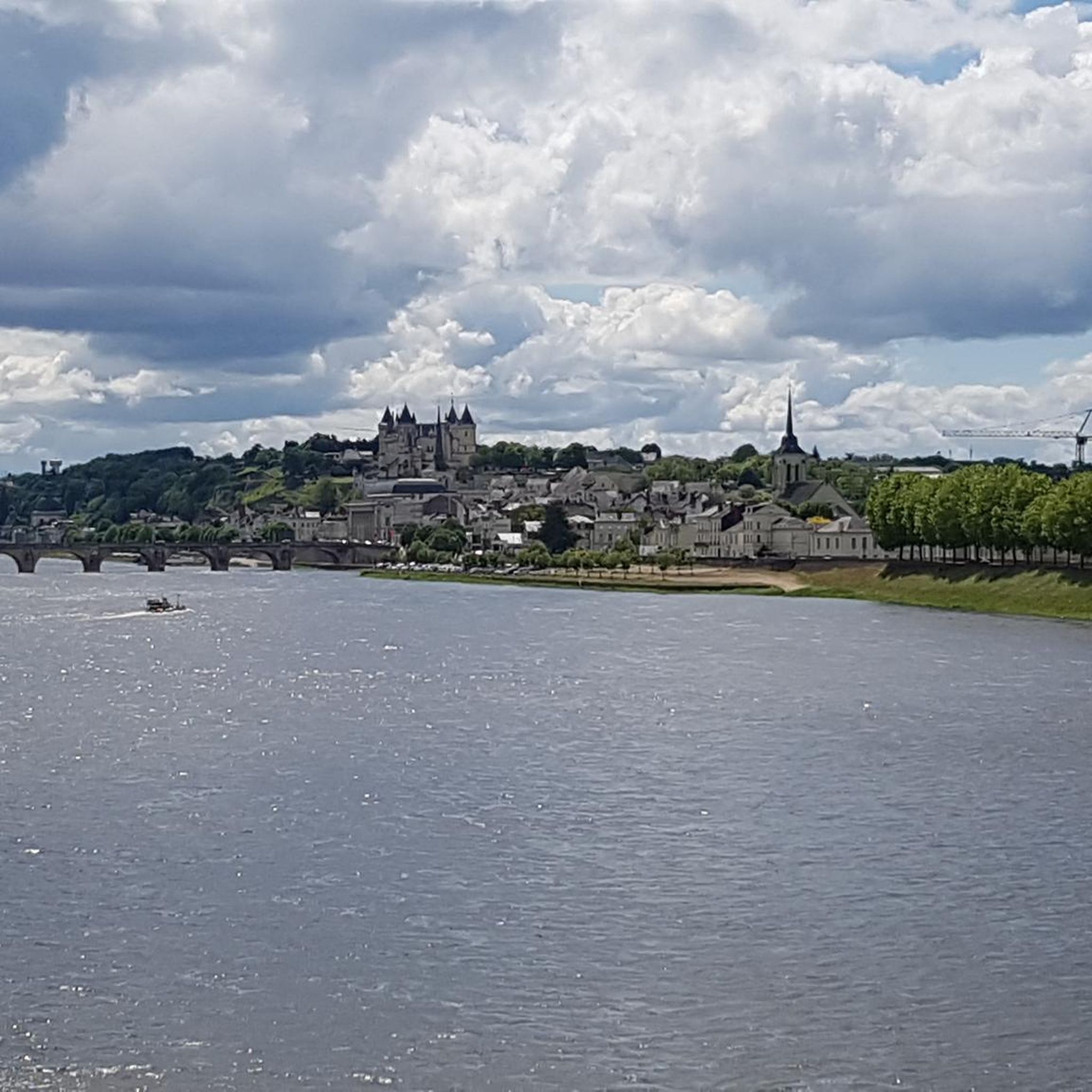
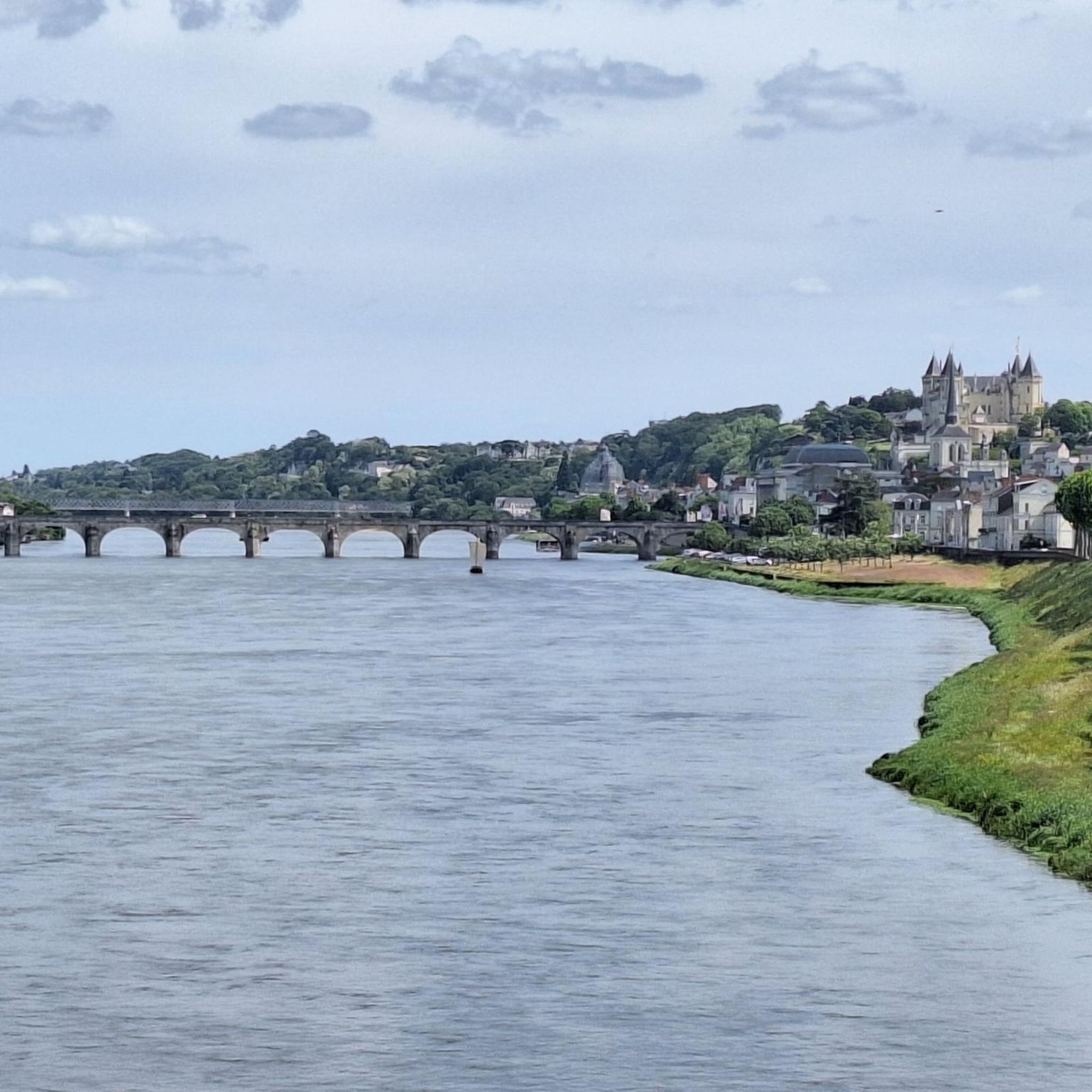
The fortified building, built in the 16th century on the banks of the Loire, probably on the foundations of a pre-existing structure, was an integral part of the city's fortifications. This building has served as the city's administrative building since 1508, when Guillaume Bourneau, Sieur de Montaglan, Lieutenant General in Saumur, took office. Between 1856 and 1862, the building was expanded with a wing in the Neo-Gothic style, fashionable in the 19th century, designed by the architect Charles Joly-Leterme.
0
0

If you want to stay, or marriage use this link: https://chateaudemarson.fr/histoire/
0
0

The first stone was laid on 20 June 1864. As an architect with eclectic tastes, Joly-Leterme was inspired by the style of the Louis XVI period, which was contemporary with the hall he replaced. He borrowed in particular from the neoclassical colonnades of the Grand Théâtre de Bordeaux and the Madeleine in Paris. On the left, the colonnade overlooking the Loire has a rather successful disappearing effect; the monument is not rectangular, but narrows towards the east. The hall opens onto the Place de la Bilange, which it dominates with its monumental proportions. The eastern façade, dedicated to the musicians and the entrance for the artists, has a more intimate appearance. It is narrower, with five instead of seven arches. This façade has often changed in appearance. The hall is in the "Italian style", a type of hall that was fashionable during the Second Empire. Large reception areas are planned: a grand staircase overlooking the Place de la Bilange, a spacious foyer on the first floor, a wide peristyle accessible to all, and galleries on the upper floor providing access to numerous rooms. In the middle, the concert hall is reduced to a small, high space. The stage, of good dimensions, has been rebuilt several times. The red-gold tones of the hall, restored in 1963, have come to life. Source: https://www.ville-saumur.fr/patrimoine-architectural/le-theatre-2
3
0
Collégiale Saint-Denis is an old church, built between approximately 1180 and 1200. The church gradually fell into disrepair over time and various conflicts, especially in the 14th and 16th centuries. The canons did not have enough income to restore the church. The parish of the collegiate church was dissolved in 1806, abandoned, and then used as a quarry for the inhabitants. To prevent its complete destruction, the city of Doué-la-Fontaine bought the dilapidated building, which is why it was classified as a historical monument in 1862
4
0
The Fête du Thoureil, a festival of Loire barges, is an Angevin tradition that takes place every year in spring on the banks of the Loire at Thoureil, in Maine-et-Loire, between Saumur and Angers. The programme includes barges and old Loire sailing ships, and Loire festivities. It is considered the first festival of Loire barges between Nantes and Tours.
5
0
The Fête du Thoureil, a festival of Loire barges, is an Angevin tradition that takes place every year in spring on the banks of the Loire at Thoureil, in Maine-et-Loire, between Saumur and Angers. The programme includes barges and old Loire sailing ships, and Loire festivities. It is considered the first festival of Loire barges between Nantes and Tours.
5
0
The Fête du Thoureil, a festival of Loire barges, is an Angevin tradition that takes place every year in spring on the banks of the Loire at Thoureil, in Maine-et-Loire, between Saumur and Angers. The programme includes barges and old Loire sailing ships, and Loire festivities. It is considered the first festival of Loire barges between Nantes and Tours.
5
0
Nice view of the moored boats. Definitely worth a stop to capture a nice memory.
5
0
Frequently Asked Questions
How many touring cycling routes are available in Rou-Marson?
There are over 260 touring cycling routes around Rou-Marson, offering a wide variety of options for different skill levels and preferences. These routes are highly rated by the komoot community, with an average score of 4.4 stars from over 1,200 reviews.
What kind of landscapes can I expect to see while touring cycling around Rou-Marson?
Touring cycling around Rou-Marson offers a rich mix of landscapes. You'll find tranquil forest trails, scenic riverside paths along the Loire, routes winding through prestigious vineyards, and charming village roads. The region is part of the Loire-Anjou-Touraine Regional Natural Park, ensuring preserved natural settings with diverse flora and fauna, including wetlands and woods.
Are there any historical landmarks or attractions along the cycling routes?
Yes, many routes incorporate historical landmarks. You can cycle past the impressive Château de Saumur, the Neo-Renaissance Marson Castle, and charming Romanesque churches like Saint-Sulpice and Sainte-Croix. The area also features unique troglodyte dwellings, such as the Souzay-Champigny troglodyte site, offering a glimpse into the region's ancient history.
Are there easy touring cycling routes suitable for beginners or families?
Absolutely. Rou-Marson offers 96 easy touring cycling routes, many of which are relatively flat, especially along the Loire River. An excellent option for a relaxed ride is the Marson Castle loop from Rou-Marson, an 11.0-mile (17.7 km) trail that takes about an hour to complete and passes by Marson Castle.
What are some more challenging touring cycling routes in the area?
For those seeking a greater challenge, there are 48 difficult routes available. A notable option is the Rue des Bords de Loire – Marson Castle loop from Les Ulmes. This 32.5-mile (52.3 km) path features significant elevation changes and offers extensive riverside scenery along the Loire and views of Marson Castle.
Can I find circular touring cycling routes around Rou-Marson?
Yes, many of the touring cycling routes around Rou-Marson are designed as loops, allowing you to start and end at the same point. Examples include the Château de Saumur – Saumur loop from Les Ulmes and the Long Forest Trail loop from Les Ulmes, providing convenient options for exploration.
What is the best time of year for touring cycling in Rou-Marson?
The Loire Valley generally offers pleasant cycling conditions from spring through autumn. Spring brings blooming landscapes and mild temperatures, while autumn provides beautiful fall colors and harvest activities in the vineyards. Summer is also popular, but it can be warmer, so early morning or late afternoon rides are often preferred.
Is Rou-Marson suitable for touring cyclists with dogs?
While specific dog policies vary by route and natural area, many outdoor trails in the Rou-Marson region, particularly those through woods and along less crowded paths, can be enjoyed with a well-behaved dog on a leash. Always check local regulations for specific natural parks or protected areas you plan to visit.
Where can I park my car when starting a touring cycling route in Rou-Marson?
Parking is generally available in and around Rou-Marson, especially in larger towns like Saumur, which is just 7 km away. Many routes start from villages or designated parking areas. For specific routes, checking the route details on komoot often provides information on recommended starting points and parking facilities.
Is public transport available for cyclists with bikes in the Rou-Marson area?
The Loire Valley region, including areas near Rou-Marson and Saumur, is generally bike-friendly. Regional trains (TER) often allow bikes, though it's advisable to check specific train lines and times for bike carriage policies, especially during peak seasons. Some local bus services might also accommodate bikes, but this varies.
What do other touring cyclists say about the routes in Rou-Marson?
The touring cycling routes in Rou-Marson are highly rated by the komoot community, with an average score of 4.4 stars. Reviewers often praise the diverse scenery, including riverside paths and vineyards, the well-maintained surfaces suitable for touring bikes, and the opportunities to explore historical sites like castles and charming villages.
Are there opportunities to see wildlife on touring cycling routes?
Yes, particularly within the Loire-Anjou-Touraine Regional Natural Park and around natural features like Marson Pond and its wetlands. These areas are rich in biodiversity, home to various animal and plant species. Cycling through the woods and moors of Marson also offers a chance to observe local wildlife in a preserved natural setting.
Are there places to eat or stay along the touring cycling routes?
The region is dotted with charming villages and towns, including Saumur, which offer a variety of cafes, restaurants, and accommodation options. Many routes pass through or near these settlements, providing convenient stops for refreshments or overnight stays. Cycling through vineyards also presents opportunities for wine tasting.
Are there any specific permits required for cycling in the Loire Valley?
Generally, no specific permits are required for touring cycling on public roads and designated cycling paths in the Loire Valley, including the 'Loire à Vélo' network. However, if you plan to cycle through private estates or certain protected natural reserves, it's always best to check for any specific access rules or requirements.
Most popular routes around Rou-Marson
Most popular attractions around Rou-Marson

Get inspired with the komoot mobile app


Explore more
Browse the best Cycling routes in other regions.
