Attractions and Places To See around Le Perthus - Top 20
Best attractions and places to see around Le Perthus is a border town situated between France and Spain in the Pyrénées-Orientales department. This region offers a mix of historical significance and natural landscapes. Visitors can explore ancient sites, enjoy scenic hikes within the Albères massif, and experience the cultural crossover of two nations. The area is known for its strategic position, offering insights into past military architecture and border defense.
Best attractions and places to see around Le Perthus
- The…
Last updated: July 6, 2026
Puig Neulós
Highlight • Summit
Translated by Google •
Tip by

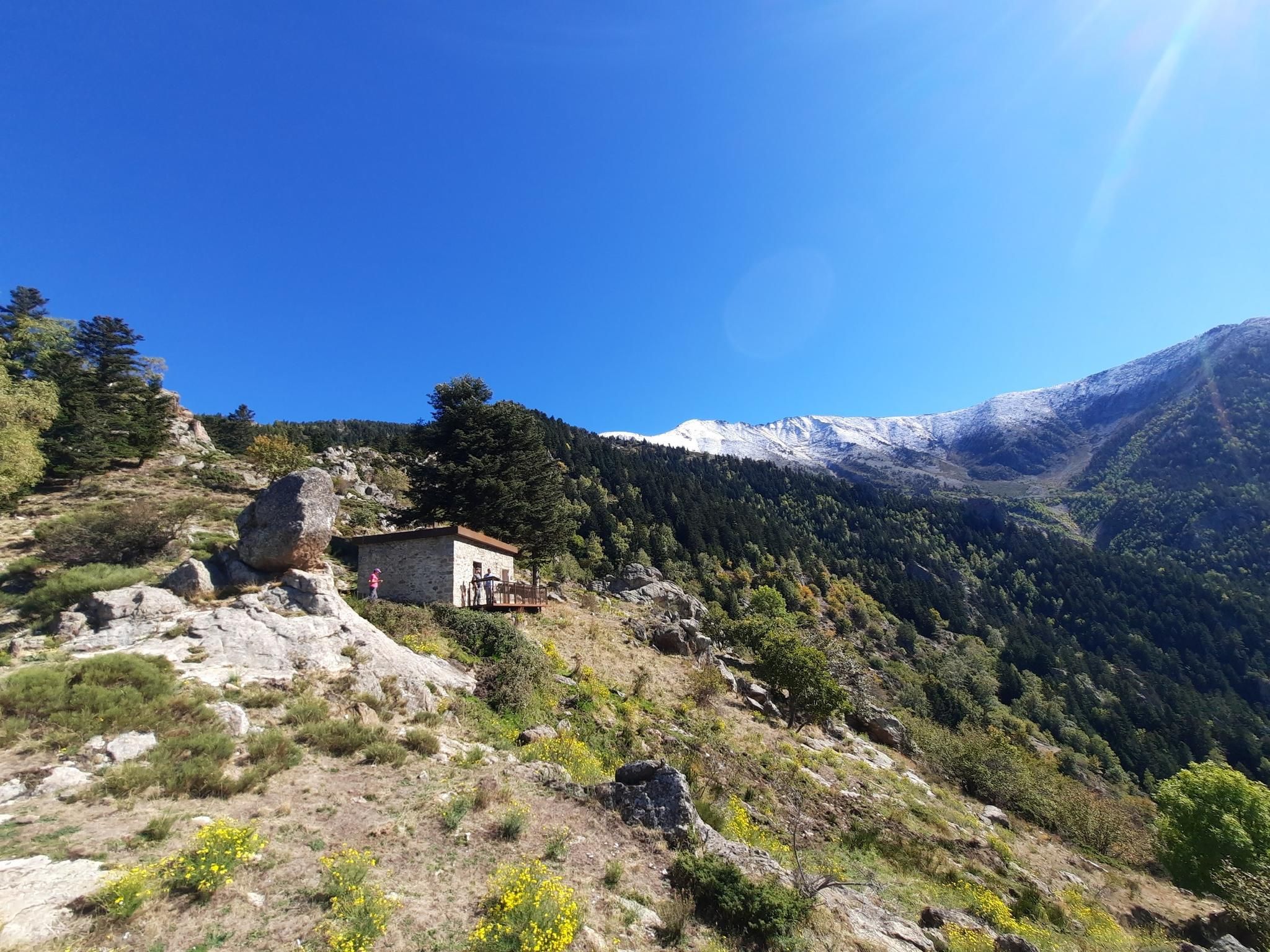
Chalet of the Albère
Highlight • Other
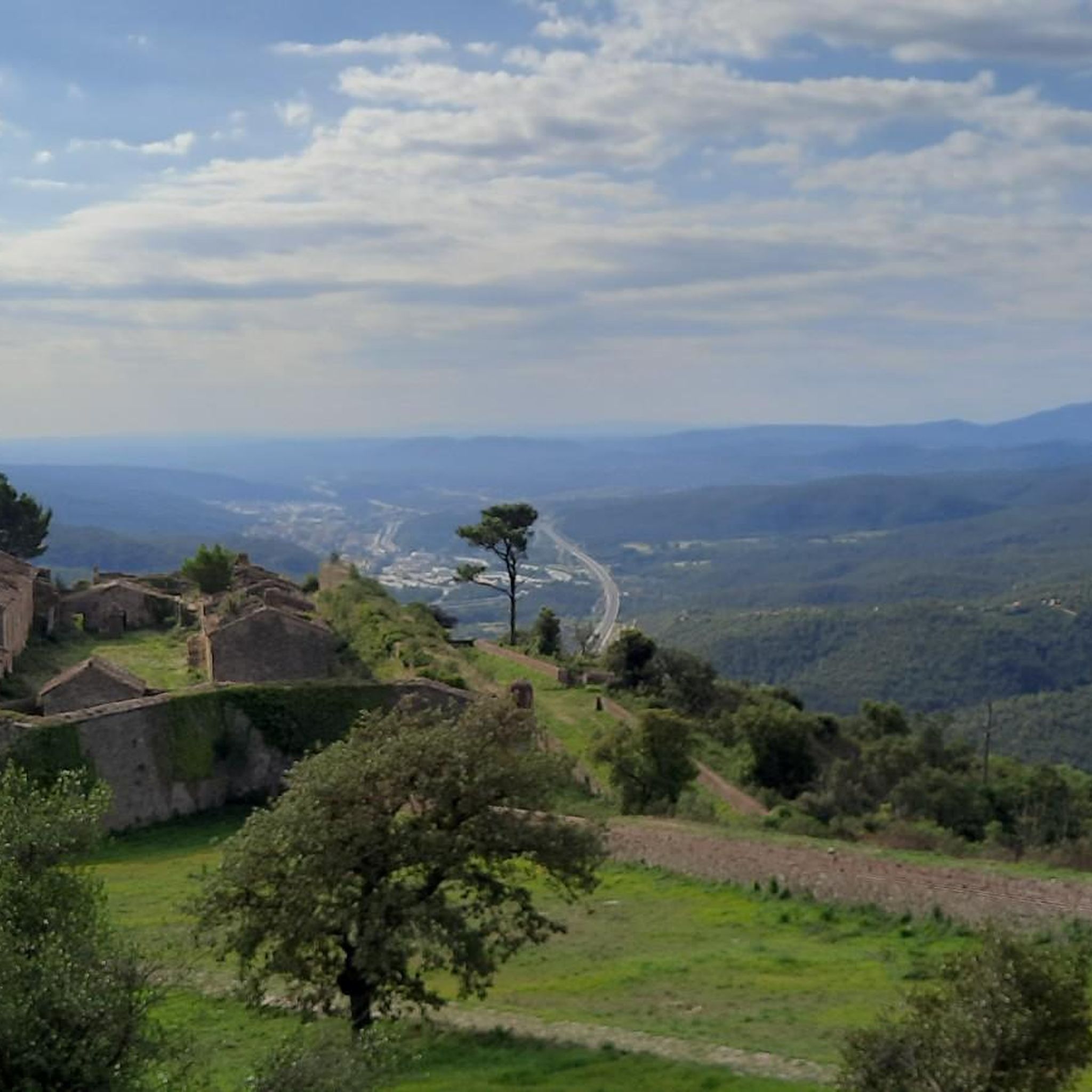
Its privileged location at the Col de l'Ouillat offers a breathtaking setting and panoramic view.
Translated by Google •
Tip by

Sign up now to discover places like this
Get recommendations on the best single tracks, peaks, & plenty of other exciting outdoor places.
Sign up for free
Devil's bridge
Highlight • Bridge
Translated by Google •
Tip by

Douglas DC-6 crash site (1986)
Highlight • Monument
Translated by Google •
Tip by

Puig Saint-Christau Summit
Highlight • Summit
Translated by Google •
Tip by
Sign up for free to discover even more attractions around Le Perthus.
Sign up for free
Already have an account?
Start today with a free account
Your next adventure awaits.
Login or Signup

Other adventures around Le Perthus

Tips from the Community

It is possible to do it with a mountain bike or gravel bike starting either from Villeneuve or from Montesquieu or from Boulou
0
1

In a movie they always just make it to the top, how unlucky this crew was, so close to the top and just missing out.
6
0

The Tech River rises in the Canigou massif in the Pyrénées-Orientales, France, at an altitude of around 2,500 metres. It runs for approximately 84 km through the Vallespir and Roussillon, passing through towns such as Prats-de-Mollo, Céret and Le Boulou, before flowing into the Mediterranean Sea near Argelès-sur-Mer. The Tech is a Mediterranean river, with irregular flows that depend on seasonal rainfall and snowmelt. It is essential for agricultural irrigation and the ecosystem of the region.
1
0
It spans the Tech River and has become a symbol of both the city and medieval engineering. It was built in the early 14th century, between 1321 and 1341, and is one of the finest examples of medieval architecture in the region. In its time, it was considered a masterpiece of engineering.
1
0
Pont du Diable, a single arch of 45 metres, standing out for its age and grandeur.
1
0
The refuge is surrounded by lush nature, with beech and oak forests, and is an excellent place to observe the local fauna and flora. It is also a strategic point for those who wish to explore the biodiversity and natural heritage of the Albera mountain range.
1
0
The refuge can be reached on foot from various points in the region, and is accessible via several hiking trails that cross the forests and hills of the Albera. It is a starting or resting point for those exploring the Puig Neulós or hiking through the Eastern Pyrenees.
1
0
The shelter offers basic accommodation, with bunk beds and essential services for hikers. It is an ideal place to rest during long hiking routes. It also has a kitchen and a dining room where visitors can prepare their meals.
1
0
Frequently Asked Questions
What natural features and viewpoints can I explore around Le Perthus?
The region offers stunning natural beauty and panoramic views. You can visit Puig Neulós, the highest point of the Albères massif, which provides an impressive panorama over Roselló and Alt Empordà. Another excellent spot is Puig Saint-Christau Summit, offering views of Canigou and the sea. The Col de l'Ouillat is also a favored spot for scenic viewpoints and a refuge from summer heat.
Are there any significant historical sites or landmarks in the Le Perthus area?
Yes, Le Perthus is rich in history due to its border location. You can explore the impressive 17th-century Fort de Bellegarde, designed by Vauban, which offers insights into past military architecture. The Panissars Site at Col de Panissars features remains of the ancient Roman road Via Domitia and vestiges of the Trophy of Pompey. Additionally, the Devil's bridge, a masterpiece of medieval engineering, spans the Tech River.
What kind of outdoor activities, like hiking or cycling, are available near Le Perthus?
Le Perthus is a great starting point for various outdoor activities. You can find numerous hiking trails that offer panoramic views, often passing by historical military buildings and Roman sites. For cycling enthusiasts, there are several road cycling routes, including challenging climbs like 'The climb of Puig Neulós'. Gravel biking and running trails are also available, with options like the 'Ullat Pass – Chalet of the Albère loop' for runners. You can find more details on these activities in the Road Cycling Routes, Running Trails, and Gravel Biking guides around Le Perthus.
Are there any family-friendly attractions or activities in Le Perthus?
While specific 'family-friendly' categories aren't listed for all attractions, many of the natural and historical sites can be enjoyed by families. Easy hiking trails, such as those leading to the Col de l'Ouillat, offer pleasant walks. The Puig Saint-Christau Summit hike is described as a nice and shaded hike for 2/3 of the way, perfect for a family outing, though the summit itself is more rocky.
What is the best time of year to visit Le Perthus for outdoor activities?
The region is generally pleasant for outdoor activities. Spring and autumn offer milder temperatures ideal for hiking and cycling. Summer can be warm, but higher elevations like the Col de l'Ouillat provide respite from the heat. The Salt del Fito (Fito Waterfall) is particularly impressive after rain, suggesting that spring or early summer might be a good time to see it at its best.
What is the Douglas DC-6 crash site, and why is it significant?
The Douglas DC-6 crash site (1986) is a man-made monument and historical site. It serves as a somber reminder of a 1986 plane crash that occurred while the aircraft was attempting to put out a forest fire. The site pays tribute to the four crew members who lost their lives, and the wreckage remains as a memorial to their sacrifice.
Can I find places to eat or stay near hiking trails in Le Perthus?
Yes, for example, the Chalet of the Albère, located at the Col de l'Ouillat, serves as both a refuge and a restaurant. It's a great spot to refuel after a hike, offering local and simple cuisine with a breathtaking setting and panoramic view. It's advisable to book ahead or check their opening hours.
What makes Le Perthus a unique shopping destination?
Le Perthus, being a border town with Spain, is renowned for its bustling commercial atmosphere. Visitors are drawn to the wide array of shops offering duty-free alcohol, tobacco, cosmetics, perfumes, electronics, and Spanish local products, often at attractive prices. This cross-border shopping experience is a significant draw for many.
Are there any easy hiking trails suitable for beginners around Le Perthus?
While specific 'easy' trails are not detailed in the provided data, the region offers diverse landscapes. Trails around the Col de l'Ouillat are generally accessible and provide scenic views without extreme difficulty. When planning, look for routes with lower elevation gain and shorter distances, often found in the lower parts of the Albères massif.
How can I experience the cultural blend of France and Spain in Le Perthus?
Le Perthus itself is a prime example of the cultural crossover, with its unique position directly on the French-Spanish border. You can experience this blend through its dual language signs, the mix of French and Spanish goods in its shops, and by simply crossing the border to La Jonquera, its Spanish counterpart. The Pyramide de Bofill also marks this significant border, celebrating Spain's opening to the international network.
Are there any dog-friendly walking routes in the Le Perthus area?
Many natural trails in the Albères massif are suitable for walks with dogs, provided they are kept on a leash and owners adhere to local regulations regarding waste. The numerous hiking trails offering panoramic views are generally open to well-behaved dogs. Always check specific trail signage for any restrictions.
What archaeological sites can I visit near Le Perthus?
The most notable archaeological site is the Panissars Site at the Col de Panissars. Here, you can explore the remains of the ancient Roman road, the Via Domitia, which was a crucial route in antiquity. The site also contains vestiges of the Trophy of Pompey and the former Sainte-Marie priory, offering a glimpse into millennia of history.
Most popular routes around Le Perthus
Most popular attractions around Le Perthus

Get inspired with the komoot mobile app


Explore more
Still not found the Highlight you’re looking for? See guides of the top attractions in other regions:
