Attractions and Places To See around Mireval - Top 20
Attractions and places to see around Mireval offer a blend of natural beauty, historical elements, and viticultural heritage. Situated between the Gardiole massif and the Mediterranean Sea, this Languedoc village provides scenic panoramas. Its name, meaning "which looks down on the valley," reflects the elevated views available.
Best attractions and places to see around Mireval
- The most popular attractions is Abbaye Saint Félix de Montceau, a religious building with ruins and a maintained garden. Many hiking or cycling tours…
Last updated: October 23, 2026
Between the Étang du Méjean and the Étang de l'Arnel
Highlight • Cycleway
Translated by Google •
Tip by

Rhone Kanal
Highlight • Cycleway
Translated by Google •
Tip by

Sign up now to discover places like this
Get recommendations on the best single tracks, peaks, & plenty of other exciting outdoor places.
Chemin du Pilou - between the Vic and Arnel ponds
Highlight (Segment) • Other
Showing Translation
Tip by

Porte de Maguelone
Highlight • Monument
Translated by Google •
Tip by

Canal du Rhône à Sète Between Palavas-les-Flots and Vic-la-Gardiole
Highlight • Cycleway
Translated by Google •
Tip by
Sign up for free to discover even more attractions around Mireval.
Already have an account?
Start today with a free account
Your next adventure awaits.
Tips from the Community

This monumental gate marks the entrance to the Maguelone estate, between the Rhône à Sète canal and the coastal ponds. Officially named "Portail de Maguelone", this monument is also commonly called "La Porte de Maguelone". Despite its appearance as an ancient gate, it is a 20th-century construction, erected following the conflict that opposed at the beginning of the century the owner of the estate, Frédéric Fabrège, to the municipality of Villeneuve-lès-Maguelone concerning a path giving access to the beach and the existence of a servitude right.
2
0
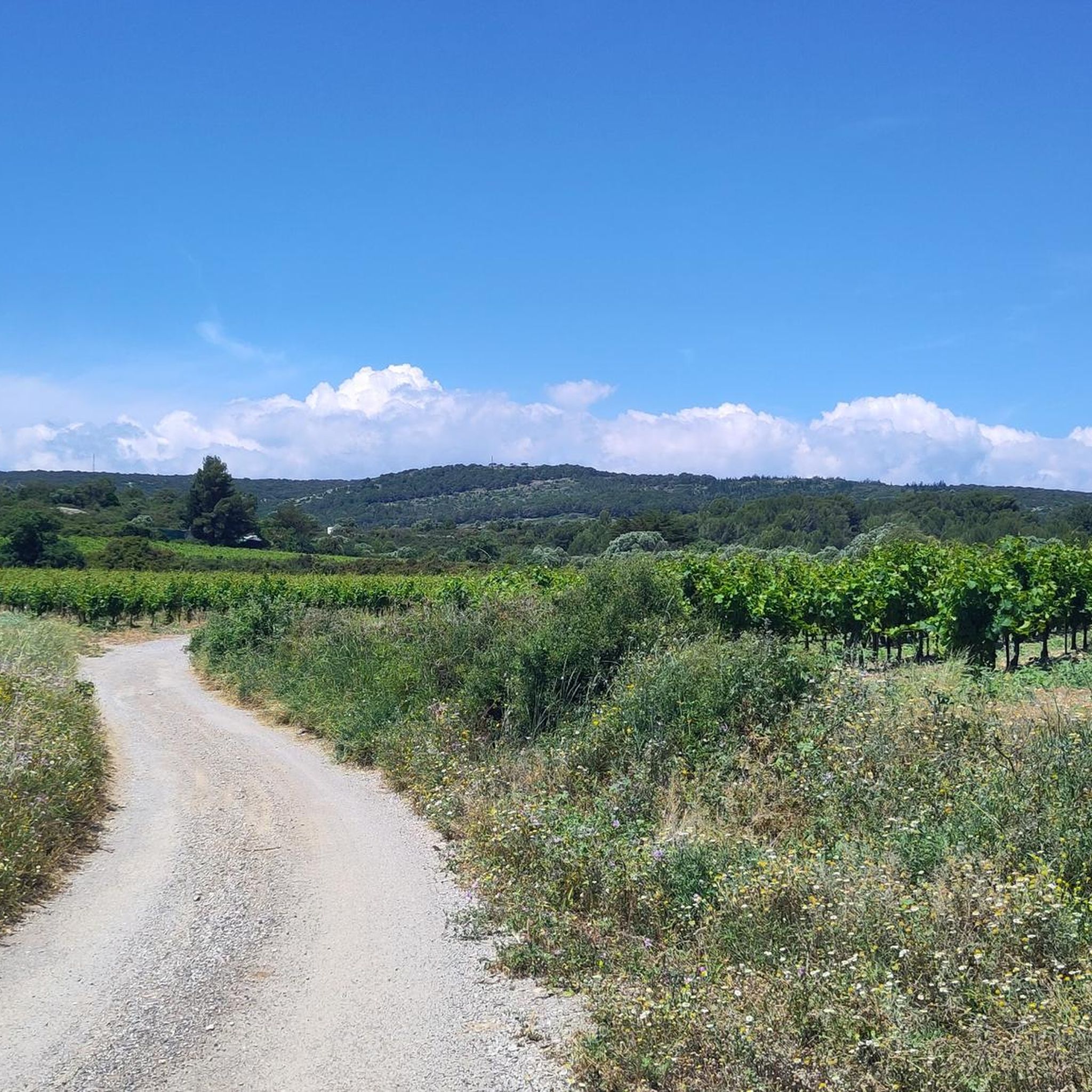
From Frontignan to Palavas-les-Flots, the route follows the Canal du Rhône à Sète through one of the large lagoon complexes on the Languedoc coast. After the Étang d'Ingril and the Aresquiers, the canal successively crosses or runs alongside the Étangs de Vic and de Pierre-Blanche, then passes between those of l'Arnel and du Prévost before reaching Palavas. The canal itself is a major historical element of this landscape. Its construction began in 1701 under the name Canal des Étangs, in order to ensure continuity between the Royal Canal of Languedoc – today the Canal du Midi – and the Rhône. The route, completed in 1829, passes through Frontignan, Maguelone and Palavas before joining Aigues-Mortes and then Beaucaire. In Frontignan, its opening in the 18th century profoundly modified the landscape: the canal notably separated the former Étang de Frontignan into two complexes, giving rise to the Étang d'Ingril and that of La Peyrade.
3
0
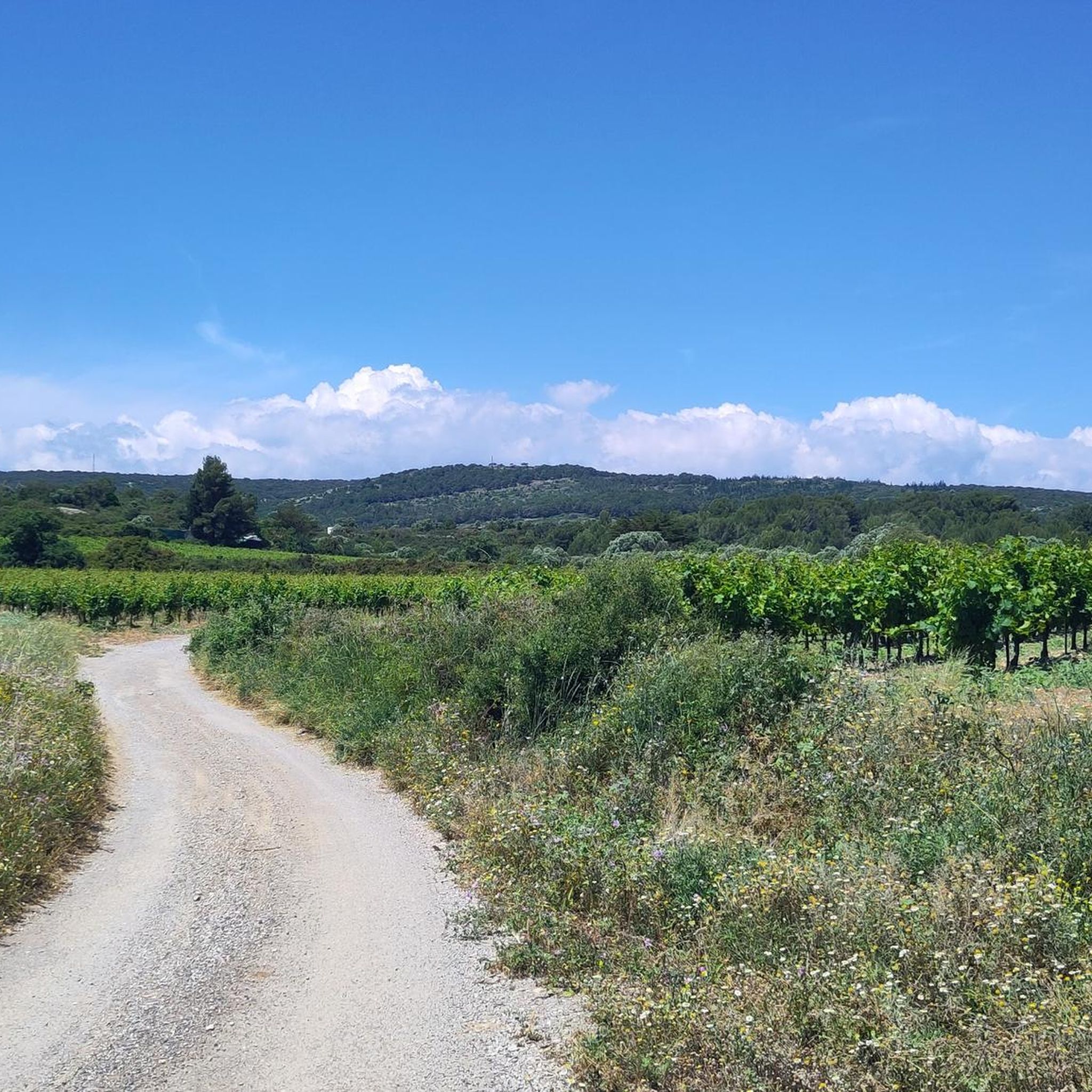
From Frontignan to Palavas-les-Flots, the route follows the Canal du Rhône à Sète through one of the large lagoon systems on the Languedoc coast. After the Étang d'Ingril and the Aresquiers, the canal successively crosses or runs alongside the Étang de Vic and Étang de Pierre-Blanche, then passes between the Étang de l'Arnel and Étang du Prévost before reaching Palavas. The canal itself is a major historical element of this landscape. Its construction began in 1701 under the name Canal des Étangs, in order to ensure continuity between the Royal Canal of Languedoc — today the Canal du Midi — and the Rhône. The route, completed in 1829, passes through Frontignan, Maguelone, and Palavas before reaching Aigues-Mortes and then Beaucaire. In Frontignan, its opening in the 18th century profoundly modified the landscape: the canal notably separated the former Étang de Frontignan into two parts, giving rise to the Étang d'Ingril and the Étang de La Peyrade.
3
0
From the locality of Le Pilou to the eponymous footbridge, this path takes us to the heart of the lagoon landscape of the Arnel pond. An area where human developments coexist with the characteristic environments of the Palavasian ponds: lagoon, sansouire (salt-tolerant vegetation) and halophytic vegetation. L’Arnel is today a protected natural area, integrated into the Natura 2000 network and the classified site of the Palavasian ponds. But the lagoon also bears the traces of a long history of exploitation: fishing, old salt pans and hydraulic developments have shaped this amphibious territory for several centuries.
3
0

The Porte de Maguelone is an ochre stone arch located at the entrance to the Villeneuve-lès-Maguelone peninsula. It symbolizes a historical conflict related to private property in the 19th century.
0
0
The étang du Méjean (also called étang de Pérols) is a protected natural site of over 600 hectares located in Lattes, just 8 kilometers south of Montpellier. Managed by the Conservatoire du littoral, this exceptional lagoon space offers a mosaic of preserved landscapes (marshes, reed beds, sansouïres) where you can easily observe pink flamingos, white storks, bulls, and Camargue horses.
0
0
L'étang de l'Arnel is a vast coastal lagoon located in the municipality of Villeneuve-lès-Maguelone, in the Hérault department, less than 20 km south of Montpellier.
0
0

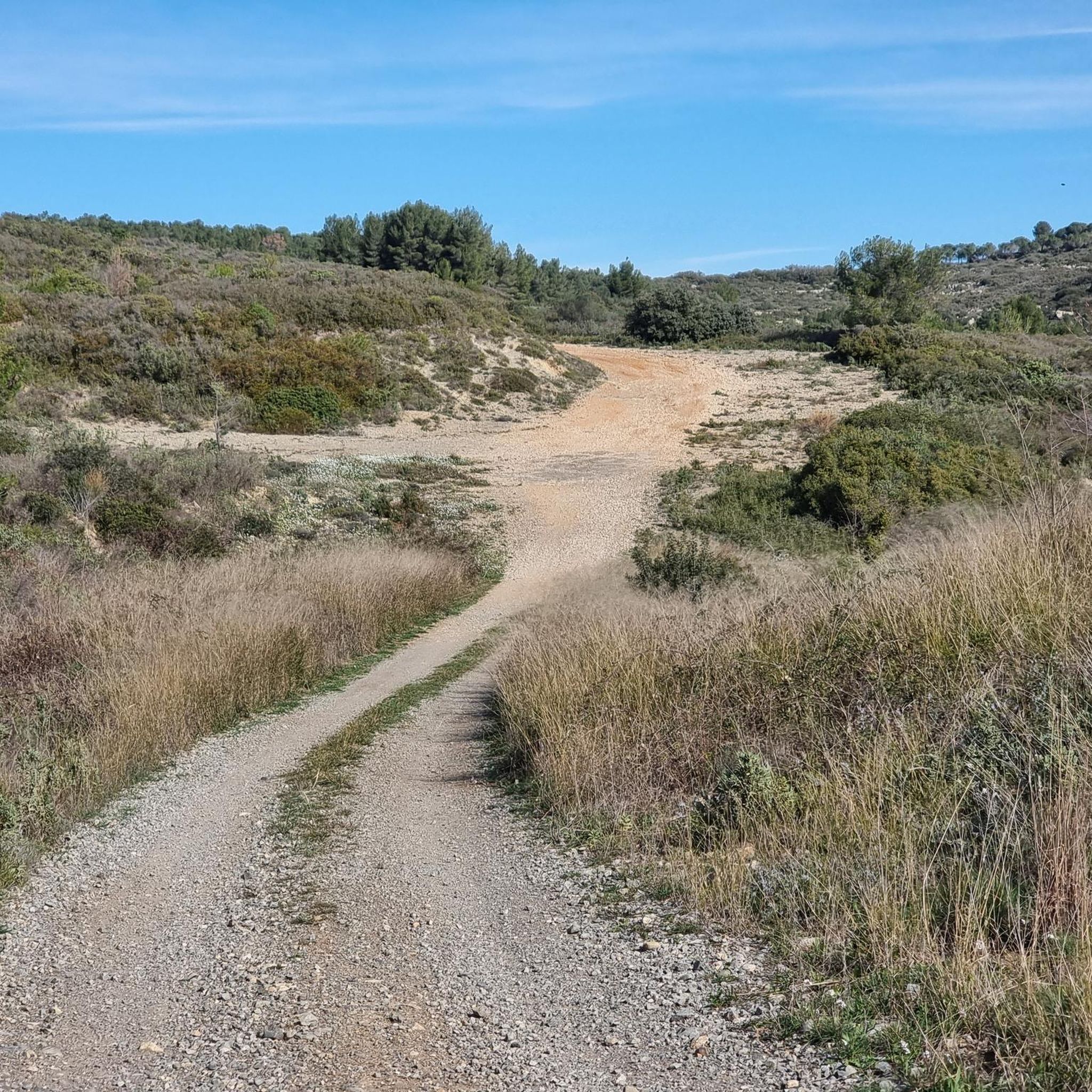
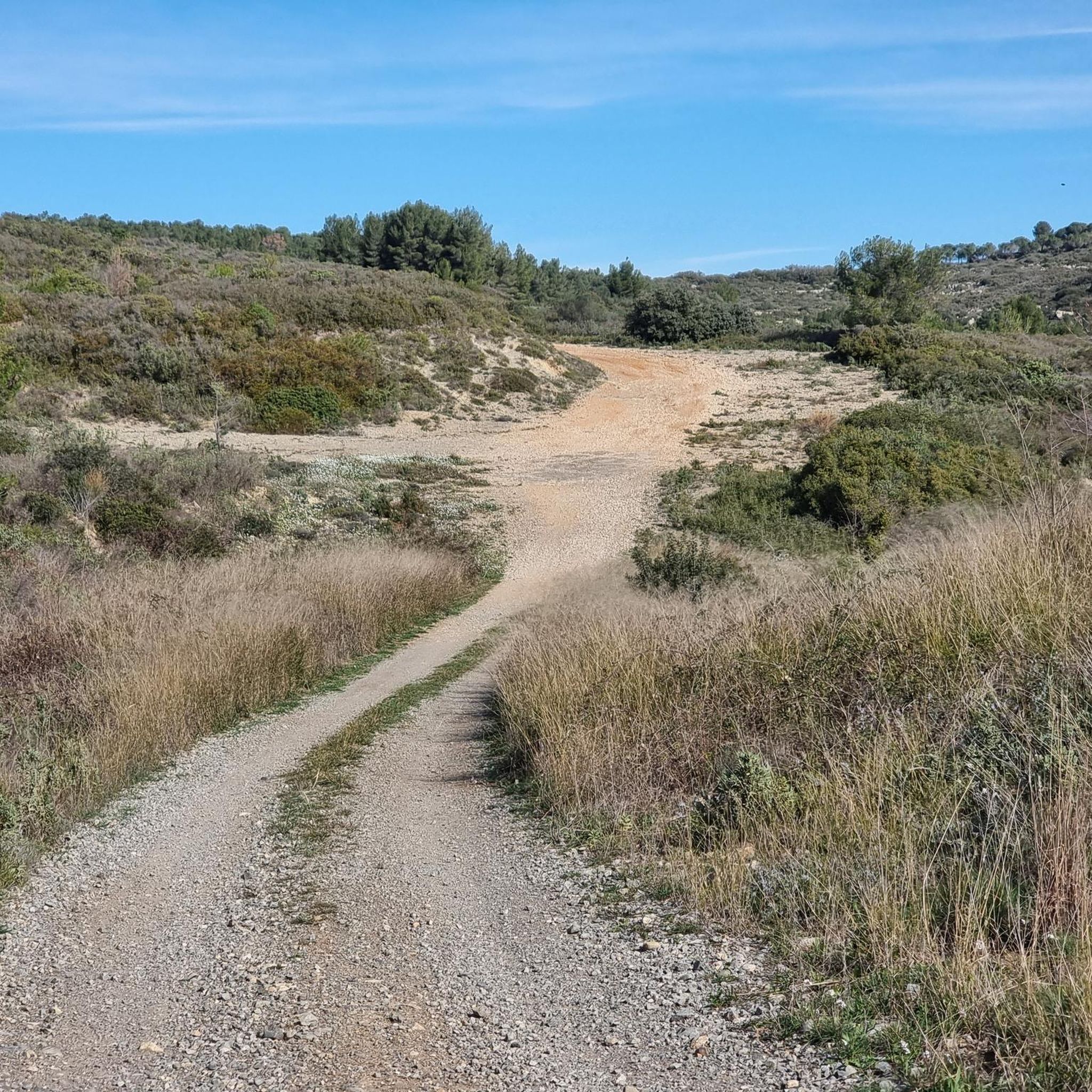
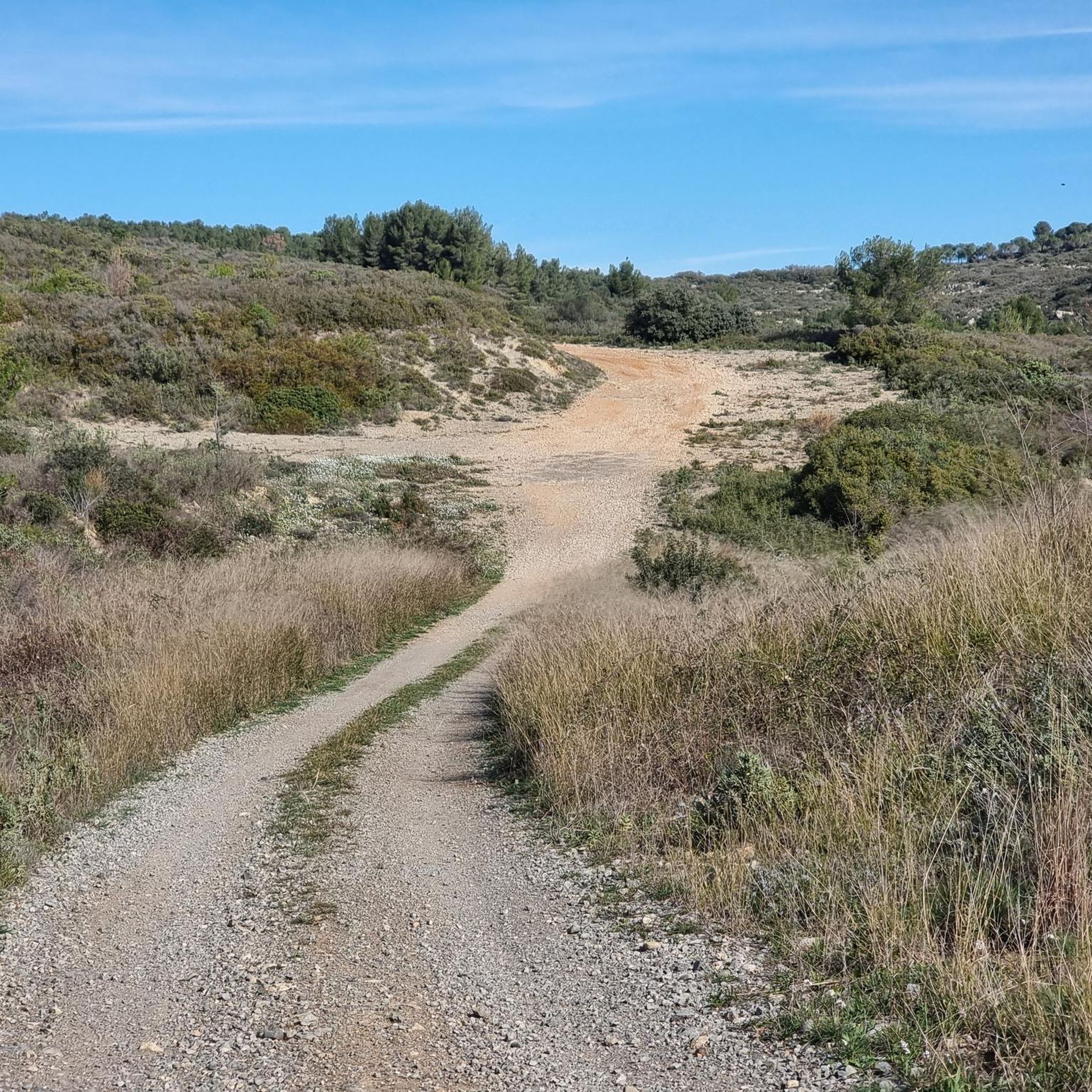
Best practiced in dry weather. Some sections are very, very sticky. It can cause your wheels to lock, so don't be in a hurry!
0
0
Frequently Asked Questions
What natural attractions can I explore around Mireval?
Mireval is surrounded by diverse natural landscapes. You can visit the Aresquiers Wood and Beach, which offers a 9 km path for walking or cycling amidst Mediterranean vegetation and salt pans, ideal for birdwatching. The Creux de Miège is an impressive rocky cirque with wetlands and limestone cliffs, recognized for its rich biodiversity. Additionally, the Gardiole Massif Garrigues and Villeneuve Saltworks are significant biodiversity reservoirs, perfect for hiking, biking, and horse riding. The Vic and Ingril Ponds also provide picturesque scenery for walks and bike rides.
Are there opportunities for cycling near Mireval?
Yes, Mireval offers excellent cycling opportunities. You can cycle along the Canal du Rhône à Sète Between Palavas-les-Flots and Vic-la-Gardiole, which provides a scenic ride between the canal and the Étang de Vic. Another popular route is Between the Étang du Méjean and the Étang de l'Arnel, a cycle path where you might spot flamingos. For more cycling routes, including easy and moderate options, check out the Cycling around Mireval guide.
Where can I go hiking around Mireval?
The area around Mireval is great for hiking. The Gardiole Massif offers numerous trails to discover its rich biodiversity. You can also find hiking opportunities around the Abbaye Saint Félix de Montceau, which features a maintained garden and picnic area. For specific routes and difficulties, explore the Hiking around Mireval guide, which includes trails like the 'Pioch Noir – Gardiole Viewpoints loop'.
What historical sites are there to visit in Mireval?
Mireval retains a strong medieval character. You can explore its ramparts and fortified gates, which reflect its past as a stronghold. The Abbaye Saint Félix de Montceau, though in ruins, is a significant historical and religious site with a beautifully maintained garden. Nearby, the Cathédrale de Maguelone is a Romanesque cathedral located on an island between the étangs, offering historical insights and views.
Is Mireval known for any specific cultural heritage?
Yes, Mireval is particularly renowned for its Muscat wine production, a tradition that dates back to the 16th century. You can visit local vineyards like Domaine de la Belle Dame to learn about winemaking, taste various wines, and find local products. The Centre Culturel Léo Malet also serves as a hub for events, concerts, and theater performances, contributing to Mireval's dynamic cultural scene.
Are there family-friendly activities or attractions in Mireval?
Many of Mireval's natural areas are suitable for families. The Aresquiers Wood and Beach offers a leisurely path for walking or cycling, and the wild beach is a great spot for relaxation. The cycle paths like Between the Étang du Méjean and the Étang de l'Arnel are generally easy to navigate and offer opportunities for birdwatching, which can be engaging for children. The maintained garden at Abbaye Saint Félix de Montceau also provides a pleasant picnic area.
What is the best time of year to visit Mireval?
Mireval's Mediterranean climate makes it pleasant for visits during spring, early summer, and early autumn. These seasons offer comfortable temperatures for outdoor activities like hiking and cycling, and for exploring the vineyards and historical sites. The Aresquiers Wood is particularly good for birdwatching during migration seasons.
Can I find dog-friendly trails in the area?
Many of the natural trails and paths around Mireval, such as those in the Aresquiers Wood and along the Vic and Ingril Ponds, are generally dog-friendly. However, it's always advisable to keep dogs on a leash, especially in protected natural sites like the Creux de Miège, to protect local wildlife and ensure a pleasant experience for all visitors.
Are there any viewpoints offering scenic panoramas?
Mireval's name itself, meaning 'which looks down on the valley,' suggests scenic views. The village's elevated position provides panoramas of the surrounding landscapes, including the Gardiole massif and the Mediterranean Sea. The Creux de Miège, with its limestone cliffs, also offers impressive vistas. Additionally, the Cathédrale de Maguelone provides nice views over the Étang.
Where can I find local products or wine tastings?
Mireval is famous for its Muscat wine. You can visit local vineyards such as Domaine de la Belle Dame, an organic vineyard that offers wine tastings (Muscat, rosé, red, white) and sells local products like olive oil and tapenade. They also organize themed meals and tapas evenings. Look for 'open cellars' in the area to taste the renowned Muscat wine directly from producers.
Are there any wheelchair-accessible trails or attractions?
While specific wheelchair-accessible trails are not explicitly detailed, many of the cycle paths along the canals and ponds, such as the Canal du Rhône à Sète, tend to be relatively flat and well-maintained, potentially offering some accessibility. It is recommended to check specific conditions or contact local tourism offices for the most up-to-date information on accessibility for individual sites.
What do visitors enjoy most about the attractions around Mireval?
Visitors particularly enjoy the blend of natural beauty and historical intrigue. The scenic driving experience along the Canal du Rhône à Sète and the chance to spot flamingos between the Étangs are highly appreciated. The Abbaye Saint Félix de Montceau is loved for its beautiful ruins and well-maintained garden, offering a peaceful picnic spot. The diverse opportunities for hiking and cycling in the natural reserves are also a major draw.
Most popular routes around Mireval
Most popular attractions around Mireval

Get inspired with the komoot mobile app


Explore more
Still not found the Highlight you’re looking for? See guides of the top attractions in other regions:
