Attractions and Places To See around Armancourt - Top 20
Best attractions and places to see around Armancourt include historical heritage sites and natural landscapes in the Oise department of northern France. This commune serves as a base for exploring the surrounding region. Visitors can find a mix of historical monuments within the village and significant cultural and natural sites nearby. The area offers opportunities for both historical exploration and outdoor activities.
Best attractions and places to see around Armancourt
- The most popular attractions is Saint-Jean-aux-Bois Abbey and Fortified Gate, a historical site that is a small village known for its abbey founded in 1152 by Queen Adelaide. It features a Gothic church, a fortified gate with a drawbridge, and a cloistered garden.
- Another must-see spot is Beaux Monts Viewpoint, a viewpoint located in the heart of the Compiègne forest. It offers an exceptional perspective along a five-kilometer, 60-meter-wide avenue designed by Napoleon I.
- Visitors also love The Gallo-Roman ruins of Champlieu, a historical site featuring the ruins of a temple, a theater, and a bathing establishment dating from the Roman Empire. These ruins are located near the Compiègne forest and were classified as a historic monument in 1846.
- Armancourt is known for its historical sites, natural beauty, and cultural landmarks. The region offers a variety of attractions to explore, from ancient ruins to imperial palaces and expansive forests.
- The attractions around Armancourt are appreciated by the komoot community, with more than 100 photos and over 100 upvotes.
Last updated: July 6, 2026
Saint-Jean-aux-Bois Abbey and Fortified Gate
Highlight • Historical Site
Translated by Google •
Tip by

Château de Compiègne
Highlight • Castle
Translated by Google •
Tip by

Sign up now to discover places like this
Get recommendations on the best single tracks, peaks, & plenty of other exciting outdoor places.
Sign up for free
Beaux Monts Viewpoint
Highlight • Viewpoint
Translated by Google •
Tip by

Compiègne Town Hall
Highlight • Monument
The large niche now houses a high relief depicting the equestrian statue of Louis XII. It is an original creation from 1869 by the sculptor Henri-Alfred Jacquemart in the realistic style so prevalent at the time. However, contrary to the usual appearance of equestrian statues during the reign of Louis XII, Henri-Alfred Jacquemart chose not to build a horse walking "à l'amble," that is, with both straight legs raised simultaneously.
On October 12, 1530, a clock was placed on the summit of the bell tower. From that time on, every quarter of an hour, she animated three wooden jaquemarts with bell hammers. The Compiègneis quickly gave them three nicknames corresponding to the enemies of the time: Langlois for the English, Flandrin for the Flemish, and Lansquenet for the Germans. Even today, they chant the life of the city by "punching the time," that is, by striking their hammer to strike the hours.
Translated by Google •
Tip by

The Gallo-Roman ruins of Champlieu
Highlight • Historical Site
Translated by Google •
Tip by

Sign up for free to discover even more attractions around Armancourt.
Sign up for free
Already have an account?
Start today with a free account
Your next adventure awaits.
Login or Signup


Tips from the Community


The square itself houses a statue of Joan of Arc, a tribute to the city's historical connection to this iconic figure. The Town Hall, with its rich history and stunning architecture, continues to captivate visitors, offering a glimpse into the past while remaining a vibrant part of Compiègne's present.
2
0
The architecture of the town hall is a true feast for the eyes. The central structure is dominated by a tall bell tower, flanked by two turrets connected by a decorative railing. This imposing façade, 47 meters high and 24 meters wide, is decorated with striking Gothic elements such as pinnacles and basket arches. The large niche now houses a high relief depicting the equestrian statue of Louis XII. It is an original creation from 1869 by the sculptor Henri-Alfred Jacquemart in the realistic style so prevalent at the time. However, contrary to the usual appearance of equestrian statues during the reign of Louis XII, Henri-Alfred Jacquemart chose not to build a horse walking "à l'amble," that is, with both straight legs raised simultaneously. On October 12, 1530, a clock was placed on the summit of the bell tower. From that time on, every quarter of an hour, she animated three wooden jaquemarts with bell hammers. The Compiègneis quickly gave them three nicknames corresponding to the enemies of the time: Langlois for the English, Flandrin for the Flemish, and Lansquenet for the Germans. Even today, they chant the life of the city by "punching the time," that is, by striking their hammer to strike the hours.
2
0

Perfect for a picnic in the castle grounds!
0
0

In good weather, the garden is peaceful for relaxing or strolling. The cherry on the cake is inside the castle: beautiful reconstructions and conservations
0
0
Beautiful little village nestled in the heart of the forest. The inn at La Bonne Idée is a great place to eat and stay; I have never been disappointed, I recommend it.
0
0

This architectural ensemble included thermal baths, a performance building and a temple. To have !
0
0
Frequently Asked Questions
What historical sites can I visit near Armancourt?
The region around Armancourt is rich in history. You can explore the impressive Château de Compiègne, which features three museums and a large park. Other notable historical sites include the Saint-Jean-aux-Bois Abbey and Fortified Gate, the Gallo-Roman ruins of Champlieu, and the historic Compiègne Town Hall. Within Armancourt itself, you can find the Église Notre-Dame d'Armancourt, a late Gothic church built in 1410.
Are there any natural attractions or viewpoints near Armancourt?
Yes, nature enthusiasts will appreciate the area. The Beaux Monts Viewpoint in the heart of the Compiègne forest offers an exceptional perspective along a five-kilometer avenue designed by Napoleon I. The Forêt de Compiègne itself is a significant natural area for exploration, as are the Forêt de Laigue and Mont Ganelon. For unique natural features, consider visiting the Hortillonnages d'Amiens, which are floating gardens, or the Réserve naturelle de l'Étang Saint-Ladre.
What outdoor activities, like hiking or cycling, are available near Armancourt?
The area around Armancourt is excellent for outdoor activities. You can find numerous hiking trails, such as the 'Verberie Ponds loop' or the 'Mont Clergé loop'. For mountain biking, options like the 'Sainte-Périne Pond – Single des Lorrains loop' are available. Running enthusiasts can also find suitable routes, including a 'Running loop from Armancourt'. For more detailed information and routes, you can explore the dedicated guides for Hiking around Armancourt, MTB Trails around Armancourt, and Running Trails around Armancourt.
Are there family-friendly attractions or activities in the Armancourt area?
Many attractions near Armancourt are suitable for families. The Château de Compiègne offers a large park with free admission, perfect for a family outing. The Saint-Jean-aux-Bois Abbey and Fortified Gate and the Gallo-Roman ruins of Champlieu provide engaging historical exploration. Additionally, the Beaux Monts Viewpoint and the surrounding forests offer opportunities for family walks and enjoying nature.
What is the best time of year to visit Armancourt for outdoor activities?
The region around Armancourt is enjoyable throughout much of the year. Spring and autumn offer pleasant temperatures for hiking, cycling, and exploring historical sites without the peak summer heat. The forests, such as Forêt de Compiègne, are particularly beautiful during these seasons. While some activities are possible in winter, checking local conditions is advisable for specific trails.
Are there any dog-friendly trails or attractions near Armancourt?
Many of the natural areas and forest trails around Armancourt are suitable for walks with dogs, provided they are kept on a leash and local regulations are followed. The extensive Forêt de Compiègne and Forêt de Laigue offer numerous paths for dog-friendly excursions. It's always a good idea to check specific site rules before visiting historical monuments or enclosed parks with your pet.
What are some lesser-known historical gems or unique places to discover?
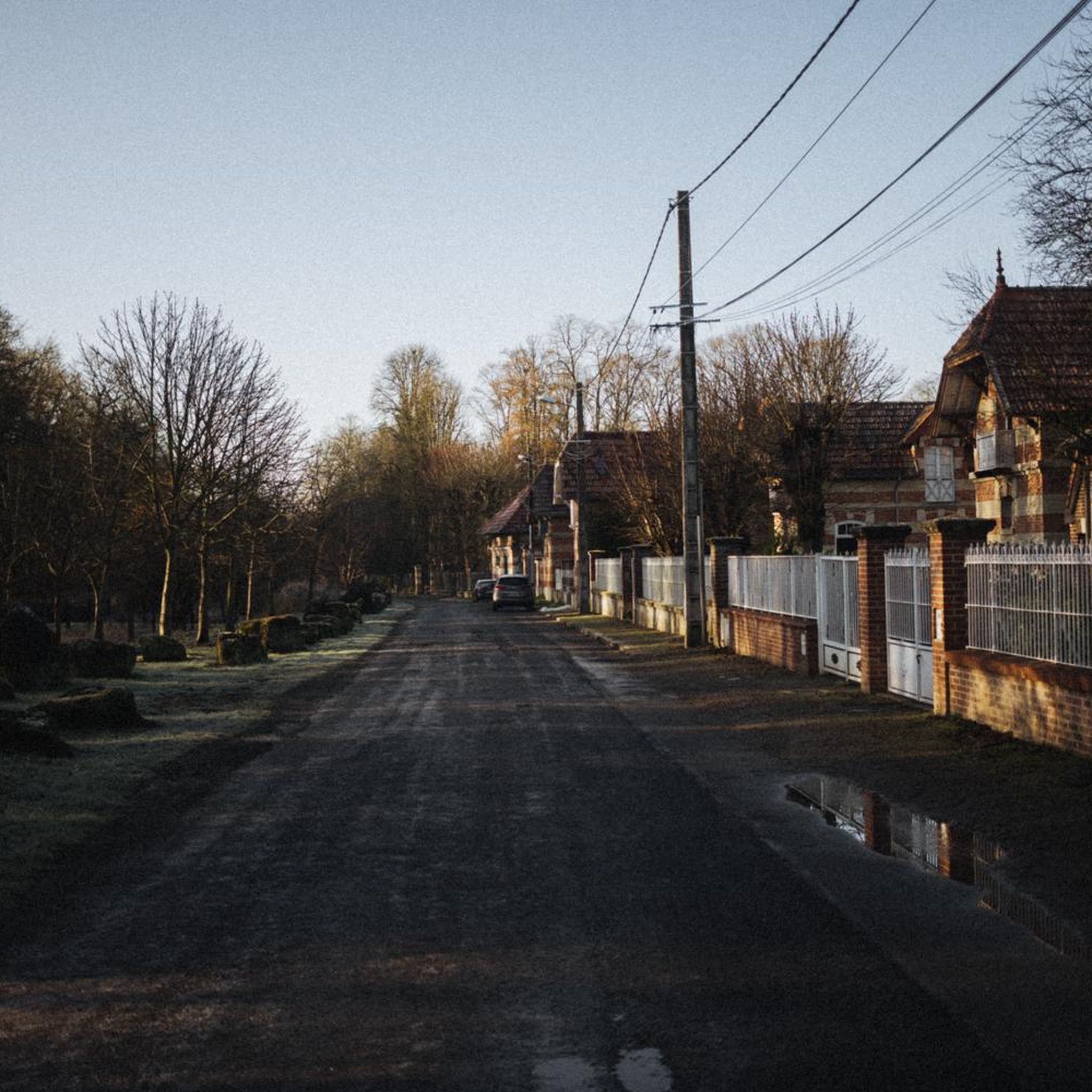
Beyond the major sites, you can explore the impressive Romanesque architecture of Morienval Abbey. The village of Saint-Jean-aux-Bois, with its fortified gate and old abbey, offers a charming medieval atmosphere. The traditional Picardy houses along Rue des Matinnoix in Armancourt itself provide a glimpse into 19th-century local heritage. The Calvary on Rue des Matinnoix is another small, unique historical marker.
What kind of architecture can I expect to see in Armancourt and its surroundings?
Armancourt features traditional Picardy houses, many dating back to the 19th century, and the late Gothic Église Notre-Dame d'Armancourt from 1410. In the surrounding region, you'll find a blend of architectural styles, from the flamboyant Gothic of Compiègne Town Hall and Noyon Cathedral to the classical elegance of the Château de Compiègne. Pierrefonds Castle is a stunning example of a medieval fortress, while Morienval Abbey showcases Romanesque design.
Are there any specific tips for visiting the Gallo-Roman ruins of Champlieu?
The Gallo-Roman ruins of Champlieu are located near the Compiègne forest and feature the remains of a temple, a theater, and a bathing establishment. It's a great spot for those interested in ancient history. The site has information panels and a digital tool to enhance your understanding. It's open all year round and can be combined with a walk in the nearby forest.
What is special about the Saint-Jean-aux-Bois Abbey and Fortified Gate?
The Saint-Jean-aux-Bois Abbey and Fortified Gate is a historical site in a charming village. The abbey was founded in 1152 by Queen Adelaide and features a beautiful Gothic church, a fortified gate with a drawbridge, and a cloistered garden. Visitors appreciate its medieval charm and the opportunity to discover its history and architecture, often combined with enjoying the tranquility of the surrounding Compiègne forest.
Where can I find parking when visiting attractions near Armancourt?
Parking availability varies by attraction. For the Château de Compiègne, there is often parking available near the palace and its large park. For smaller sites like the Église Notre-Dame d'Armancourt, street parking in the village is usually an option. When visiting forest areas or trailheads, look for designated parking areas or small pull-offs. It's always recommended to check specific location details for the most convenient parking.
What are the main historical connections of the Compiègne area, near Armancourt?
The Compiègne area has significant historical ties, particularly with French royalty and emperors. The Château de Compiègne served as a royal and imperial residence, notably for Louis XV, Louis XVI, and later Napoleon I and III. The Compiègne Town Hall, built in flamboyant Gothic style, also reflects centuries of history. The Compiègne forest itself holds historical significance, with features like the Beaux Monts avenue designed by Napoleon I.
Most popular routes around Armancourt

Get inspired with the komoot mobile app


Explore more
Still not found the Highlight you’re looking for? See guides of the top attractions in other regions:
