Attractions and Places To See around Villeveyrac - Top 20
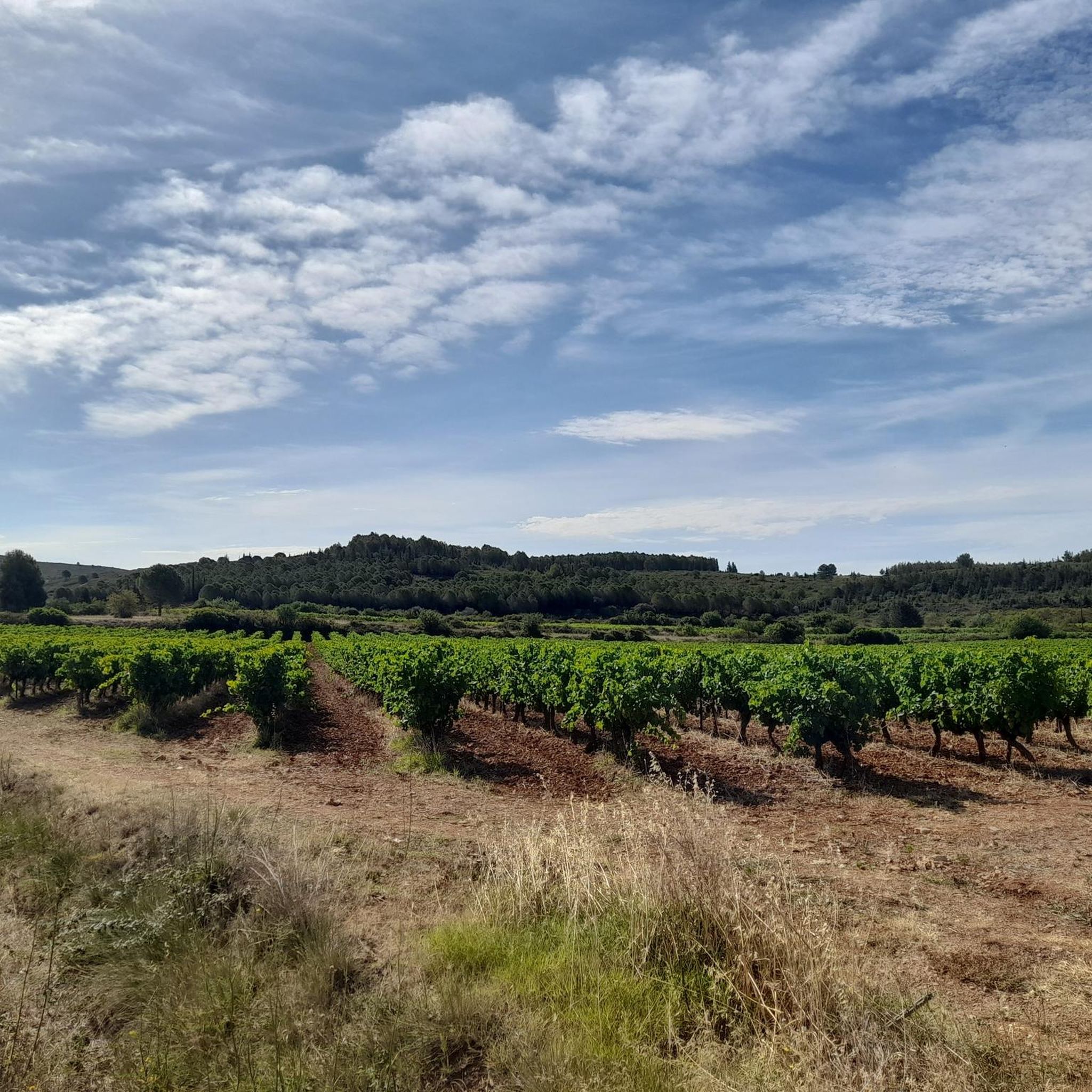
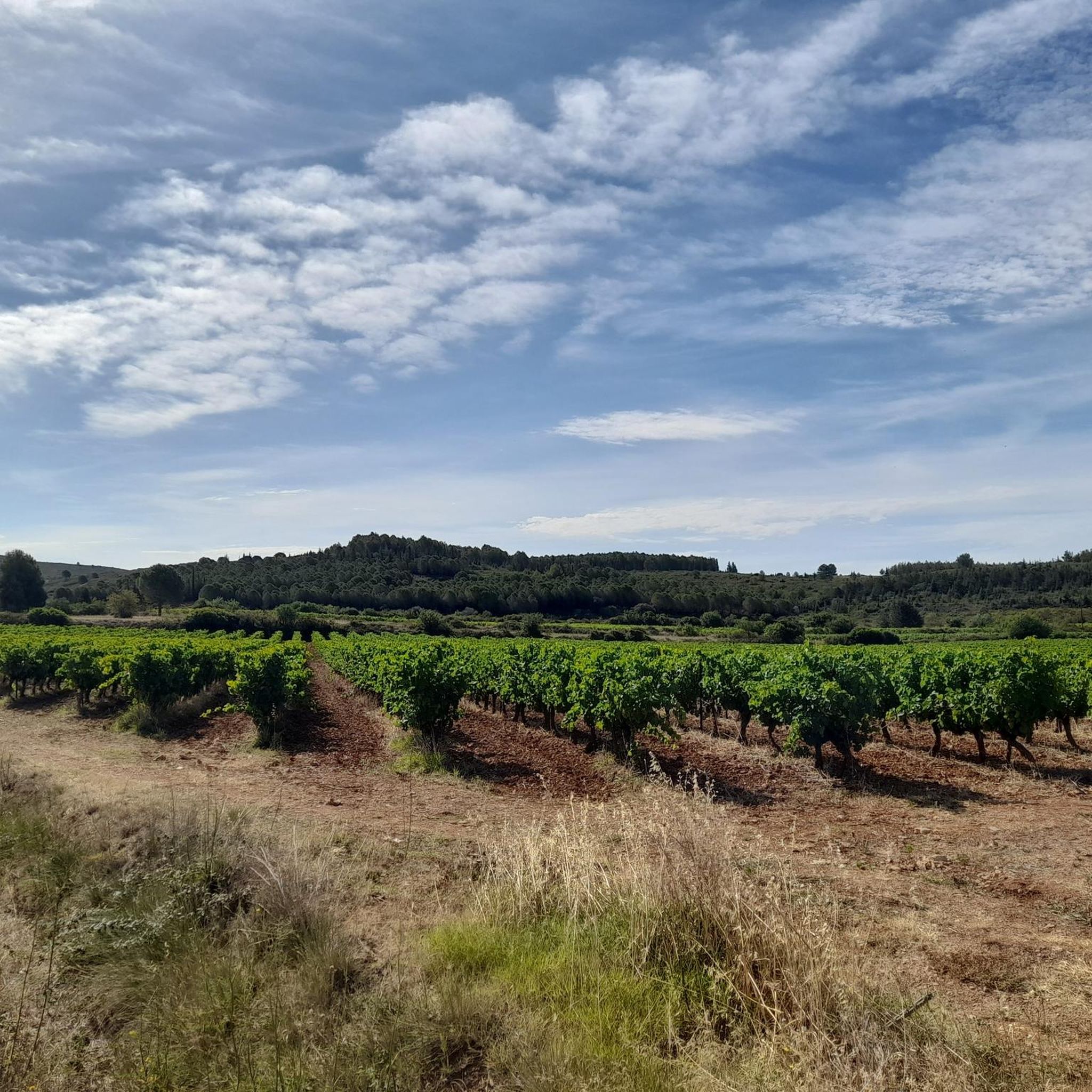
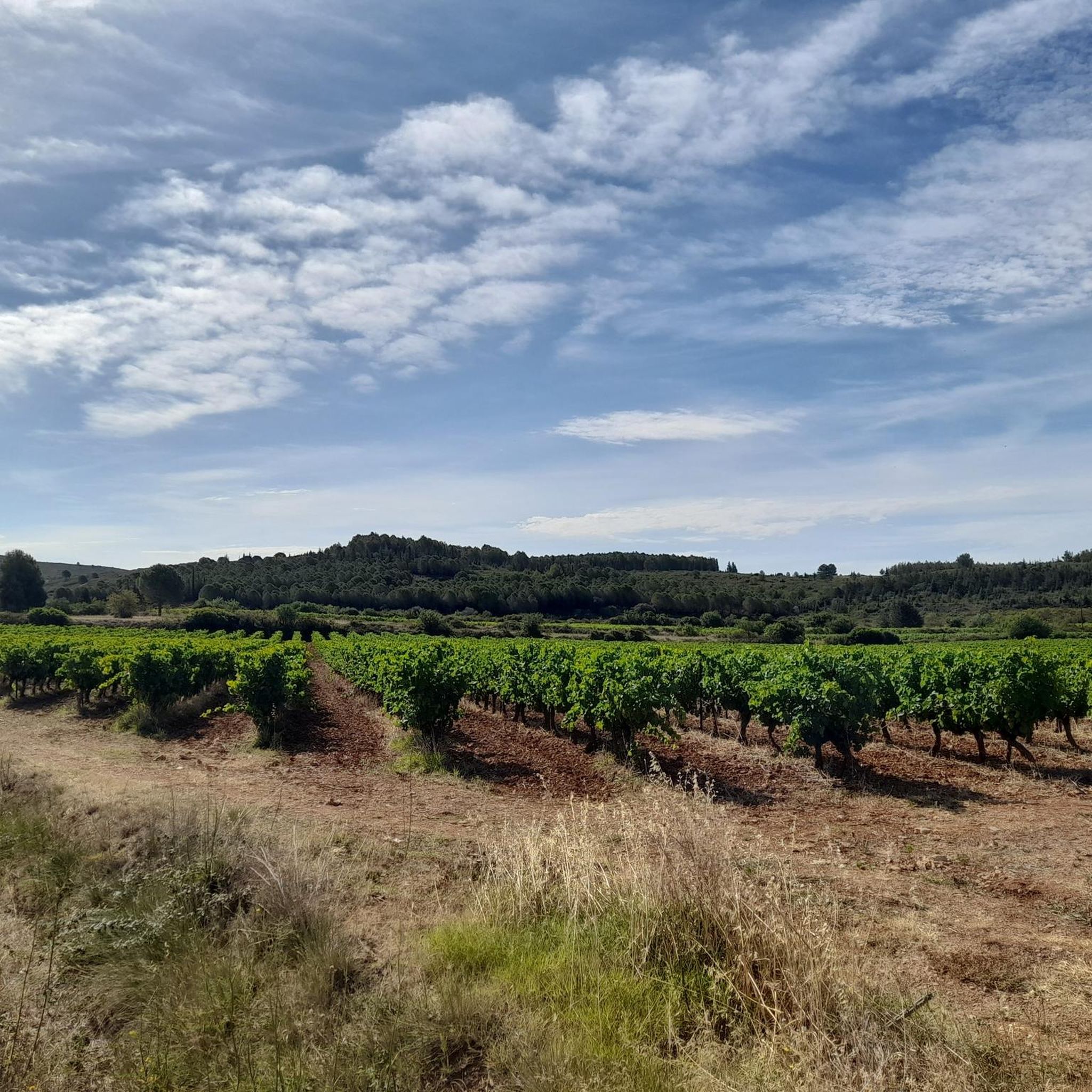
Best attractions and places to see around Villeveyrac include historical sites and natural landscapes. This village in the Hérault department is situated in a basin surrounded by garrigues and extensive vineyards. The area is also part of a Natura 2000 classified zone, offering opportunities to explore wild garrigue and observe local fauna and flora.
Best attractions and places to see around Villeveyrac
- The most popular attractions is Abbaye Saint Félix de Montceau, a religious building that features ruins of…
Last updated: October 23, 2026
Chemin de la plage, Agde to Sète
Highlight (Segment) • Beach
Translated by Google •
Tip by

Port of Mèze
Highlight • Settlement
Translated by Google •
Tip by

Sign up now to discover places like this
Get recommendations on the best single tracks, peaks, & plenty of other exciting outdoor places.
Abbaye Saint Félix de Montceau
Highlight • Religious Site
Showing Translation
Tip by

The Fairy Stretcher
Highlight • Natural Monument
Human imagination has given rise to a legend: fairies used to …
Translated by Google •
Tip by

The land of oyster beds
Highlight • Other
Translated by Google •
Tip by

Sign up for free to discover even more attractions around Villeveyrac.
Already have an account?
Start today with a free account
Your next adventure awaits.

Tips from the Community

From La Catonnière, the view plunges over the étang de Thau and its immense checkerboard of shellfish tables. These regular alignments are the breeding facilities where the lagoon's oysters and mussels are produced. Bouzigues holds a special place in this history: in 1925, Antoine Louis Tudesq and other Bouzigues oyster farmers developed the "Pyramid" technique, which contributed to the development of shellfish farming in the étang. The panorama thus allows us to read the landscape differently: behind this vast expanse of water lies a true production space, shaped for over a century by the work of the "sea peasants".
2
0
At the turn of the paths of La Gardiole, the ruins of the ancient abbey Saint-Félix-de-Montceau appear. The site, attested as early as 1104, was occupied for several centuries by a community of nuns, first Benedictine and then, for a period, Cistercian. The Gothic abbey church, built at the end of the 13th century, is today the most spectacular remnant of this medieval complex. Abandoned as a monastic site after the transfer of the community to Gigean in 1514, the site was long left to ruin before an association undertook its preservation in 1970. Today, the stones of the abbey church stand in the heart of the garrigue, on the northern slope of the limestone massif with the plain of Gigean in the background.
3
0

One of the prettiest views of the "montagnette" of Sète!
0
0
A remarkable geological site, worthy of the legend of the fairies! The rock that constitutes it is sandstone with a carbonate cement, but it is not limestone. Differential erosion, which wears away the less resistant parts of the rock more quickly, has gradually sculpted its surface and formed natural basins (rounded hollows in which water can accumulate). According to legend, on full moon nights, after the rain, the fairies come to wash their laundry in these small basins carved into the sandstone, before spreading it out on the rocks. In Occitan, the place is called "L’espandidou das Fadas".
3
0

The dinosaur egg-laying sites, the red lands, the white rocks, and the Fairy's Waslijn are among the most remarkable geological sites in the municipality. The Fairy's Waslijn is worth the detour as it is an original formation of limestone rocks, deposited at the beginning of the Tertiary era, during the foldings of the Pyrenean-Provençal chain, on a continental plain episodically crossed by rivers.
0
0

A beautiful geological curiosity, this is the place where there are the most, but we can see others in the surroundings a little more hidden (or not).
0
0

Yes, a very beautiful climb to get to the abbey, a magnificent, top place 👍👍
0
0

Magnificent 180° panorama, peaceful and relaxing, a magical break, it's worth the detour and it's worth it (a little)....
1
0
Frequently Asked Questions
What historical and cultural sites can I visit in and around Villeveyrac?
Villeveyrac is rich in history. The most significant local landmark is the prestigious Cistercian Abbey of Valmagne, known as the "Cathedral of the Vines," which offers a majestic Gothic church, cloister, and gardens. You can also explore the ruins of Abbaye Saint Félix de Montceau, which features a beautiful garden maintained by volunteers and a picnic area. For hikers, the Ruins of the Saint-Antoine Hermitage are another point of interest.
What natural landscapes and outdoor experiences can I find near Villeveyrac?
The area around Villeveyrac is characterized by extensive garrigues and vineyards, perfect for walks and exploring local flora and fauna. The region is part of a Natura 2000 classified area. You can also enjoy coastal views and beach access along the Chemin de la plage, Agde to Sète, a cycle path running between Marseillan Plage and Sète. For panoramic vistas, head to Vue du Mont Saint-Clair sur l'étang de Thau, offering great views of Sète and the Mediterranean Sea.
Are there family-friendly attractions or activities in the Villeveyrac area?
Yes, several attractions are suitable for families. The Abbaye Saint Félix de Montceau offers a picnic area and a beautiful garden, making it a pleasant stop. The Port of Mèze is a charming place for a stroll with cafes and restaurants. Additionally, the nearby Musée - Parc des Dinosaures (Dinosaur Museum and Park) in Meze is a popular family attraction.
What kind of hiking trails are available around Villeveyrac?
The garrigues surrounding Villeveyrac offer an ideal environment for hiking. Many hiking or cycling tours are possible around the Abbaye Saint Félix de Montceau. The Ruins of the Saint-Antoine Hermitage are also a popular destination for hikers. For more detailed routes, you can explore the various running trails available in the area, such as the "Running loop from Villeveyrac" or the "Lavogne loop from Villeveyrac." Find more options on the Running Trails around Villeveyrac guide.
Can I go cycling or mountain biking near Villeveyrac?
Absolutely! The region offers excellent opportunities for cycling and mountain biking. The Chemin de la plage, Agde to Sète is a highly recommended cycle path along the coast. For mountain biking, you can find routes like the "Lake Cambelliès – View of Balaruc-le-Vieux loop from Villeveyrac" or the "Bessilles bike base – The Fox's Hole loop from Abbaye de Valmagne." Discover more routes on the Cycling around Villeveyrac guide and the MTB Trails around Villeveyrac guide.
What are some charming towns or villages to visit near Villeveyrac?
Just a short drive away, you can visit Mèze, the oldest town in the Thau Basin, known for its rich heritage and picturesque Port of Mèze with many restaurants and cafes. Sète, an active harbor town on the Étang de Thau, is also nearby, famous for its canals and the panoramic views from Mont Saint-Clair.
What do visitors enjoy most about the attractions around Villeveyrac?
Visitors particularly appreciate the blend of historical sites and natural beauty. The Abbaye Saint Félix de Montceau is praised for its beautiful stones and well-maintained garden. The Port of Mèze is loved for its picturesque setting, inviting visitors to stroll and linger. The coastal cycle path, Chemin de la plage, Agde to Sète, is highly recommended for its beauty and easy access to the beach.
Are there any markets or local produce to experience in Villeveyrac?
Yes, during July and August, Villeveyrac hosts a market every Monday evening. Local producers offer a variety of products, including cheese, wine, and vegetables, often accompanied by music, creating a festive atmosphere.
Where can I find good viewpoints to capture the scenery?
For stunning panoramic views, head to Vue du Mont Saint-Clair sur l'étang de Thau. From here, you can see Sète, the Canal du Sète, and the Mediterranean Sea. The area around the Ruins of the Saint-Antoine Hermitage also offers scenic vistas for hikers.
What is the best time of year to visit Villeveyrac for outdoor activities?
The region's Mediterranean climate makes spring and autumn ideal for outdoor activities, with pleasant temperatures for hiking, cycling, and exploring the garrigues and vineyards. Summer can be warm, but coastal areas and early morning activities are still enjoyable. The local producers' market is active in July and August.
Are there any unique natural features or conservation areas to explore?
Villeveyrac is situated within a Natura 2000 classified area, encompassing the countryside from the Moure mountain to the Causse d'Aumelas. This designation highlights its importance for specific fauna and flora, making it an excellent place to explore wild garrigue and discover traditional *capitelles* (dry stone huts).
Are there opportunities for swimming or water activities nearby?
While Villeveyrac itself is inland, the nearby Étang de Thau and the Mediterranean coast offer water activities. The Chemin de la plage, Agde to Sète provides access to the beach every 500 meters, perfect for swimming and enjoying the sea. The Étang de Thau also features several charming fishing villages.
Most popular routes around Villeveyrac
Most popular attractions around Villeveyrac

Get inspired with the komoot mobile app


Explore more
Still not found the Highlight you’re looking for? See guides of the top attractions in other regions:
