The best road cycling routes around Mainvilliers
4.5
(230)
5,273
riders
794
rides
Road cycling around Mainvilliers offers access to varied landscapes, from the generally green and rural terrain of Eure-et-Loir to the flat sections of the Beauce Plain. The region features mostly well-paved surfaces, making it suitable for road biking. Cyclists can find routes along the Eure river and connections to the historic city of Chartres, providing a mix of natural scenery and urban accessibility. The area's cycling infrastructure supports a diverse network of routes for various fitness levels.
Best road cycling…
Last updated: October 23, 2026
5.0
(3)
10
riders
46.5km
01:52
170m
170m
Easy road ride. Mostly well-paved surfaces and easy to ride.
4.3
(3)
7
riders
57.7km
02:20
310m
310m
Moderate road ride. Good fitness required. Mostly well-paved surfaces and easy to ride.

4.3
(32)
375
riders
51.2km
02:05
220m
220m
Moderate road ride. Good fitness required. Mostly well-paved surfaces and easy to ride.
4.7
(6)
178
riders
71.5km
02:57
370m
370m
Moderate road ride. Good fitness required. Mostly well-paved surfaces and easy to ride.
4.5
(6)
124
riders
52.9km
02:06
170m
170m
Moderate road ride. Good fitness required. Mostly well-paved surfaces and easy to ride.
Get access to more routes and recommendations from other explorers.
Already have an account?
Our route recommendations are based on thousands of hikes, rides, and runs completed by other people on komoot.
Start today with a free account
Your next adventure awaits.
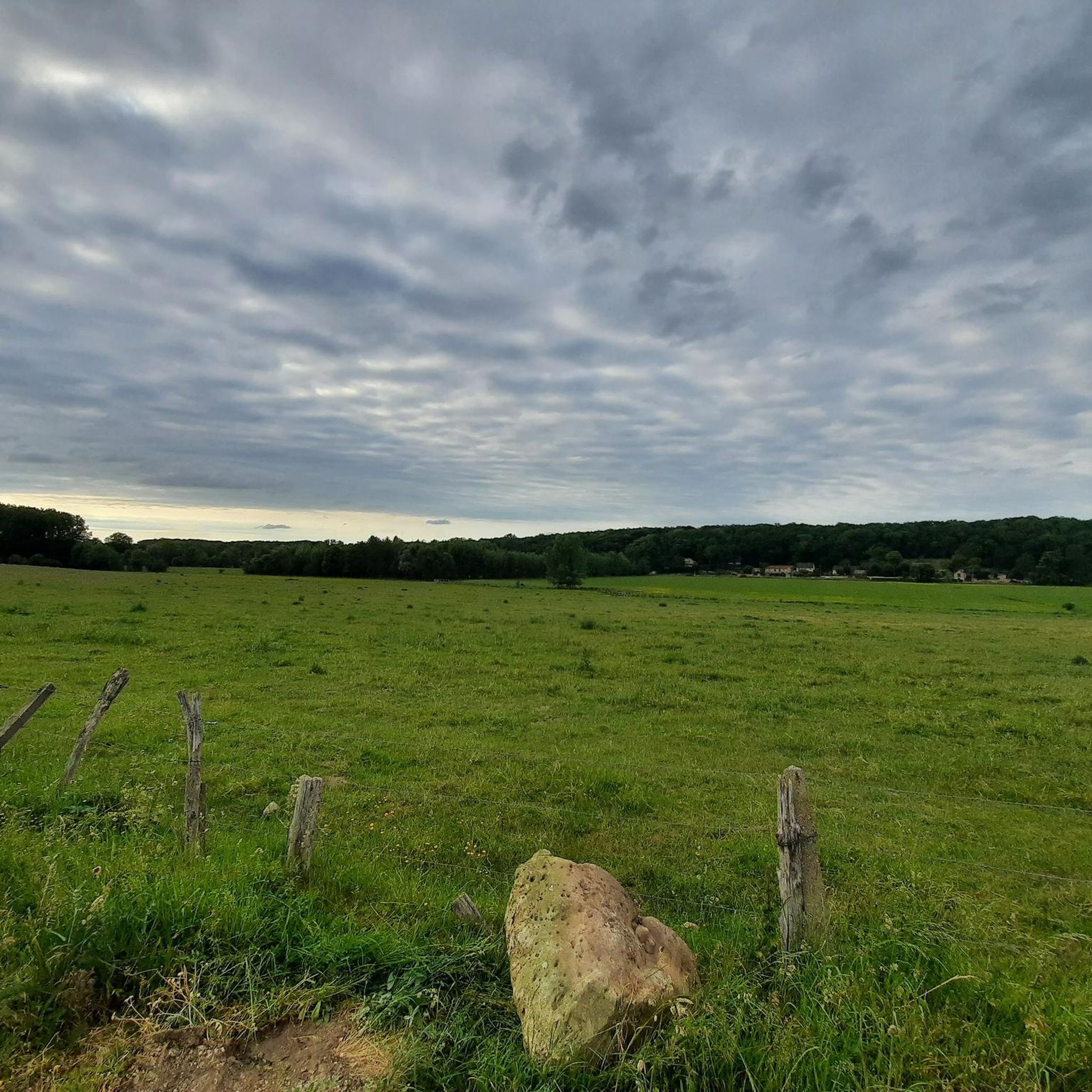




Tips from the Community

A walk that is doable even in rainy and cool weather thanks to its cycle paths
0
0

very nice pond to rest
0
0

At the exit of the village, you will notice the Saint-Aignan church; it was almost entirely rebuilt from 1895 onwards on the foundations of the old church after being destroyed by an unfortunate fire.
0
0


The Moulin de Mormoulins is a watermill located on the Eure River in the hamlet of Mormoulins. This mill dates back to the 18th and 19th centuries and is a listed historical monument. You can admire the old stone building, the wooden wheel, and the canal that diverts water from the river as you pass in front of the mill. The mill is surrounded by green fields and trees, creating a peaceful and relaxing atmosphere.
0
0
According to tradition, the church choir covers the remains of an older building, possibly dating back to the 6th century, which was built to house the saint's body. According to current knowledge, the commune of Saint-Piat (Sanctus Piatus in Latin) officially appeared in 1087, mentioned in a charter of the Nottonville Priory (Eure-et-Loir), on which it depended. The current building was rebuilt during the time of Francis I, as suggested by the date 1535 engraved on two buttresses of the apse and the date 1542 engraved on a piece of wood from the vault. This is according to a study by the SAEL (Eure-et-Loir Archaeological Society). The three-sided apses, the dripstone towers (horizontal members projecting from a wall), and the sculpted roof structures are a testament to the importance of the reconstructions carried out in the department during the 16th century. The church of Saint-Piat is one of them. While the church has not been officially recognized, it nevertheless contains objects that have attracted attention both for their antiquity and quality, but not always for good reason. Their artistic value, far from attracting only religious or aesthetic interest, has also aroused a covetousness that, unfortunately, remains for some of them. Fortunately, those still in place are carefully cared for and offer the curious a story to discover, a beauty to slowly ponder as they progress toward the choir.
0
0
Before 528, the village of Saint-Prest was called Saint-Jean-sur-Eure. At that time, the Bishop of Chartres, Ethère, had a building built adjoining the southern flank of the parish church, including a "martyrium" to house the remains of holy martyrs (the legend of Saint-Prest), which were placed in ten sarcophagi. The most honored relics were those of a certain Priscus; following numerous miracles, the parish took the name of Saint-Prest. The current church's crypt is the apse of the 9th-century Carolingian church, which replaced a 6th-century sanctuary. Access to the 12th-century nave, on the west side, is through a beautiful Romanesque portal, carved from beautiful limestone, surmounted by a triple saw-tooth archivolt and framed by two small columns with capitals. On the right, a face would be that of Eve, and on the left would appear the tempting serpent.
0
0

According to biblical accounts, the apostle "Saint Jacques" was the first person to be executed for his faith, as recorded in the Acts of the Apostles, making him an early martyr (blood witness) of Christianity. His tomb in the town named after him, "Santiago de Compostela" (Galicia, Spain), is one of the most famous and important pilgrimage destinations in the world and is often ranked third after Jerusalem and Rome. Yesterday (July 25) was his feast day in the calendar of saints. When this date falls on a Sunday (this was last the case in 2021), the Catholic Church celebrates a special "Holy Year" there (extended by Pope Francis until 2022 due to the coronavirus pandemic).
0
0
Frequently Asked Questions
How many road cycling routes are available around Mainvilliers?
There are over 790 road cycling routes available around Mainvilliers, catering to various skill levels. This includes more than 240 easy routes, over 530 moderate options, and a selection of more challenging rides.
What kind of terrain can I expect when road cycling near Mainvilliers?
The terrain around Mainvilliers is generally green and rural, characteristic of the Eure-et-Loir region. You'll find mostly well-paved surfaces, ideal for road biking. The area offers a mix of relatively flat sections, particularly within the Beauce Plain, and gentle rolling hills, especially along the Eure river valley.
Are there routes suitable for beginners or families around Mainvilliers?
Yes, Mainvilliers offers numerous routes suitable for beginners and families. Many routes feature relatively flat sections and well-maintained surfaces. An excellent example is the West of Chartres — loop in the Eure valley, which is an easy 46.5 km trail exploring scenic landscapes.
What is the best time of year for road cycling in Mainvilliers?
The region is enjoyable for road cycling throughout much of the year. Spring and autumn offer pleasant temperatures and beautiful scenery. Summer is also popular, though it can be warmer. Winter cycling is possible, but be prepared for cooler temperatures and potentially wet conditions.
Are there any circular road cycling routes available?
Yes, many of the routes around Mainvilliers are designed as loops, allowing you to start and finish in the same location. For instance, the North of Chartres — loop towards Ormoy from the city center is a popular circular route extending towards Ormoy.
What cultural or historical sites can I visit while cycling near Mainvilliers?
Mainvilliers' proximity to Chartres means you can easily incorporate cultural visits into your rides. The magnificent Chartres Cathedral, a UNESCO World Heritage site, is a must-see. You can also explore the historic city of Chartres itself, including landmarks like the Guillaume Gate.
Are there any scenic viewpoints or natural features to look out for on the routes?
Absolutely. Many routes follow the peaceful banks of the Eure river, offering serene natural views. The rural landscapes provide a tranquil backdrop for your ride. You might also pass by historic mills, such as on the Moulin de Jouy – Saint-Piat Mill loop from Chartres, which adds to the scenic charm.
Are there challenging road cycling routes with significant elevation gain near Mainvilliers?
While the region is known for its generally gentle terrain, there are moderate routes that offer more elevation gain for those seeking a greater challenge. For example, the North of Chartres — loop towards Ormoy from the city center includes over 300 meters of elevation gain, providing a good workout.
Can I connect to longer national cycling routes from Mainvilliers?
Yes, Mainvilliers serves as a gateway to significant national cycling routes. The famous Véloscénie (Paris to Mont-Saint-Michel) traverses the Eure-et-Loir department, offering diverse landscapes. Additionally, the Camino de Santiago route (Voie de Tours) passes through the region, utilizing quiet roads for pilgrims and cyclists alike.
What do other road cyclists enjoy the most about road cycling in Mainvilliers?
The area is highly rated by the komoot community, with an average score of 4.3 stars from over 190 reviews. Reviewers often praise the varied terrain, the well-paved surfaces, and the peaceful rural landscapes. The accessibility to Chartres and the scenic Eure river valley are also frequently highlighted as major attractions.
Are there specific routes that explore the Eure river valley?
Yes, the Eure river and its banks offer several peaceful routes. The West of Chartres — loop in the Eure valley is a prime example, allowing you to explore the scenic river valley to the west of Chartres.
Are there routes that pass by local landmarks like mills or ponds?
Indeed. Routes like the Moulin de Jouy – Saint-Piat Mill loop from Chartres take you past historic mills. Another route, the Ponds of Fontenay sur Eure – Fontenay-sur-Eure Church loop from Lucé, guides you through natural areas featuring local ponds and charming village churches.
Where can I find more information about cycling in the Eure-et-Loir region?
For additional information on cycling opportunities and resources in the broader Eure-et-Loir region, you can consult the local tourism boards. The Tourisme28 website and Chartres Tourisme website provide useful details on biking and hiking in the area.
Most popular routes around Mainvilliers
Most popular attractions around Mainvilliers

Get inspired with the komoot mobile app


Explore more
Browse the best Road cycling routes in other regions.
