The best road cycling routes around Magalas
4.4
(41)
1,337
riders
74
rides
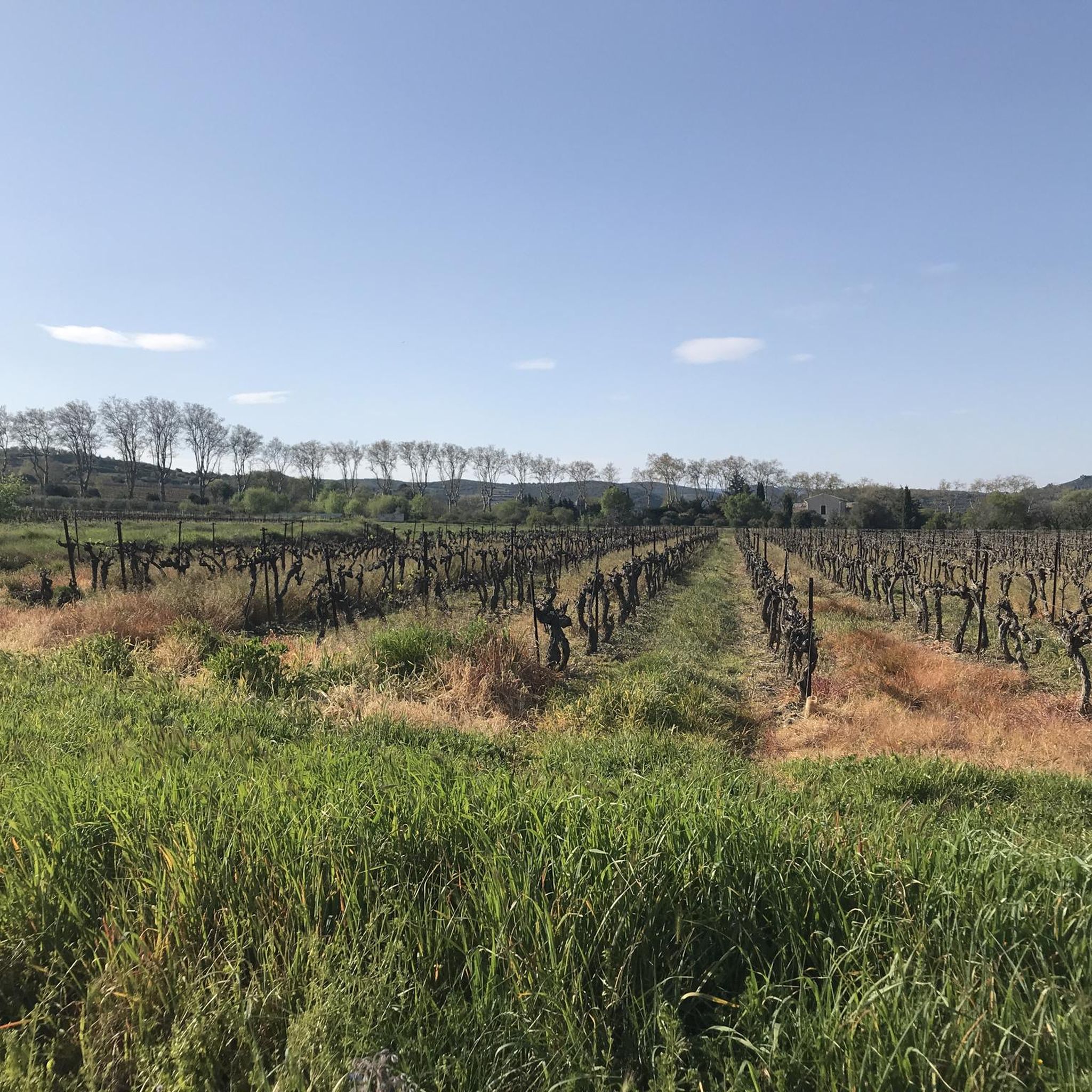
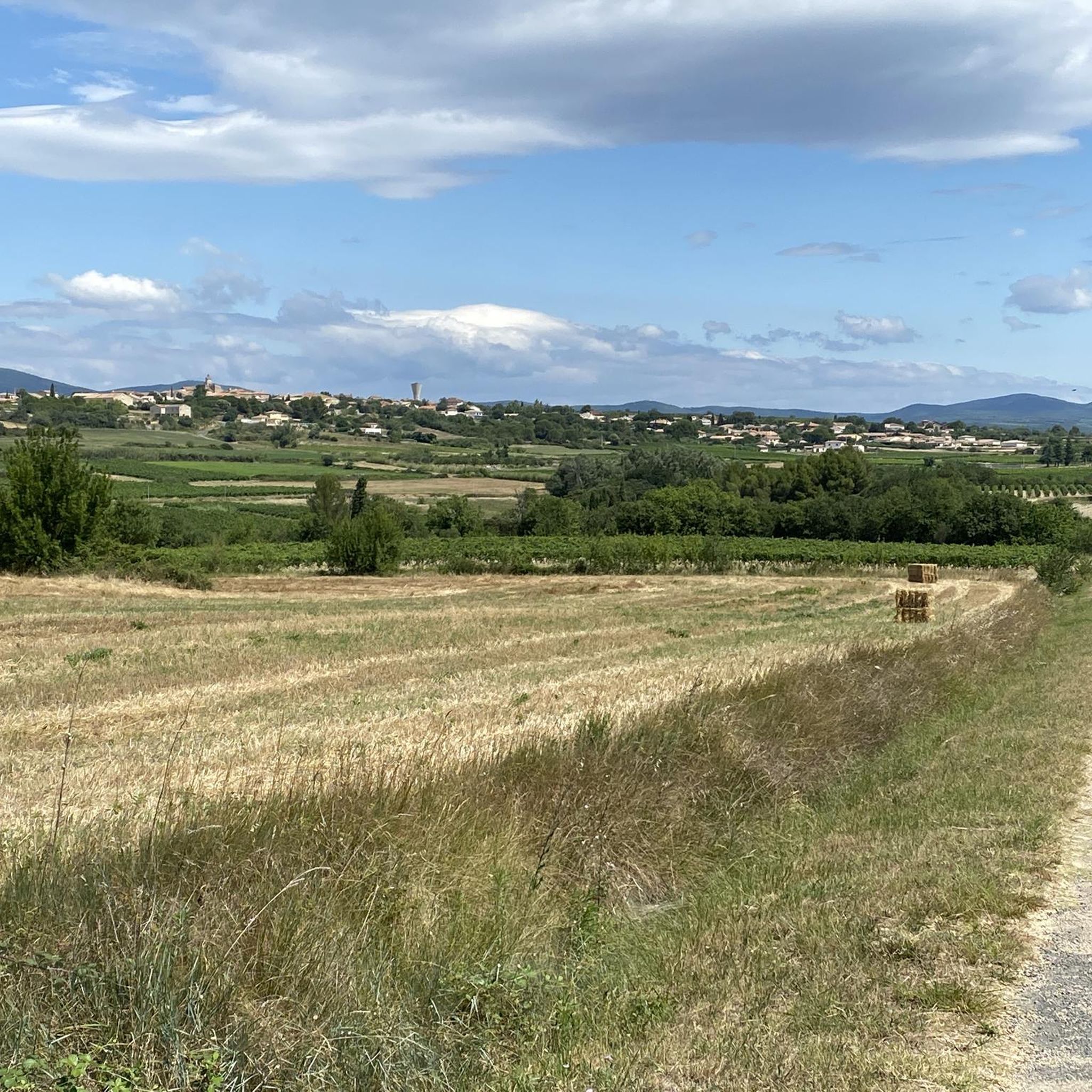
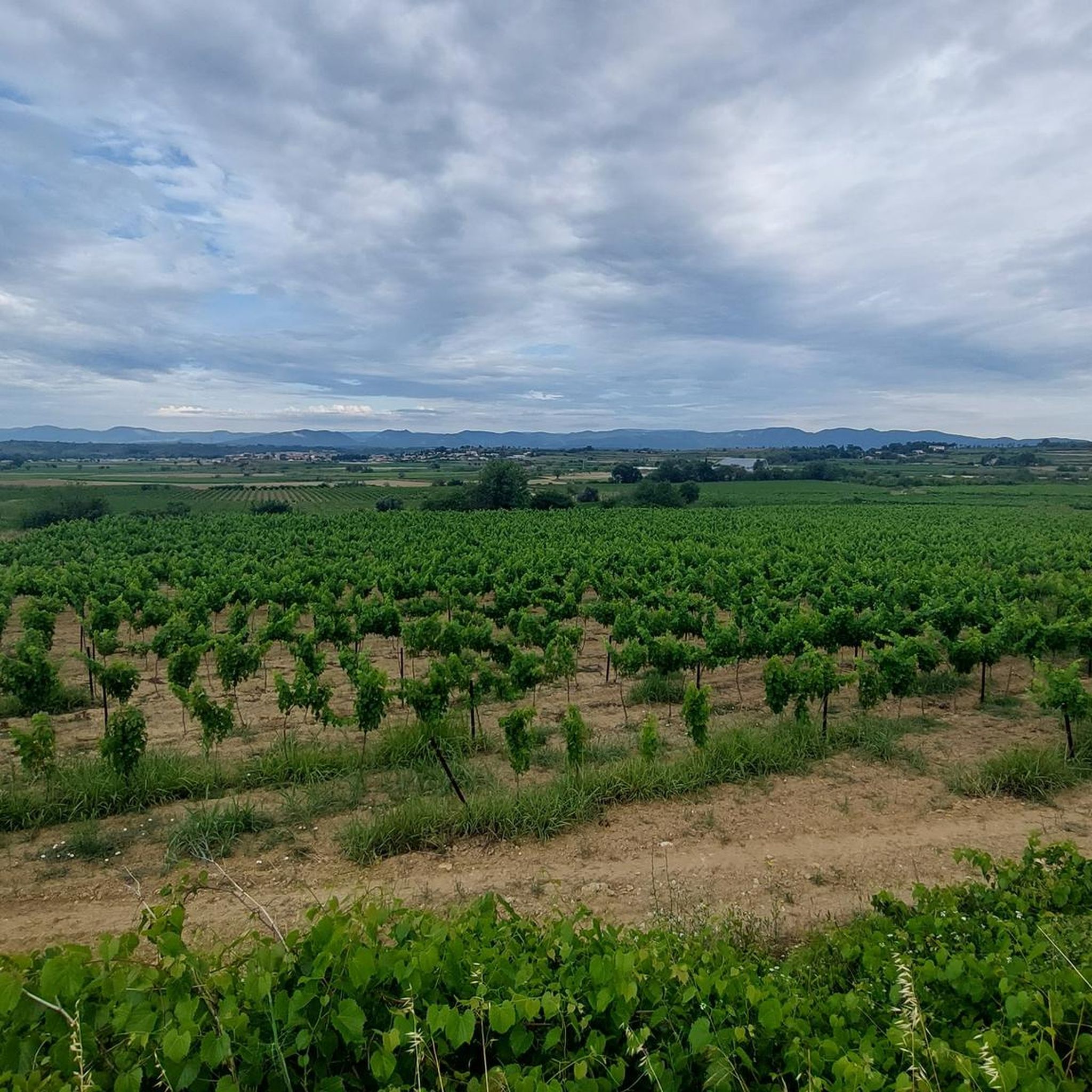
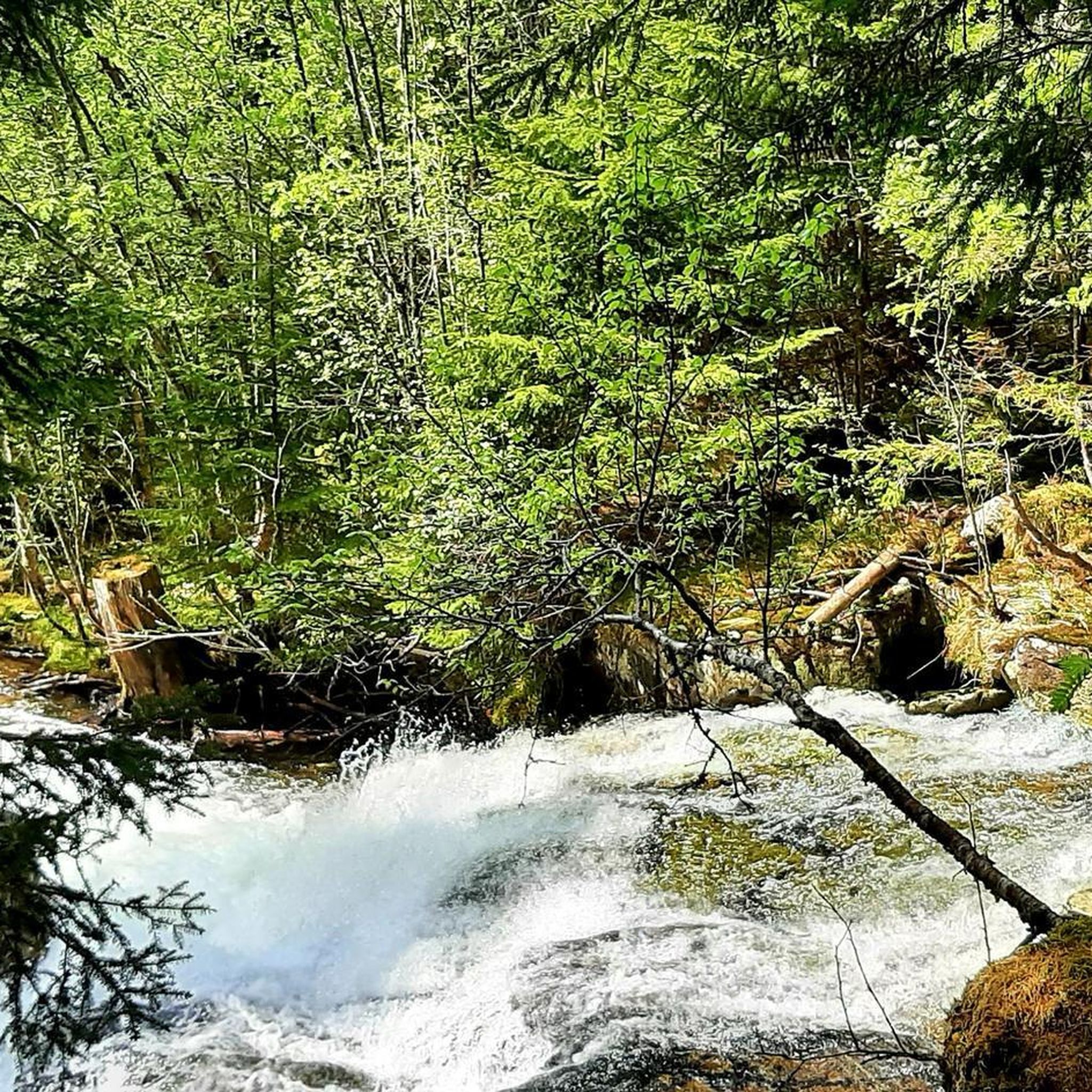
Road cycling routes around Magalas traverse a varied landscape in the Hérault department of southern France. The region features rolling hills, valleys, and extensive vineyards, offering diverse cycling experiences. Cyclists encounter both challenging climbs and scenic descents on well-paved surfaces, with routes often passing through the Haut-Languedoc Regional Natural Park.
Best road cycling routes around Magalas
- The most popular road cycling route is View of Roquebrun – Bridge over the L'Orb loop from Magalas, a 36.2 miles (58.3 km)…
Last updated: October 27, 2026
4.0
(2)
128
riders
79.6km
04:03
1,240m
1,240m
Hard road ride. Very good fitness required. Mostly well-paved surfaces and easy to ride.
3.9
(9)
169
riders
55.9km
02:36
650m
650m
Moderate road ride. Good fitness required. Mostly well-paved surfaces and easy to ride.

5.0
(6)
190
riders
78.8km
03:48
1,050m
1,050m
Hard road ride. Very good fitness required. Mostly well-paved surfaces and easy to ride.
5.0
(2)
76
riders
75.2km
03:37
1,040m
1,040m
Hard road ride. Very good fitness required. Mostly well-paved surfaces and easy to ride.
4.8
(6)
51
riders
52.0km
02:30
660m
660m
Moderate road ride. Good fitness required. Mostly well-paved surfaces and easy to ride.
Get access to more routes and recommendations from other explorers.
Already have an account?
Our route recommendations are based on thousands of hikes, rides, and runs completed by other people on komoot.
Start today with a free account
Your next adventure awaits.

Tips from the Community

The landscape opens onto the hamlet of Ceps, nestled on the banks of the Orb river. This village boasts a Romanesque church from the 12th century, a testament to ancient human presence in this enclosed area. Behind it, the wooded reliefs of the Haut-Languedoc form a natural backdrop that seems to protect the village.
2
0
In the heart of the village of Laurens, the former seigneurial castle recalls the medieval origins of this commune in the Hérault Avant-Monts region. Built in the 12th century by the lords of Fouzilhons, it was once the center of local power and the point around which the village developed. Together with the church, it formed the heart of the medieval community: one represented seigneurial authority, the other the spiritual life of the inhabitants. Over the centuries, the castle lost its original defensive and administrative function to become a place closer to the people. Today it houses the town hall, offering a surprising change of destiny: a former symbol of feudal power has become the village's common house. Nearby, the clock tower alone tells several centuries of Laurens' history. The first bell tower that occupied this site had a dual function: it served as a watchtower for the lord of the castle and as a belfry for the village community. From this high point, it participated in the surveillance of the territory while allowing the inhabitants to be alerted and gathered to the rhythm of the bell. In 1730, this first structure was replaced by the current bell tower. It retains its strategic position above the old access to the castle and the former church, which later became the Maison du peuple.
3
0
In the heart of old Cabrerolles, the Saint-Martin church recalls the medieval origins of this village in the Hérault's Avant-Monts. As in many fortified villages in Languedoc, the castle and the church formed the heart of the community. It was around these two poles that the narrow streets, dwellings, and daily life of the village developed. The building discovered today is the result of several construction campaigns and preserves the memory of this long evolution. Its dedication to Saint Martin is far from insignificant. Bishop of Tours in the 4th century, he was one of the great evangelizers of the Gallic countryside. His patronage, widespread in the oldest rural parishes, recalls the antiquity of the Christian community established in Cabrerolles.
2
0
Located at the entrance to the village, it occupies a site steeped in memory: the current building, dating from the 16th century, was built on the traces of a Romanesque chapel mentioned as early as 966. It thus bears witness to the continuity of a place of life and gathering that has spanned the centuries. Caussiniojouls developed around its ancient castrum, a fortified nucleus organized around the castle and the church. Here, the religious and the seigneurial once formed the heart of the medieval village: two essential landmarks that structured daily life and the organization of the territory. The Saint-Étienne church also bears the marks of time: its bell tower, destroyed by lightning in 1920, was rebuilt and then restored with local materials, recalling the village's attachment to its heritage.
2
0
The Notre-Dame-de-la-Purification church forms the historic heart of Causses-et-Veyran. Built between the 11th and 13th centuries, it preserves a remarkable Romanesque choir as well as several Gothic chapels added over time. Originally, it was the chapel of the feudal castle, which explains its unique position within the old castrum and its integration into the village fortifications. Right next door, on Place Jules Milhau, lie the remains of the former castle of the lords of Causses, including a medieval tower that recalls the strategic importance of the site. If you have a few minutes, extend your discovery with the two Gallo-Roman pillars located about 1.2 km southeast of the village, on the edge of the D19, at a place called Les Piliers. These impressive remains of an ancient Roman aqueduct bear witness to the ingenuity of ancient builders.
2
0
Dominating the old village of Magalas, the Saint-Laurent church was first the castle chapel before becoming the parish church in 1270. Built in the second half of the 12th century, it is one of the fine examples of Romanesque architecture in the Biterrois region, enriched over the centuries by Gothic and Renaissance elements. By taking the time to observe the porch and the sculpted capitals, you will discover faces, plant motifs, but also mermaids and griffins, witnesses to the medieval imagination. An amusing anecdote accompanies the place: in 1967, Louis de Funès filmed a cult scene from the film Le Petit Baigneur here. When leaving the church, continue your walk through the alleys of the ancient castrum, which still retain the layout of the medieval fortified village.
3
0
The gaze is naturally drawn to this small rock that masks Valuzières. This formation testifies to an ancient geological history: the limestones formed in a Paleozoic sea before being deformed by tectonic movements and then gradually sculpted by erosion. This relief, more resistant than the neighboring terrains, has remained in outcrop.
2
0
Pouzolles did not develop by chance around its castle. In 1556, the inhabitants of the neighboring hamlet of Saint-Martin de Grézan, struck by a plague epidemic, abandoned their village to settle under the protection of the ramparts. The castle chapel then became the parish church, giving birth to the heart of the current village. Even today, the Saint-Martin gate and the old streets built on the ramparts recall this unique history.
2
0
Frequently Asked Questions
How many road cycling routes are available around Magalas?
Magalas offers a wide selection of road cycling routes, with over 80 different tours available. These routes cater to various skill levels, from moderate rides to challenging climbs, ensuring there's something for every cyclist.
What kind of landscapes can I expect on road cycling routes in Magalas?
Road cycling routes around Magalas traverse a diverse landscape, transitioning from extensive vineyards to rolling hills, valleys, and scrubland. You'll often find yourself cycling through wine-producing regions like Saint-Chinian, near the River Orb, and even through segments of the Haut-Languedoc Regional Natural Park, which features olive groves, strawberry trees, and aromatic herbs.
Are there easy road cycling routes suitable for beginners in Magalas?
Yes, Magalas has several easy road cycling routes perfect for beginners or those looking for a more relaxed ride. For instance, the "OENOVELO 1 BIS" route from Saint-Chinian to the Canal du Midi, departing from Magalas station, is an easy option for exploring vineyards and enjoying views of the Pyrenees on clear days.
Are there challenging road cycling climbs near Magalas?
Absolutely. Magalas is known for its challenging climbs, particularly on routes that venture into the foothills of the Montagne Noire. Routes like the View of the village of Ceps – Fontfroide Pass loop from Magalas, covering over 116 km with significant elevation gain, offer demanding ascents and rewarding descents for experienced cyclists.
Are there road bike loop trails around Magalas?
Many of the road cycling routes around Magalas are designed as loops, allowing you to start and finish in the same location. Popular loop options include the View of Roquebrun – Bridge over the L'Orb loop from Magalas, which offers views of the River Orb, and the Puimisson - Autignac loop from Magalas, leading through picturesque vineyards.
What attractions can I see along the road cycling routes in Magalas?
Beyond the natural beauty, you can encounter several interesting attractions. The village of Magalas itself is an old medieval village with remnants of ramparts. Routes often pass through charming villages like Ceps and Vieussan. You might also spot highlights such as the Olivettes Dam or enjoy the Scenic Road Between Cabrières and Neffiès.
Are there scenic viewpoints on road bike routes in Magalas?
Yes, the region offers numerous scenic viewpoints. Many routes provide outstanding views, especially from higher elevations. You can find specific highlights like the A magnificent view after a steep climb, Coquillade Peak, or Mont Peyroux summit, offering panoramic vistas of the surrounding landscapes.
What do other road cyclists enjoy most about road cycling in Magalas?
The area is highly rated by the komoot community, with an average score of 4.2 stars from over 40 reviews. Cyclists often praise the varied terrain, from vineyards to rolling hills, the well-paved surfaces, and the diverse options for different ability levels, including both moderate rides and challenging climbs.
Are there family-friendly road bike routes in Magalas?
While many routes involve significant elevation, some sections and specific routes are more suitable for families. The "OENOVELO 1 BIS" route, for example, is noted as an easy option for exploring the vineyards. When planning a family ride, look for routes with lower elevation gains and shorter distances, often found in the flatter vineyard areas.
What is the best time of year for road cycling in Magalas?
The Hérault department generally offers pleasant cycling conditions for much of the year. Spring and autumn are particularly ideal, with milder temperatures and beautiful scenery as the vineyards change color. Summers can be hot, so early morning or late afternoon rides are recommended during peak season.
Where can I find parking for road cycling trails in Magalas?
Magalas, being a central point for many routes, typically offers parking options within the village. You can often find public parking areas near the village center or close to the starting points of popular routes. It's advisable to check local signage for specific parking regulations.
Are there places to stop for refreshments or cafes along the routes?
Yes, many road cycling routes around Magalas pass through or near charming villages such as Roquebrun, Ceps, Vieussan, Puimisson, and Autignac. These villages often have local cafes, bakeries, or small shops where you can stop for refreshments, a coffee, or to refill your water bottles.
Are there any historical sites to explore while road cycling in Magalas?
Beyond the medieval village of Magalas itself, which features remnants of ramparts and an 11th-century church, routes can take you past other historical points. The region is rich in history, and you might encounter old stone bridges, like the Vieussan Bridge, or other historical markers in the picturesque villages you pass through.
Most popular attractions around Magalas

Get inspired with the komoot mobile app


Explore more
Browse the best Road cycling routes in other regions.
