Attractions and Places To See around Courville-Sur-Eure - Top 14
Best attractions and places to see around Courville-Sur-Eure include a mix of historical heritage and natural landscapes. The town, located in the Eure-et-Loir department, features notable landmarks, cultural sites, and scenic natural features. Visitors can explore the banks of the Eure River, which offers potential for hiking and cycling, and discover historical monuments within the town center. The region is characterized by its agricultural lands and rich biodiversity around its ponds.
Best attractions and places to see around Courville-Sur-Eure
- The…
Last updated: July 7, 2026
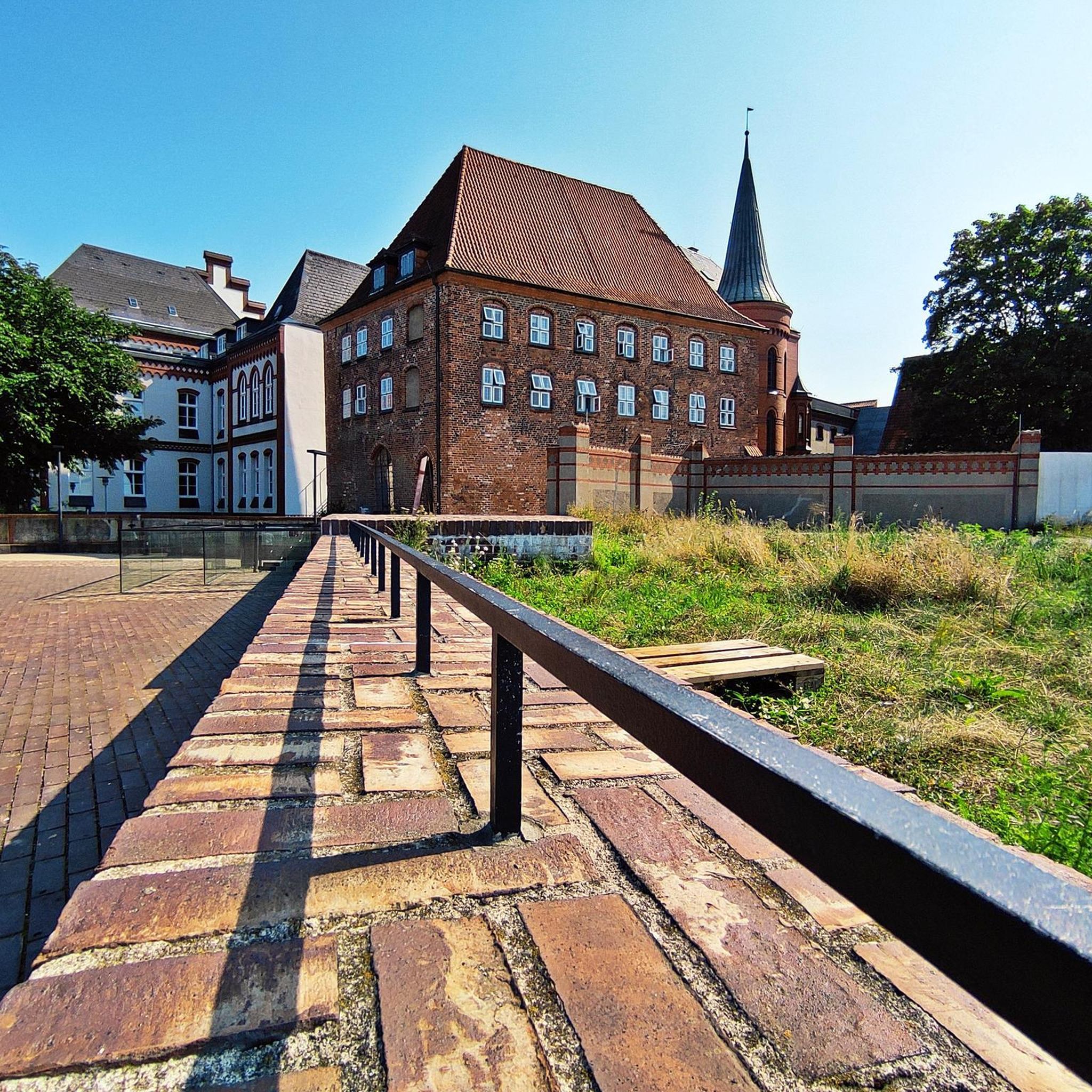
Vérigny Castle
Highlight • Castle
Translated by Google •
Tip by

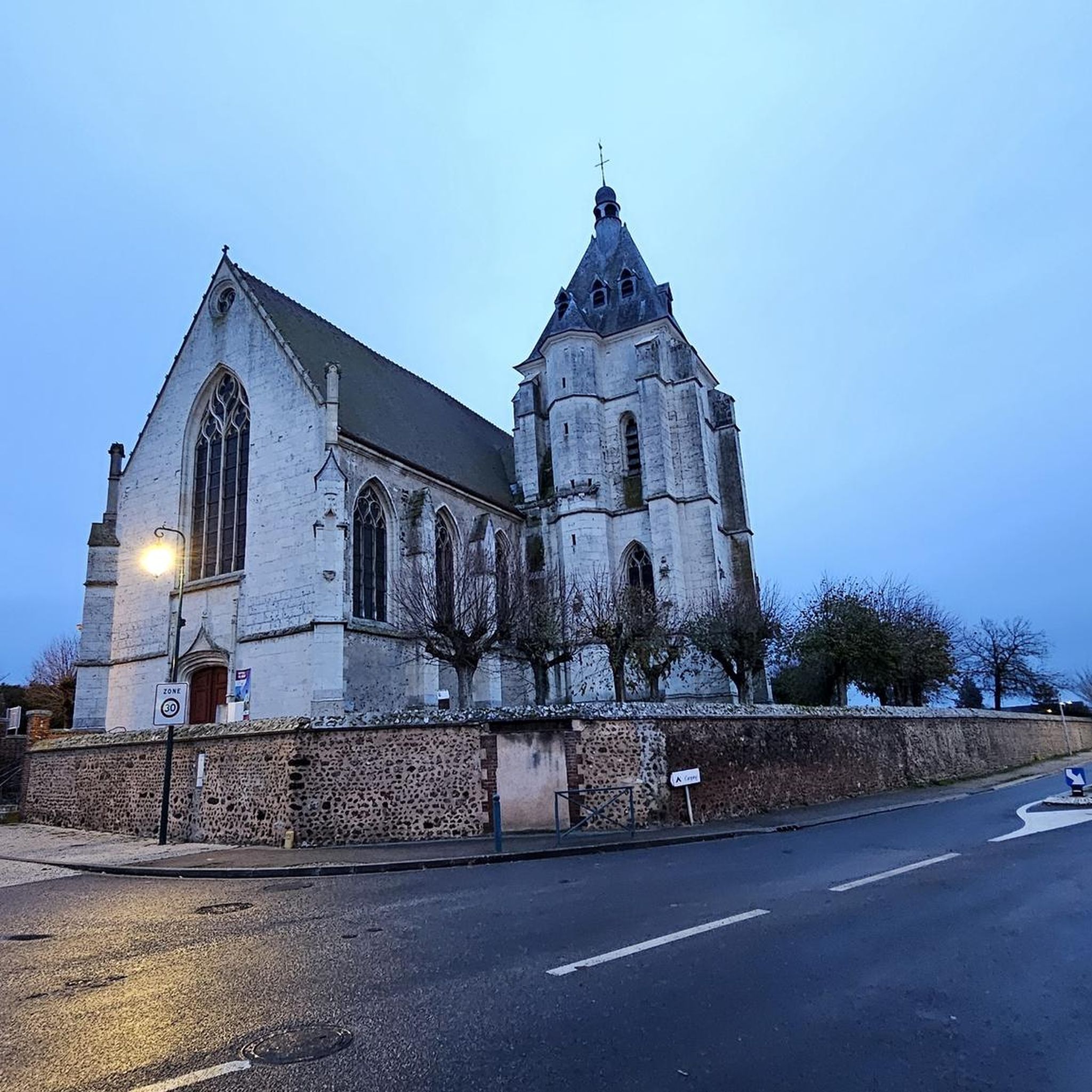
Saint-Georges Church of Saint-Georges-sur-Eure
Highlight • Religious Site
Translated by Google •
Tip by
Sign up now to discover places like this
Get recommendations on the best single tracks, peaks, & plenty of other exciting outdoor places.
Sign up for free
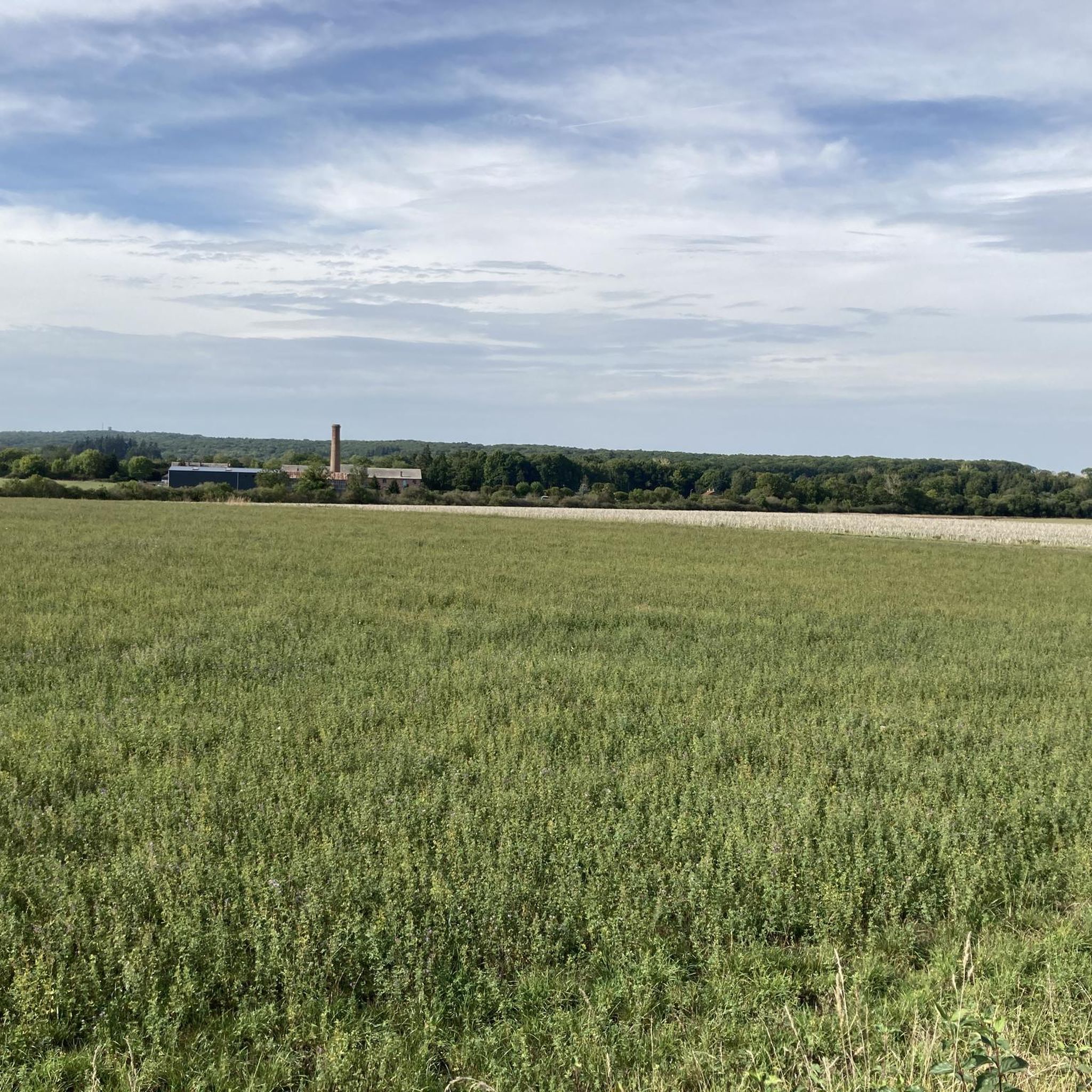
Orrouer Church
Highlight • Religious Site
Translated by Google •
Tip by

Canal at Dallonville (Canal de l'Eure)
Highlight • Structure
Translated by Google •
Tip by

Château de Fontaine-la-Guyon
Highlight • Castle
Translated by Google •
Tip by
Sign up for free to discover even more attractions around Courville-Sur-Eure.
Sign up for free
Already have an account?
Start today with a free account
Your next adventure awaits.
Login or Signup

Tips from the Community


A church that stands before you no matter where you come from.
0
0

This discovery began with the old castle of Gougnault from 1300 to 1413 then the rebirth under Louis XIV and the creation of the Eure canal which crossed the park, followed by an 18th and 19th. "In 1780, four-year-old Anne Marie Reviers de Mauny planted a cedar in a kindergarten and the tree still stands in the town hall park" underlined Jacques Charron, the president of the association. This discovery ended with the period of the liberation of the village on August 15, 1944 by the Americans. source: the republican echo
1
0

From a distance coming from Villebon, you can get a "little air" of Mont St Michel
0
0
It was in the 4th century that an oratory in honor of Saint George, martyred around the year 303, was built. Two centuries later, a chapel replacing the oratory was built by the monks of the abbey of Saint-Père-en-Vallée in Chartres. This abbey was located behind the Saint-Pierre church, on the current site of the Lycée Marceau. During the thirteenth century, between 1250 and 1270, the chapel gave way to a church. The parish - which will later become the commune - of Saint-Georges is constituted and becomes the capital of a seigneury of the chapter of Chartres. The church froze its architecture, as we know it today, in the sixteenth century around 1500, when it was enlarged by the construction of the South Chapel. source: wikipedia
1
0

Very beautiful castle, a very beautiful pond is behind easily accessible, ideal for a small break.
2
0
It was in the 4th century that an oratory in honor of Saint George, martyred around the year 303, was built. Two centuries later, a chapel replacing the oratory was built by the monks of the abbey of Saint-Père-en-Vallée in Chartres. This abbey was located behind the Saint-Pierre church, on the current site of the Lycée Marceau. During the thirteenth century, between 1250 and 1270, the chapel gave way to a church. The parish - which will later become the commune - of Saint-Georges is constituted and becomes the capital of a seigneury of the chapter of Chartres. The church froze its architecture, as we know it today, in the sixteenth century around 1500, when it was enlarged by the construction of the South Chapel.
2
0
Very beautiful castle located in the charming town of Fontaine la Guyon.
0
0
Frequently Asked Questions
What historical sites can I explore in Courville-Sur-Eure?
Courville-Sur-Eure is rich in history. You can visit the Saint-Pierre Church, a historical monument from the 15th and 16th centuries known for its exceptional furnishings. The town also features visible 15th-century Old Corbelled Houses and a unique 1902 Wind Turbine on Rue Masselin. Don't miss the "Discovery Heritage and History" Trail, a 22-step circuit highlighting the commune's heritage, including remnants of a medieval castle.
Are there any castles to visit near Courville-Sur-Eure?
Yes, there are several historical castles in the vicinity. You can explore Vérigny Castle, an 18th-century castle with a very ancient history, featuring a park and farm buildings from the 16th and 17th centuries. Another notable site is Château de Fontaine-la-Guyon, which has a history spanning from the old castle of Gougnault to its role during the liberation of the village in 1944.
What natural attractions are there around Courville-Sur-Eure?
The area offers beautiful natural landscapes, particularly along the banks of the Eure River, which crosses the southern part of Courville-Sur-Eure. The river valley features ponds with rich biodiversity, perfect for serene walks. Over 82% of the territory is agricultural land, providing expansive views of cereal crops. A cycle path also runs through the town, connecting Saint-Luperce to Chuisnes.
What outdoor activities can I do near Courville-Sur-Eure?
The region is excellent for outdoor enthusiasts. The banks of the Eure River offer significant potential for hiking and mountain biking. You can find various routes for different sports:
- For gravel biking, explore routes like the 'Barjouville Pond – Moulin de Ver-lès-Chartres loop'. Find more options in the Gravel biking around Courville-Sur-Eure guide.
- For road cycling, consider routes such as the 'Ponds of Fontenay sur Eure – Fontenay-sur-Eure Church loop'. Discover more in the Road Cycling Routes around Courville-Sur-Eure guide.
- For mountain biking, check out trails like the 'The Ponds – Ponds of Fontenay-sur-Eure loop'. More MTB trails are available in the MTB Trails around Courville-Sur-Eure guide.
Are there any unique religious buildings to see?
Beyond the Saint-Pierre Church, you can visit Orrouer Church, which stands alone in the middle of the plain and has a unique history, as the village around it has disappeared. Another significant site is the Saint-Georges Church of Saint-Georges-sur-Eure, which dates back to the 4th century with its origins as an oratory and was enlarged in the 16th century.
What is the Canal de l'Eure and can I visit it?
The Canal at Dallonville (Canal de l'Eure), also known as the Louis XIV canal, is an unfinished non-navigable canal built by Vauban in the 17th century to supply water to the royal domain of Versailles. Although never completed, it remains a fascinating historical site with magnificent works, offering a glimpse into ambitious engineering projects of the past. You can explore sections of it near Dallonville, Maintenon, or Boisard.
What do visitors enjoy most about the attractions around Courville-Sur-Eure?
Visitors particularly appreciate the blend of historical significance and natural beauty. For instance, Vérigny Castle is noted for its beauty and easily accessible pond, ideal for a break. The Orrouer Church is often described as a ghostly yet worthwhile detour due to its unique history. The historical narratives of sites like Château de Fontaine-la-Guyon also captivate visitors.
Are there any family-friendly attractions in the area?
Yes, several attractions are suitable for families. Both Saint-Georges Church of Saint-Georges-sur-Eure and Château de Fontaine-la-Guyon are categorized as family-friendly. The Canal at Dallonville (Canal de l'Eure) also offers an interesting historical walk that can be enjoyed by all ages. The general area with its ponds and river banks provides opportunities for pleasant family walks and exploration.
What is the 'Discovery Heritage and History' Trail?
The 'Discovery Heritage and History' Trail in Courville-sur-Eure is a 22-step circuit designed to help visitors explore the town's rich historical, industrial, and cultural heritage. It guides you through exceptional vernacular buildings and admirable monuments, revealing the commune's secrets and its three sites classified as historical monuments.
What kind of terrain can I expect around Courville-Sur-Eure for outdoor activities?
The terrain around Courville-Sur-Eure is diverse. You'll find flat areas dominated by agricultural land, primarily cereal crops, offering expansive views. Along the Eure River, the landscape becomes more varied with riverbanks and ponds. For cycling and hiking, routes can range from calm, rolling roads to more challenging paths, as indicated by the difficulty grades of nearby routes (easy, moderate, difficult).
Is Courville-Sur-Eure part of any significant historical routes?
Yes, Courville-sur-Eure is one of the communes crossed by the "Voie de la Liberté" (Liberty Way). This historical route commemorates the path taken by the Allied forces during the liberation of France in World War II, adding another layer of historical significance to the town.
Are there any hidden gems or less-known spots worth discovering?
Beyond the main attractions, the area features picturesque water mills and remarkable religious edifices such as the Saint-Gilles Chapel and the Madeleine Chapel. The 16th-century carved limestone door from the old Saint-Nicolas church, now integrated into the local hospital, is another unique historical detail. The contemporary mural fresco on the water tower also offers a modern artistic point of interest.

Get inspired with the komoot mobile app


Explore more
Still not found the Highlight you’re looking for? See guides of the top attractions in other regions:
