Attractions and Places To See around Fauillet - Top 20
Best attractions and places to see around Fauillet, a commune in the Lot-et-Garonne department, offer a blend of historical discovery and natural beauty. The area is characterized by its proximity to the Garonne river and its canal, providing scenic routes. Visitors can explore local landmarks within the village and venture out to discover cultural sites and natural features nearby. The region provides opportunities to experience French heritage and rural charm.
Best attractions and places to see around Fauillet
- The most…
Last updated: July 6, 2026
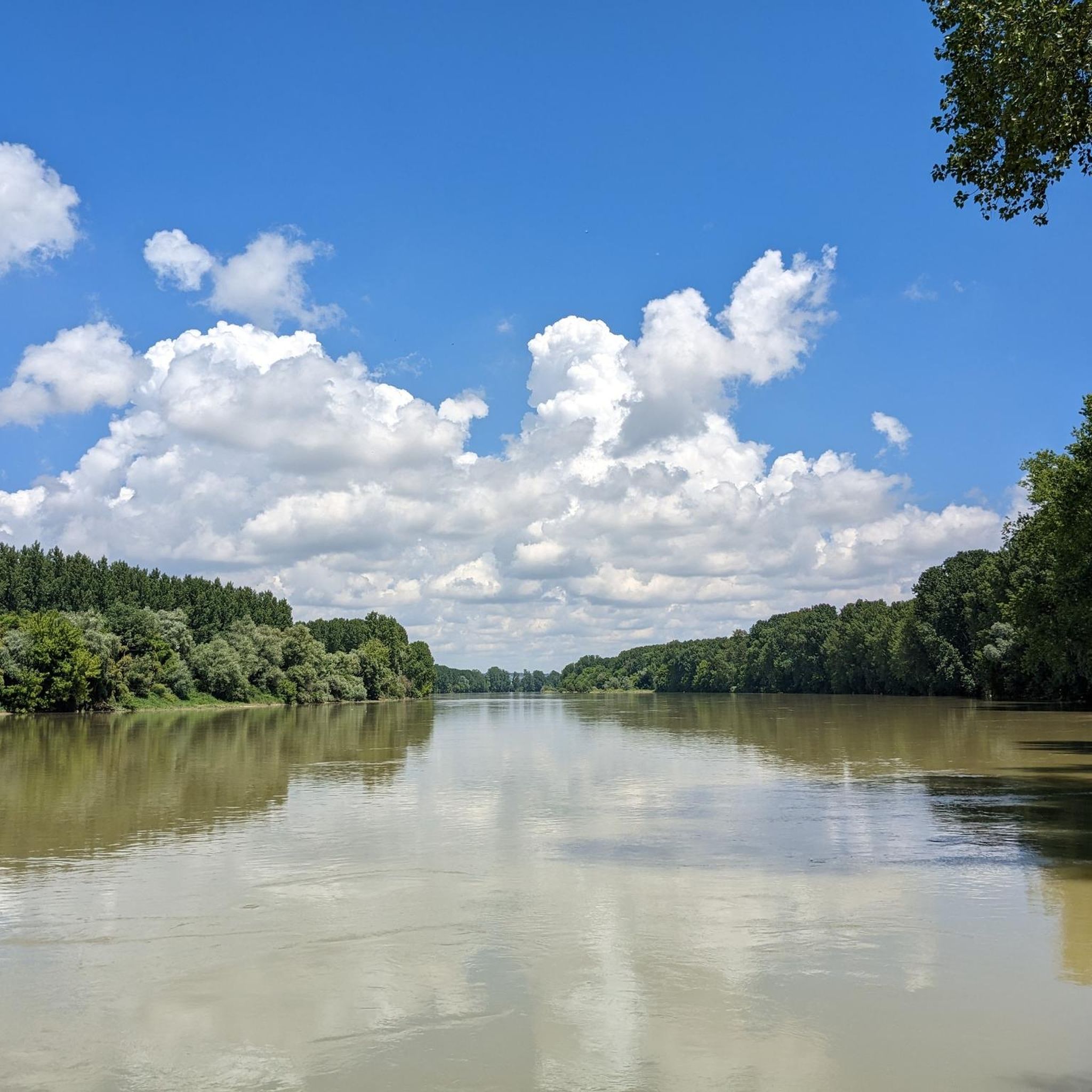
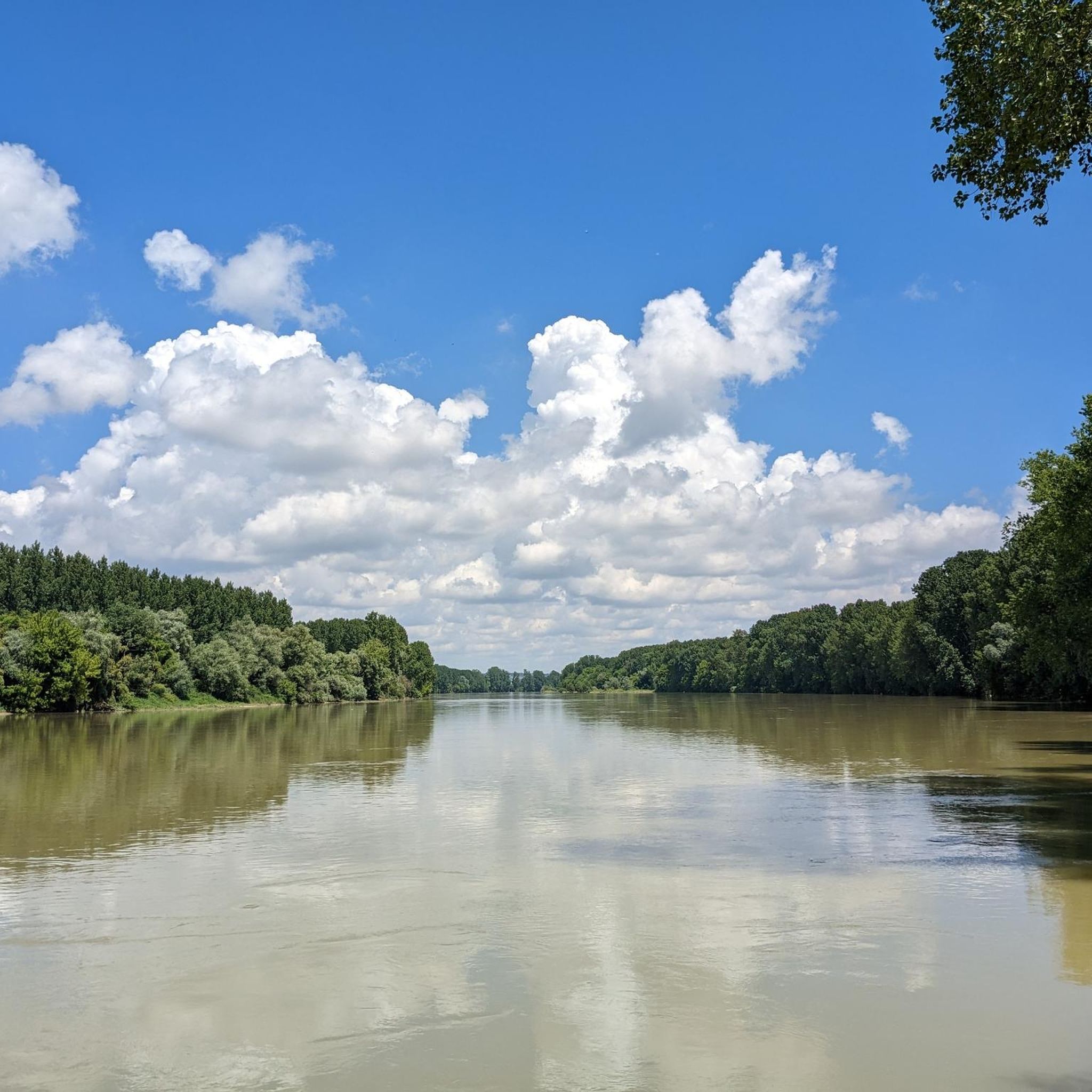
Canal Latéral à la Garonne
Highlight (Segment) • River
Translated by Google •
Tip by

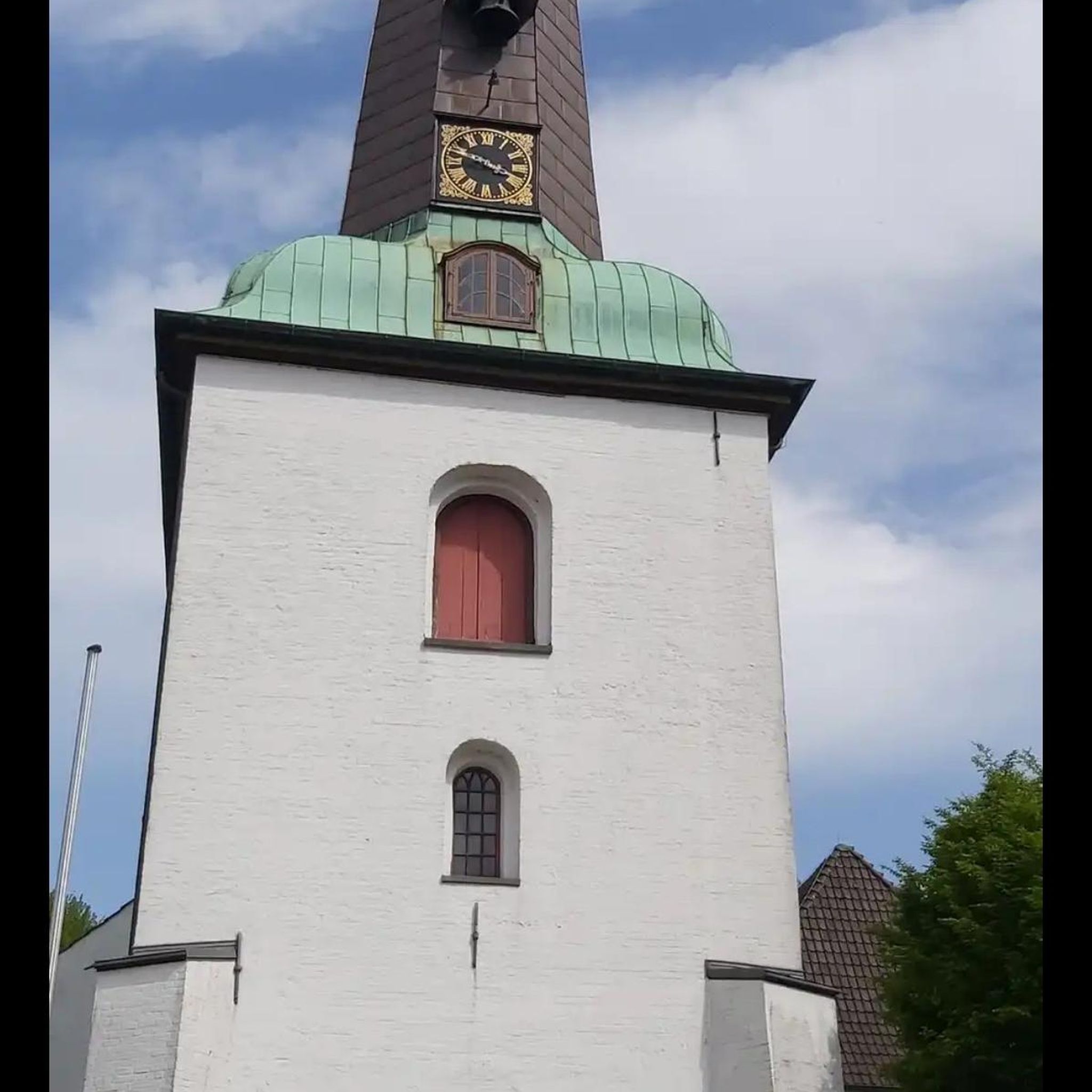
Rembrandt’s Christ on the Cross in Saint-Vincent Church, Le Mas-d’Agenais
Highlight • Religious Site
considered one of the greatest painters in the history of art
European Baroque and one of the most important painters …
Translated by Google •
Tip by

Sign up now to discover places like this
Get recommendations on the best single tracks, peaks, & plenty of other exciting outdoor places.
Sign up for free
Gibra Mill
Highlight • Other
Translated by Google •
Tip by

Historic Center of Clairac
Highlight • Historical Site
Translated by Google •
Tip by

Le Mas-d'Agenais
Highlight • Settlement
Translated by Google •
Tip by

Sign up for free to discover even more attractions around Fauillet.
Sign up for free
Already have an account?
Start today with a free account
Your next adventure awaits.
Login or Signup
Tips from the Community

Very pleasant and shady and not too crowded.
0
0

A beautiful tour along the canal. Approx. 5 km before, there is a great tapas bar on the other side of the canal. You shouldn't miss it
0
0

The village of Mas-d'Agenais is full of treasures! With its magnificent market hall, Romanesque church, and stunning ancient statue, it invites you on a journey through the centuries. Nestled on the banks of the Garonne, it's a must-see stop for exploring the region's treasures.
0
0

Very pleasant route, mostly asphalted in the shade and at the water's edge of course. However, the Lot-et-Garonne part of this route is more bumpy, the roots lift the tar and make bumps that are sometimes quite significant, so don't be surprised. Another negative point, it is sometimes difficult to find free access water taps, even in the nautical stops you will most of the time have to go and ask for water in the bars or restaurants along the track, or leave the track to go directly to the village cemeteries.
1
0

Nowadays, they are rarely used for their original purpose, but are often just technical and historical monuments to a long tradition of craftsmanship. But here is fortunately proof of the opposite: the heavy millstones inside are moved solely by the power of the wind as the driving force, and grain is ground into flour (so-called grain mills). These old windmills are therefore the best proof that people were clever enough a number of centuries ago - long before the discovery of electricity and the inventions that followed it - to harness the natural power of the elements.
2
0

Peaceful route by the water, in the shade under the trees 🌳
0
0

Rembrandt, born July 15, 1606, died October 4, 1669 is considered one of the greatest painters in the history of art European Baroque and one of the most important painters of the Dutch School of the 17th century. He produced more than 400 paintings, 300 etchings and 300 drawings. In 1631, he painted Christ on the Cross which is visible in the St-Vincent collegiate church of Mas-d’Agenais. From the paved square with a medieval-looking market hall, you must enter the 12th century Collegiate Church, get lost between sarcophagi and sculpted stalls, before discovering “The Crucifixion”. The painting is part of a series by the master on the Passion of Christ.
1
0
The history of Clairac is inseparable from that of its Benedictine abbey, which was internationally renowned in the Middle Ages. The abbey, as well as the town which was formed around its walls, reached their peak in the 12th and 13th centuries. There were then 120 monks who worked both in the fields and as copyists of manuscripts. The abbot of Clairac was also the lord of the village and commanded two bastides, five priories and around fifty parishes. The monks also owned two mills on the Lot. The income generated by the abbey was then considerable. But the most important heritage is unexpected: the plum tree of Damascus, brought back from the crusades, was in fact "enté", that is to say grafted, by them for the 1st time. They also discovered the sun-drying process, inventing the Ente plum and the Agen prune in one fell swoop!
1
0
Frequently Asked Questions
What historical landmarks can I explore within Fauillet itself?
In Fauillet, you can visit the ancient Église Saint-Jean-Baptiste, known for its fortified bell tower, which is believed to be a remnant of a former castle. There's also the site of the Ancienne Église Saint-Jean, now mostly ruins with a brick bell-wall, and the historic Ancienne Mairie-Halle, which once served as both town hall and market hall. Additionally, the Moulin à eau sur le Tolzac (Water Mill on the Tolzac) is a beautiful site undergoing restoration.
Are there any remarkable natural attractions or gardens near Fauillet?
Yes, the area boasts some beautiful natural and cultivated spaces. Approximately 13-14 km away, you'll find the Canal Latéral à la Garonne, a pleasant, shaded waterway popular for cycling. Further afield, about 13-14 km from Fauillet, are the Jardins de Beauchamp, a recognized 'Remarkable Garden' with various themed areas. About 19 km away, in Le Temple-sur-Lot, is the world-renowned Latour-Marliac Waterlily Garden, famous for inspiring Monet and housing the French National Collection of water lilies.
What cultural experiences, like local markets, are available in the vicinity of Fauillet?
While Fauillet is a small commune, nearby towns offer vibrant cultural experiences through their local markets. Tonneins, just 3 km away, hosts markets on Wednesdays and Saturdays. Aiguillon, about 14 km distant, has markets on Tuesdays and Fridays. These are great places to experience local culture and find regional produce.
What are the options for cycling around Fauillet?
Fauillet is well-suited for cycling, particularly along the Canal Latéral à la Garonne, which offers pleasant shaded passages. For more structured routes, you can explore various cycling tours, including the 'Garonne Hillsides Loop from Tonneins' or the 'Baïse Aqueduct – Canal Latéral à la Garonne loop from Tonneins'. You can find more cycling routes in the Cycling around Fauillet guide.
Are there any specific historical sites or villages worth visiting close to Fauillet?
Absolutely. The village of Le Mas-d'Agenais, nestled on the banks of the Garonne, is a must-see with its magnificent market hall, Romanesque church, and ancient statues. It also houses Rembrandt’s Christ on the Cross in Saint-Vincent Church. Another historical gem is the Historic Center of Clairac, known for its beautiful half-timbered houses and the Saint-Pierre-ès-Liens church.
What kind of outdoor activities can I do near Fauillet?
The area around Fauillet offers a variety of outdoor activities. Besides cycling along the Canal Latéral à la Garonne, you can find numerous MTB trails, such as the 'Forest Crosstrack loop from Gontaud-de-Nogaret'. There are also running trails like the 'Canal-side rest area – Canal view loop from Réserve naturelle de l'étang de la Mazière'. For more details, check out the MTB Trails around Fauillet and Running Trails around Fauillet guides.
Are there family-friendly attractions around Fauillet?
Many attractions in the region are suitable for families. The Canal Latéral à la Garonne is excellent for family bike rides due to its shaded paths. The Jardins de Beauchamp and the Latour-Marliac Waterlily Garden offer engaging experiences for all ages with their diverse plant collections and water features. Historic villages like Le Mas-d'Agenais and the Historic Center of Clairac also provide interesting explorations for families.
What do visitors enjoy most about the attractions near Fauillet?
Visitors particularly appreciate the blend of historical discovery and natural beauty. The shaded, bucolic passages along the Canal Latéral à la Garonne are highly praised for cycling. The historical depth of places like Le Mas-d'Agenais, with its Romanesque church and the significant Rembrandt painting, is also a major draw. The region's charm and the opportunity to explore ancient sites are frequently highlighted.
Is there a historic windmill I can visit near Fauillet?
Yes, you can visit the Gibra Mill, also known as the Bourdeille mill. This historic windmill, listed in the inventory of Historic Monuments, offers a profound panorama of the Garonne valley from its hilltop location. On windy days when it's open to the public, you can even watch milling demonstrations, as it still grinds grain using wind power.
Are there any cafes or places to eat near the attractions?
While specific cafes are not extensively listed for every attraction, one visitor tip mentions a great tapas bar on the other side of the canal, about 5 km before Le Mas-d'Agenais. Local markets in nearby towns like Tonneins and Aiguillon also offer opportunities to sample local produce and snacks.
What is the best time to visit Fauillet and its surrounding attractions?
The region of Nouvelle-Aquitaine, where Fauillet is located, generally enjoys pleasant weather from spring through early autumn. This period is ideal for exploring the outdoor attractions like the Canal Latéral à la Garonne, the Jardins de Beauchamp, and the Latour-Marliac Waterlily Garden. The local markets are also most vibrant during these seasons.

Get inspired with the komoot mobile app


Explore more
Still not found the Highlight you’re looking for? See guides of the top attractions in other regions:
