The best walks and hikes around Trans-En-Provence
4.3
(655)
3,421
hikers
19
hikes
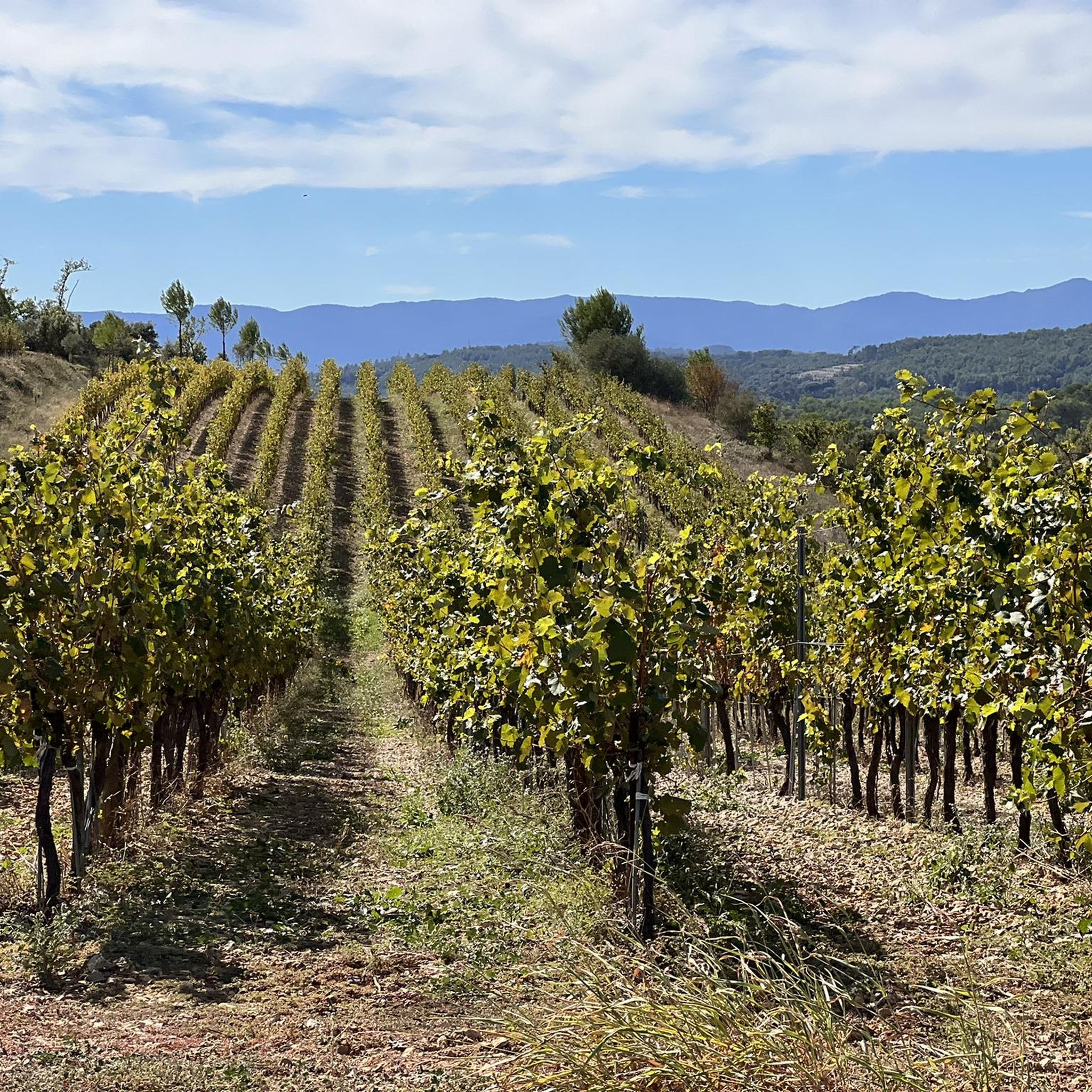
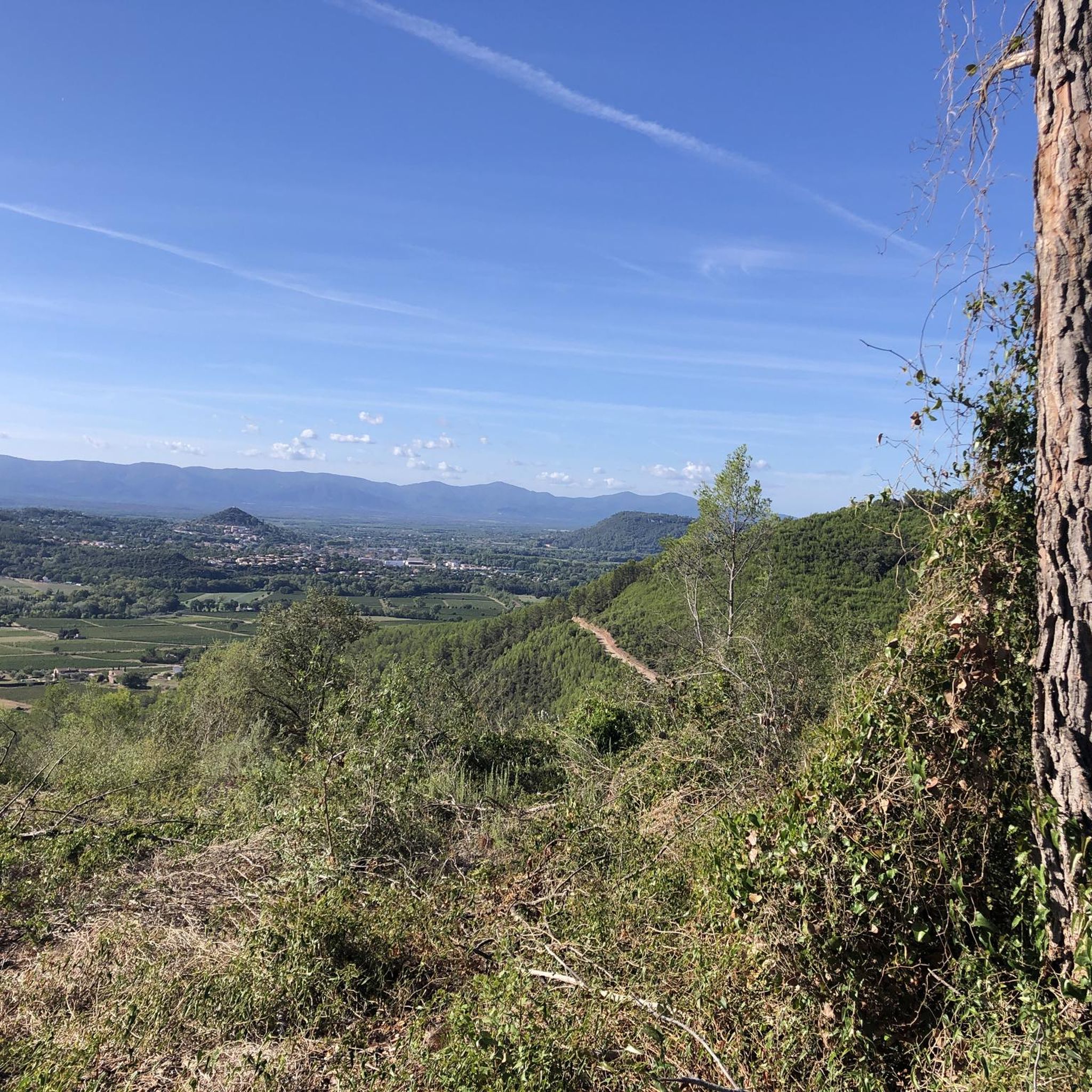
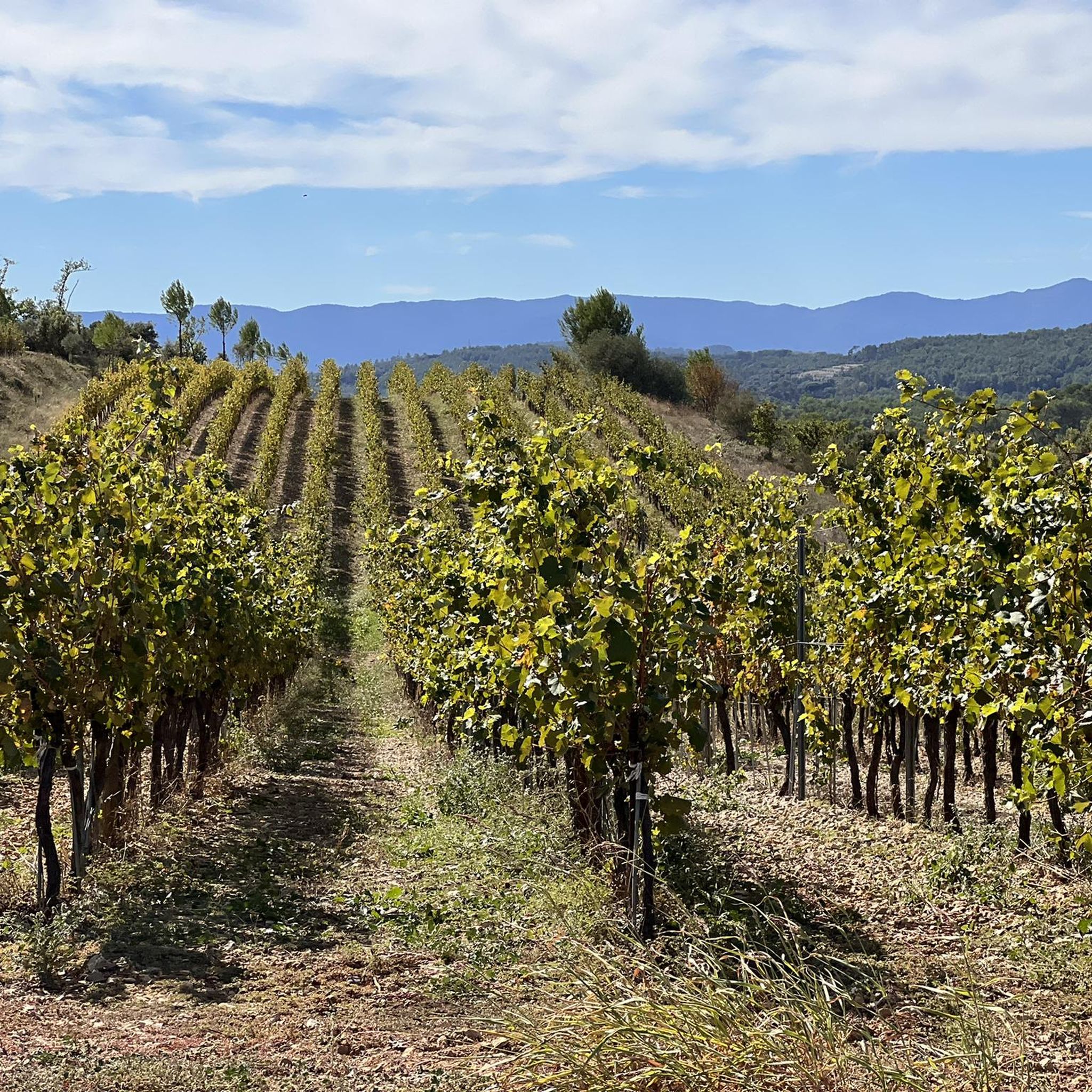
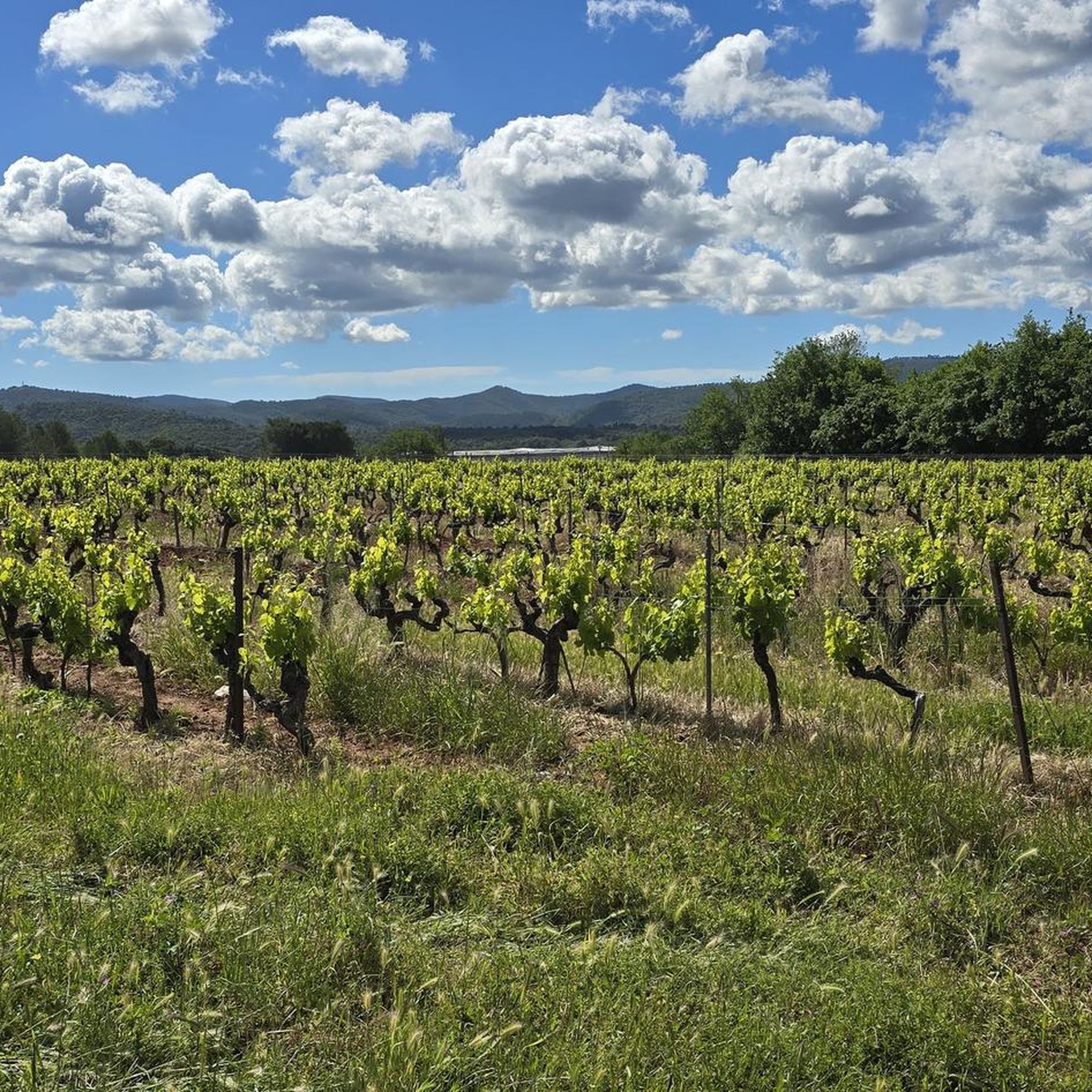
Hiking around Trans-En-Provence offers diverse landscapes, from rugged hills to rolling terrain with vineyards and forests. The region is characterized by notable natural features, including waterfalls and gorges, particularly along the Nartuby river. Hikers can explore a mix of Provençal scenery, encountering red rock formations and wild lavender fields depending on the specific trail and season. This varied environment provides a range of hiking experiences for different fitness levels.
Best hiking trails around Trans-En-Provence
- The most popular hiking route is Suspension Bridge of Cotignac – Passerelle suspendu loop from Trans-en-Provence, an easy 3.6 miles (5.9 km) trail that takes 1 hour 38 minutes to complete. This route features a Himalayan footbridge over the Nartuby river, alongside old bridges and canals.
- Another top favourite among local hikers is Pont Vieux de Barjols – Passerelle suspendu loop from Trans-en-Provence, a moderate 5.7 miles (9.2 km) path. This trail highlights the area's aquatic features, including waterfalls and historic bridges.
- Local hikers also love the Air well – Saint Roseline Chapel loop from Trans-en-Provence, a 7.8 miles (12.6 km) trail leading through historical elements like an aerial well, often completed in about 3 hours 18 minutes.
- Hiking around Trans-En-Provence is defined by waterfalls, gorges, and varied Provençal terrain, including forests and vineyards. The network offers options for different ability levels, from easy walks to moderate excursions.
- The routes in Trans-En-Provence are highly rated by the komoot community with an average score of 4.4 stars from over 500 reviews. More than 3000 hikers have used komoot to explore Trans-En-Provence's varied terrain.
Last updated: October 26, 2026
2.5
(4)
35
hikers
Easy hike. Easily walkable paths.
2.9
(8)
20
hikers
9.19km
02:31
140m
140m
Moderate hike. Good fitness required. Easily walkable paths.

17
hikers
13.5km
03:34
120m
120m
Moderate hike. Good fitness required. Easily walkable paths.
3.0
(1)
9
hikers
Moderate hike. Good fitness required. Easily walkable paths.
5.0
(2)
5
hikers
11.0km
02:51
70m
70m
Moderate hike. Good fitness required. Easily walkable paths.
Get access to more routes and recommendations from other explorers.
Already have an account?
Our route recommendations are based on thousands of hikes, rides, and runs completed by other people on komoot.
Start today with a free account
Your next adventure awaits.

Tips from the Community

The Saint-Victor church is located in the historic center of Trans-en-Provence in the Var department of southern France. Its origins date back to the 13th century. After being rebuilt, it was consecrated in 1496, but was burned down by the troops of Emperor Charles V in 1536 and subsequently reconstructed. The church was expanded several times in the 17th and 18th centuries. Particularly striking are the simple stone facade with its curved gable and the bell tower with its ornate wrought-iron top. Inside, there is a gilded wooden altar from 1690, historical paintings, and colorful stained glass windows from the 19th century. The church remains the center of religious life in the town to this day.
1
0
The St.-Rochus-Kapelle (Chapelle Saint-Roch) is located on the Nartuby river in Trans-en-Provence in the French department of Var. It was built in 1680 to replace an older chapel from the 16th century and is dedicated to Saint Roch, who is venerated as the patron saint against the plague. According to tradition, Roch visited the village during a plague epidemic and saved the inhabitants from the disease. Inside, there is a valuable altarpiece and numerous votive offerings. The chapel was last restored in 2001. Every year in August, the saint is honored with a traditional procession and a multi-day festival.
1
0
The air well of Trans-en-Provence (Puits aérien) is an unusual technical structure in the Var department of southern France. It was built in 1931 by the Belgian engineer Achille Knapen to extract drinking water from the humidity in the air. The approximately 13-meter-high, dome-shaped stone building resembles a giant beehive and has numerous openings for air circulation. Through cooling at night, water vapor was intended to condense inside and be collected in a basin. However, the experiment yielded only very small amounts of water because the temperature differences were not sufficient. Since 1983, the air well has been a listed monument and is considered today a remarkable testament to early attempts to extract water from the air.
1
0

With the patronage of "John the Baptist", this parish has chosen a saint who is considered the forerunner of Jesus Christ. In Christian theology, he is the prophesied caller in the desert from the Old Testament book of Isaiah: "A voice cries: In the desert prepare the way for the Lord, make straight in the wilderness a highway for our God!" (Luther Bible). John is the son of Zacharias and Elisabeth, who is visited by the Mother of God Mary when she learned from the Archangel Gabriel that she herself was to give birth to Jesus Christ, and her relative – previously childless – was pregnant in old age. The feast day of Saint Jean Baptist in the calendar of saints is exactly today, June 24th.
0
0

Nestled in the heart of a vineyard, the Sainte-Roseline chapel surprises with the richness of its heritage. Behind its apparent simplicity lie remarkable works of art, including creations by Chagall and Giacometti. A sublime place, peaceful and steeped in history.
0
0

for a moment of relaxation and freshness
0
1

Nice monument to see...
4
0
Frequently Asked Questions
What types of landscapes can I expect to see while hiking around Trans-en-Provence?
Trans-en-Provence offers a diverse range of landscapes. You'll find rugged hills, rolling terrain with vineyards, and thick green forests. The region is also known for its notable natural features, including dramatic waterfalls and gorges, particularly along the Nartuby river. Depending on the season and specific trail, you might also encounter red rock formations and fragrant wild lavender fields.
Are there many hiking trails available in Trans-en-Provence?
Yes, there are over 20 hiking routes available around Trans-en-Provence. These trails cater to various abilities, from easy walks to moderate excursions, ensuring there's something for everyone to explore.
What is the general difficulty level of hikes in Trans-en-Provence?
The hiking trails in Trans-en-Provence are primarily rated as easy to moderate. There are 8 easy routes and 12 moderate routes, making the area accessible for most hikers. You won't find any difficult trails directly within this guide's selection.
Are there any hikes that feature waterfalls or gorges?
Absolutely! The region is known for its aquatic features. For instance, the The Waterfalls – Pont Vieux de Barjols loop from Trans-en-Provence specifically highlights waterfalls. Another excellent option is the Pont Vieux de Barjols – Passerelle suspendu loop from Trans-en-Provence, which also features waterfalls and historic bridges. You can also explore the Pennafort Gorges, a significant natural monument in the area.
What kind of historical features can be found on the trails?
Some trails incorporate interesting historical elements. For example, the Air well – Saint Roseline Chapel loop from Trans-en-Provence leads you past an aerial well, which is a unique historical structure. Many routes also feature old bridges and canals, offering glimpses into the region's past.
Are there any family-friendly hiking options in Trans-en-Provence?
Yes, many of the easy and moderate trails are suitable for families. Routes like the Suspension Bridge of Cotignac – Passerelle suspendu loop from Trans-en-Provence, with its 70-meter Himalayan footbridge, offer an engaging experience for all ages. With 8 easy routes available, you'll find plenty of options for a pleasant family outing.
What are some notable natural attractions or viewpoints to look out for?
Beyond the waterfalls and gorges, you can discover several natural attractions. The The Three Crosses offers a summit experience, while the View of the Red Cliffs provides a striking vista. Don't miss the Sauveclare Waterfall and Le Saut du Capelan (waterfall) for more aquatic beauty.
What do other hikers say about the trails in Trans-en-Provence?
The hiking routes in Trans-en-Provence are highly regarded by the komoot community, boasting an average rating of 4.4 stars from over 500 reviews. Hikers often praise the varied terrain, the beautiful natural features like waterfalls, and the well-maintained paths that offer a range of experiences.
Are there circular walks available in the area?
Many of the popular routes around Trans-en-Provence are designed as loops, offering convenient circular walks. Examples include the Suspension Bridge of Cotignac – Passerelle suspendu loop and the Air well – Saint Roseline Chapel loop, allowing you to start and finish at the same point.
What is the best time of year to go hiking in Trans-en-Provence?
Trans-en-Provence offers pleasant hiking conditions for much of the year. Spring and autumn are particularly ideal, with mild temperatures and vibrant natural colors. Summer can be warm, but early mornings or late afternoons are still enjoyable. Winter offers a different charm, with cooler weather and fewer crowds, though some trails might be damp.
Is Trans-en-Provence a good base for exploring other natural parks?
Yes, Trans-en-Provence is well-situated for exploring the wider Provence region. It's within reach of significant natural parks like the Parc Naturel du Verdon, known for its quiet forests and rugged plateaus, and the Plaine des Maures Natural Park, which features unique ecosystems with umbrella pines and cork oak trees.
Are there any specific trails that feature a suspension bridge?
Yes, the Suspension Bridge of Cotignac – Passerelle suspendu loop from Trans-en-Provence is a popular easy route that features a 70-meter Himalayan footbridge, offering a unique and exciting way to cross the Nartuby river.
Most popular routes around Trans-En-Provence
Most popular attractions around Trans-En-Provence

Get inspired with the komoot mobile app


Explore more
Browse the best Hikes in other regions.
