Attractions and Places To See around Sablet - Top 20
Best attractions and places to see around Sablet, a Provençal village in the Vaucluse department, offer a blend of historical landmarks, natural beauty, and cultural experiences. Situated at the foot of the Dentelles de Montmirail and near Mont Ventoux, the area provides opportunities for exploration. Sablet is known for its 14th-century ramparts, Romanesque church, and position within the Côtes du Rhône wine region. Visitors can explore historical sites, scenic vineyards, and charming village streets.
Best attractions and places to see…
Last updated: July 6, 2026
Col de la Madeleine
Highlight • Cycleway
Translated by Google •
Tip by

Madeleine Pass (Mont Ventoux)
Highlight (Segment) • Mountain Pass
- Good road surface and lots of spots with a great view
Tip by

Sign up now to discover places like this
Get recommendations on the best single tracks, peaks, & plenty of other exciting outdoor places.
Sign up for free
Suzette Pass
Highlight • Mountain Pass
Translated by Google •
Tip by

Climbing Mont Ventoux from Malaucène
Highlight (Segment) • Summit
Tip by

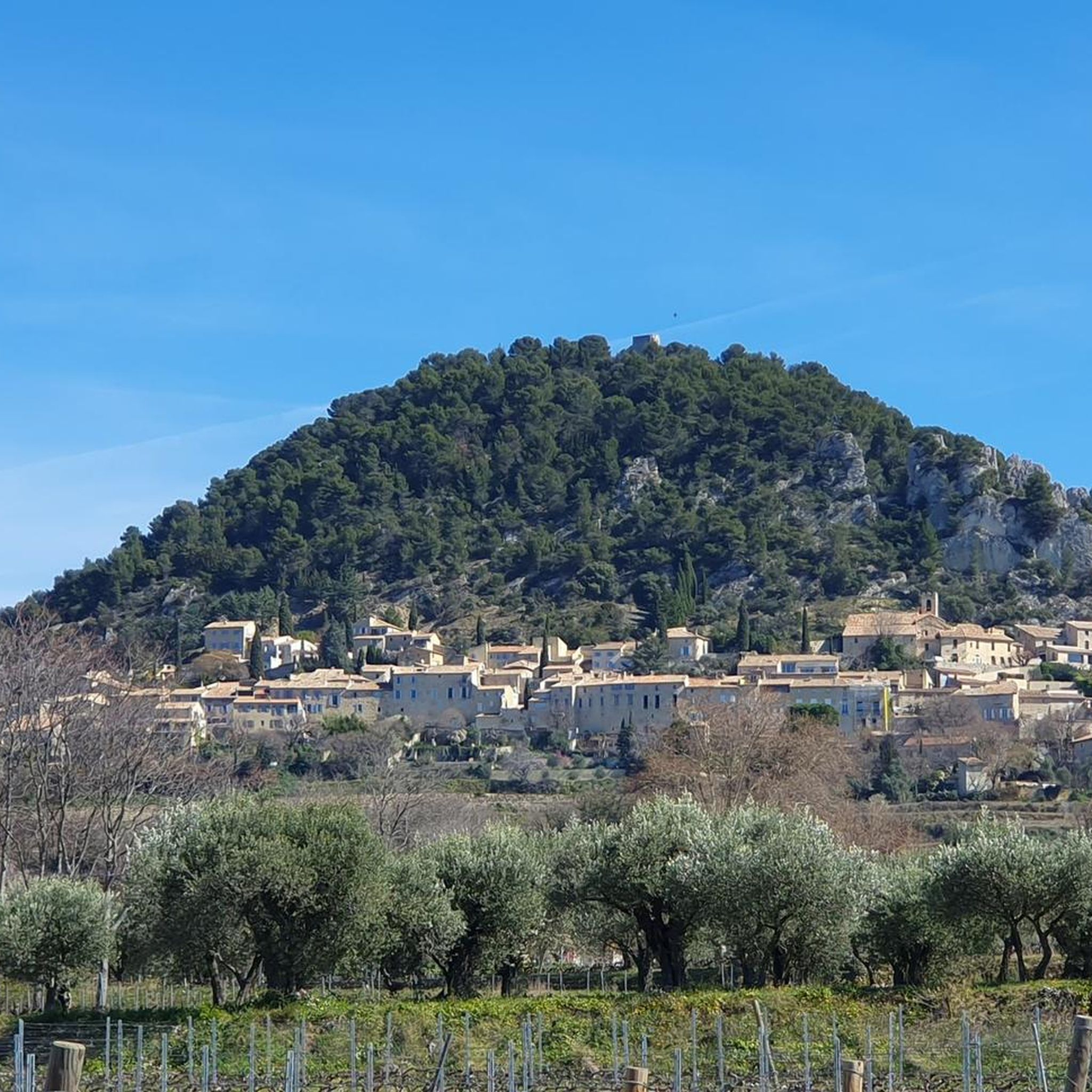
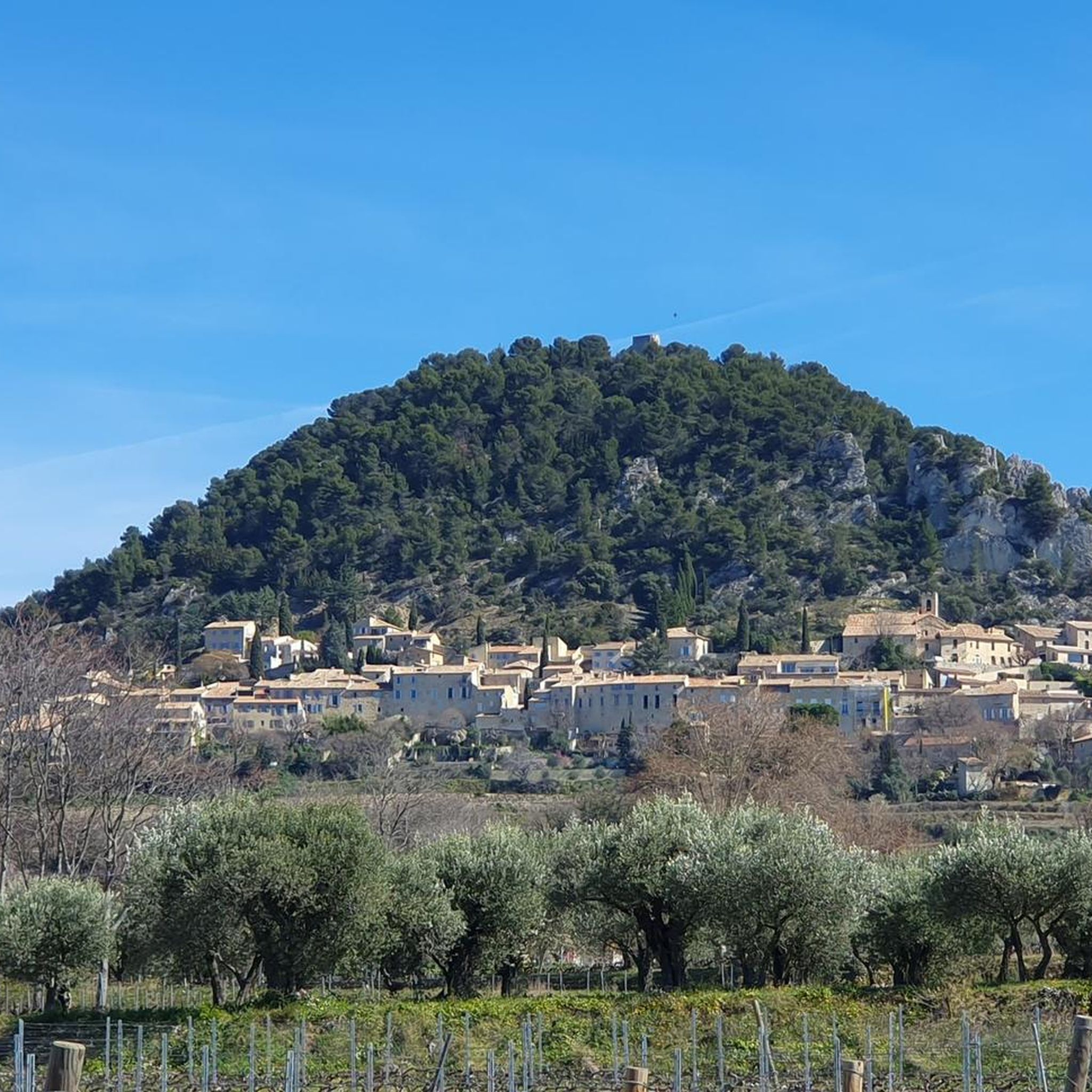
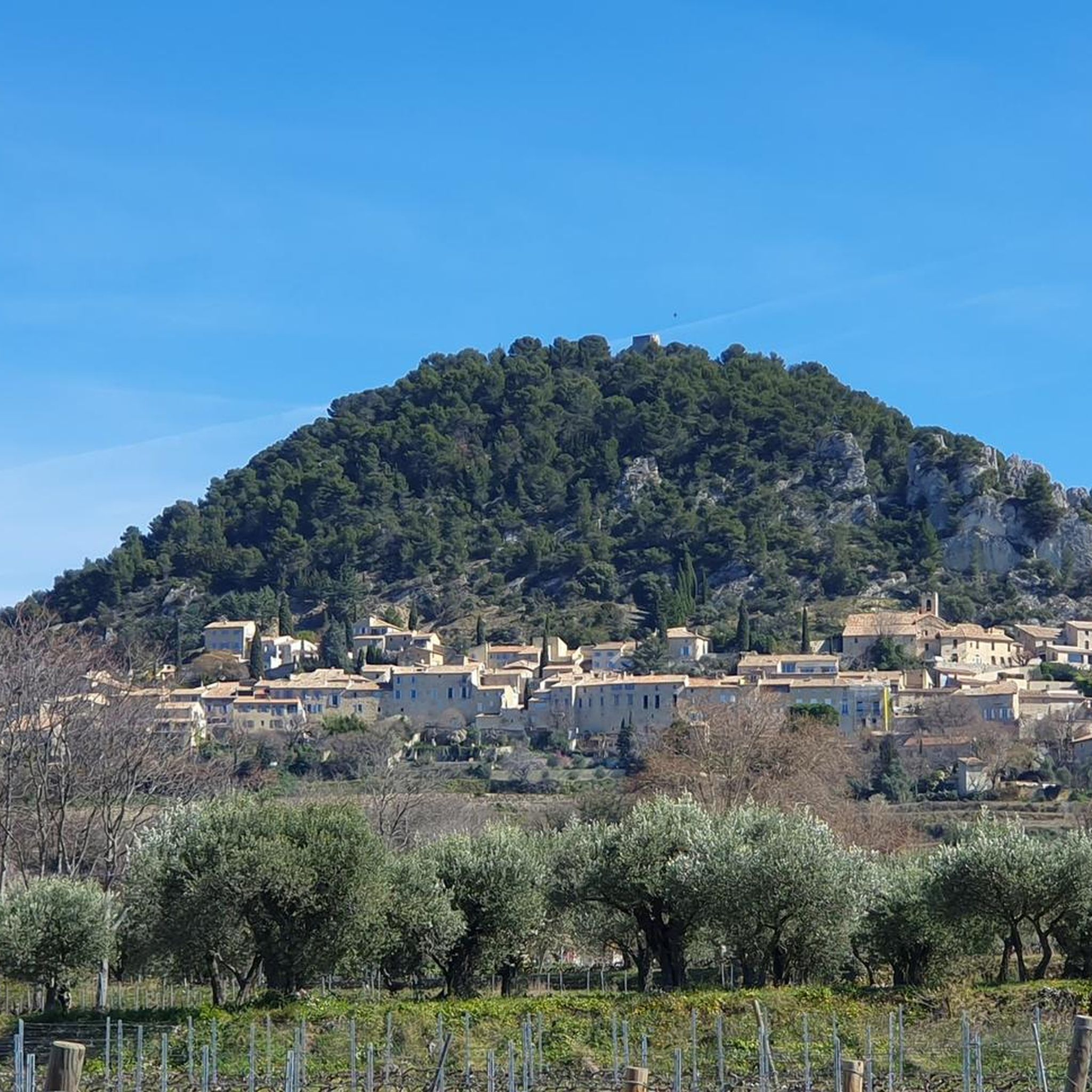
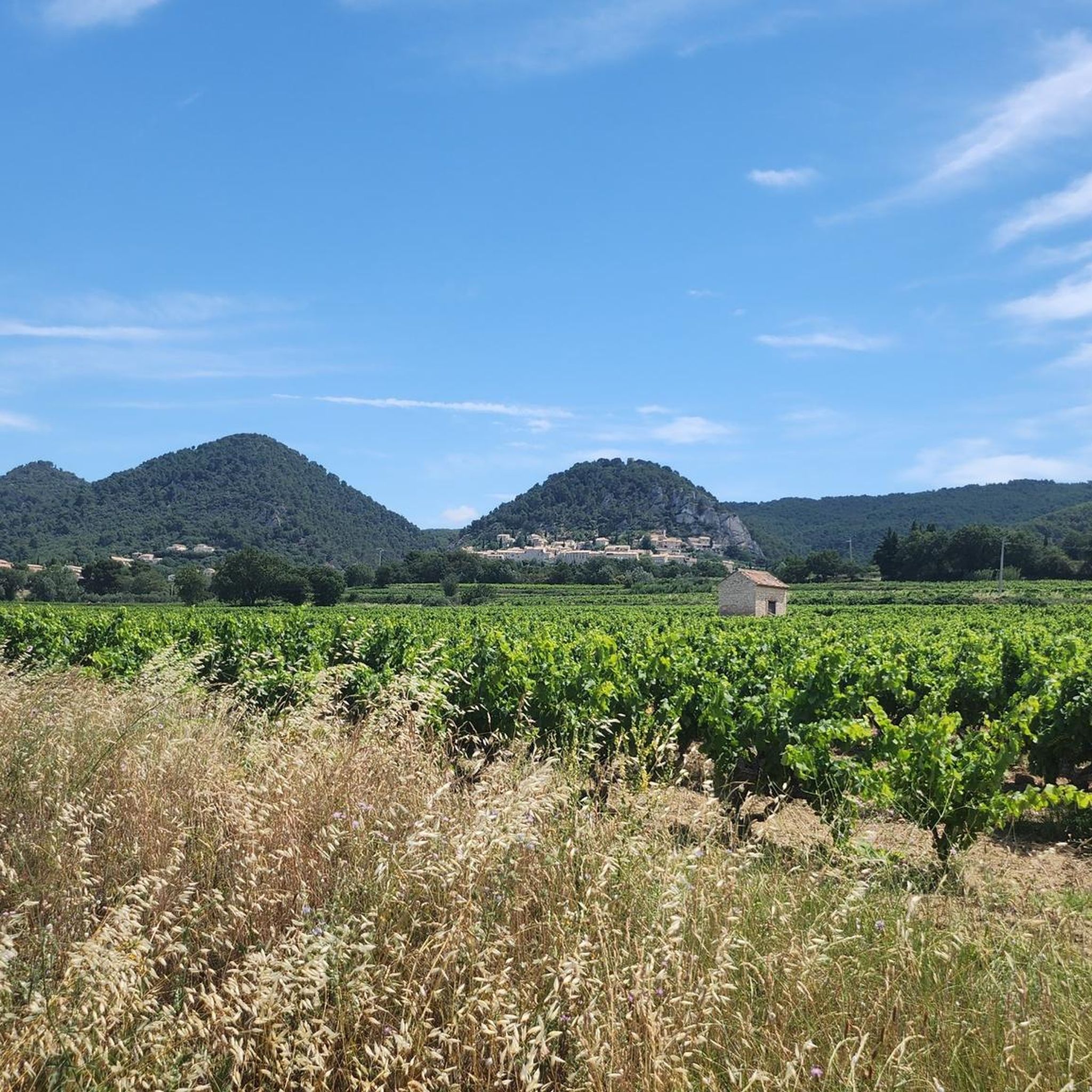
Beaumes-de-Venise — Village and Vineyards
Highlight • Settlement
Translated by Google •
Tip by

Sign up for free to discover even more attractions around Sablet.
Sign up for free
Already have an account?
Start today with a free account
Your next adventure awaits.
Login or Signup

Tips from the Community

This place also has a nice little campsite from where we started our bike tours.
2
0

Tough climb, very irregular with gradients up to 14%. Especially the 3.5 km before Mont Serein are very difficult. In 2021 "Covid era" the Cannibale left here in September at 6:30 in the morning when it was still dark. Doing the climb of the Ventoux with thousands of lights and seeing the sun rise was a magical moment.
1
0

Climb with a different character. Sometimes around 5% but also a few kilometers at 12%. Very nice view of the top and the Alps. Less busy than the climb from Bedoin.
3
0

Not as famous as the Bedoin climb used often by the Tour de France, but still a very enjoyable, tough climb with beautiful views of the summit
5
1

Even better as a descent.
1
0
Good asphalt, decent gradient.
2
0

Whatever the weather, always a worthwhile challenge
2
1

Mont Ventoux is one of the monuments in international cycling!
3
1
Frequently Asked Questions
What kind of outdoor activities can I enjoy around Sablet?
The Sablet area, nestled at the foot of the Dentelles de Montmirail and near Mont Ventoux, offers diverse outdoor activities. You can find excellent opportunities for cycling, including challenging climbs like Climbing Mont Ventoux from Malaucène, and scenic routes through vineyards. Hiking is also popular, with trails ranging from easy walks to more difficult ascents in the Dentelles. For more detailed routes, explore the Hiking around Sablet guide or the Road Cycling Routes around Sablet guide.
Are there good hiking trails near Sablet?
Yes, Sablet is an excellent base for hiking. The nearby Dentelles de Montmirail offer well-signed walking trails directly from the village, suitable for bushwalking, rock climbing, and bouldering. You can find various routes, including moderate and difficult options, such as the 'Lovely view of the Dentelles – Notre-Dame de Prébayon loop'. For a comprehensive list of trails, refer to the Hiking around Sablet guide.
Can I go cycling or road biking in the Sablet area?
Absolutely. Sablet is situated in a prime cycling region, known for its scenic routes through vineyards and challenging mountain passes. Popular cycling highlights include Madeleine Pass and Suzette Pass, both offering beautiful views. For those seeking a significant challenge, Climbing Mont Ventoux from Malaucène is a renowned ascent. You can discover many more routes in the Road Cycling Routes around Sablet guide and the Cycling around Sablet guide.
What historical sites can I visit in Sablet itself?
Sablet boasts a rich history evident in its well-preserved structures. You can explore the 14th-century encircling Village Ramparts and Towers, which define the oldest part of the village with its narrow, winding streets. The 12th-century Romanesque Church of St. Nazaire, located at the village's highest point, is another prominent landmark. Additionally, the Chapel of St. Roch, built in 1721, commemorates the village's escape from the Great Plague.
Are there any Roman ruins or ancient sites to explore near Sablet?
Yes, Sablet serves as an excellent base for day trips to significant Roman sites. You can visit the Pont du Gard, a UNESCO World Heritage site and one of the best-preserved Roman aqueduct bridges. The city of Orange offers remarkable Roman monuments, including a well-preserved Roman theater and triumphal arch. Vaison-la-Romaine is also nearby, famous for its extensive Roman ruins and medieval town.
What cultural experiences related to wine can I find in Sablet?
Sablet is located in the heart of the Côtes du Rhône wine-producing region, making wine a central part of its culture. Visitors can enjoy wine tasting at various local establishments, including the 'Maison des Vins et du Tourism' in Sablet. The surrounding vineyards, which have a history dating back to the Counts of Toulouse, are a prominent feature of the landscape and offer scenic views for exploration.
Are there any local markets or cultural events in Sablet?
Sablet offers a taste of local life through its weekly market and annual cultural event. Every Friday morning, a small fresh market visits the village square, where you can find local products like fresh fish, goat cheese, and vegetables. Culturally, Sablet hosts the annual Journées du Livre (Book Festival) in the first week of July, attracting authors and literary enthusiasts.
Are there family-friendly attractions or activities in Sablet?
Families visiting Sablet can enjoy strolling through the village's picturesque, flower-adorned streets, discovering its various fountains and washhouses, and exploring covered passageways known as 'soustets'. A short drive away, the village of Beaumes-de-Venise — Village and Vineyards is noted as family-friendly, offering charming streets, a shaded square, and amenities like cafes and restaurants.
What natural landmarks are prominent in the Sablet region?
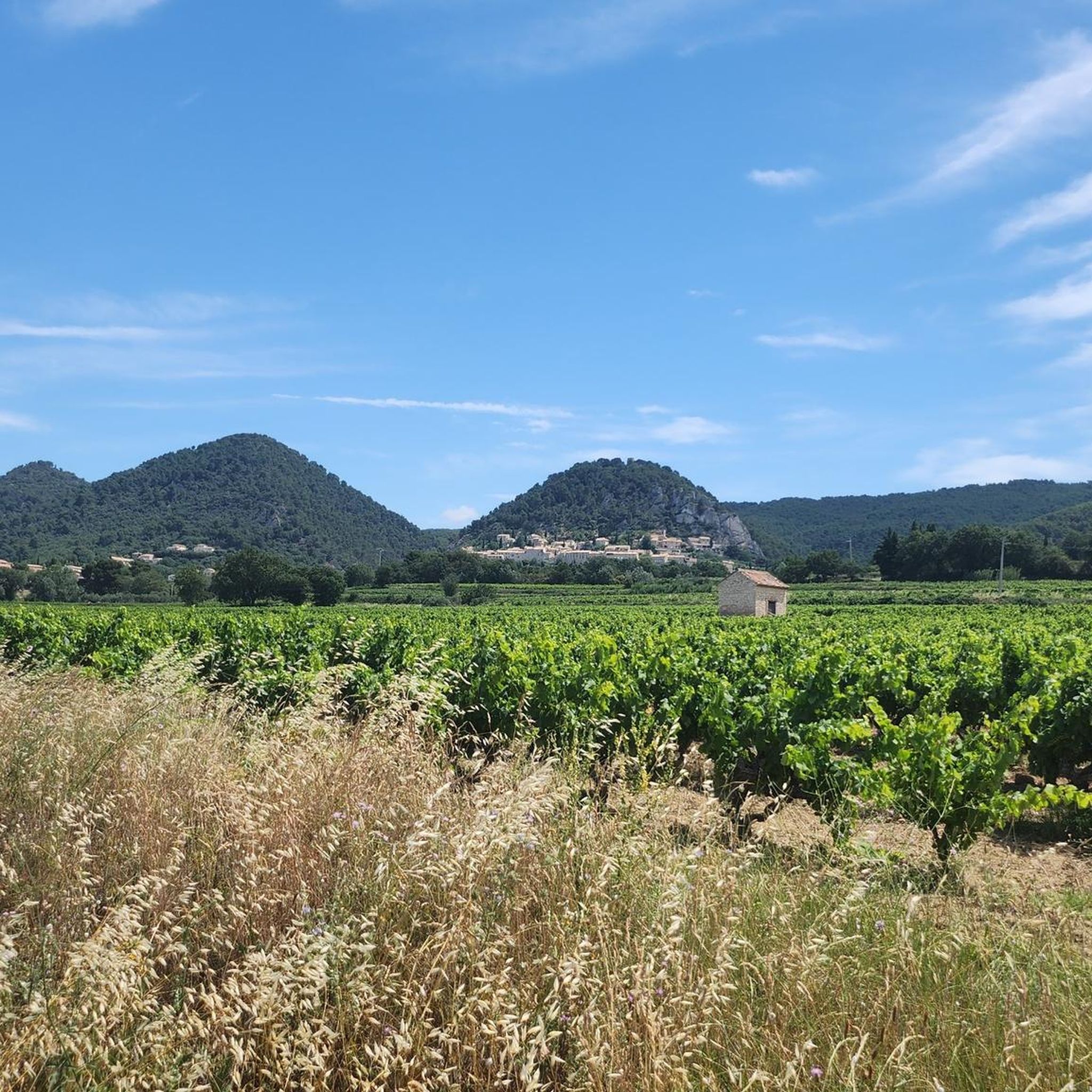
The Sablet region is defined by several striking natural landmarks. Most notably, the village sits at the foot of the Dentelles de Montmirail, distinctive jagged limestone peaks popular for hiking and climbing. To the west, Mont Ventoux, a famous cycling destination, dominates the horizon. The area is also characterized by its extensive vineyards, which contribute significantly to the beautiful Provençal landscape.
What are some charming villages worth visiting near Sablet?
Sablet is surrounded by many picturesque villages perfect for day trips. Séguret is particularly notable, classified as one of the 'Most Beautiful Villages in France'. Other charming villages known for their wines and scenic beauty include Gigondas and Vacqueyras. Each offers unique character, local markets, and opportunities to explore Provençal culture.
When is the best time to visit Sablet for outdoor activities?
The best time to visit Sablet for outdoor activities is typically during the spring (April to June) and early autumn (September to October). During these periods, the weather is pleasantly warm, ideal for hiking, cycling, and exploring the vineyards, without the intense heat of mid-summer. The landscapes are also particularly beautiful, with spring blooms or autumn colors.
Are there any unique local experiences or 'hidden gems' in Sablet?
Beyond the main attractions, Sablet offers some unique local experiences. Food enthusiasts can take French cooking lessons with a Michelin-recognized chef at Les Arbeilles, one of the region's best restaurants. Simply wandering through Sablet's charming streets, discovering its covered passageways ('soustets'), and finding its various fountains and washhouses can be a delightful experience in itself.
Where can I find a good view of the Dentelles de Montmirail or Mont Ventoux?
For stunning panoramic views, head to Suzette Pass. This accessible mountain pass offers a beautiful vista of both the Dentelles de Montmirail and Mont Ventoux, along with the surrounding Provençal landscape. The pass is known for its good, empty roads, making the journey there part of the scenic experience.
Most popular routes around Sablet
Most popular attractions around Sablet

Get inspired with the komoot mobile app


Explore more
Still not found the Highlight you’re looking for? See guides of the top attractions in other regions:
