Attractions and Places To See around Polincove - Top 20
Best attractions and places to see around Polincove, a municipality in the Pas-de-Calais department, serve as a gateway to diverse points of interest. The region offers a mix of historical landmarks, natural features, and cultural sites. It is situated within the Hauts-de-France region, providing access to coastal areas and regional natural parks. The surrounding landscape includes significant natural reserves and historical monuments.
Best attractions and places to see around Polincove
- The most popular attractions is Saint-Louis Chapel of Guémy,…
Last updated: July 7, 2026
Watten Hill
Highlight • Summit
Translated by Google •
Tip by

Along the Houlle River
Highlight (Segment) • Other
Translated by Google •
Tip by
Sign up now to discover places like this
Get recommendations on the best single tracks, peaks, & plenty of other exciting outdoor places.
Sign up for free
Blockhaus d'Éperlecques
Highlight • Historical Site
Translated by Google •
Tip by

World War Memorial at Ardres
Highlight • Historical Site
This call is proclaimed by a grenadier with a greatcoat half …
Translated by Google •
Tip by
Saint-Louis Chapel of Guémy
Highlight • Religious Site
Translated by Google •
Tip by

Sign up for free to discover even more attractions around Polincove.
Sign up for free
Already have an account?
Start today with a free account
Your next adventure awaits.
Login or Signup




Tips from the Community

The Éperlecques bunker (also called the Watten bunker) is a World War II bunker in the Éperlecques forest, part of the commune of the same name in the Pas-de-Calais department in France. It was codenamed Kraftwerk Nord West (KNW) and was built by Nazi Germany from 1943 to 1944 as a launch site for V2 rockets aimed at London and southern England. The bunker was built to accommodate more than 100 rockets at a time and to fire 36 per day. A liquid oxygen plant and a bomb-proof post were to be built to supply the site with rockets and supplies from production sites in Germany. It was built by forced laborers from concentration and labor camps, as well as recruited French civilians. The blockhouse was never completed due to repeated bombing by the British and Americans as part of Operation Crossbow. The attacks caused considerable damage and prevented the device from being used in its original function; part of the building was converted into a factory for the production of liquid oxygen. The site was captured by the Allies in early September 1944, but its actual function only became clear after the end of the war. The blockhouse has been a listed building since 1986. In 2014, the museum exhibited the site and the German ballistic program.
0
0

Nice place to relax, enjoy the view and of course visit a ruin.
0
0

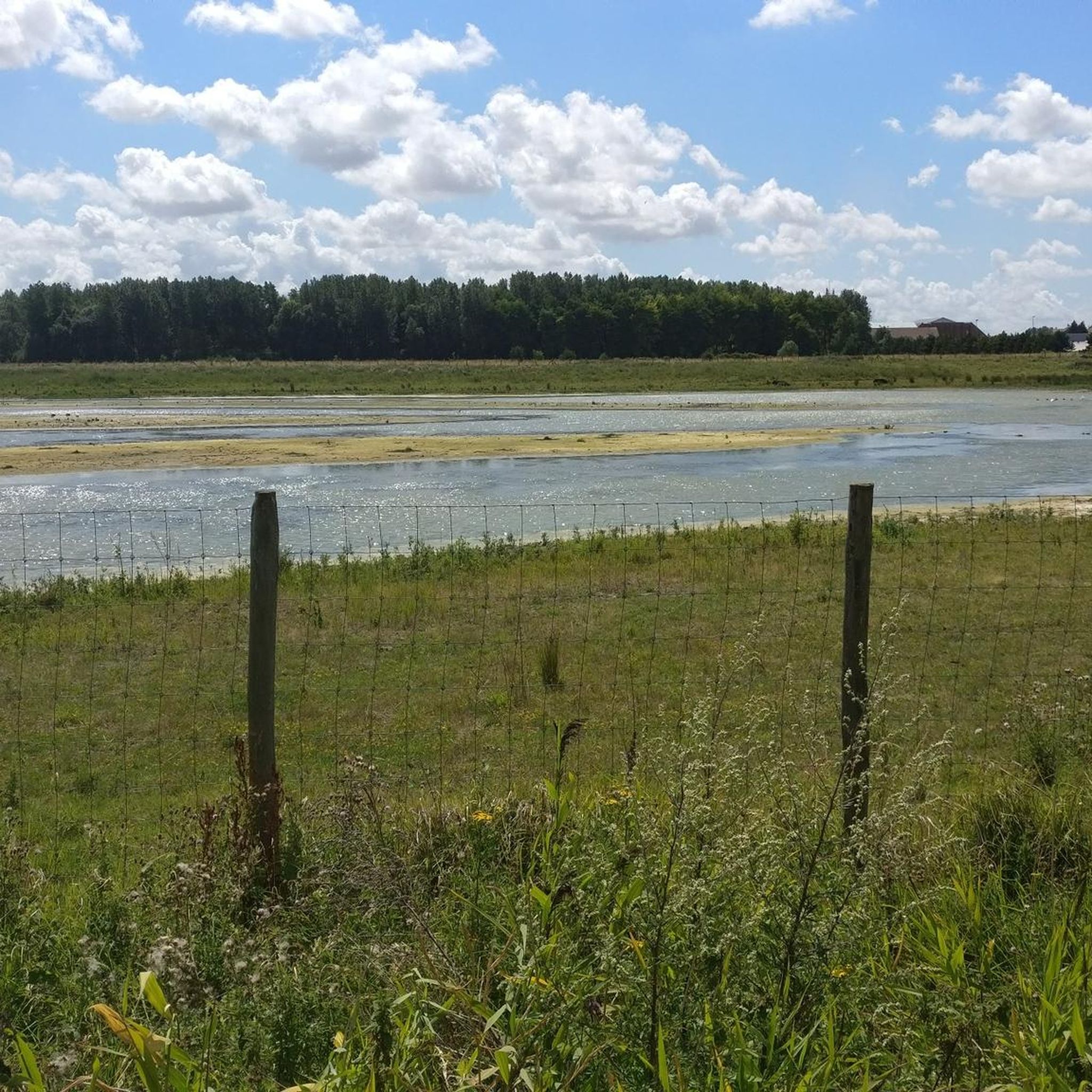
Situated along the River Houlle, the Serques Marshes are part of the larger Audomarois Marshes. This area is renowned for its rich biodiversity and beautiful scenery. The nearby village of Houlle is a popular destination for tourists looking for a peaceful waterside holiday. The River Houlle, a tributary of the Aa, flows through these marshes and provides a picturesque setting for walks and boat trips. The area is also known for the production of Houlle gin, a traditional spirit. The marshes themselves are an important natural area and are home to a variety of plant and animal species. It is an ideal place for nature lovers and bird watchers.
9
1
The artist was inspired by the famous phrase of the supreme and truly Cornelian call: "Arise, the dead!" ". This call is proclaimed by a grenadier with a greatcoat half torn by the explosions; he steps over a gabion and prepares to launch the deadly projectile towards the enemy: the poilu is alive and the stone seems alive. Despite the difficulties in the execution, the artist fortunately managed to avoid any heaviness, he was able to give the stone all the desired and possible flexibility. Ardres was kind enough, in keeping with the erection of this magnificent monument, to honour the memory of the 82 heroes and their children who died gloriously during the Great War.
6
0

Built in the late 15th century on Mount Saint-Louis, the Saint-Louis Chapel of Guémy is listed as a historic monument. It was restored in 1930. It is a unique place.
2
0
Le Grand Hebdomadaire, n°44, Sunday October 30, 1921, p. 370.: Ardres has also just erected a war memorial, the work of the sculptor Greber. The artist was inspired by the famous phrase of the supreme and truly Cornelian call: “Arise, the dead!” ". This call is proclaimed by a grenadier with a greatcoat half torn by the explosions; he steps over a gabion and prepares to launch the deadly projectile facing the enemy: the poilu is alive and the stone seems animated. Despite the difficulties of execution, the artist fortunately managed to avoid any heaviness, he was able to give the stone all the desired and possible flexibility. Ardres was kind enough to honor, as appropriate by the erection of this beautiful monument, the memory of the 82 heroes, its children, who fell gloriously during the great war.
1
0

Worth the climb up the hill. Small park at the top accesses the mill. Best example I have ever seen
2
0
The Montagne de Watten site is a viewpoint located in Watten, in the Nord department in France. It offers a panoramic view of the city and its surroundings.
9
0
Frequently Asked Questions
What historical landmarks can I explore near Polincove?
The region around Polincove is rich in history. You can visit the Saint-Louis Chapel of Guémy, a historic monument from the late 15th century offering panoramic views. Another significant site is the Blockhaus d'Éperlecques, a World War II bunker and museum located about 6.5 km away. Additionally, the World War Memorial at Ardres commemorates local heroes.
Are there any significant natural areas or parks close to Polincove?
Yes, the area boasts several natural attractions. The Parc naturel régional des caps et marais d'Opale is about 17.6 km away, offering diverse natural scenery. You can also explore the Réserve naturelle nationale des étangs du Romelaëre (16 km) or the Réserve naturelle du Platier d'Oye (17 km). The Marshes of Serques along the Houlle River are known for rich biodiversity and scenic beauty, ideal for nature lovers and birdwatchers.
What kind of family-friendly activities are available around Polincove?
For family fun, consider a visit to Bal Parc, an amusement park just 6.3 km from Polincove. The Blockhaus d'Éperlecques also offers an educational historical experience suitable for families. Further afield, Nausicaá, a large aquarium and sea life center in Boulogne-sur-Mer (37 km), is a popular choice.
Where can I find scenic viewpoints to enjoy the landscape?
For stunning views, head to Watten Hill, which offers panoramic vistas of the city and the surrounding Aa valley and Flemish plain. The Saint-Louis Chapel of Guémy also provides beautiful sceneries, especially at sunrise or sunset. The iconic white cliffs of Cap Blanc-Nez and Cap Gris-Nez, approximately 27 km and 35 km away, offer breathtaking coastal views.
What outdoor activities, like cycling or mountain biking, are available near Polincove?
The region offers various outdoor activities. For mountain biking, you can find routes like the 'Between Water and Fields – Behind Guemy loop from Polincove' or 'The Éperlecques Blockhaus – Along the Houlle River loop from Ruminghem'. Road cyclists can enjoy routes such as 'Ardres War Memorial – Étang d'Ardres loop from Nordausques'. For general cycling, explore the 'Audomarois Tour' or 'Along the River Aa – Rue du Fort Vesques loop from Audruicq'. You can find more details on these and other routes in the MTB Trails around Polincove, Road Cycling Routes around Polincove, and Cycling around Polincove guides.
Are there any unique cultural experiences or local markets to visit?
Beyond historical sites, you can experience local culture by visiting the markets held in nearby towns like Audruicq (3 km), Ardres (8 km), and Gravelines (15 km). For entertainment, Cabaret de Licques offers live shows and performances about 14.3 km away. In Calais, La Compagnie du Dragon provides a unique experience with a ride on the monumental Calais Dragon, offering panoramic views of the seafront.
What is the best time of year to visit Polincove for outdoor exploration?
The region is generally pleasant for outdoor activities from spring through early autumn. These seasons offer milder weather, making it ideal for exploring natural parks, cycling routes, and historical sites. Summer provides the warmest temperatures for coastal visits, while spring and autumn offer beautiful scenery with fewer crowds.
Are there dog-friendly attractions or trails in the Polincove area?
Many natural areas and outdoor trails around Polincove are suitable for dogs, provided they are kept on a leash. The Saint-Louis Chapel of Guémy is noted as dog-friendly. Always check local regulations for specific nature reserves or parks, such as the Parc naturel régional des caps et marais d'Opale, regarding dog access.
How can I learn more about World War II history near Polincove?
The primary site for World War II history is the Blockhaus d'Éperlecques, located approximately 6.5 km from Polincove. This historical museum provides in-depth insights into the bunker's construction as a V2 rocket launch site and its role in the war. It's a significant historical monument that details the German ballistic program.
What are some options for dining or refreshments near Polincove's attractions?
While Polincove itself is a small community, nearby towns like Audruicq, Ardres, and Saint-Omer offer various cafes, pubs, and restaurants. These towns are typically a short drive away and provide options for refreshments and meals after exploring the attractions or completing outdoor activities.
Are there any unique natural landscapes like dunes or caves to visit?
Yes, the region offers unique natural landscapes. You can explore the Dune fossile de Ghyvelde and Dunes d'Écault for distinct dune environments. The Réserve naturelle nationale des grottes et des pelouses d'Acquin-Westbécourt et des coteaux de Wavrans-sur-l'Aa, about 19 km away, features interesting caves and grasslands.
What are some notable belfries in the vicinity of Polincove?
The area is known for its historical belfries, many of which are UNESCO World Heritage sites. Notable examples include the Beffroi de Gravelines (15 km), Beffroi de Calais (20 km), Beffroi de Bergues (27 km), and the Beffroi et hôtel de ville de Dunkerque (29 km). These offer a glimpse into the region's rich architectural and historical heritage.
Most popular routes around Polincove

Get inspired with the komoot mobile app


Explore more
Still not found the Highlight you’re looking for? See guides of the top attractions in other regions:
