Attractions and Places To See around Loucelles - Top 20
Best attractions and places to see around Loucelles. This small commune serves as a base for exploring the historical, cultural, and natural sites of the surrounding Calvados department in Normandy, France. The region offers a variety of significant points of interest, many located a short drive away. Visitors can explore medieval heritage, World War II history, and natural landscapes.
Best attractions and places to see around Loucelles
- The most popular attractions is Historic Center of Bayeux, a historical site…
Last updated: July 7, 2026
Historic Center of Bayeux
Highlight • Historical Site
Translated by Google •
Tip by

Notre-Dame Cathedral
Highlight • Religious Site
Translated by Google •
Tip by

Sign up now to discover places like this
Get recommendations on the best single tracks, peaks, & plenty of other exciting outdoor places.
Sign up for free
Bazenville British War Cemetery
Highlight • Historical Site
Translated by Google •
Tip by

Town Hall
Highlight • Settlement
Translated by Google •
Tip by

Coisel Mill
Highlight • Other
Translated by Google •
Tip by
Sign up for free to discover even more attractions around Loucelles.
Sign up for free
Already have an account?
Start today with a free account
Your next adventure awaits.
Login or Signup



Tips from the Community

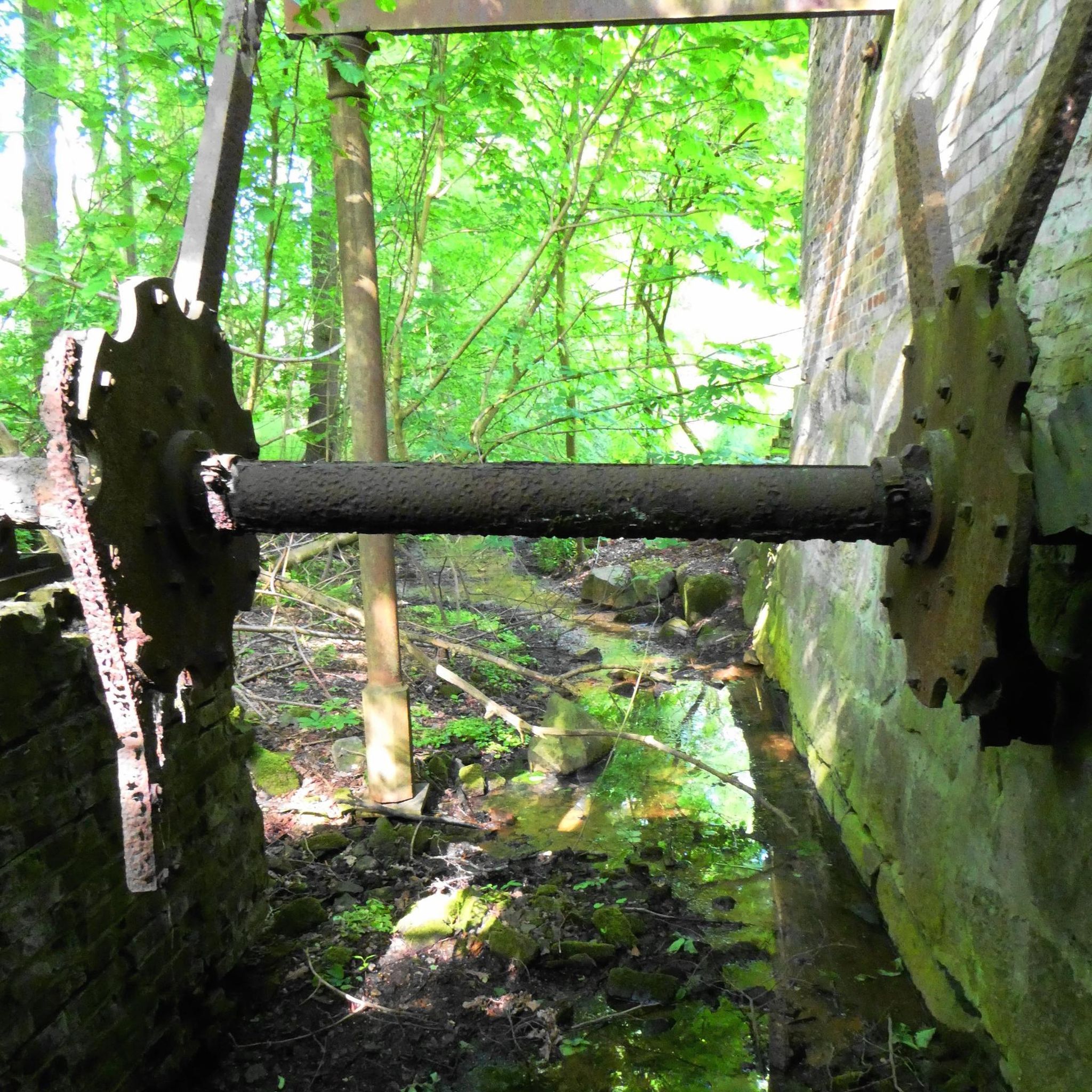
Nowadays, very few mills are still in operation in their original function, but they appear to hikers and cyclists along the river as technical and historical monuments of an ancient craft tradition: solely through human ingenuity and the natural power of flowing water as driving energy, the heavy millstones inside were moved and thus, for example, grain kernels could be ground into flour (so-called grain mills) or oil could be pressed from fruits (e.g. olives) (so-called oil mills).
1
0

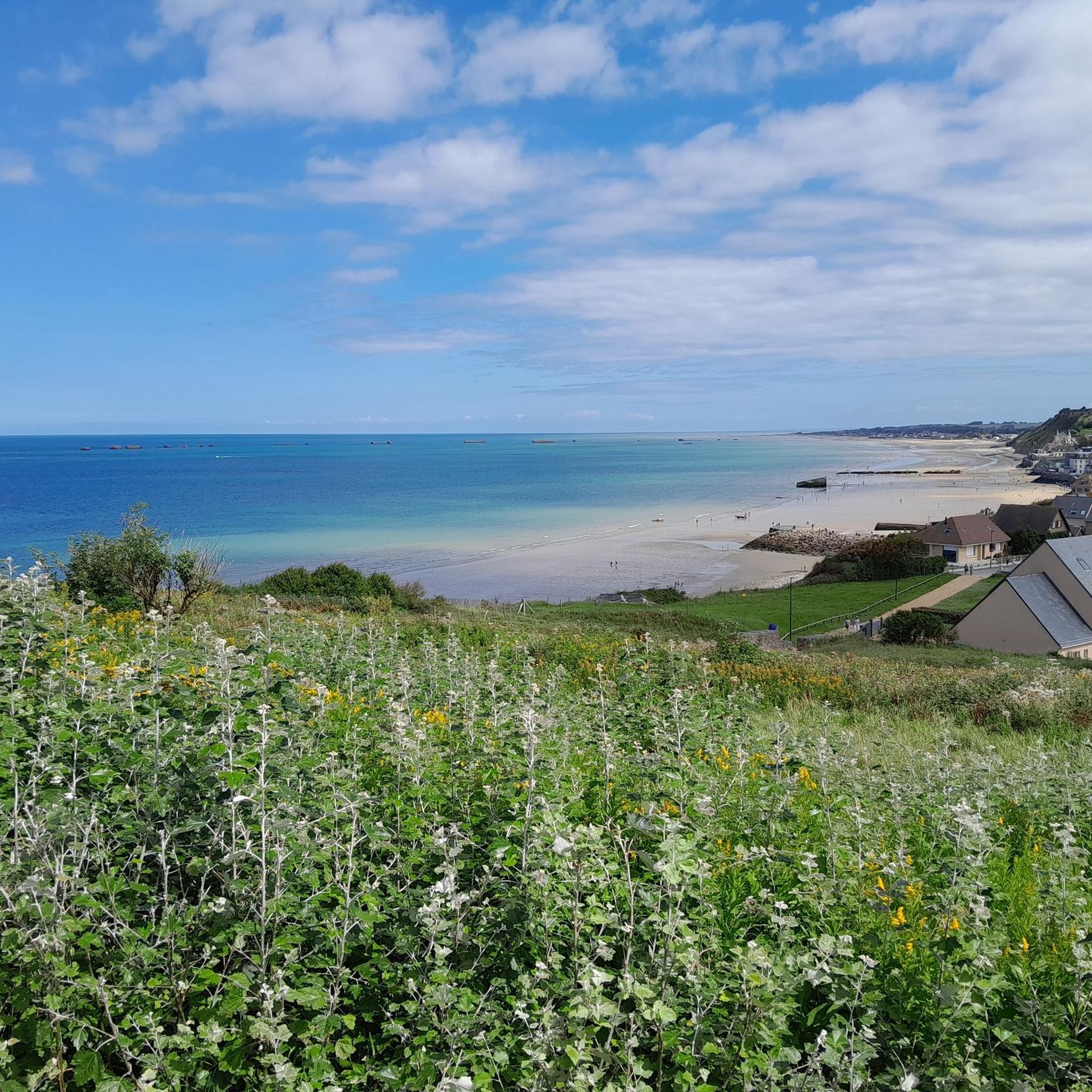
Quiet country roads lead to this small cemetery for approximately 630 British soldiers who died in WWII.
0
0

Notre-Dame de Bayeux Cathedral An imposing Gothic cathedral, consecrated in 1077. William the Conqueror is said to have been present here.
4
0


As a memorial to the countless war dead, such a "Cimetiere militaire" - in German they are usually referred to as "war graves" or "soldiers' cemetery" - is still very important today. "Now, Lord, you let your servant depart in peace, as you have said..." it says in the so-called "Hymn of Simeon" (Luke's Gospel, Chapter 2, Verse 29). However, the many people buried here did not depart in peace, but became victims of war and an inhuman tyranny. The most important and at the same time everlasting function of soldiers' cemeteries or cemeteries of honor or war graves is therefore to keep the memory of this suffering alive and to remind each generation anew (!) of the need to maintain lasting peace.
0
1

Lovely town, if you have time go to the tapestry
2
0

Bayeux is a charming city in the Normandy region. It is located on the Aure River, about 20 km northwest of Caen. Bayeux is best known for the Bayeux Tapestry, an impressive medieval embroidery depicting the Norman invasion of England in 1066. The city has a rich history dating back to Gallo-Roman times. Bayeux was an important city in the Roman Empire and later became a bishopric in the 4th century. The city also has many historic buildings and monuments, including Bayeux Cathedral, a beautiful example of Gothic architecture.
5
0
Frequently Asked Questions
What historical sites related to World War II can I visit near Loucelles?
Loucelles is an excellent base for exploring D-Day history. You can visit the Bazenville British War Cemetery, established shortly after the Gold Beach landings, which contains nearly 1,000 graves. Other significant sites include the Longues-sur-Mer Battery, the D-Day Landing Beaches (such as Omaha Beach and Gold Beach), and the D-Day Museum near Arromanches.
Are there any significant medieval landmarks to explore near Loucelles?
Absolutely. The nearby town of Bayeux offers the well-preserved Historic Center of Bayeux with its half-timbered houses. Don't miss the imposing Notre-Dame Cathedral in Bayeux, consecrated in 1077. Further afield, you can explore Château de Creully and Caen Castle.
Where can I learn more about the Bayeux Tapestry?
The world-famous Bayeux Tapestry, which depicts the 1066 Norman Conquest of England, is housed at the Bayeux Tapestry Museum in Bayeux, just 11 km from Loucelles. The Notre-Dame Cathedral in Bayeux also has a historical connection to the tapestry's creation.
What cultural attractions are available in the wider region?
Beyond the Bayeux Tapestry Museum, you can visit the Caen Memorial Museum for a comprehensive look at 20th-century history, or the Museum of the Battle of Normandy in Bayeux. For an immersive experience, the Arromanches 360° Circular Cinema offers a unique perspective on the Battle of Normandy.
Are there family-friendly attractions near Loucelles?
Many of the historical sites are suitable for families, including the Historic Center of Bayeux, Notre-Dame Cathedral, and the Bazenville British War Cemetery. The D-Day museums and the Arromanches 360° Circular Cinema also offer engaging experiences for all ages.
What natural attractions or gardens are there around Loucelles?
For nature lovers, the Jardins du château de Brécy are remarkable gardens located nearby. You can also explore the Forêt de Cerisy, a forest offering natural beauty, or visit the Jardin des plantes de Caen and La Prairie in Caen.
Are there opportunities for outdoor activities like cycling or running near Loucelles?
Yes, the area around Loucelles is great for outdoor activities. You can find various running trails, including loops from Loucelles itself. For cyclists, there are numerous cycling routes and challenging gravel biking routes that take you through historic landscapes and along the coast.
What do visitors enjoy most about the attractions around Loucelles?
Visitors particularly appreciate the rich history, especially the well-preserved medieval architecture of Bayeux and the poignant World War II sites. The charm of the Historic Center of Bayeux and the grandeur of Notre-Dame Cathedral are frequently highlighted. The serene atmosphere of places like the Bazenville British War Cemetery also leaves a lasting impression.
Are there any unique or 'hidden gem' attractions in the Loucelles area?
While many attractions are well-known, the Coisel Mill offers a glimpse into an ancient craft tradition, showcasing a beautiful water mill that once used the natural power of flowing water. The Prieuré de Saint-Gabriel-Brécy is another nearby religious monument with historical significance.
What is the best time of year to visit the attractions around Loucelles?
The spring and summer months (May to September) generally offer the most pleasant weather for exploring both indoor and outdoor attractions, including the D-Day beaches and gardens. However, historical sites and museums are accessible year-round, providing a rich experience even during the quieter off-season.
Are there any viewpoints with scenic vistas near Loucelles?
While Loucelles itself is tranquil, the wider Calvados region offers scenic spots. The Bazenville British War Cemetery offers a beautiful view towards Arromanches and the sea. Further afield, the Rochers des Parcs and Roches de Ham are known for their natural beauty and potential vistas.
Can I find places of worship with historical significance near Loucelles?
Yes, the region is rich in religious history. The most prominent is the Notre-Dame Cathedral in Bayeux. Additionally, the Prieuré de Saint-Gabriel-Brécy is a nearby church/religious monument, and Caen features the historic Abbaye de Caen.
Most popular routes around Loucelles

Get inspired with the komoot mobile app


Explore more
Still not found the Highlight you’re looking for? See guides of the top attractions in other regions:
