Attractions and Places To See around Saint-Cassien - Top 20
Best attractions and places to see around Saint-Cassien include a variety of natural features and cultural sites. This region offers diverse landscapes, from expansive lakes to charming villages. Visitors can explore areas known for their historical significance and outdoor activities. The area provides opportunities to discover local heritage and scenic routes.
Best attractions and places to see around Saint-Cassien
- The most popular attractions is Isère cycle route, an unknown category that offers quiet paths with views of the Vercors.…
Last updated: July 7, 2026
Isère cycle route
Highlight (Segment) • Other
From Grenoble, access via Montaud to the Tunnel du Mortier and also to the Col de Romeyère.
Translated by Google •
Tip by

Lake Paladru
Highlight • Lake
Translated by Google •
Tip by

Sign up now to discover places like this
Get recommendations on the best single tracks, peaks, & plenty of other exciting outdoor places.
Sign up for free
Saint-Pierre Church
Highlight • Religious Site
Translated by Google •
Tip by

Placette Pass
Highlight • Mountain Pass
Translated by Google •
Tip by

Dead monk cross
Highlight • Other
Translated by Google •
Tip by

Sign up for free to discover even more attractions around Saint-Cassien.
Sign up for free
Already have an account?
Start today with a free account
Your next adventure awaits.
Login or Signup


Tips from the Community

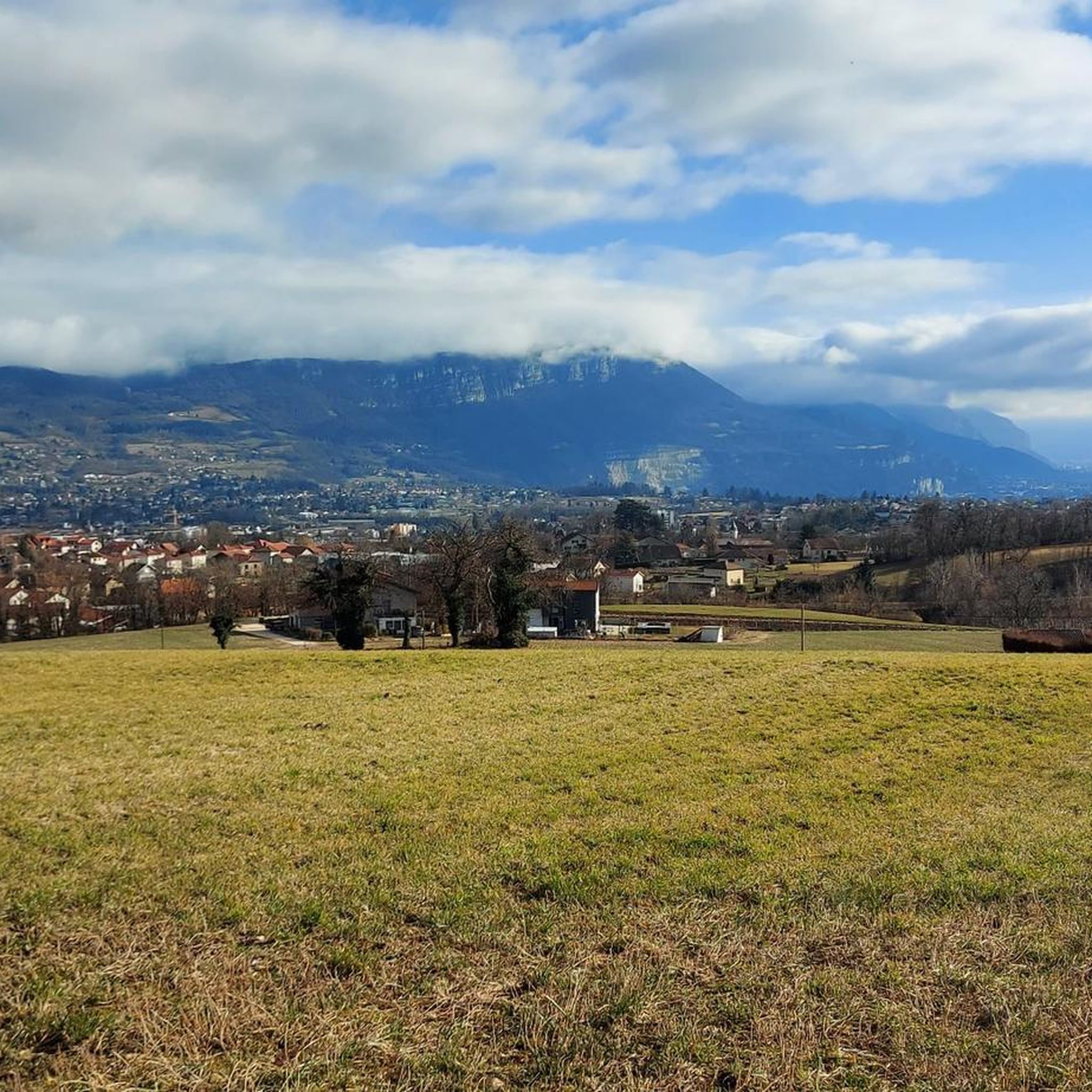
Small pass, easy climb from the north, great descent to the south.
1
0

Lake Paladru is very popular in the summer, especially on weekends. Swimming is possible; there's a small, well-equipped beach.
0
0
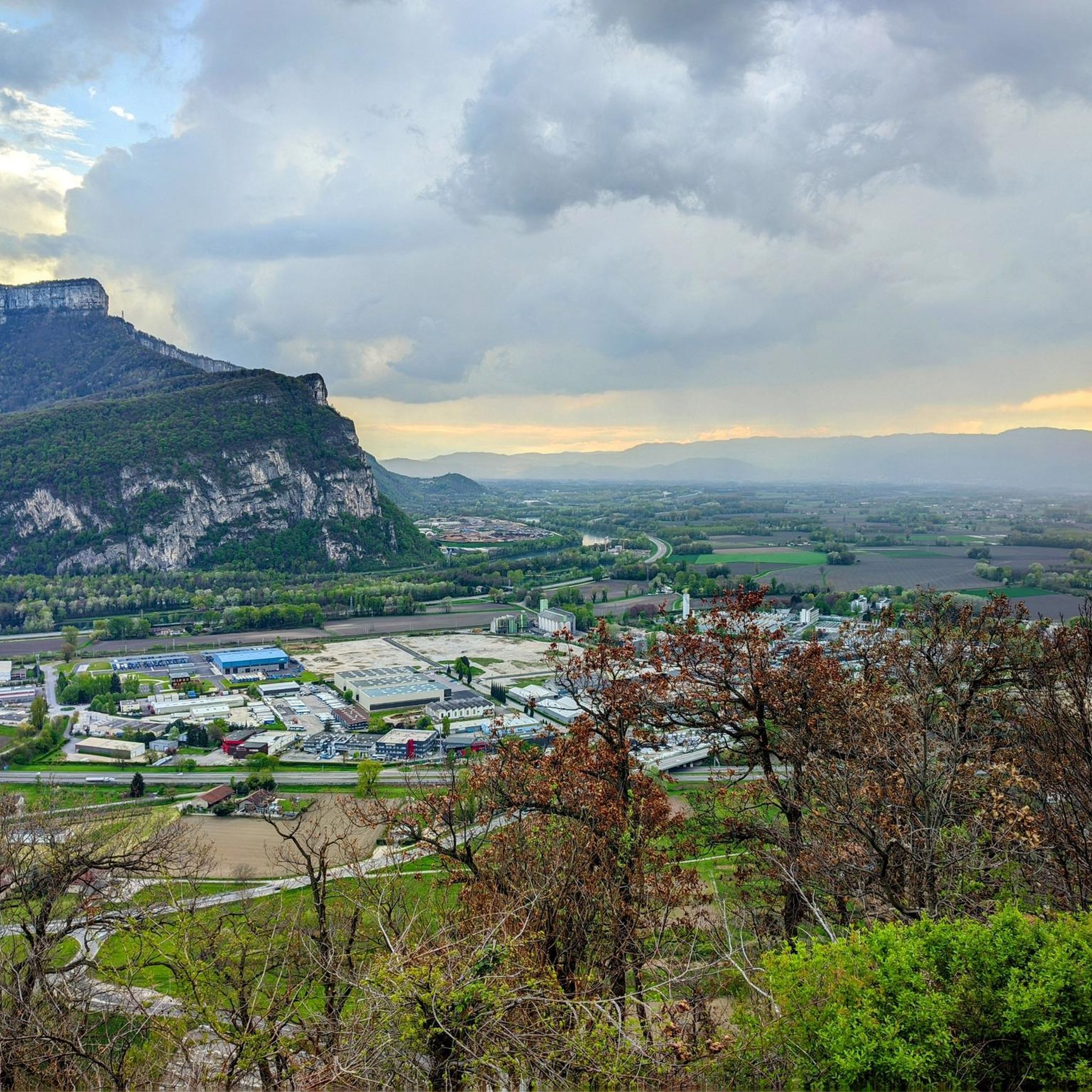
This is a classic bike ride around Grenoble, easy and suitable for the whole family.
0
0

During Holy Week, Christians commemorate the Passion of Jesus Christ, beginning with the triumphal entry into Jerusalem (Palm Sunday), the Last Supper (Maundy Thursday), and ending with the arrest, condemnation, and execution (Good Friday), which then culminates in the Easter Vigil with the celebration of the Resurrection, the climax of the church year. The biblical accounts of the New Testament that describe these events paint a very nuanced picture of the Apostle Peter (Saint-Pierre), to whom the church of Charavines is dedicated: on the one hand, he is a determined disciple of Jesus, but also not free from human weakness and fear. In the Garden of Gethsemane, he (like the other disciples) falls asleep when Jesus turns to God the Father after the Last Supper and asks the disciples to pray as well. And after Jesus' arrest, Peter denies three times that he even knows him. But he also weeps over his weakness and, upon encountering the risen Christ, affirms his love and loyalty to him. His real name is Simon, but Jesus gives him the name Peter (which means "rock") on which the church is to be built and gives him—according to the account of the Evangelist Matthew—the "keys to the kingdom of heaven."
1
0
This memorial cross made of light wood—dedicated to the memory of a deceased monk—is one of many that bikers encounter repeatedly along the way. They are all symbols of remembrance of the crucifixion, but also of the resurrection of Jesus Christ. + "With us on earth, His memory exists, but in the kingdom of heaven is His presence: This presence is the joy of those who have already attained salvation. The memory is our consolation, as we are still wanderers, journeying toward our fatherland." (Bernard of Clairvaux) Some passersby have placed stones at the foot of the small sacred monument.
1
0

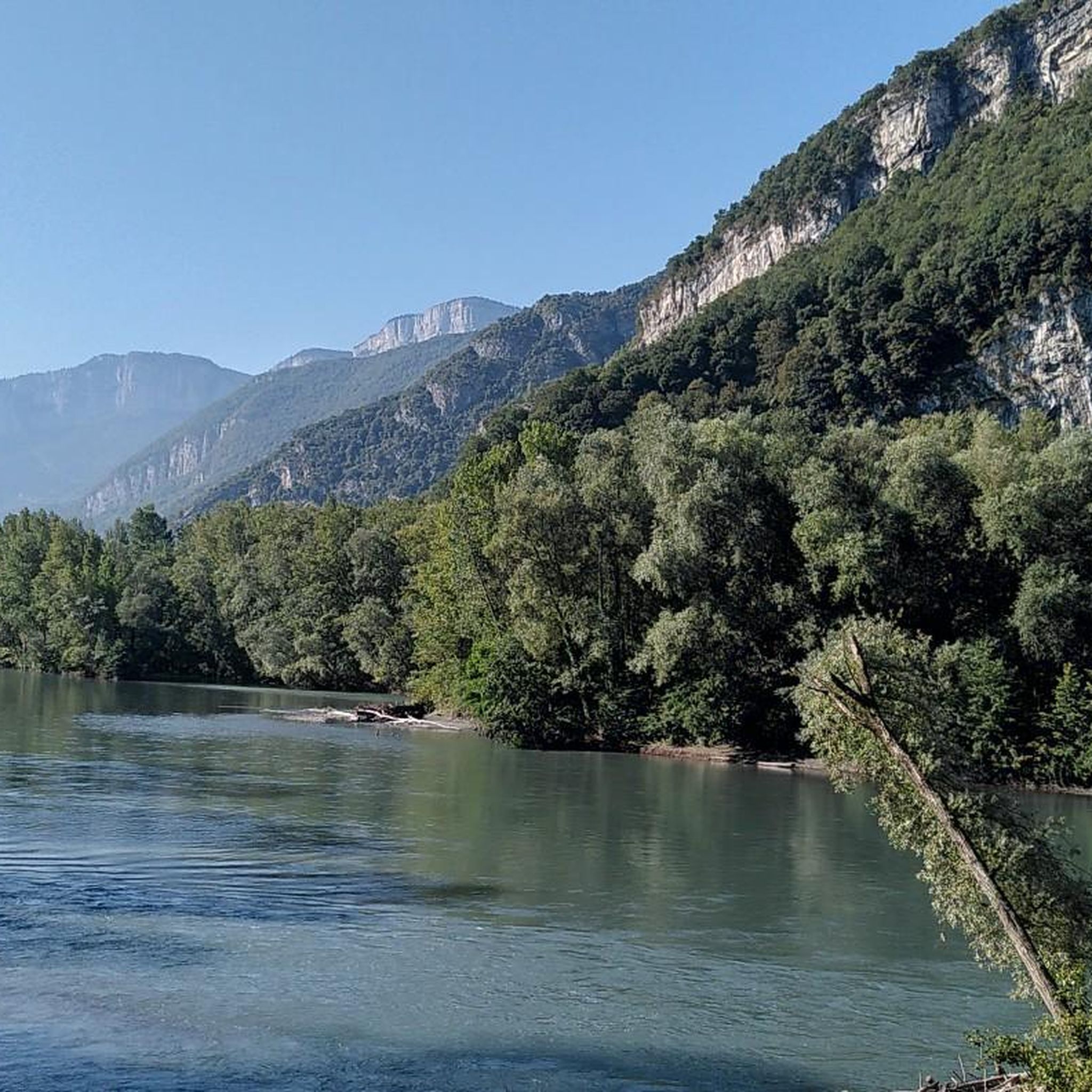
Beautiful cycle route for cycling.
0
0

Very beautiful church in the countryside.
0
0

A cross at the junction of several paths commemorating the death of a monk.
2
0
Frequently Asked Questions
What are the main natural attractions around Lac de Saint-Cassien?
The primary natural attraction is the expansive Lac de Saint-Cassien itself, a 420-hectare artificial lake perfect for water sports. Additionally, the Fondurane Biological Reserve on the eastern side of the lake is a protected area rich in wildlife, including over 180 bird species and European pond turtles.
What water activities can I do at Lac de Saint-Cassien?
Lac de Saint-Cassien offers a wide range of water activities. You can enjoy swimming, stand-up paddleboarding, kayaking, canoeing, and pedal boating (some equipped with waterslides). There are also inflatable obstacle courses for family fun, and the lake is popular for fishing, especially for predatory fish and carp.
Are there hiking opportunities around Lac de Saint-Cassien?
Yes, numerous footpaths wind around Lac de Saint-Cassien, suitable for various difficulty levels. The GR49 route provides scenic lake views, while the 'Rives du Lac de Saint-Cassien - Montauroux' trail offers a longer walk through a Provençal forest. You can find more hiking options in the Hiking around Saint-Cassien guide.
What cultural and historical sites can I visit in the villages near Lac de Saint-Cassien?
The surrounding communes offer rich history. In Montauroux, visit the Saint-Barthélemy Chapel, known for its richly decorated interior, and explore the village's many fountains. Callian features a feudal castle with towers from the 12th and 13th centuries, a clock tower, and the Chapel of the Penitents.
What is special about Tanneron?
Tanneron is famously known as the 'Land of mimosas.' It boasts the largest number of mimosa trees in France, both cultivated and wild, which fill the air with their fragrance, especially during blooming season.
Are there family-friendly activities available around Lac de Saint-Cassien?
Absolutely! The lake itself is very family-friendly, offering swimming, pedal boats with waterslides, and inflatable obstacle courses. The Espace Découverte provides interactive exhibits about the region's history and geology, making it an engaging stop for all ages.
Where can I learn about the history of the Pays de Fayence region?
The Espace Découverte is an excellent place to learn about the history of the Pays de Fayence, the Saint-Cassien dam, and the region's geology through interactive and fun exhibits.
What are the options for cycling around Saint-Cassien?
While the Isère cycle route is a popular option for quiet paths and Vercors views, the area around Lac de Saint-Cassien also offers various trails. For mountain biking, you can explore routes like 'View of Lake Paladru' or 'La Créssonière'. More details are available in the MTB Trails around Saint-Cassien guide.
Can I go horse riding near Lac de Saint-Cassien?
Yes, several equestrian centers located near the lake offer horse riding experiences. These are suitable for both beginners and experienced riders, providing a unique way to explore the natural surroundings.
What do visitors enjoy most about the attractions around Saint-Cassien?
Visitors particularly appreciate the diverse landscapes, from the calm waters of Lac de Saint-Cassien to the charming historical villages. The blend of outdoor activities like water sports, hiking, and cycling, combined with cultural exploration, makes the region highly appealing. The scenic views and opportunities for nature observation, especially in the Fondurane Biological Reserve, are also frequently highlighted.
Are there any specific viewpoints or natural features to look out for?
Beyond the lake itself, the Fondurane Biological Reserve offers excellent spots for nature observation. Many hiking trails around the lake provide scenic views, and the GR49 route is particularly noted for its vistas of the lake.
What kind of running trails are available near Saint-Cassien?
There are various running trails in the vicinity, ranging from moderate to difficult. Examples include the 'Notre-Dame-de-Vouise' loop from Voiron or shorter loops from Saint-Blaise-du-Buis. You can find more detailed routes in the Running Trails around Saint-Cassien guide.
Most popular routes around Saint-Cassien
Most popular attractions around Saint-Cassien

Get inspired with the komoot mobile app


Explore more
Still not found the Highlight you’re looking for? See guides of the top attractions in other regions:
