The best walks and hikes around Valréas
4.5
(1098)
5,062
hikers
15
hikes
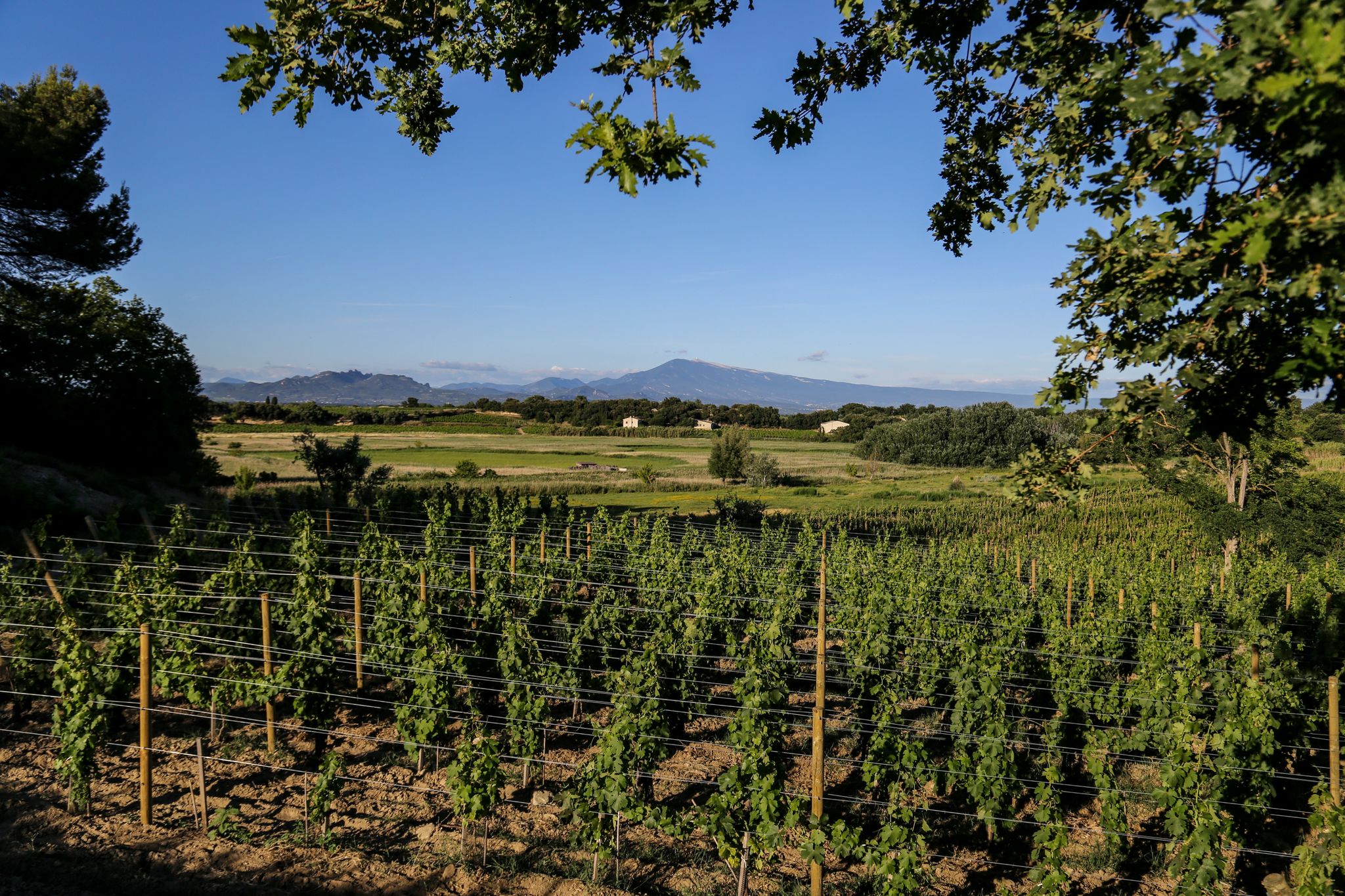
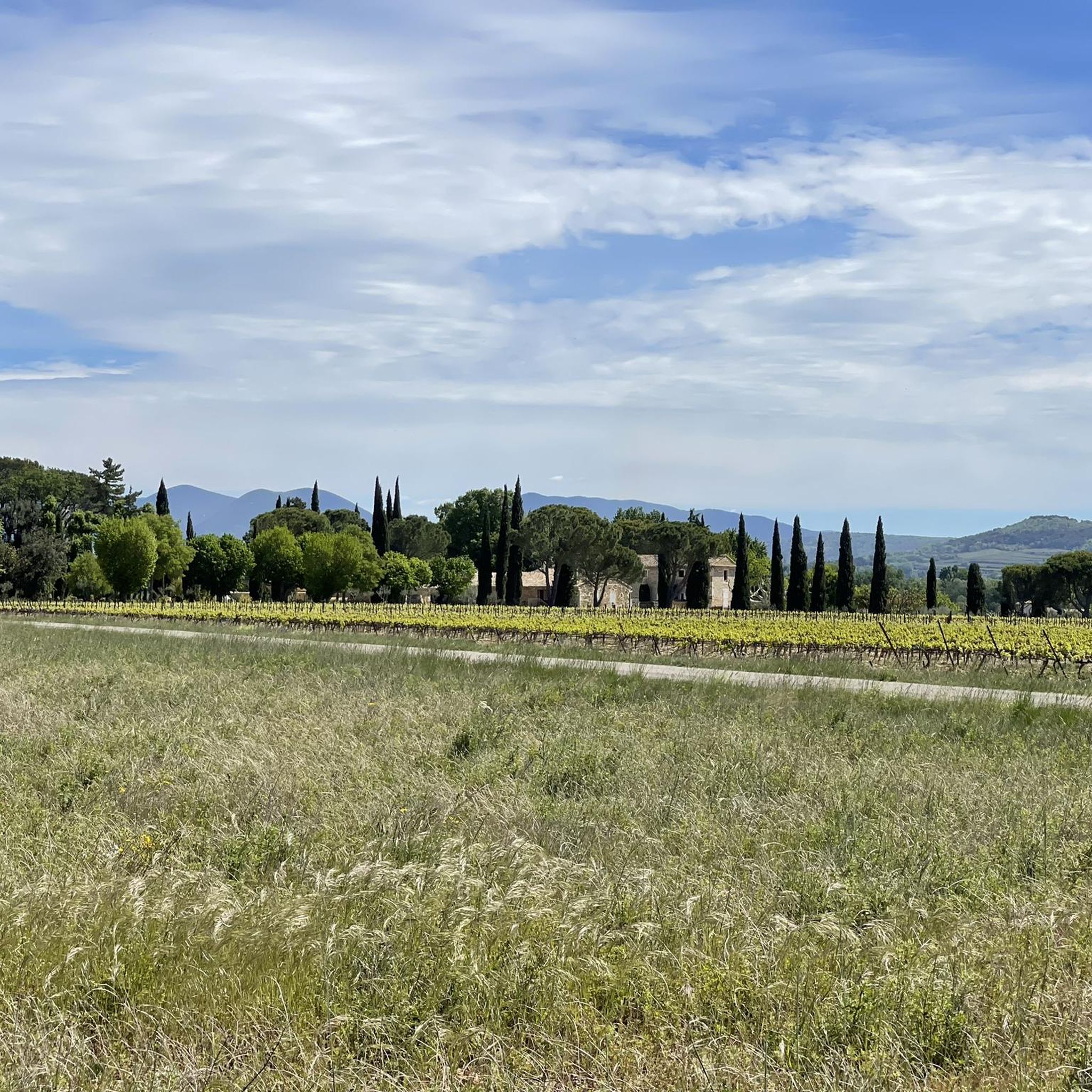
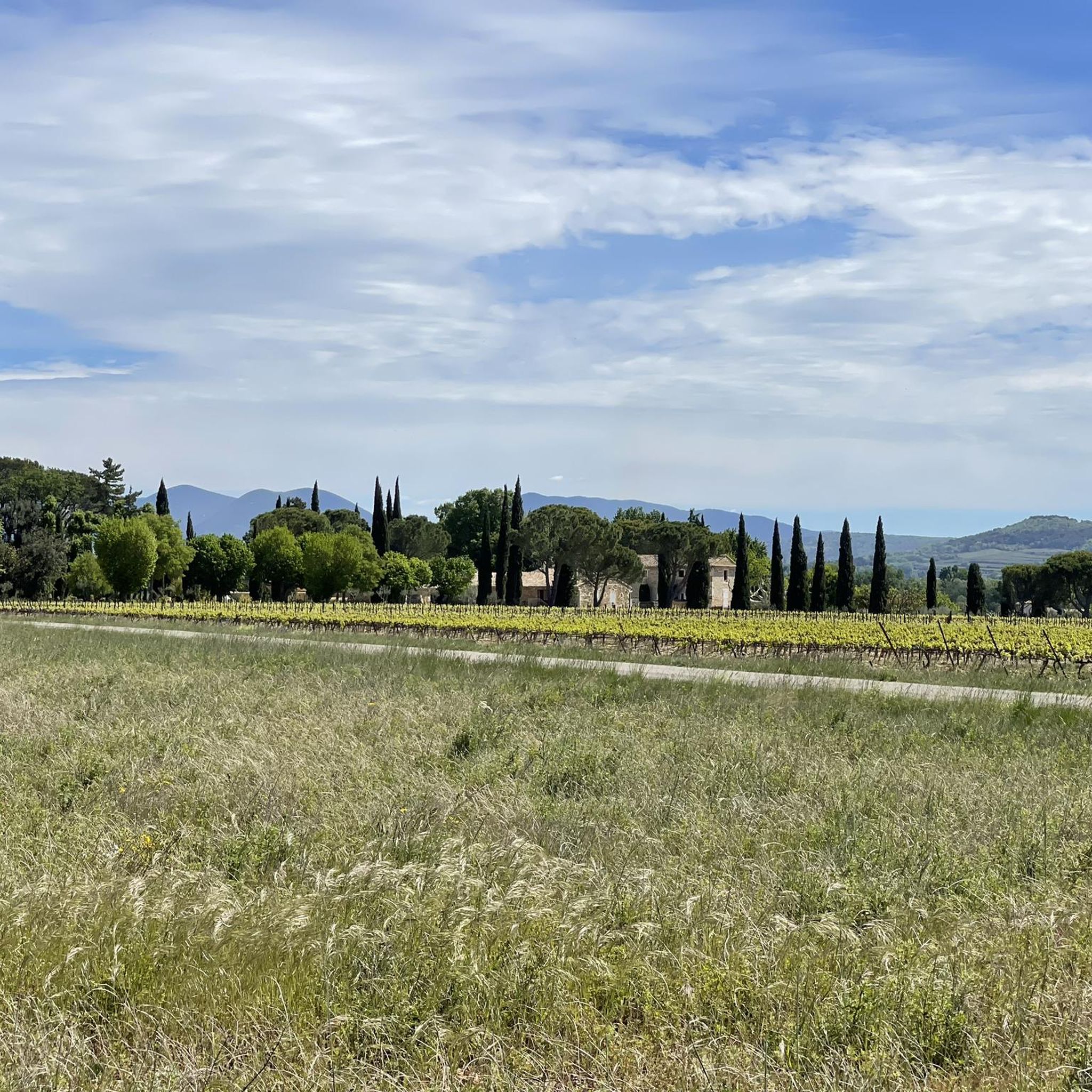
Hiking around Valréas offers diverse landscapes in the Vaucluse region of Provence-Alpes-Côte d'Azur. The area is characterized by rolling hills, expansive vineyards, and ancient olive groves, providing varied terrain for outdoor activities. Hikers can explore routes through characteristic Provençal scenery, with some trails offering views towards Mont Ventoux. The natural environment supports diverse flora, particularly in spring and autumn.
Best hiking trails around Valréas
- The most popular hiking route is Starting point – Lots of vineyards loop from Valréas,…
Last updated: July 9, 2026
4.4
(17)
82
hikers
12.3km
03:27
240m
240m
Moderate hike. Good fitness required. Easily-accessible paths. Suitable for all skill levels.
4.7
(3)
15
hikers
11.2km
03:08
200m
200m
Moderate hike. Good fitness required. Easily-accessible paths. Suitable for all skill levels.

Sign up for free
4.8
(6)
17
hikers
4.67km
01:23
150m
150m
Easy hike. Great for any fitness level. Easily-accessible paths. Suitable for all skill levels.
5.0
(3)
11
hikers
3.84km
01:07
100m
100m
Easy hike. Great for any fitness level. Easily-accessible paths. Suitable for all skill levels.
5.0
(1)
11
hikers
9.58km
02:33
110m
100m
Moderate hike. Good fitness required. Easily-accessible paths. Suitable for all skill levels.
Get access to more routes and recommendations from other explorers.
Sign up for free
Already have an account?
Our route recommendations are based on thousands of hikes, rides, and runs completed by other people on komoot.
Start today with a free account
Your next adventure awaits.
Login or Signup

Other adventures around Valréas

Tips from the Community

Magnificent 12th century church whose dark and massive interior is reminiscent of certain places of worship in Aubrac.
0
0

Here you can find high-quality chocolates and macarons in many varieties!
0
0

The church was erected following the establishment of a Benedictine priory in the 11th century. Enlarged and remodeled numerous times, it nevertheless retains a certain unity. The nave, transept, and apse date from the 12th century and are in the Romanesque style. The side aisles were added at the end of the 12th century. Later, in the 15th century, an additional bay of the nave was built. As for the side chapels, pierced with Gothic windows and supported by powerful buttresses, they were added in the 15th and 19th centuries. Listed as a Historic Monument since 1862, built of noble materials (ashlar), the building has the dual distinction of being roofed by stone slabs and having two bell towers: one is octagonal and notably pierced with ogival bays, the other is a bell tower-arcade type with three bell bays. The three bays of the exterior side portal are richly decorated with arches and capitals adorned with flowers, petals, and sculpted figurines. They present a balanced composition of small columns and semicircular arches. Architecturally, note the sculpted modillions of the cornices overlooking the chevet and transept, as well as the elaborate decoration of the "south" portal, where Gothic elements coexist with Romanesque ornamentation (bas-reliefs depicting figures and interlacing). The west portal is decorated with elegant columns from the 13th and 14th centuries. Inside, admirable coffers painted with rosettes adorn the ceiling, and a magnificent 16th-century organ case sits on an entire wall. This organ case, equipped with an Italianate case dating from 1506, was restored in the 18th century and in 1966, following its listing by the Fine Arts Museum. It has also been undergoing a new restoration since November 2007, which was completed in July 2009, the date of its new commissioning. Accompanied by background music, lighting in several stages, and a constantly renewed decor, the Valréas nativity scene, one of the most renowned in Provence, occupies the Notre Dame-de-Nazareth church from Christmas to Candlemas. Covering 57 m², beautiful and very old figurines (some of which are centuries old) make their way towards the Infant Jesus. The church and its Place Pie serve as the backdrop each year for the feast of the Night of Little Saint John on June 23.
1
0
The permanent model exhibition, housed in a specially adapted museum space, offers visitors around twenty models created by Jean-Claude Vangierdegom, a model maker with a passion for architecture, representing the main heritage buildings of the Enclave des Papes and the Pays de Grignan. The Château's Micro-Folie, a veritable digital museum with fifteen tablets, complements the free cultural offerings. Finally, the free year-round visit also includes a visit to the grandiose Salon d'Honneur, the Salle Scharf, and a climb to the belvedere, which offers a beautiful panorama of the town of Valréas and the surrounding landscapes. Furthermore, the Château de Simiane hosts a regular and varied program designed as an invitation to discovery, in an extraordinary setting for everyone: young and old, lovers of painting, photography, music, and more. The Château de Simiane has become a cultural hub, at the heart of Valréas life, with a Micro-Folie. For example, the castle serves as the backdrop for the Night of Little Saint John around June 23 and during the summer for many other festivities (July 14, Pink and White, concerts, etc.)
1
0
The Hôtel de Simiane stands on the remains of an ancient residence believed to have been built by the Montauban family in the 13th century. Hugues Aymeric commissioned the construction of the two buildings still visible along Rue de l'Hôtel de Ville in the 14th century. The bulk of the current building was constructed in 1639-1640 by the Cavaillon entrepreneur Bernard Moureau based on plans by the Avignon architect François Royer de la Valfenière for Louis de Simiane (this Avignon architect is responsible for numerous buildings in the Comtat, including the bishopric of Carpentras). It was not until around 1780 that the symmetry of the composition was completed with the replacement of an old building with the south wing, based on plans by the Avignon architect Franque, who also designed the bishopric of Viviers. The château was owned by Louis de Simiane and his wife Pauline de Simiane, the granddaughter of the Marquise de Sévigné. It was thanks to the young woman that her grandmother's correspondence was published and made famous throughout the world. There is thus a direct link between the two châteaux, only a few kilometers apart: Grignan, where the Marquise stayed, and Valréas, where her granddaughter resided. In 1823, the Château de Simiane housed the college and the Justice of the Peace. It was only in 1843, by order of King Louis Philippe, that the town of Valréas was authorized to purchase the Hôtel de Simiane, which then became the Valréas Town Hall and Post Office. In 1913, the Château de Simiane was listed as a historic monument.
1
0
The building: Ripert Castle is located on the summit of the ancient Valleriacum, a molasse hill overlooking the basin. On this hill, tiny but very real remains from the prehistoric era, unearthed during excavations in 1995, bear witness to the settlement of humans in Valréas in very ancient times (visit the ASPAER archaeological rooms). Built around the beginning of the 12th century by the co-lords of Valréas, Raymond de Mévouillon, Hugues d'Allan, Ripert de Valréas (who gave his name to the building), Bertrand de Taulignan, Dô de Chamaret, and Pons de Guintrand (charter of 1117), it later belonged to the Montauban family, who settled around Valréas in the 12th century. The castrum subsequently belonged to the Marquisate of Toulouse, then through various successions and purchases, it passed from the Papacy to the Dauphin in 1294. In 1317, Pope John XXII regained possession of Valréas and its territory until 1792. The Keep: The Valréassiens' "Clock Tower" is actually the keep of Ripert Castle. It was listed as a Historic Monument on November 14, 2024. It is a square tower, 17 meters high and approximately 7 meters on each side, offering a 360-degree view. The walls are 2 meters thick. It is built with carefully cut limestone. It has three floors and a terrace on which an aedicule has been erected and houses the clock bell: the "charansole." The first two floors had floors supported by beams whose bolt holes are visible inside the walls. The top floor, however, features a beautiful Romanesque semicircular vault supported by the east and west walls. The various blocked openings are probably access points to staircases embedded in the thickness of the walls. Access to the various floors was via wooden stairs or ladders. Note that the current staircase and access door date from 1679 and were built after the destruction of the exterior staircase, traces of which are visible on the east facade, to facilitate access to the terrace that housed the clock in 1458. A careful study of the architecture has made it possible to precisely date the building: it is in the Romanesque tradition, from the late 12th century, early 13th century. However, there have been several renovations over the centuries, visible from the exterior, and the external facings have been consolidated and restored towards the top. The battlements are more recent. The basement of the tower served as a prison under the Popes, until the Revolution (study of the numerous stone engravings). The Wall – The Ramparts: The polygonal wall constitutes the visible remains of the ramparts of the upper castle (castrum) of Valréas. The access gate (postern) now only contains the western pillar and the base of the arch, which still bears traces of the passage of the portcullis. It has nine sides of unequal lengths, most of which are still in place. The height of the walls varies from 5.50 to 8.50 meters (the original height is unknown). The thickness is 1.50 to 2 meters. Built of finely cut stone, it is reinforced at its base with buttresses visible from the White Penitents' Gardens (archaeological excavations 1995). On the site of the current water tower, a fairly large room once stood, as evidenced by the two very thick wall extensions that are harped perpendicularly on the rampart on the north side. The castle, like all those of the 12th and 13th centuries, must have included wooden rooms attached to the walls and the tower that served as common rooms, weapons rooms, attics, kitchens, etc. On the west side, the arch extensions in the corners were surely the support for upper rooms made of stone or wood. These two arches were harped on the wall of the southwest rampart.
1
0
First, VAL NOUGAT, with Cédric Scoquart, a honey specialist certified by LES DISCIPLES d'ESCOFFIER, who will delight you with his nougats, honey and fruit candies, cookies, fruit jellies, and various creations (all made with local products). Next, CHOCOLAT T, with Jean-Benoit Truchon, a chocolate specialist, who will delight you with his chocolates from different origins, his cakes, ice creams, macarons, and his creations, each more original (taste-wise) than the last. The pursuit of excellence in the pleasure of the senses.
1
0

The "Circuit des Bornes Papales" follows some old boundary stones of the "Enclave des Papes". It also offers beautiful views of Mont Ventoux when it is not surrounded by clouds. There is a small car park at the starting point.
2
0
Frequently Asked Questions
How many hiking trails are available around Valréas?
Valréas offers around a dozen marked hiking trails, catering to various preferences. The majority, about two-thirds, are classified as easy, while the remaining routes are moderate in difficulty, ensuring options for different skill levels.
Are there easy hiking trails suitable for families in Valréas?
Yes, Valréas is a great destination for family-friendly hikes. Many trails are classified as easy, such as the Starting point – Lots of vineyards loop from Domaine du Séminaire, which is just under 5 km long and takes about 1 hour 23 minutes. These routes often pass through picturesque vineyards and olive groves, providing a pleasant experience for all ages.
What kind of landscapes can I expect to see on hikes around Valréas?
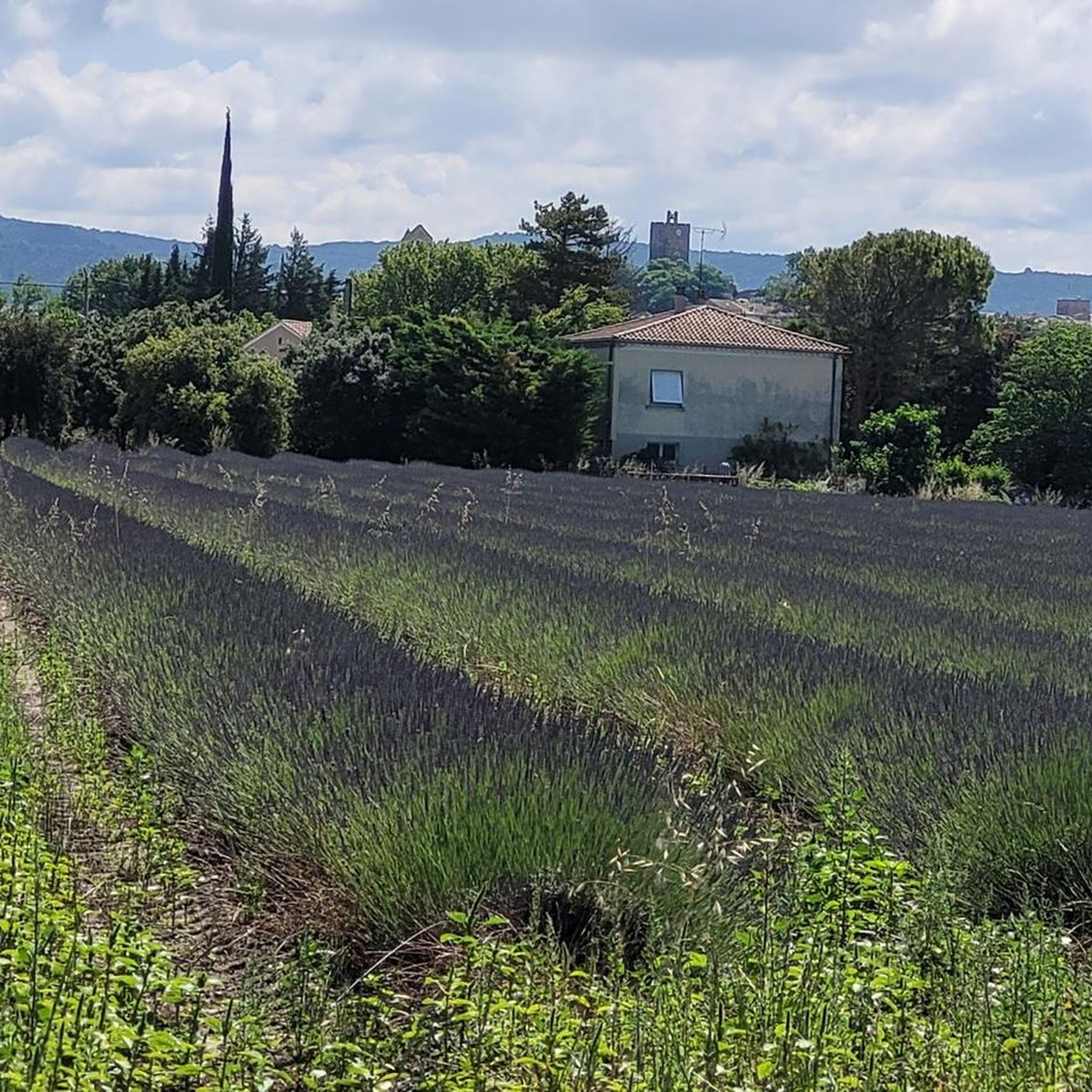
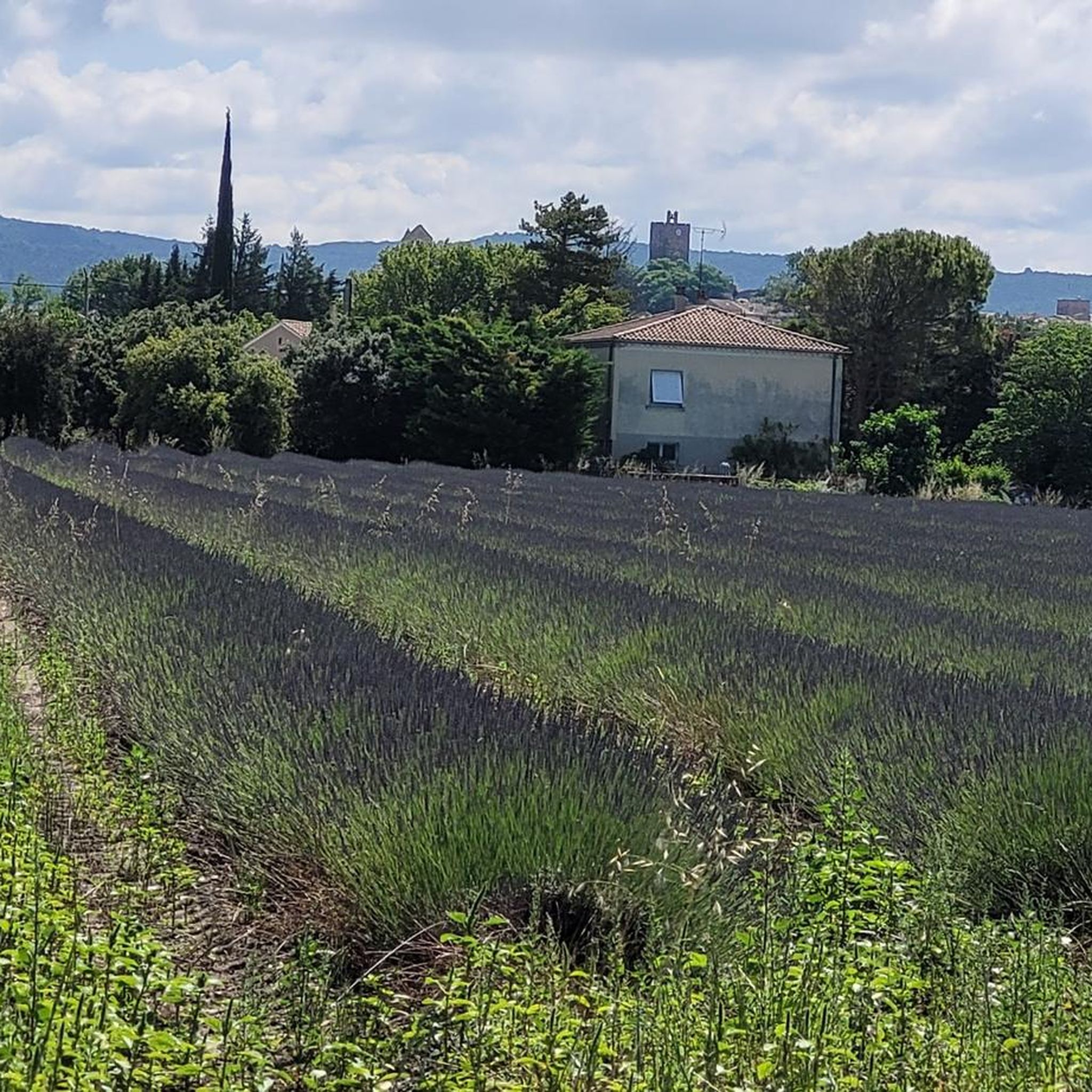
Hiking in Valréas offers diverse and picturesque landscapes. You'll primarily encounter rolling hills, expansive vineyards, and ancient olive groves. Depending on the season, you might also see fragrant lavender fields. Some trails lead through holm oak woods, and you can often enjoy views towards more mountainous terrain like Mont Ventoux or Montagne de la Lance.
Are there any circular hiking routes in Valréas?
Yes, many of the trails around Valréas are circular, allowing you to start and end at the same point. An example is the La Coronne Campsite loop from Valréas, an easy 3.4 km route. These loops are convenient for exploring the region without needing to arrange transport back to your starting point.
What historical or cultural landmarks can I discover on the trails?
Many trails in Valréas offer a blend of natural beauty and historical discovery. You can explore the town's rich history with routes like the Valréas Historic Center loop from Valréas, which combines natural exploration with historical architecture. Further afield, you might encounter ancient churches, castles, or remnants of medieval architecture. The nearby Château de Grignan is also a notable historic attraction.
Are there good viewpoints or panoramic vistas on hikes near Valréas?
Absolutely. The region is known for its stunning views. The Col de la Croix Rouge (507m) is highly recommended for its magnificent views over small valleys, vineyards, and unique rock formations. From Montagne des Vaux, you can enjoy exceptional panoramic views of surrounding mountains like La Lance and Mont Ventoux.
What is the best time of year to go hiking in Valréas?
Valréas offers pleasant hiking conditions throughout much of the year. Spring and autumn are particularly beautiful, with blooming wildflowers and vibrant autumnal colors, respectively. The mild climate of Provence makes it an attractive destination for outdoor activities, though summer can be hot, so early morning or late afternoon hikes are often preferred then.
Are there any specific natural features to look out for on the trails?
Beyond the vineyards and olive groves, you can find interesting natural features. The Rochecourbière Cave offers a glimpse into the region's geological past. You might also encounter unique Sandstone Rock Formations, adding to the diverse scenery.
What do other hikers say about the trails in Valréas?
The hiking trails in Valréas are highly regarded by the komoot community, holding an average rating of 4.5 stars from nearly 1000 reviews. Over 5000 hikers have used komoot to explore the varied terrain, often praising the scenic vineyard routes and the blend of natural beauty with historical sites.
Are there any trails that pass by castles or historic sites?
Yes, several trails offer a chance to see historic sites. For instance, the Simiane Castle – Valréas Historic Center loop from Valréas is a moderate 9.4 km route that takes you past historical points of interest, including the castle. The region is rich in heritage, with many paths leading through areas dotted with ancient structures.
Most popular attractions around Valréas

Get inspired with the komoot mobile app


Explore more
Browse the best Hikes in other regions.
