Attractions and Places To See around Fleurbaix - Top 20
Best attractions and places to see around Fleurbaix are primarily linked to its significant role in World War I, offering numerous remembrance and heritage sites. The area, located in the Pas-de-Calais department of France, features a landscape shaped by historical events and natural elements like the Deûle river system. Visitors can explore military cemeteries, memorials, and nature interpretation centers. This region provides a blend of historical reflection and opportunities for outdoor exploration.
Best attractions and places to see around Fleurbaix
…Last updated: July 2, 2026
Australian Memorial Park Fromelles
Highlight • Monument
Translated by Google •
Tip by

Le Trou Aid Post Cemetery
Highlight • Other
Translated by Google •
Tip by
Sign up now to discover places like this
Get recommendations on the best single tracks, peaks, & plenty of other exciting outdoor places.
Sign up for free
Relais Nature of the Parc de la Deûle
Highlight • Other
Translated by Google •
Tip by
Canal de la Deûle
Highlight • River
Translated by Google •
Tip by
Armentières
Highlight • Settlement
During World War I, Armentières …
Translated by Google •
Tip by
Sign up for free to discover even more attractions around Fleurbaix.
Sign up for free
Already have an account?
Start today with a free account
Your next adventure awaits.
Login or Signup
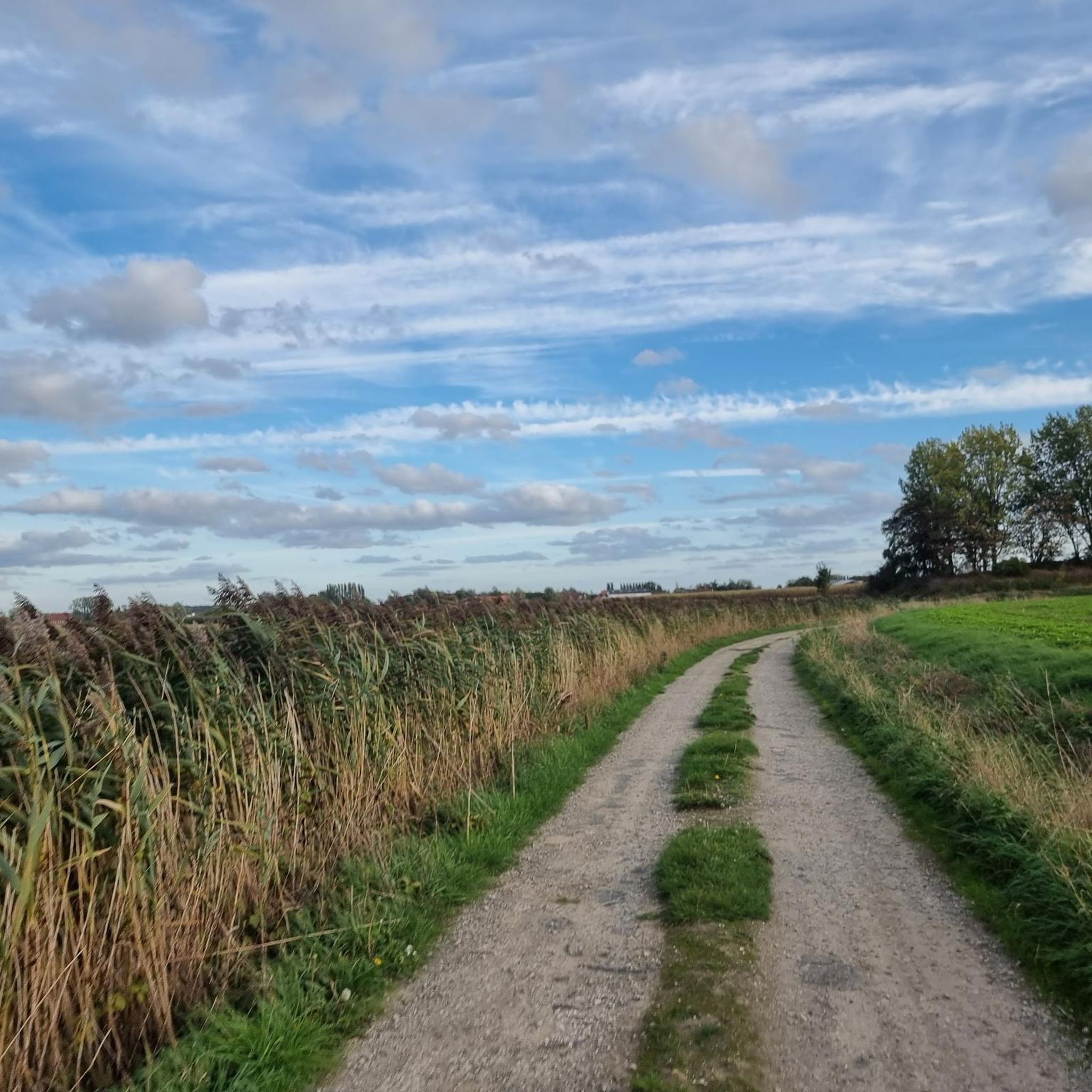
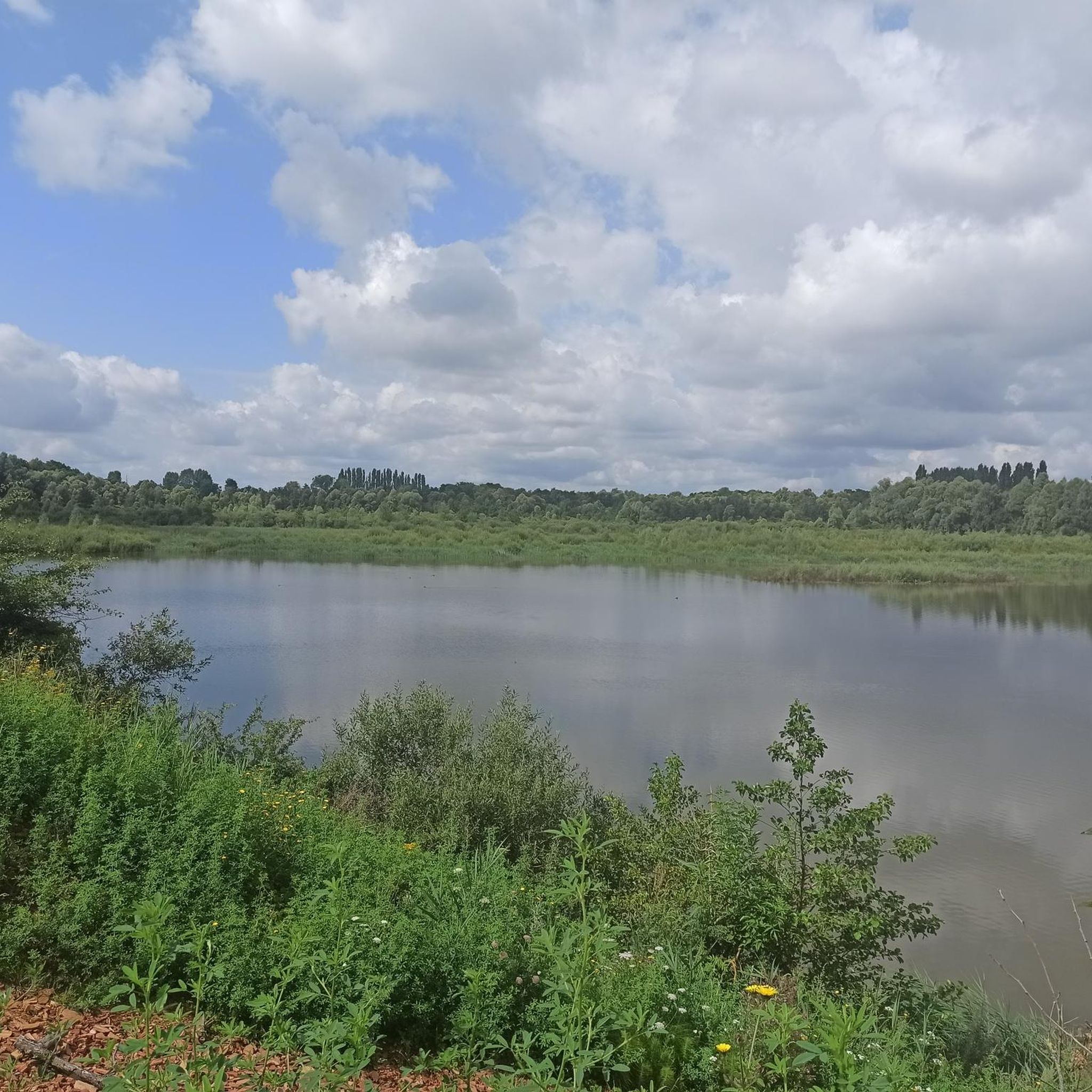

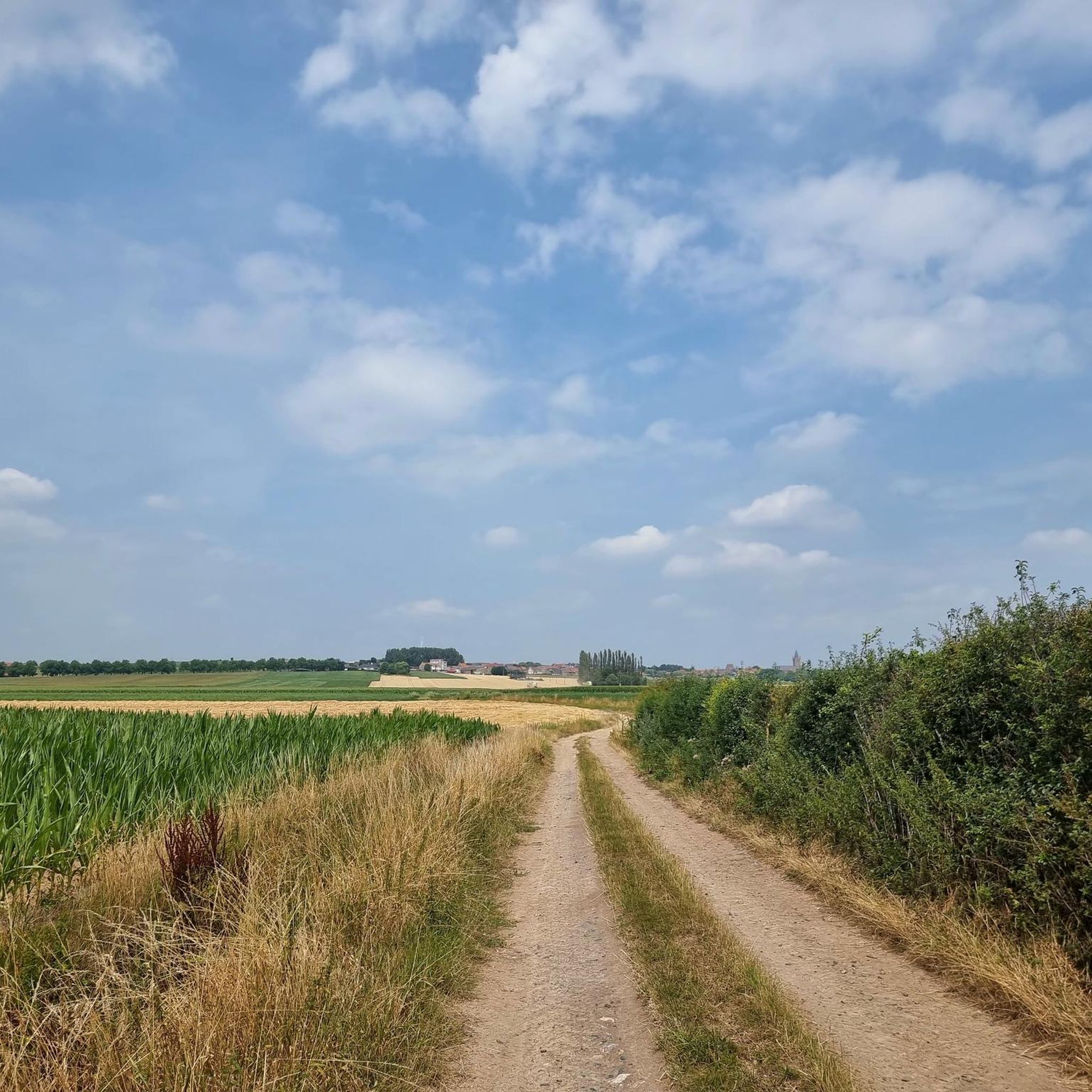
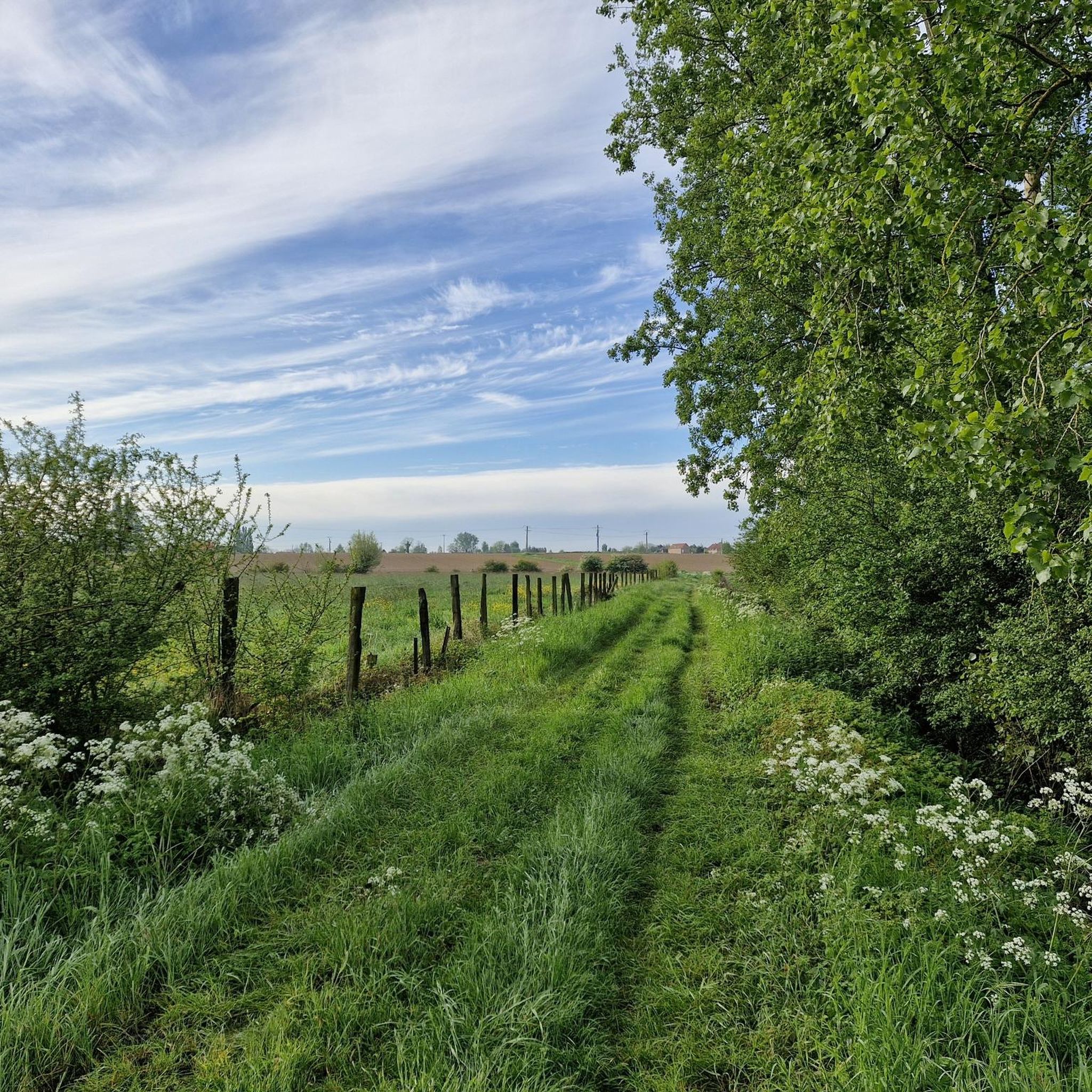
Tips from the Community

The battle of Fromelles on 19 July 1916 was a bloody initiation for Australian soldiers to warfare on the Western Front. Soldiers of the newly arrived 5th Australian Division, together with the British 61st Division, were ordered to attack strongly fortified German front line positions near the Aubers Ridge in French Flanders. The attack was intended as a feint to hold German reserves from moving south to the Somme where a large Allied offensive had begun on 1 July. The feint was a disastrous failure. Australian and British soldiers assaulted over open ground in broad daylight and under direct observation and heavy fire from the German lines. Over 5,500 Australians became casualties. Almost 2,000 of them were killed in action or died of wounds and some 400 were captured. This is believed to be the greatest loss by a single division in 24 hours during the entire First World War. Some consider Fromelles the most tragic event in Australia’s history. https://www.awm.gov.au/articles/encyclopedia/fromelles
0
0

Armentieres is a nice place to go and visit at least once. Too bad the path along the Leie are not maintained, they are in so bad state...
0
0

Imposing monument and beautiful town hall.
0
0

Near the front line in 1916, a fierce battle was fought between the British (Australians) and the Germans. To commemorate 'la bataille' and the wounded who were brought back from the battlefield, a monument/statue was erected here.
1
0

Anecdote: During the battle, Sergeant Simon Fraser heard a wounded soldier cry out, "Don't forget me, cobber!" Despite the danger, Fraser returned to the battlefield to save the man, an act of bravery that was later immortalized in the statue. This event emphasizes the sacrifice and strong bond between soldiers during the horrors of war.
7
0
The Cobbers Australian Memorial is located in the Australian Memorial Park near Fromelles. This memorial commemorates the Australian soldiers who died during the Battle of Fromelles on 19-20 July 1916. The statue, designed by Peter Corlett, shows Sergeant Simon Fraser carrying a wounded comrade out of no man's land. The name "Cobbers" comes from a letter Fraser wrote, describing the bravery and camaraderie of the soldiers.
7
0
Le Trou Aid Post Cemetery was established in October 1914 by British soldiers of the 19th Infantry Brigade during the First Battle of Ypres. The cemetery initially contained 123 graves, but was expanded after the war. It now contains over 350 graves, of which over 200 are unknown. The cemetery commemorates soldiers who died in a number of battles, including Le Maisnil (October 1914), Aubers Ridge (May 1915), Loos (September–October 1915), and Fromelles (July 1916). A special feature of the cemetery is its rural setting, surrounded by a narrow moat and sheltered by a grove of weeping willows. Visitors reach the cemetery via a footbridge and enter through a delicate cottage-style gate.
7
0
Armentières is located on the River Leie, close to the Belgian border. Historically, Armentières was known for its textile industry, particularly the production of linen. During World War I, Armentières was an important location due to its proximity to the front lines. The town was badly damaged during the war and was occupied by German troops from April to October 1918. It was also the site of the Battle of Armentières in October 1914. After the war, the town was rebuilt, and the red brick buildings give it a distinctive appearance. Armentières is also remembered in popular culture for the song "Mademoiselle from Armentières," which was sung by Allied soldiers during World War I.
7
0
Frequently Asked Questions
What historical sites related to World War I can I visit around Fleurbaix?
Fleurbaix and its surroundings are rich in World War I history. You can visit significant sites such as Australian Memorial Park Fromelles, which commemorates Australian soldiers who died during the Battle of Fromelles in July 1916 and features the poignant "Cobbers" statue. Another important site is Le Trou Aid Post Cemetery, a British military cemetery established during the First Battle of Ypres. Additionally, the VC Corner Australian Cemetery and Memorial and Rue-Petillon Military Cemetery are other notable WWI burial grounds in the area.
Are there any natural attractions or places to enjoy the outdoors near Fleurbaix?
Yes, for nature enthusiasts, the Relais Nature of the Parc de la Deûle in nearby Santes offers a nature interpretation center with activities for all ages, housed in a former farm. You can also explore the Canal de la Deûle, which is one of the oldest canals in northern France and provides pleasant paths for walking or cycling.
What kind of outdoor activities can I do around Fleurbaix?
The region around Fleurbaix offers various outdoor activities. You can find numerous routes for mountain biking, gravel biking, and road cycling. For example, there are MTB Trails around Fleurbaix, Gravel biking routes around Fleurbaix, and Road Cycling Routes around Fleurbaix. These guides offer diverse options for exploring the landscape on two wheels.
Are there family-friendly activities or attractions in the Fleurbaix area?
Families can enjoy the Relais Nature of the Parc de la Deûle, which provides interactive installations and a garden for children and adults to learn about local flora and fauna. The Canal de la Deûle also offers easy paths suitable for family walks or bike rides. Additionally, treasure hunts are available in Fleurbaix and the nearby town of Estaires, offering an engaging way to explore.
What do visitors appreciate most about the attractions near Fleurbaix?
Visitors often highlight the profound historical significance of the World War I sites, finding them very moving and beautifully maintained. The rural settings of places like Le Trou Aid Post Cemetery, with its narrow moat and weeping willows, are particularly noted. The interactive and educational aspects of the Relais Nature of the Parc de la Deûle are also popular among those seeking outdoor and nature experiences.
Can I find local markets or unique shopping experiences near Fleurbaix?
While Fleurbaix itself doesn't have a major market, you can explore local markets in nearby towns. Armentières hosts a market on Fridays, Estaires on Thursdays, and Bailleul on Tuesdays, offering opportunities to discover local products and experiences.
What is the historical background of Fleurbaix itself?
Fleurbaix is a village with a rich history, its name derived from "Fleur" and the Flemish suffix "Bèke," meaning stream. The town originated approximately 2,000 years ago from the draining of marshes and deforestation, evolving into the community it is today. Its strategic location also played a significant role during World War I.
Are there any UNESCO World Heritage sites accessible from Fleurbaix?
Yes, several historic belfries, recognized as UNESCO World Heritage sites (Belfries of Belgium and France), are within a reasonable distance. These include the belfries in Armentières (5km away), Bailleul (12km away), and Lille (17km away), making for interesting day trips.
What are some nearby towns or cities worth visiting for a day trip from Fleurbaix?
For day trips, you might consider Lille, approximately 16 km east, which has transformed from an industrial town into a vibrant city with numerous attractions. Roubaix, 25 km east, offers an interesting town center. Cassel, 30 km west-north-west, is built on the highest hill in the Flanders region and provides scenic views.
Where can I find more information about the region's activities and events?
For additional information on activities and events in the broader Flandre Lys region, you can visit the local tourism website: tourisme-flandrelys.fr.
Are there specific cycling routes that pass through or near World War I memorial sites?
Yes, some road cycling routes are designed to take you past significant historical locations. For instance, the "Le Trou Aid Post Cemetery – VC Corner Cemetery and Memorial loop from Fleurbaix" is an easy road cycling route that connects these two important WWI sites, allowing for a reflective journey through history.
Most popular routes around Fleurbaix
Most popular attractions around Fleurbaix

Get inspired with the komoot mobile app


Explore more
Still not found the Highlight you’re looking for? See guides of the top attractions in other regions:
